Concrete Afterlives
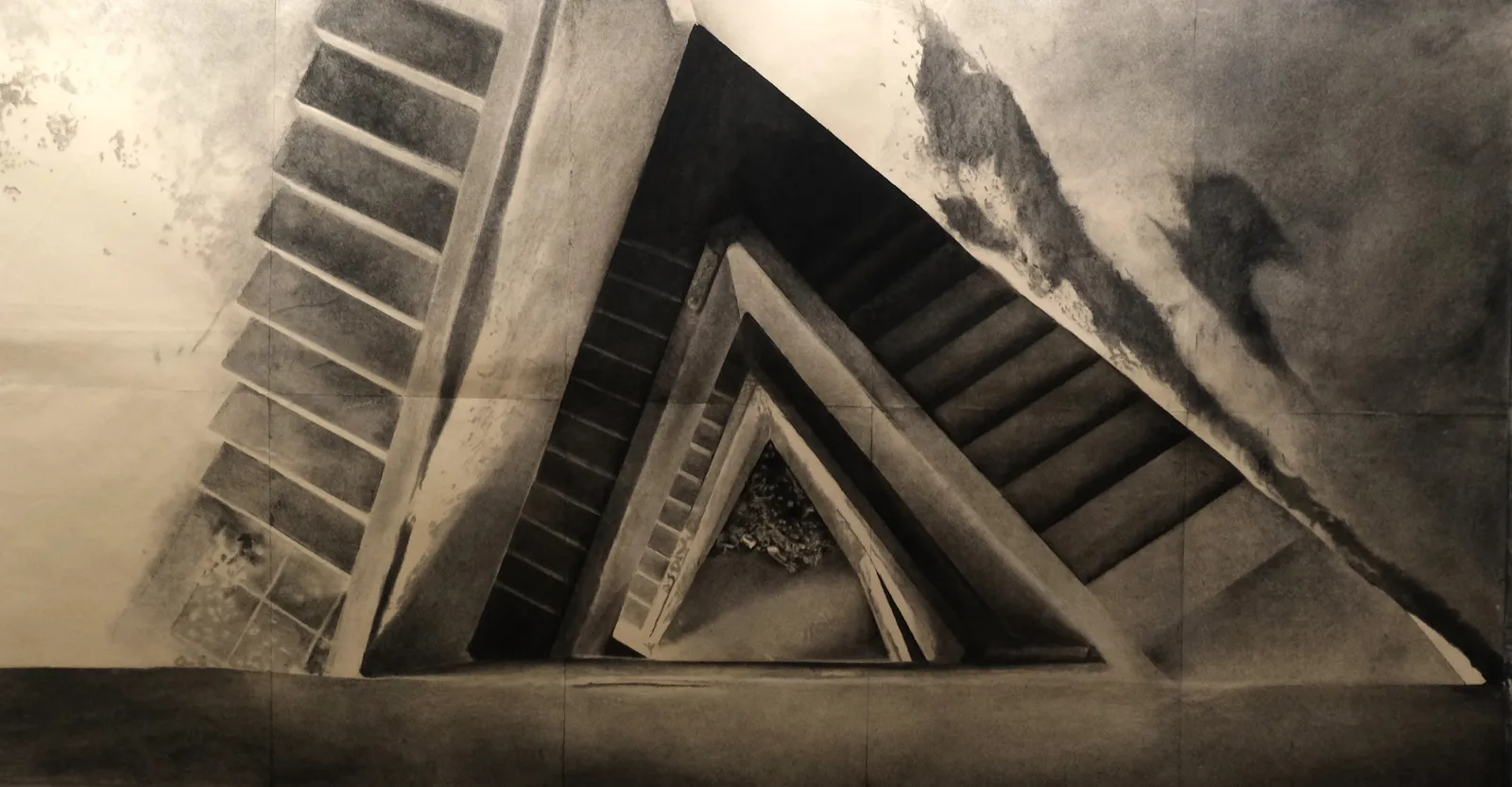
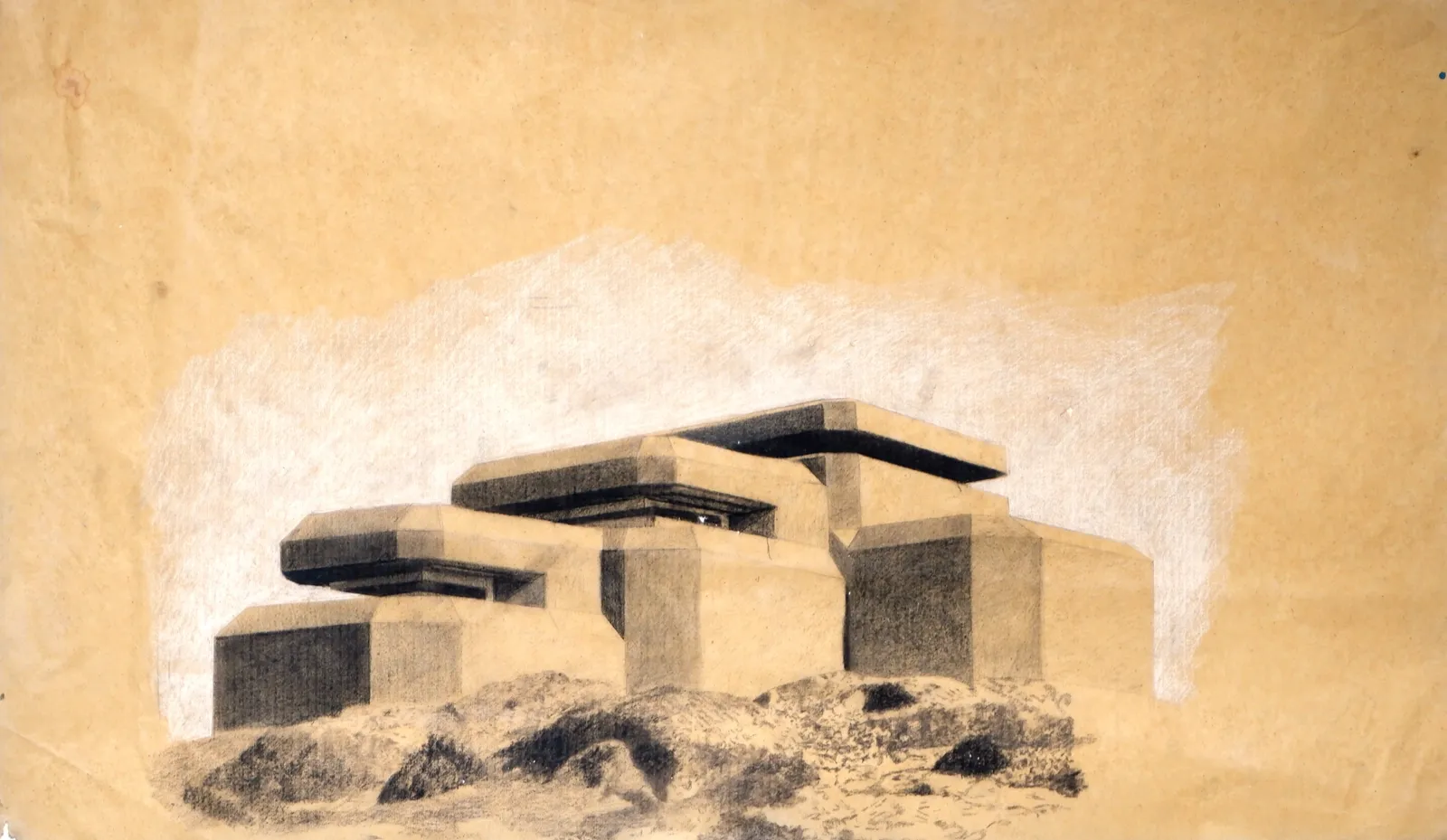
The bunkers of the Atlantic Wall, eighty years on: military architecture receded into the ground, read — after Paul Virilio’s Bunker Archéologie — as archaeology rather than strategy. Built to command the coastline, the fortifications now tilt in the dunes like fossils of a war the landscape has almost finished absorbing; drawn in charcoal, ink wash and white chalk on aged paper, they sit somewhere between survey document and relic.
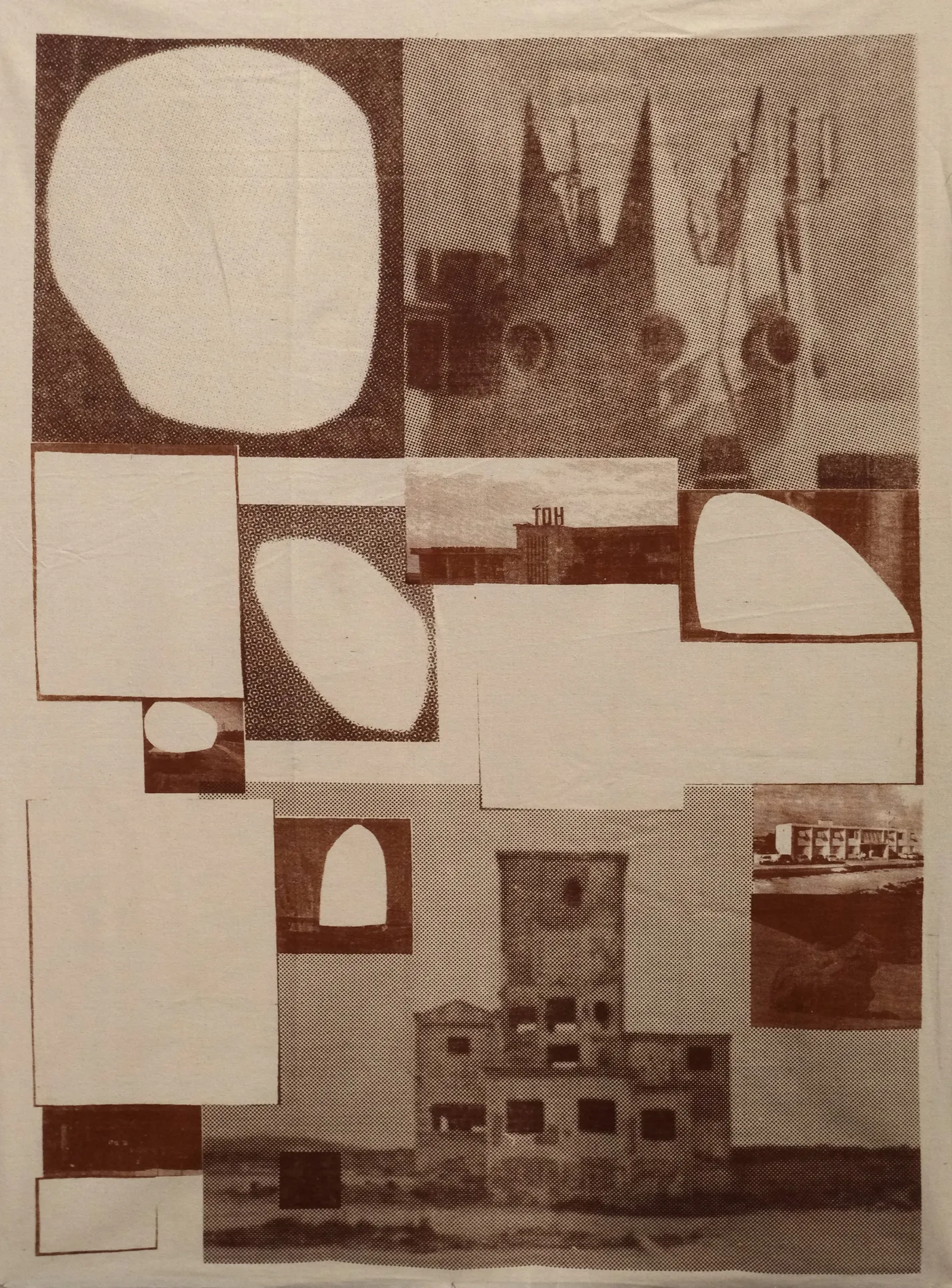
The cycle belongs to a longer thread in the work — structures raised for power or survival, decommissioned, then re-read and re-inhabited — and extends the extractive geographies of the Étang de Berre, whose shores carry their own concrete remainders. Bunker Archeology is its opening chapter: the cycle is conceived as a long-term, growing body of work, the fortified coasts of the Atlantic and the Mediterranean held as an archive the work will keep returning to.