Exhibition
A Second Coming
Solo exhibition — drawings, watercolours, sculpture and installation
Experimenter, Ballygunge Place, Kolkata Opened 26 April 2019
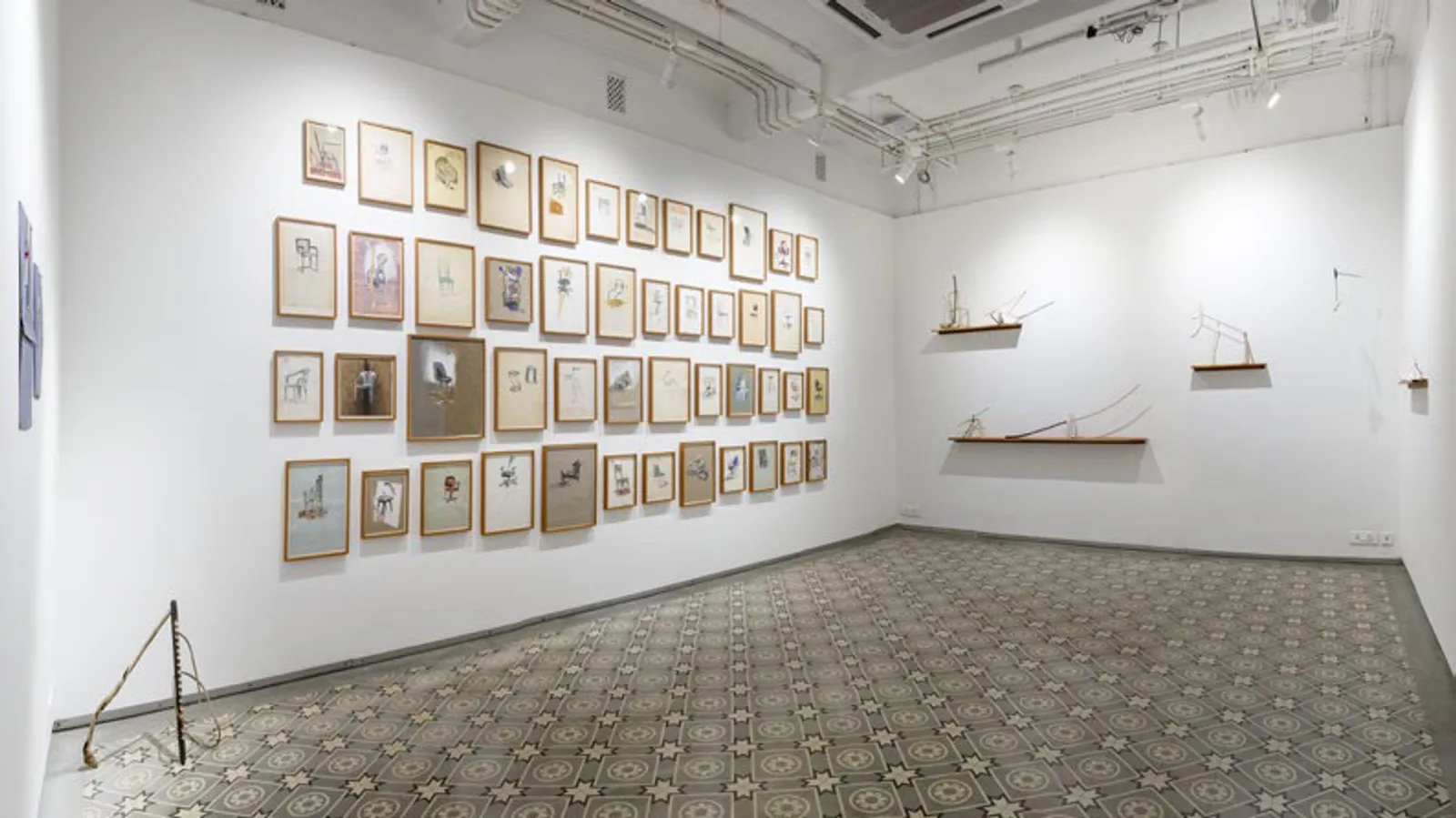
Experimenter presents A Second Coming, Julien Segard’s solo at Experimenter Ballygunge Place, opening on 26 April 2019. Made between New Delhi and Marseille, the exhibition moves between the visceral and the peripheral, vacuity and mass — man, landscape and architecture read through the objects a city discards and the structures it leaves standing.
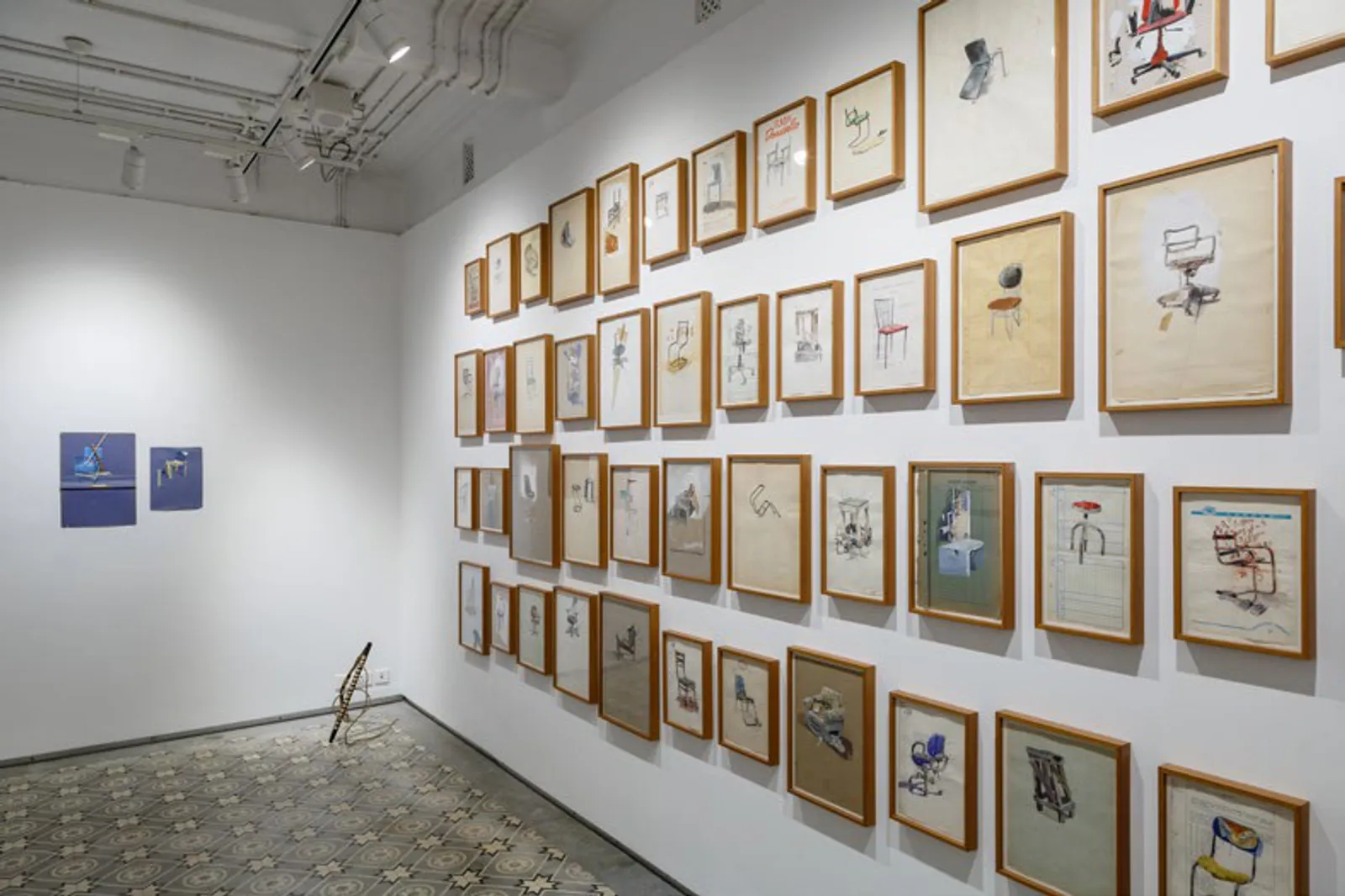
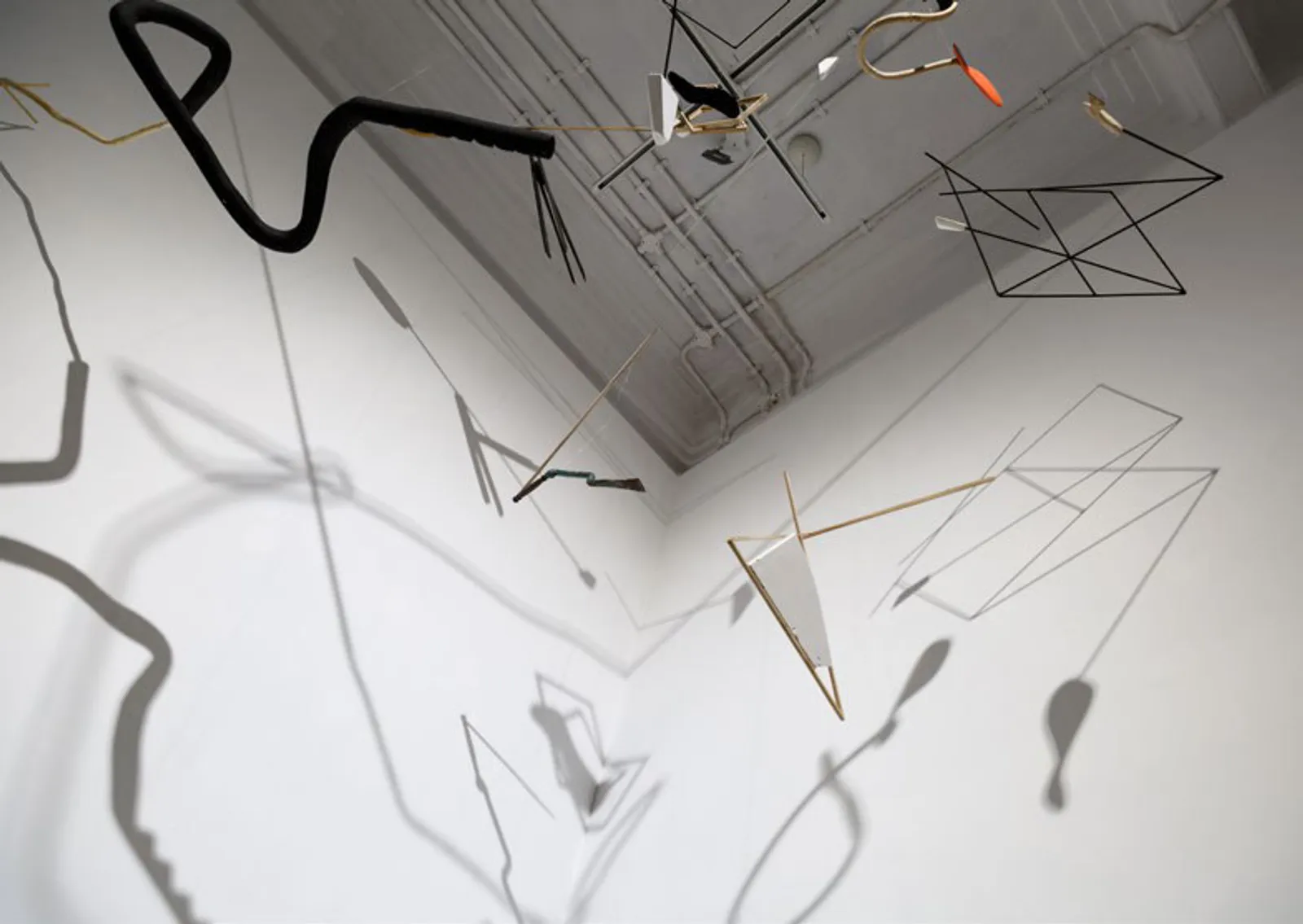
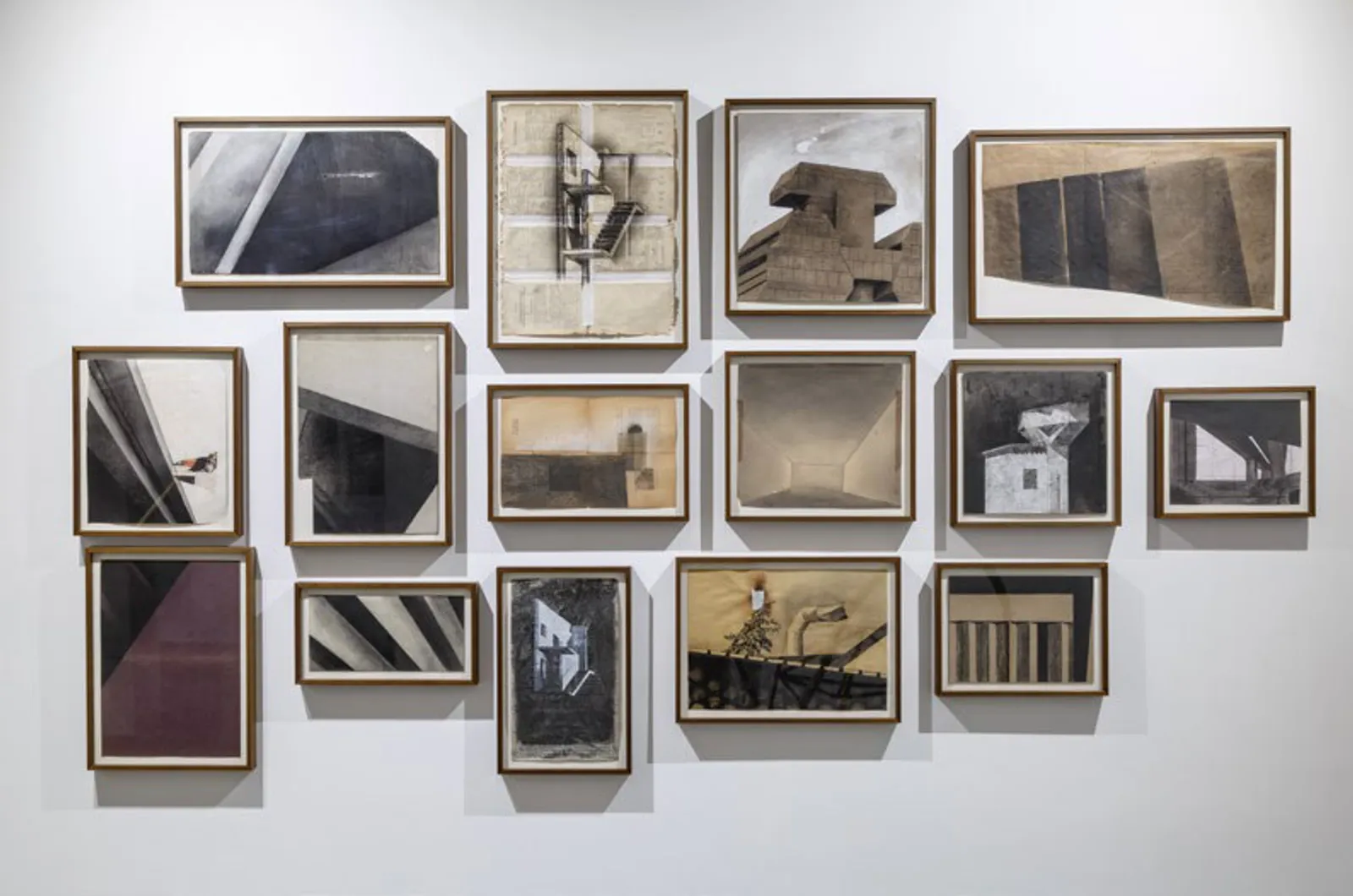
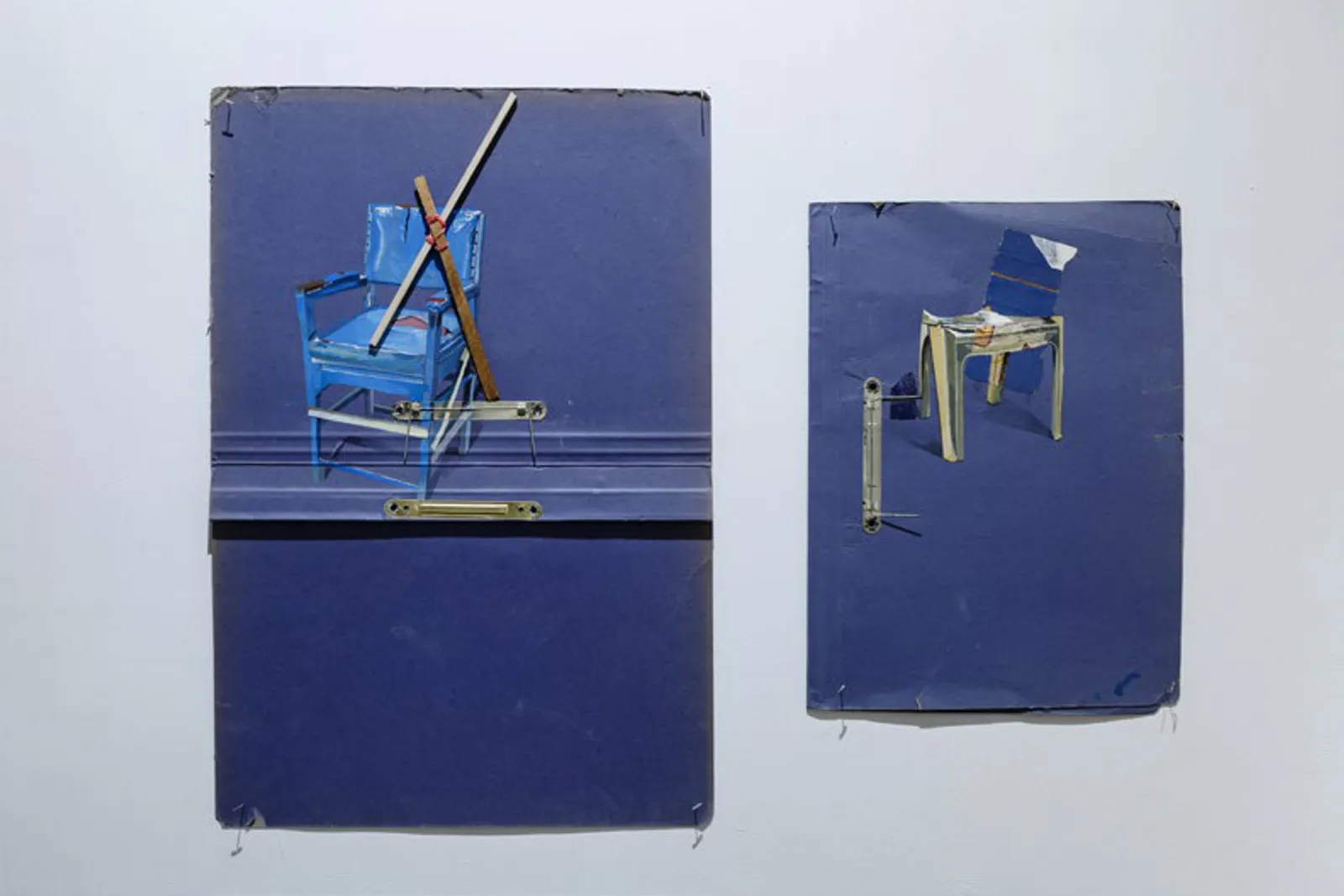
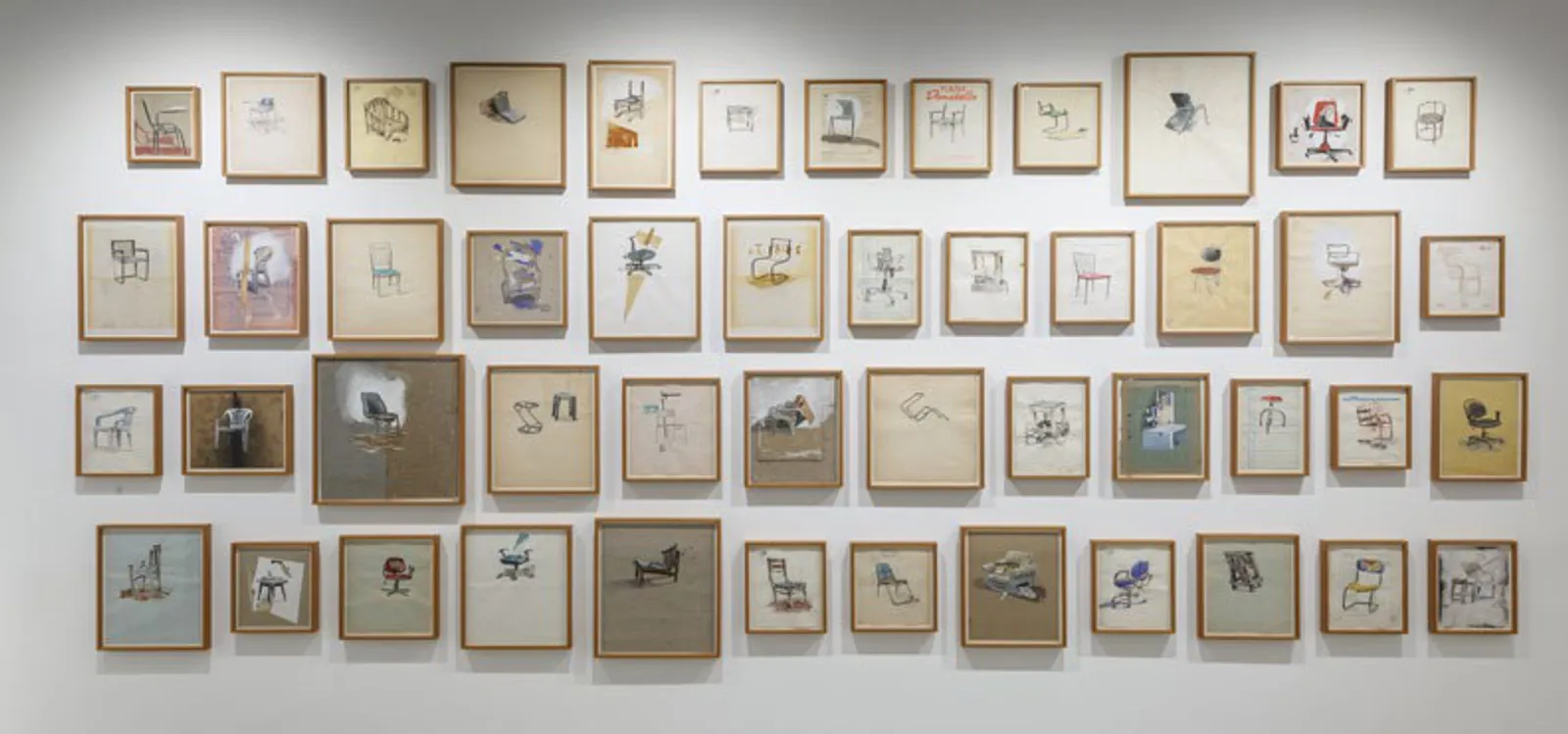
In recognising characteristic paradoxes in the field of view through his work, Segard reflects upon ideas of violent ownership of nature and of encountering glaring blind-spots in our vision of the landscape, and builds a thread of connections through sculptures, installations, works on paper, and paintings. A room is filled with drawings, collages and watercolours that resemble a constellation of chairs that barely keep standing upright, aided with support, repair and reconstruction. Each of them seems to have been weathered by the flow of time, rendered useless and discarded by some, and adopted by others who find value in their residue. Much like portraits of a city or its people, these chairs still stand with resilience on the side of the roads, under the flyovers, on the rooftops and in the wastelands as evidence of a possible life in the insanity of a megacity.
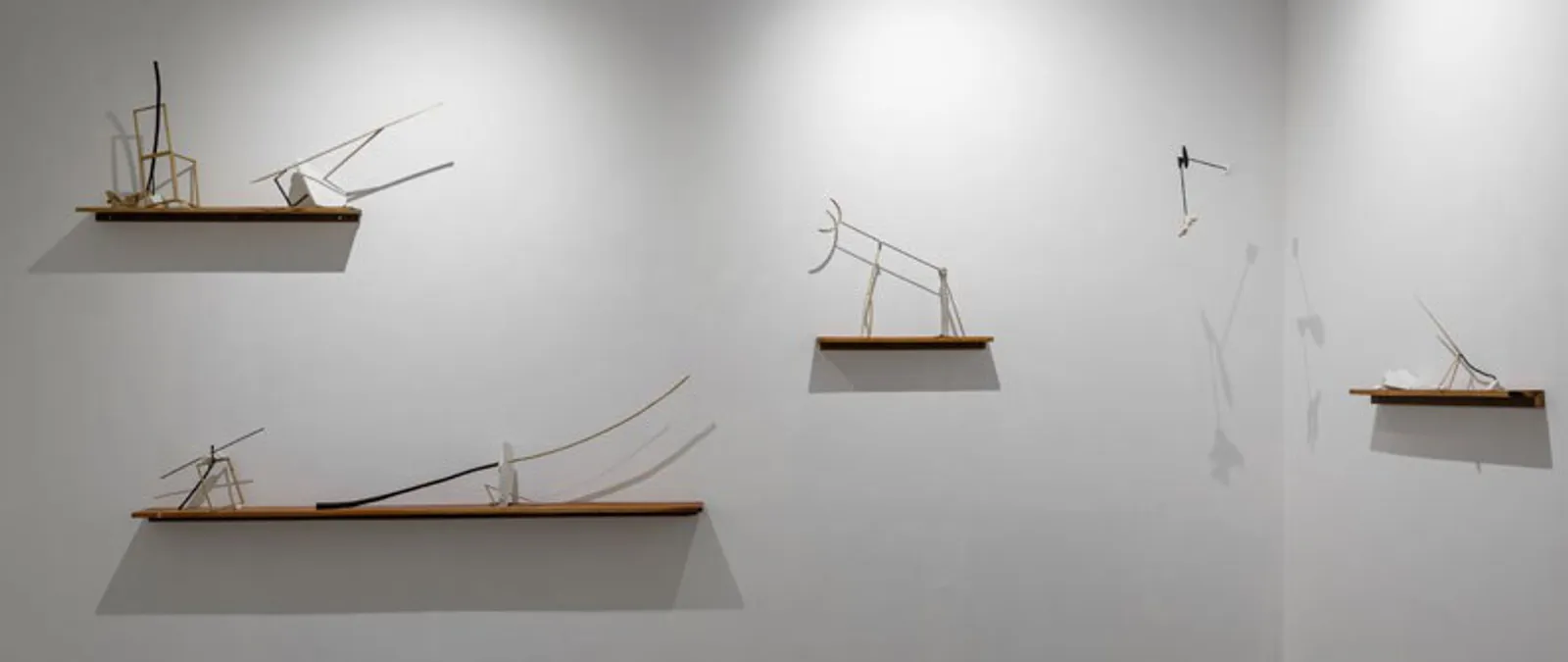
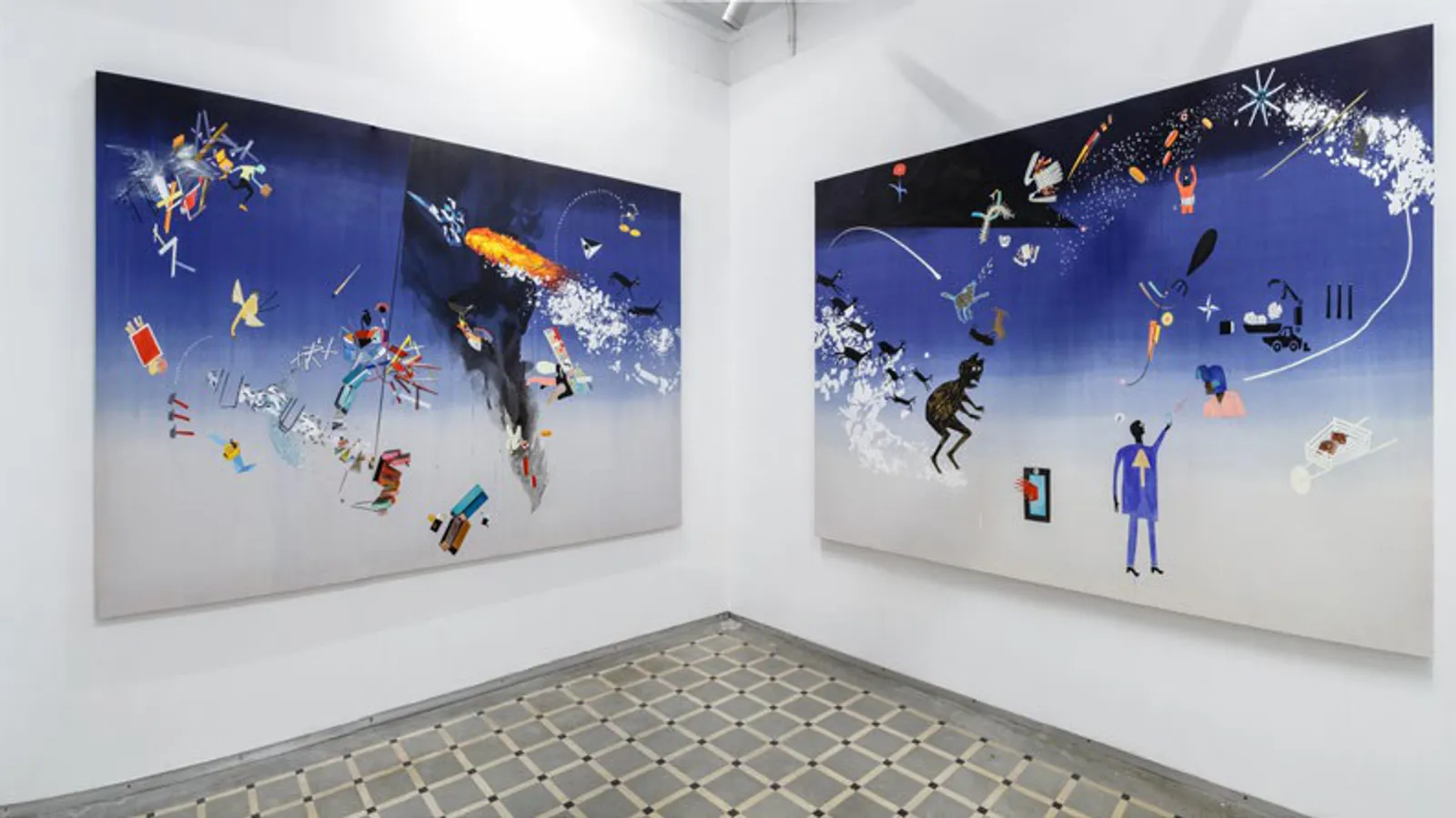
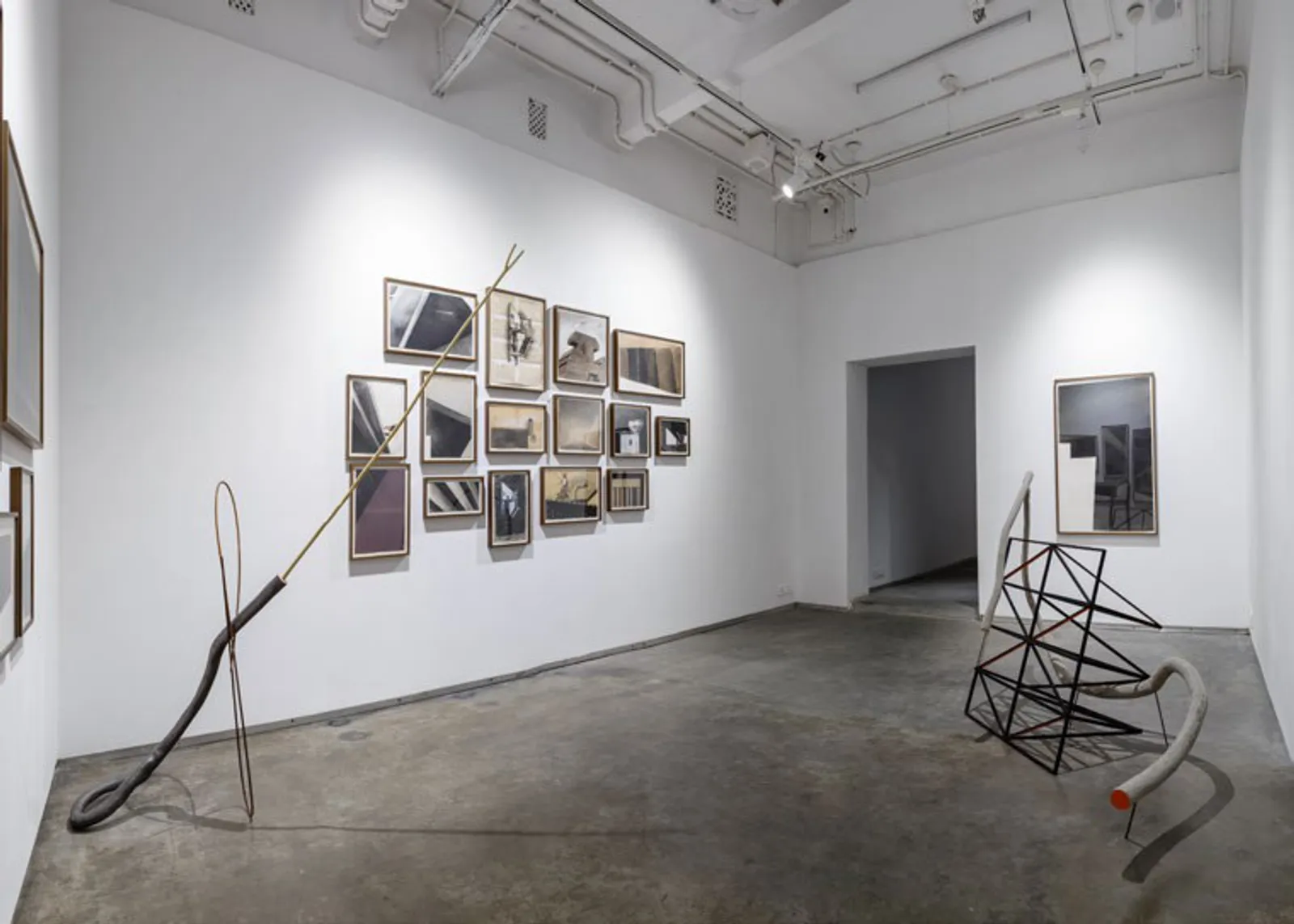
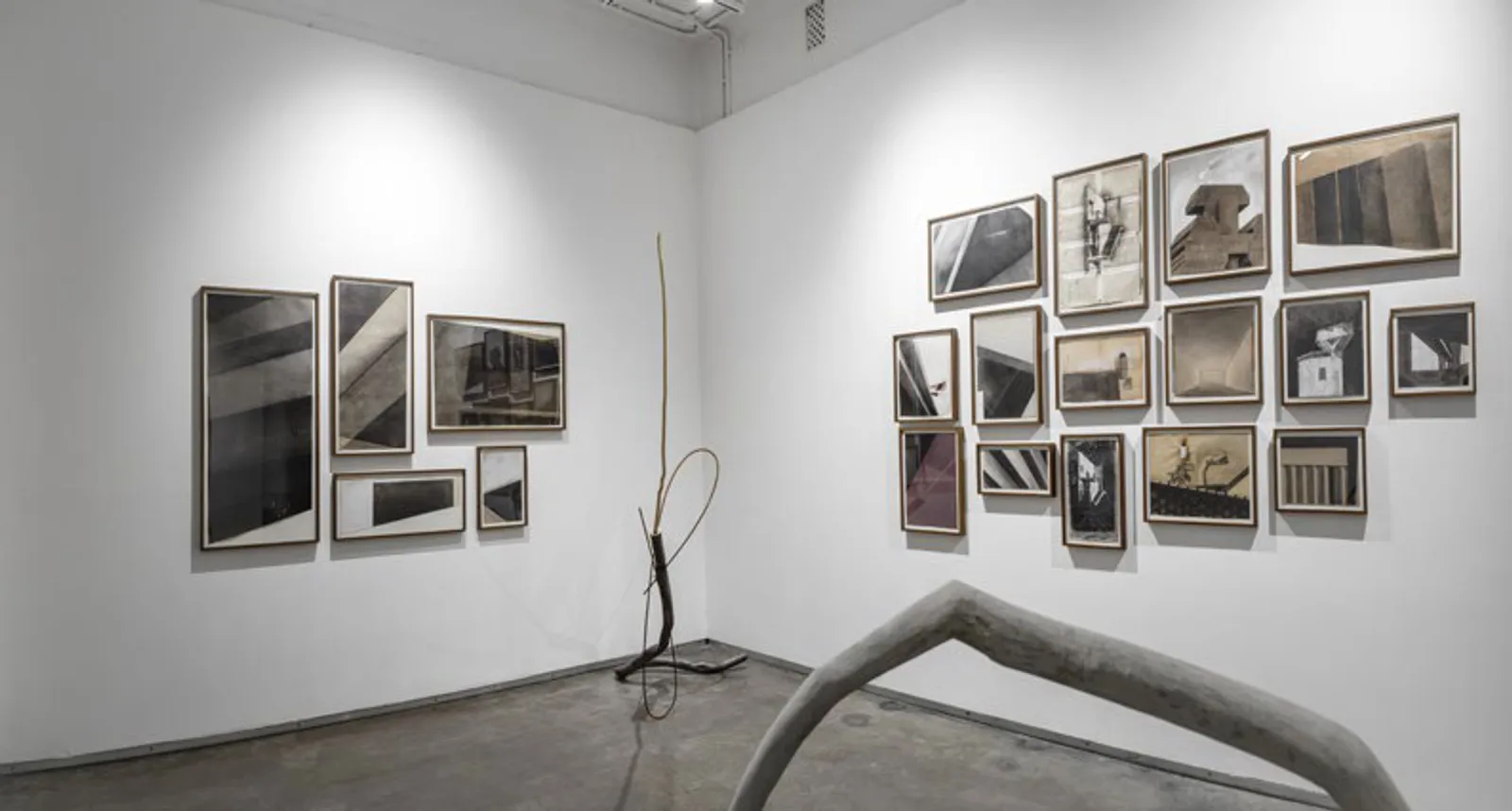
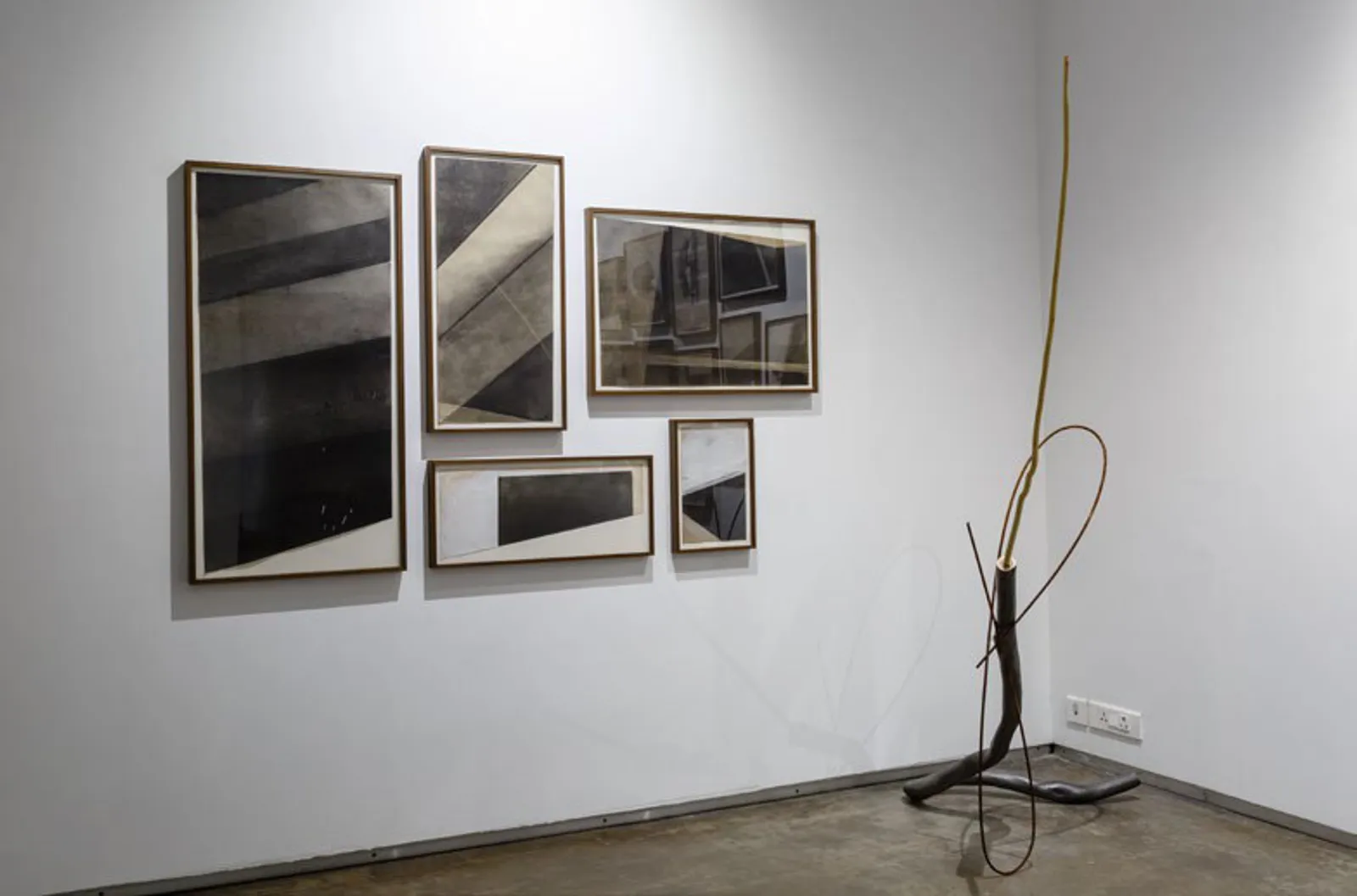
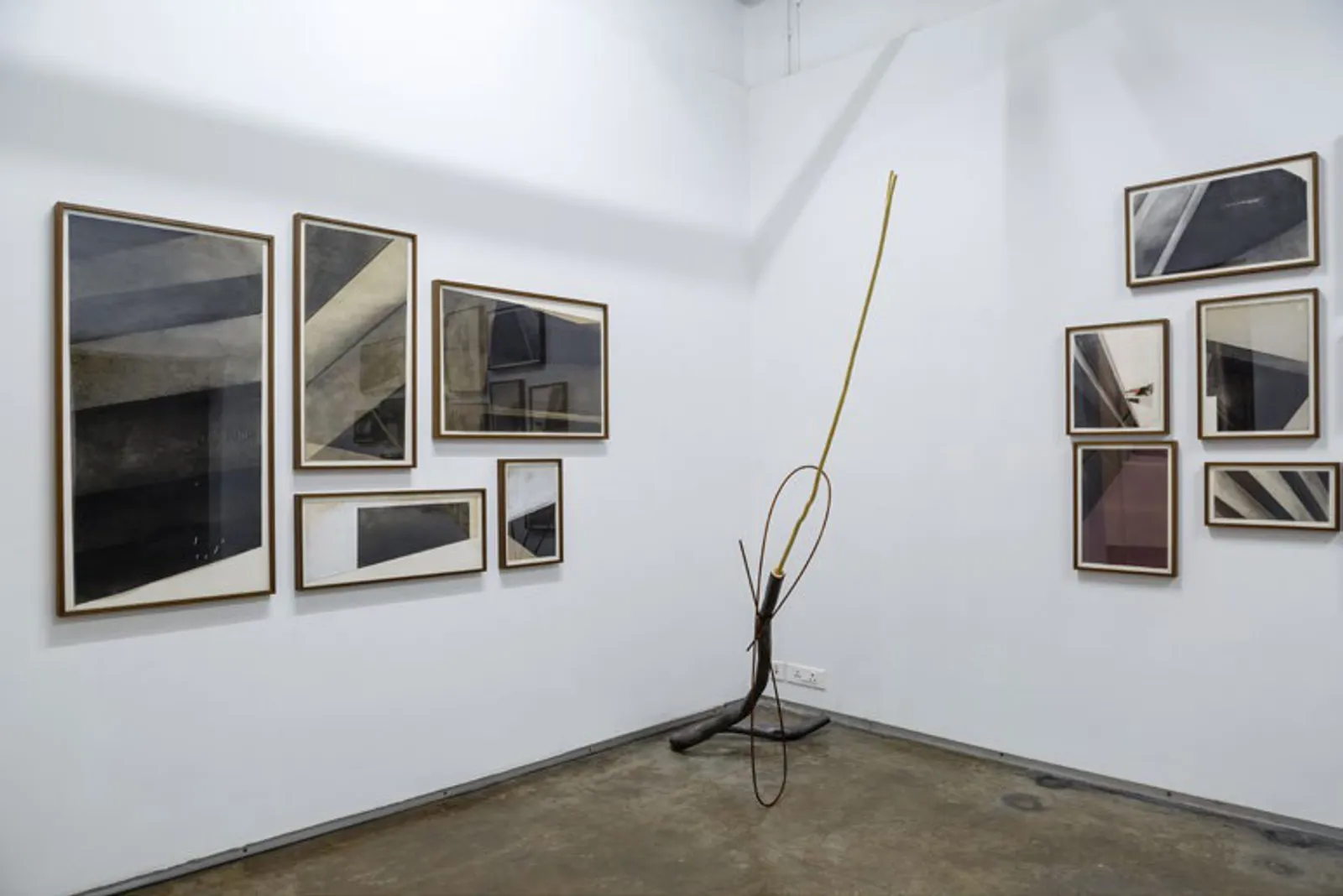
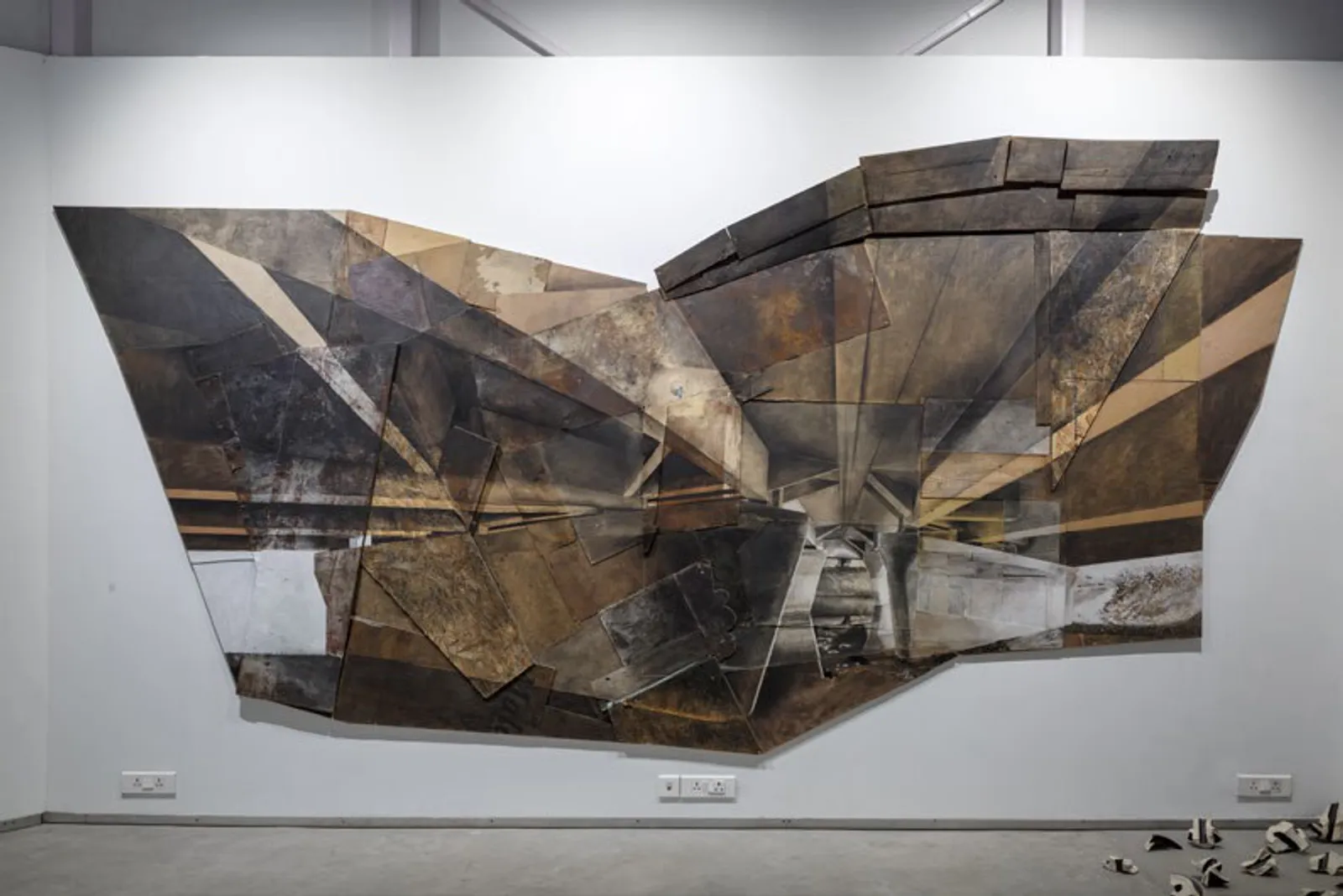
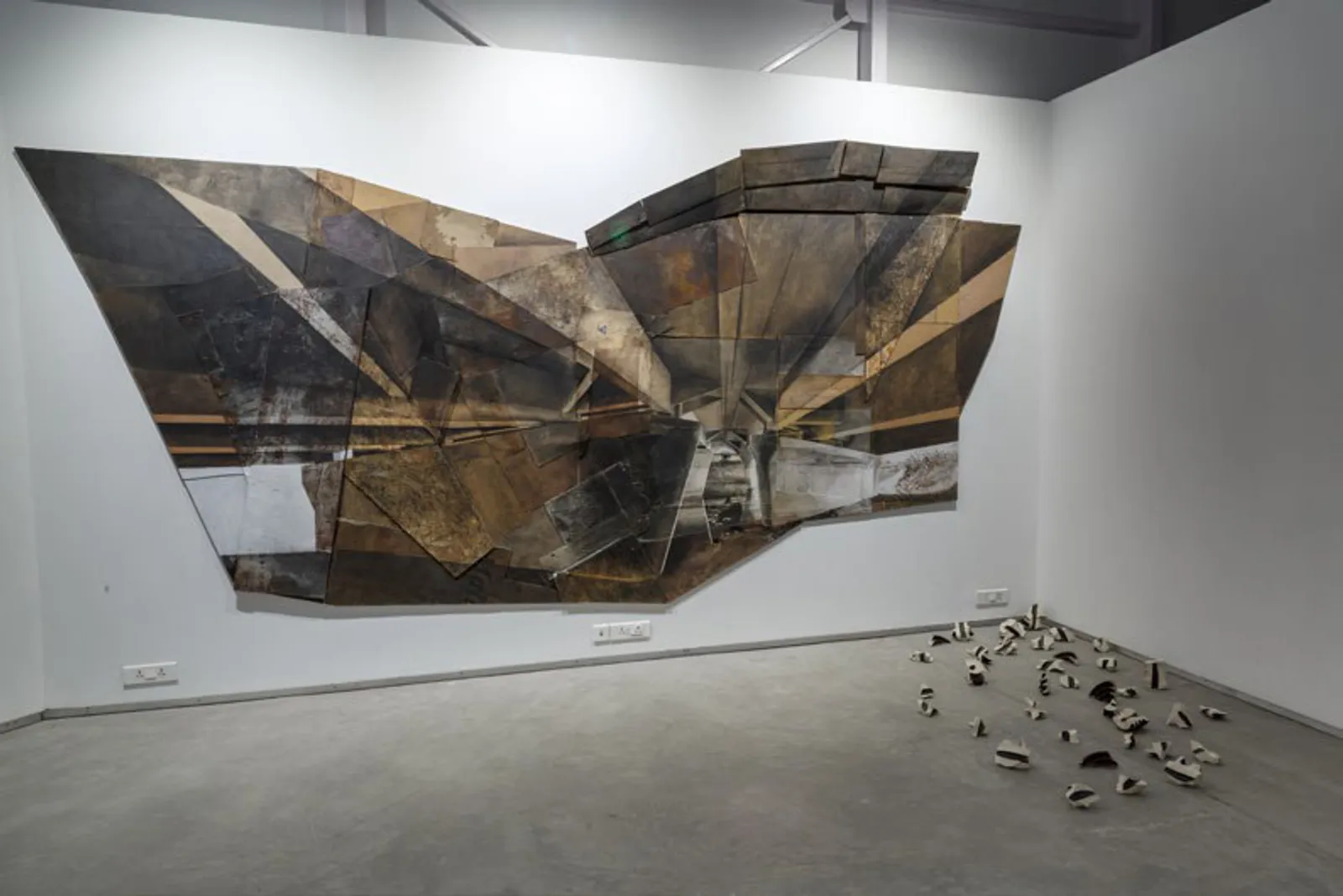
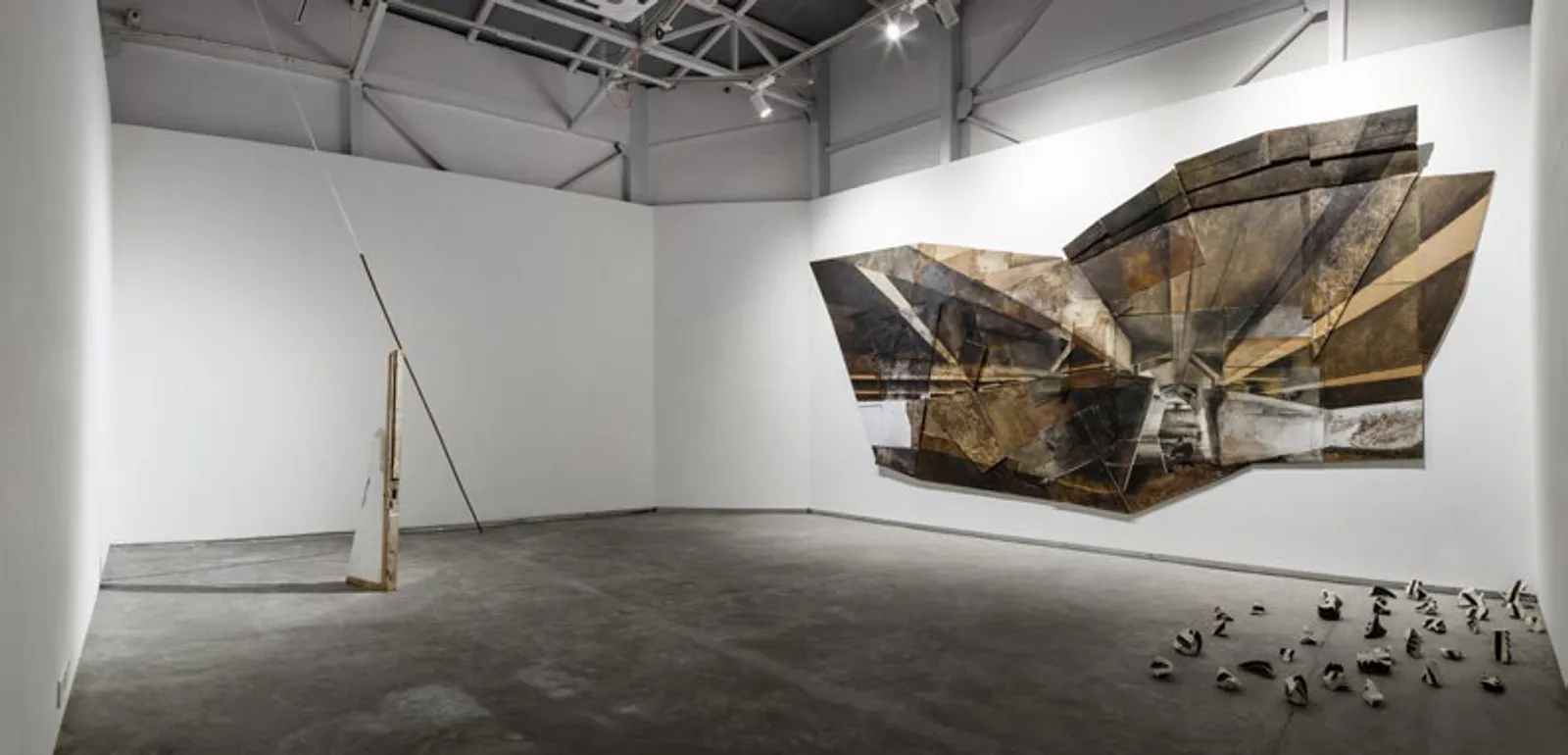
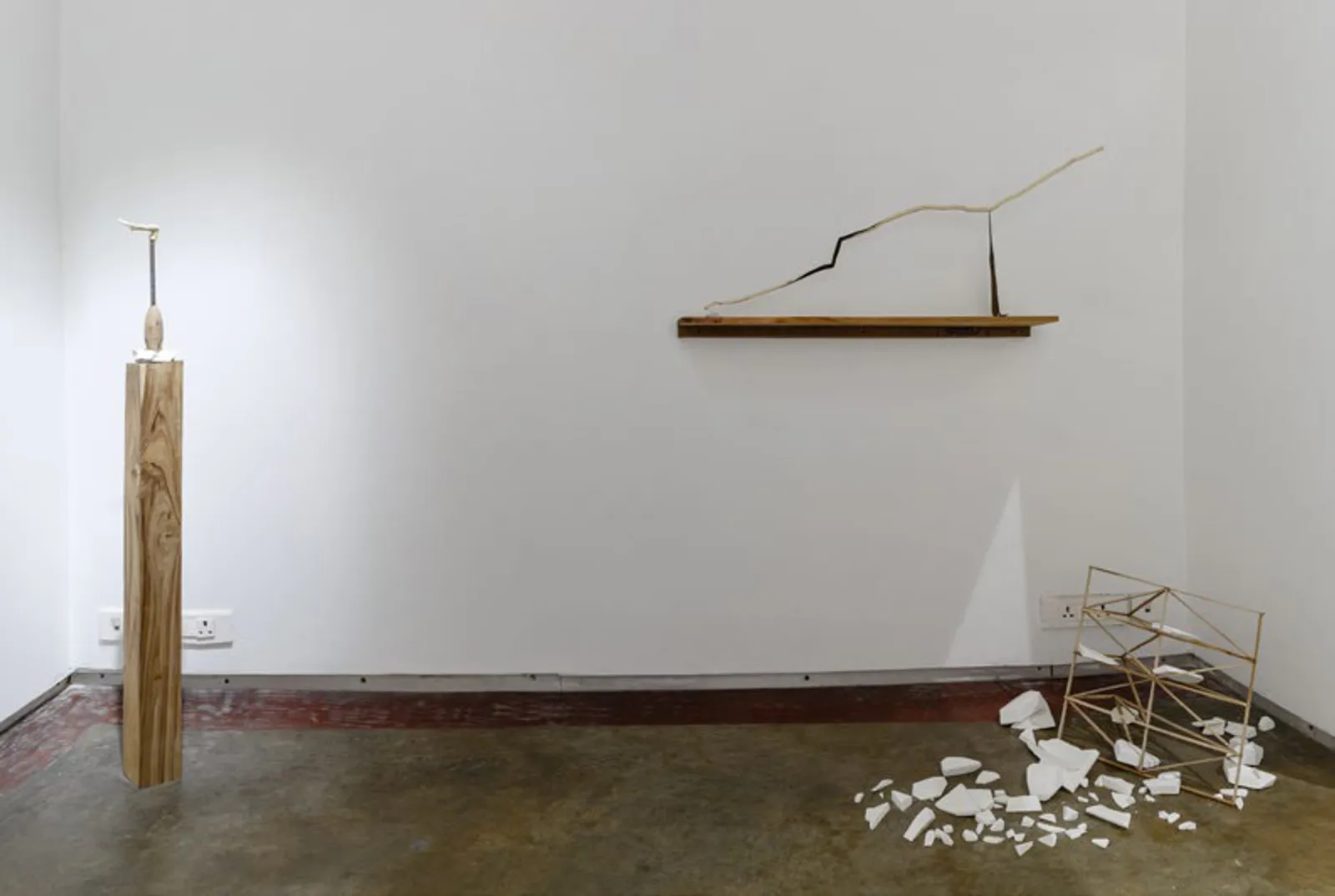
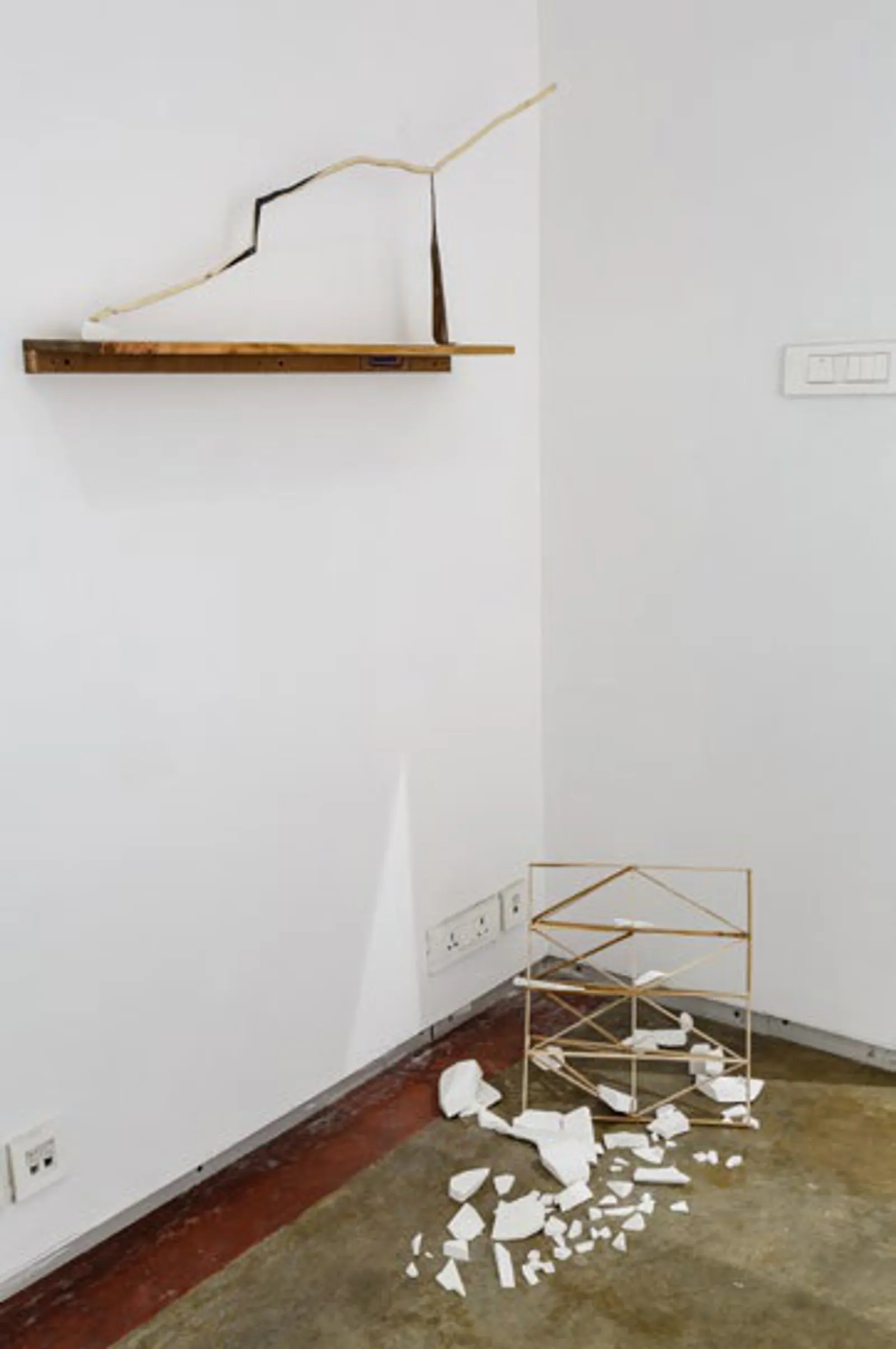
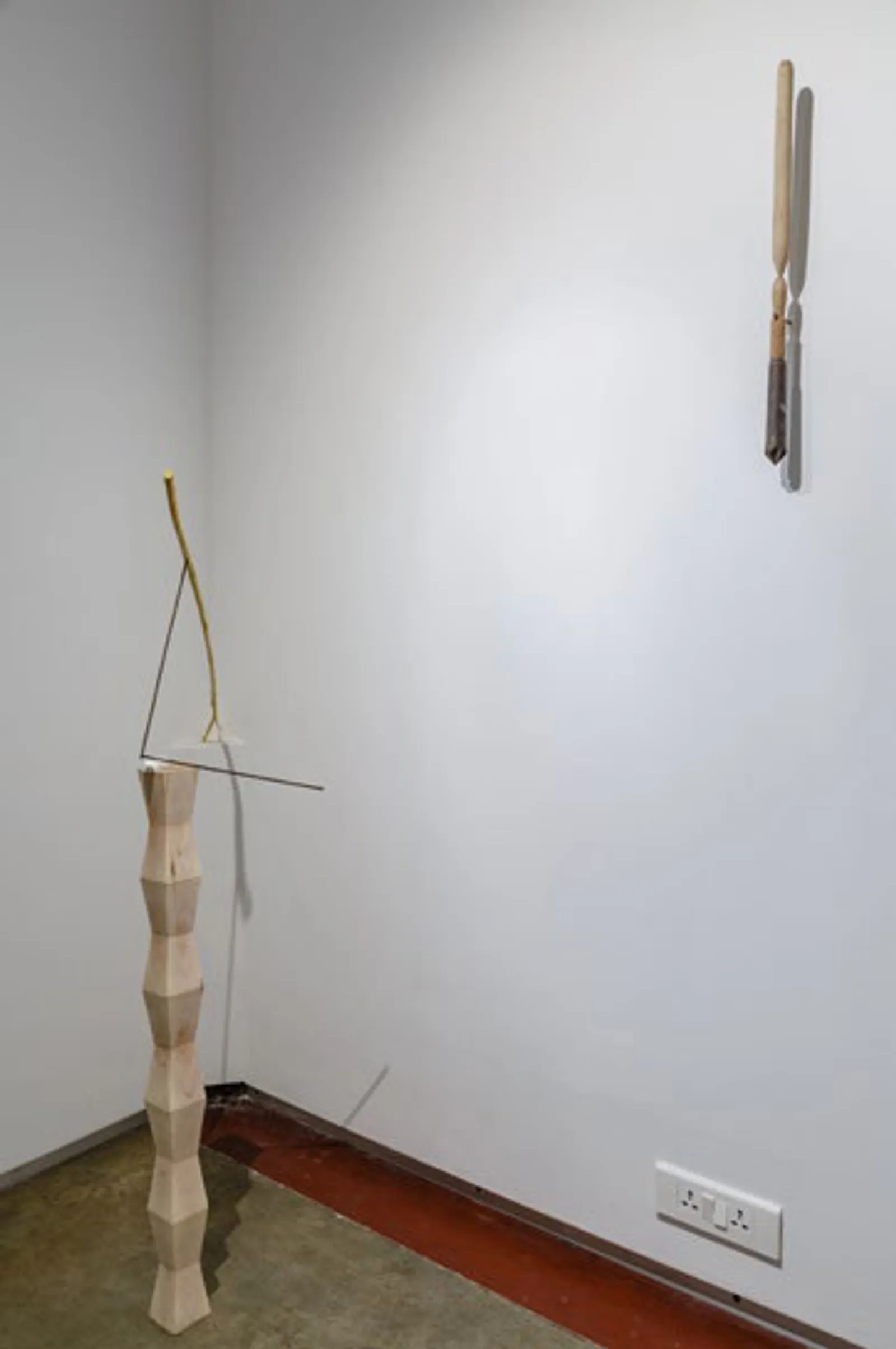
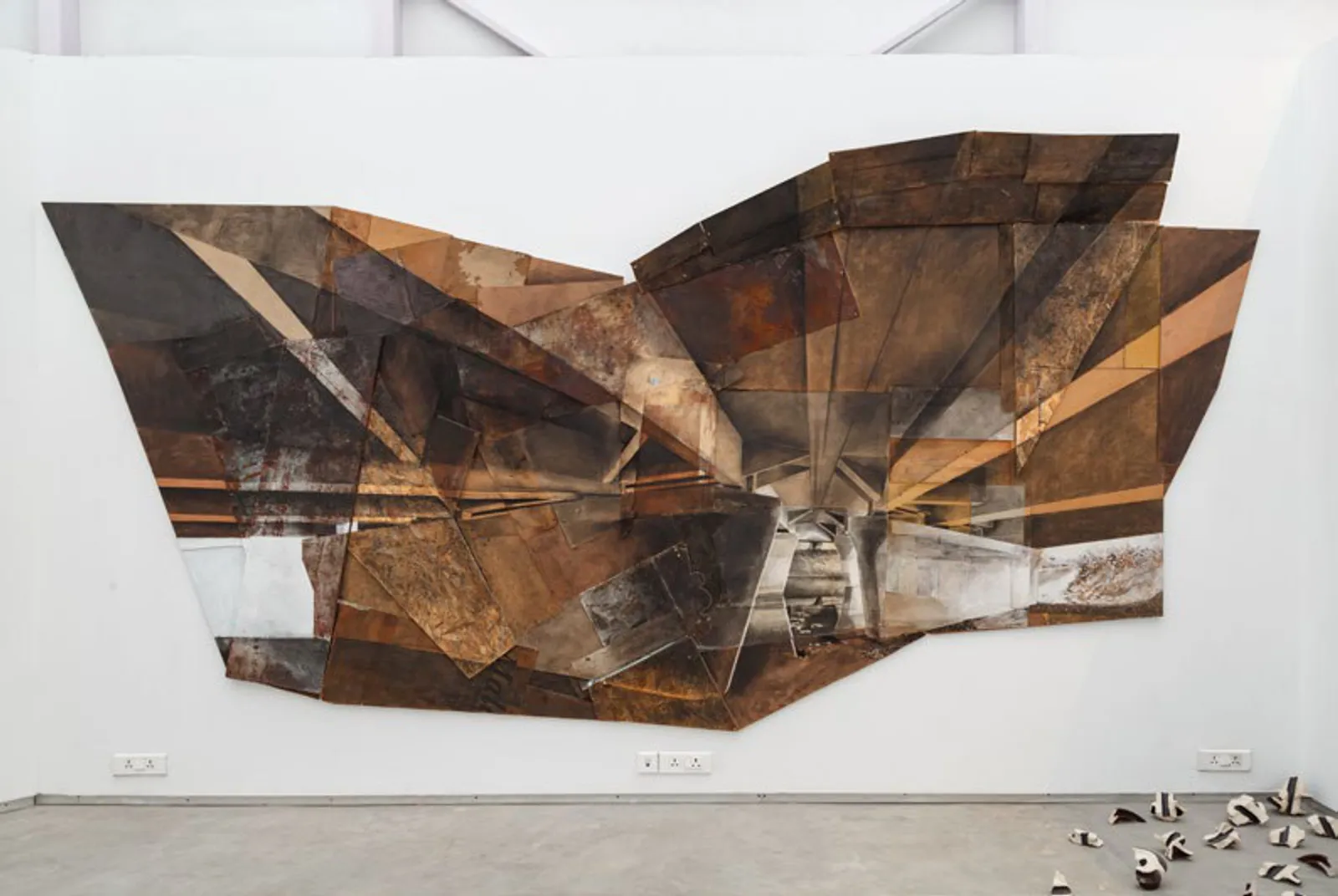
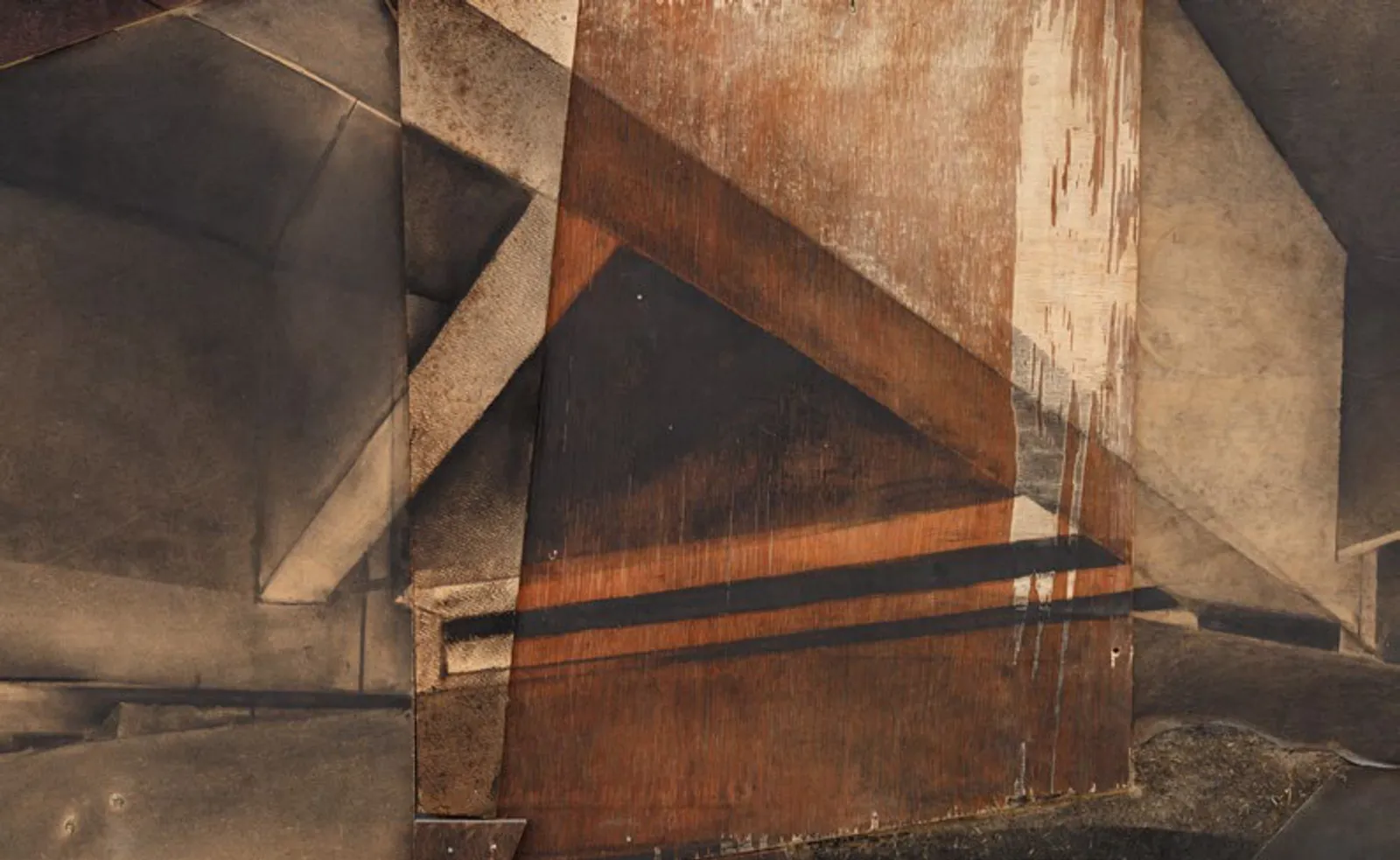
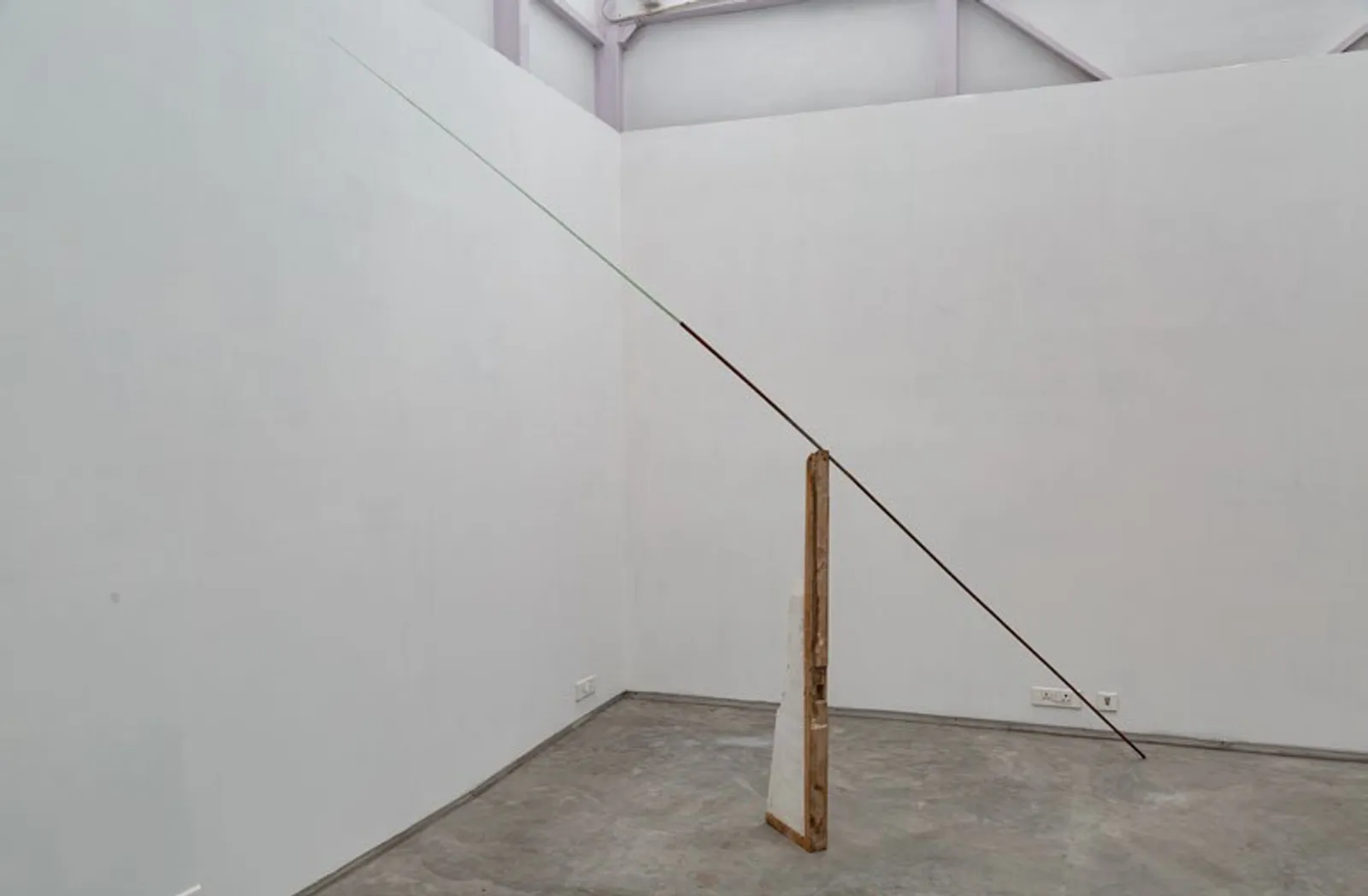
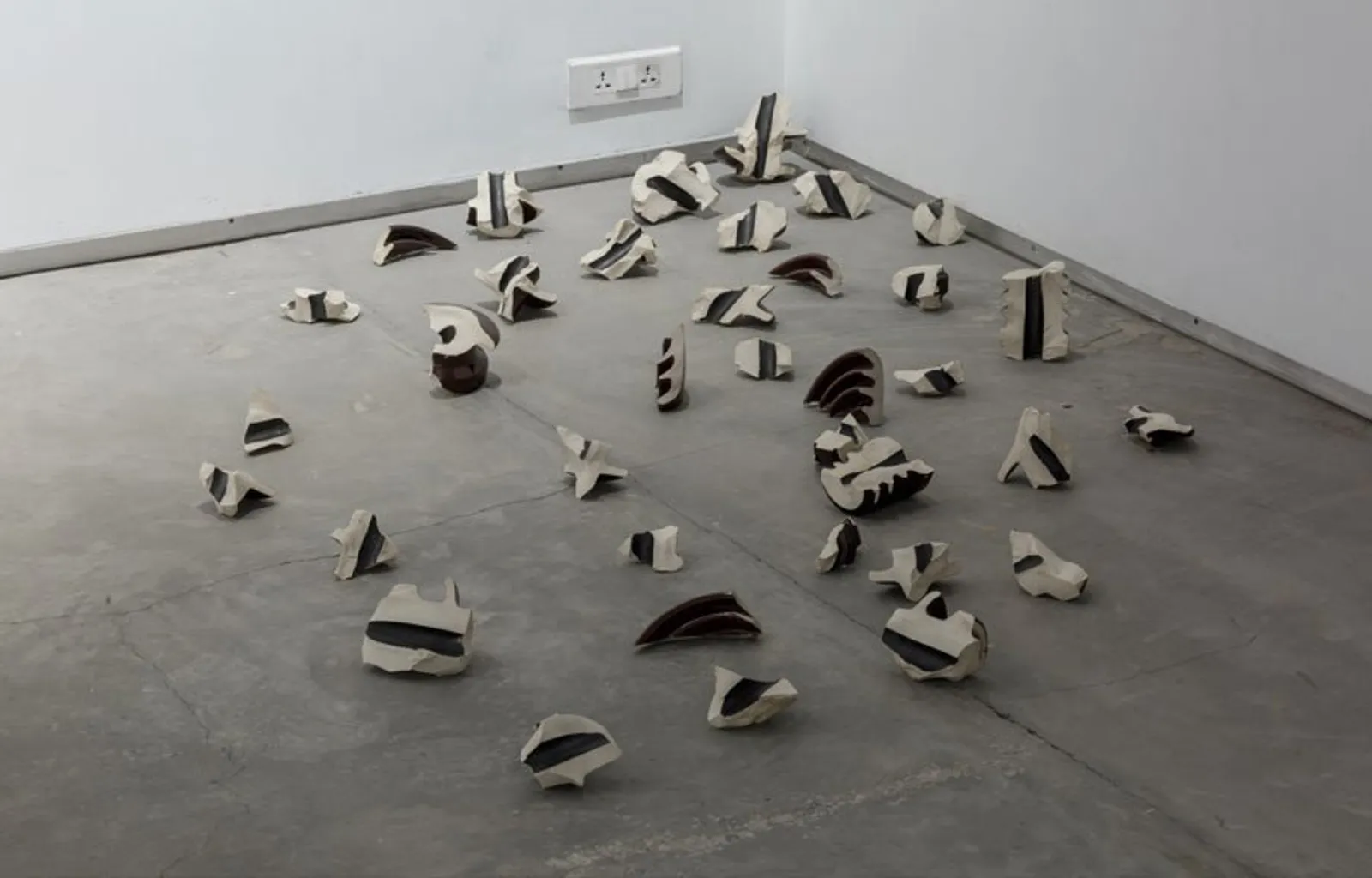
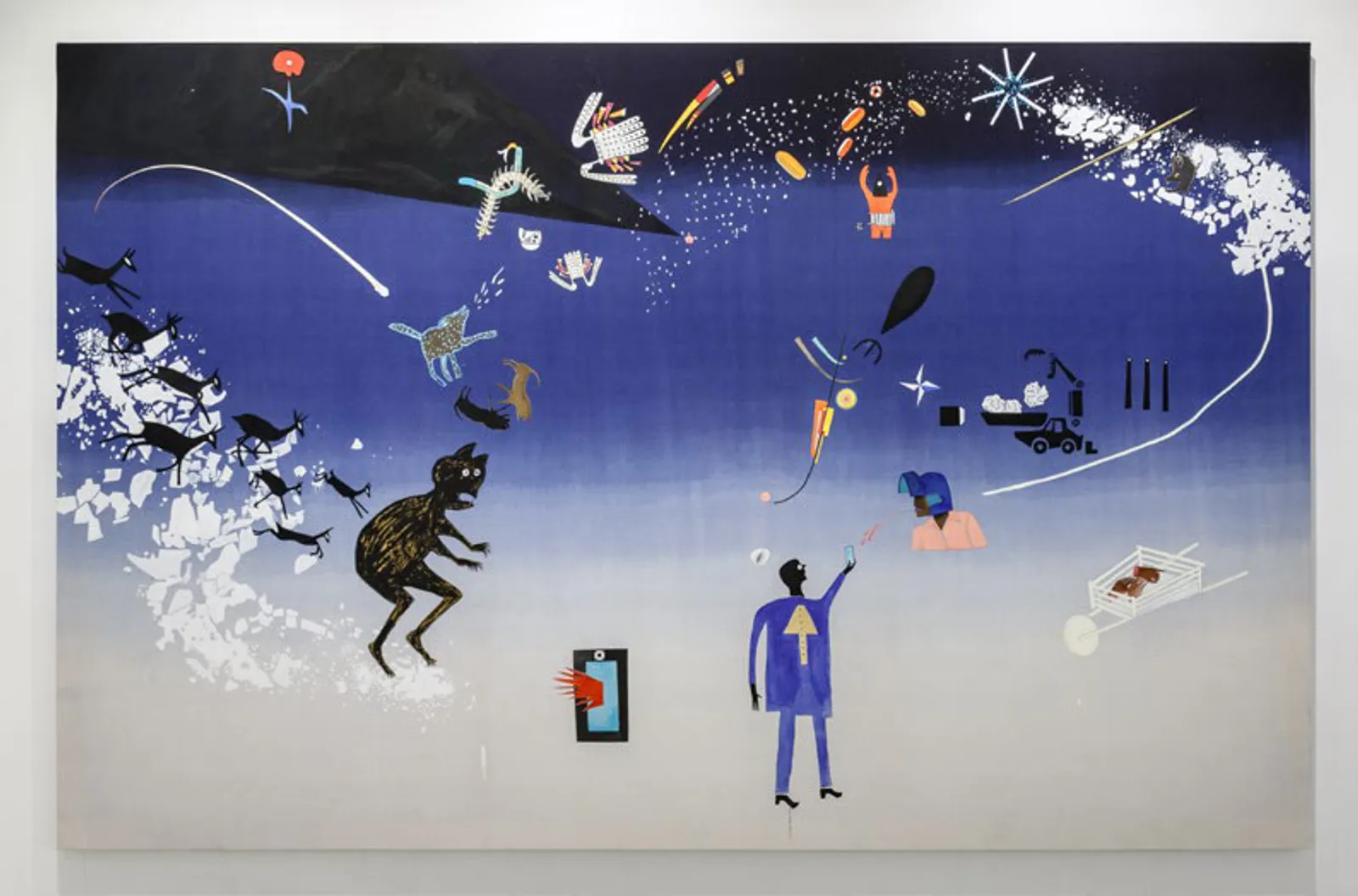
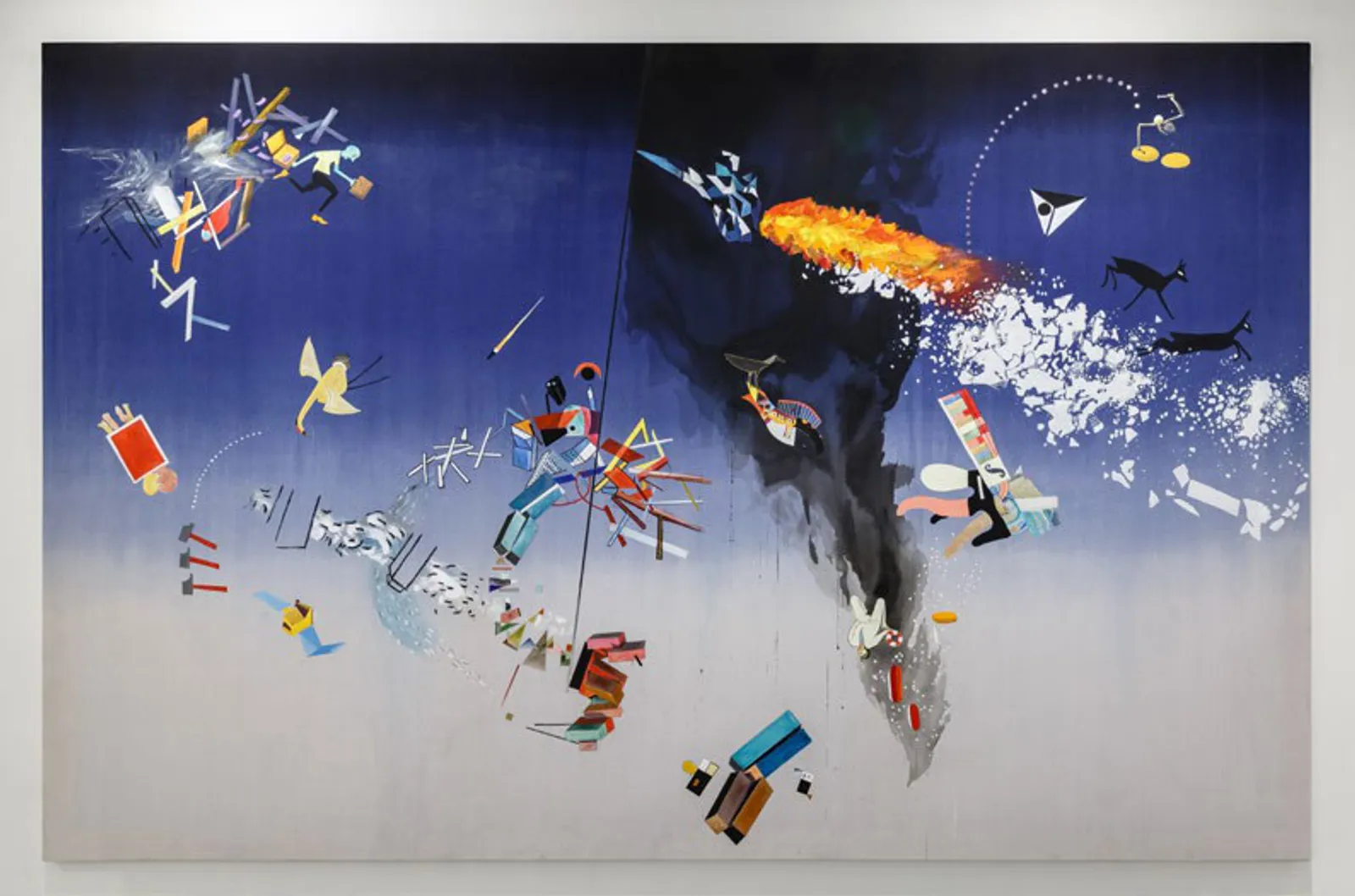
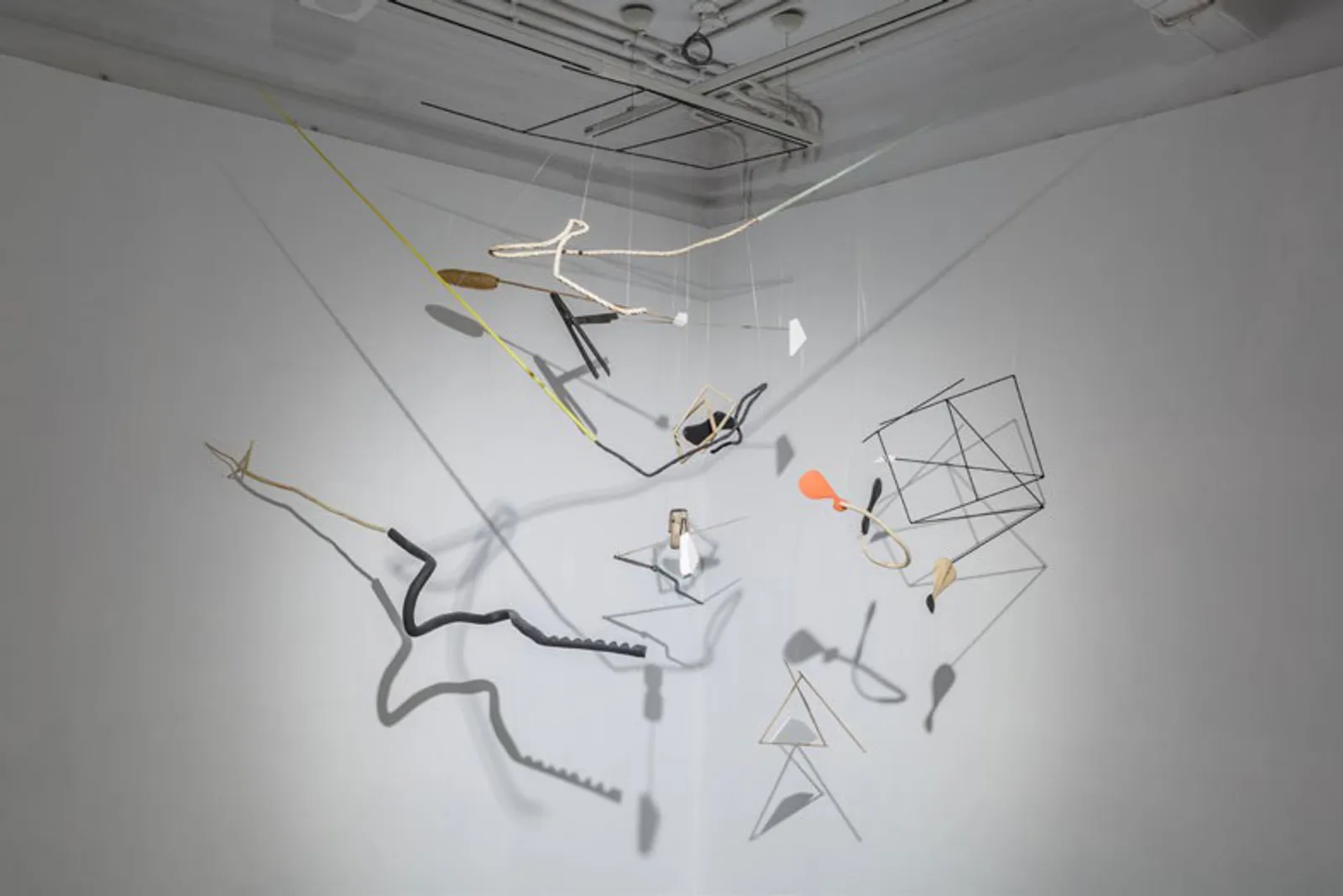
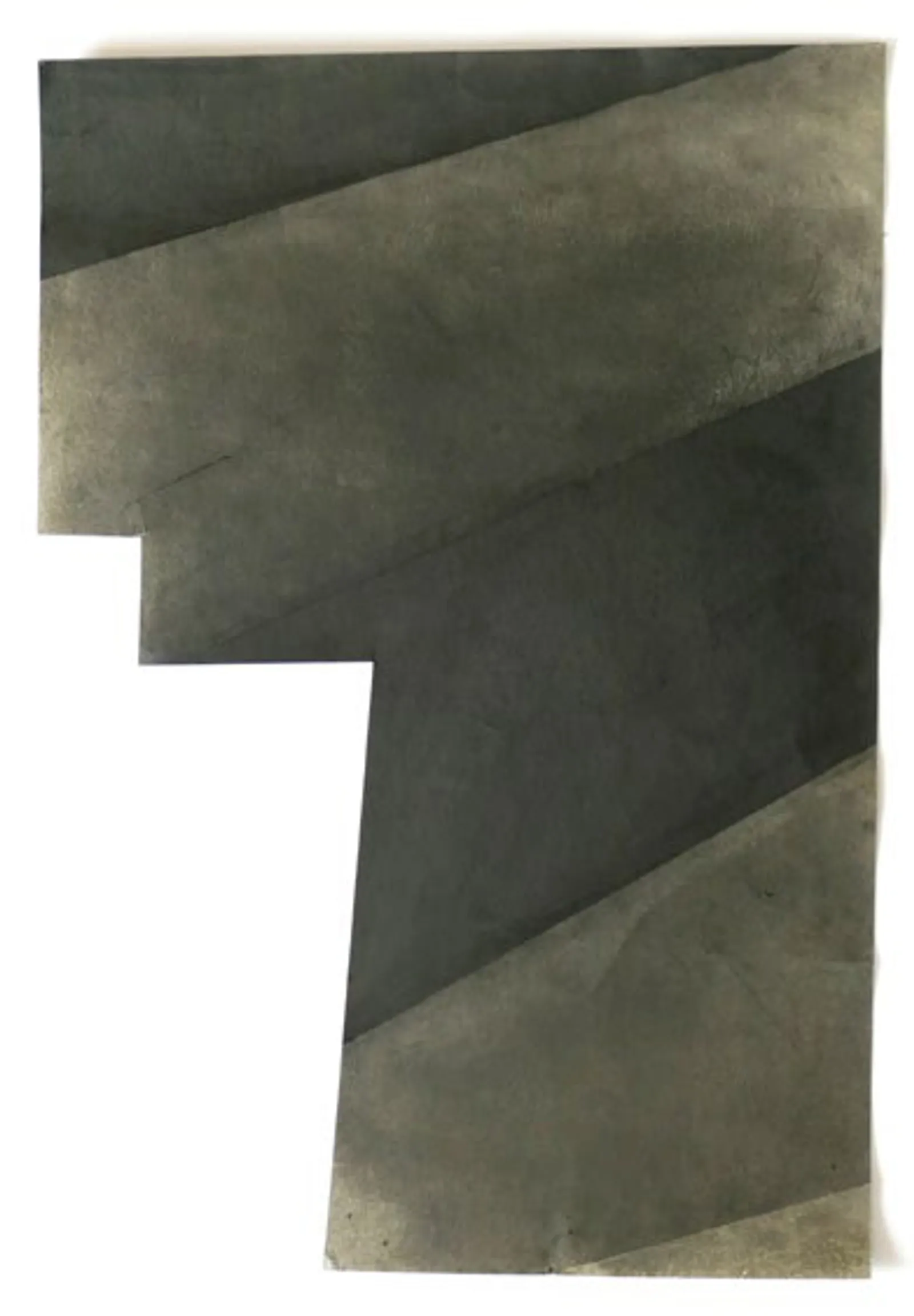
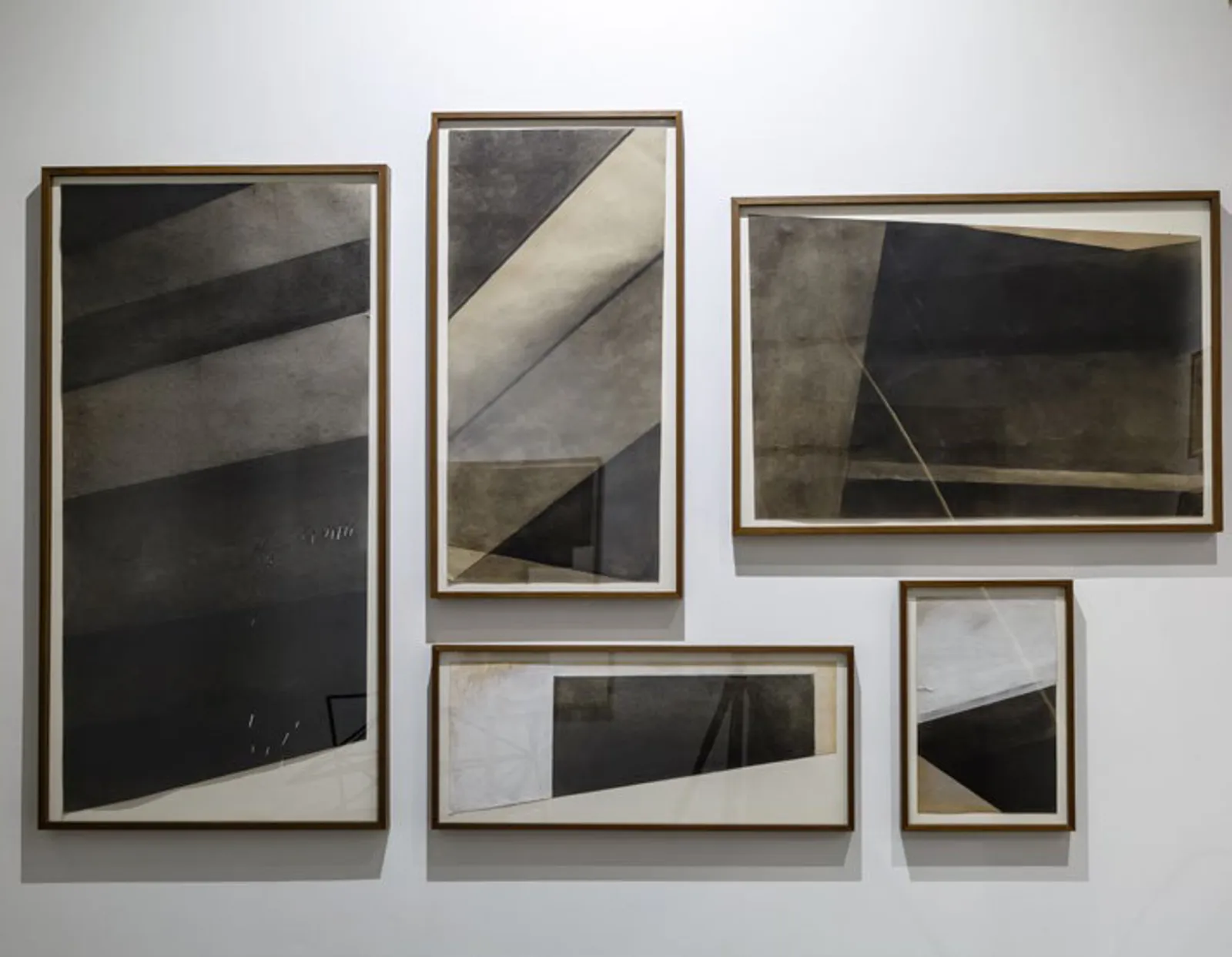
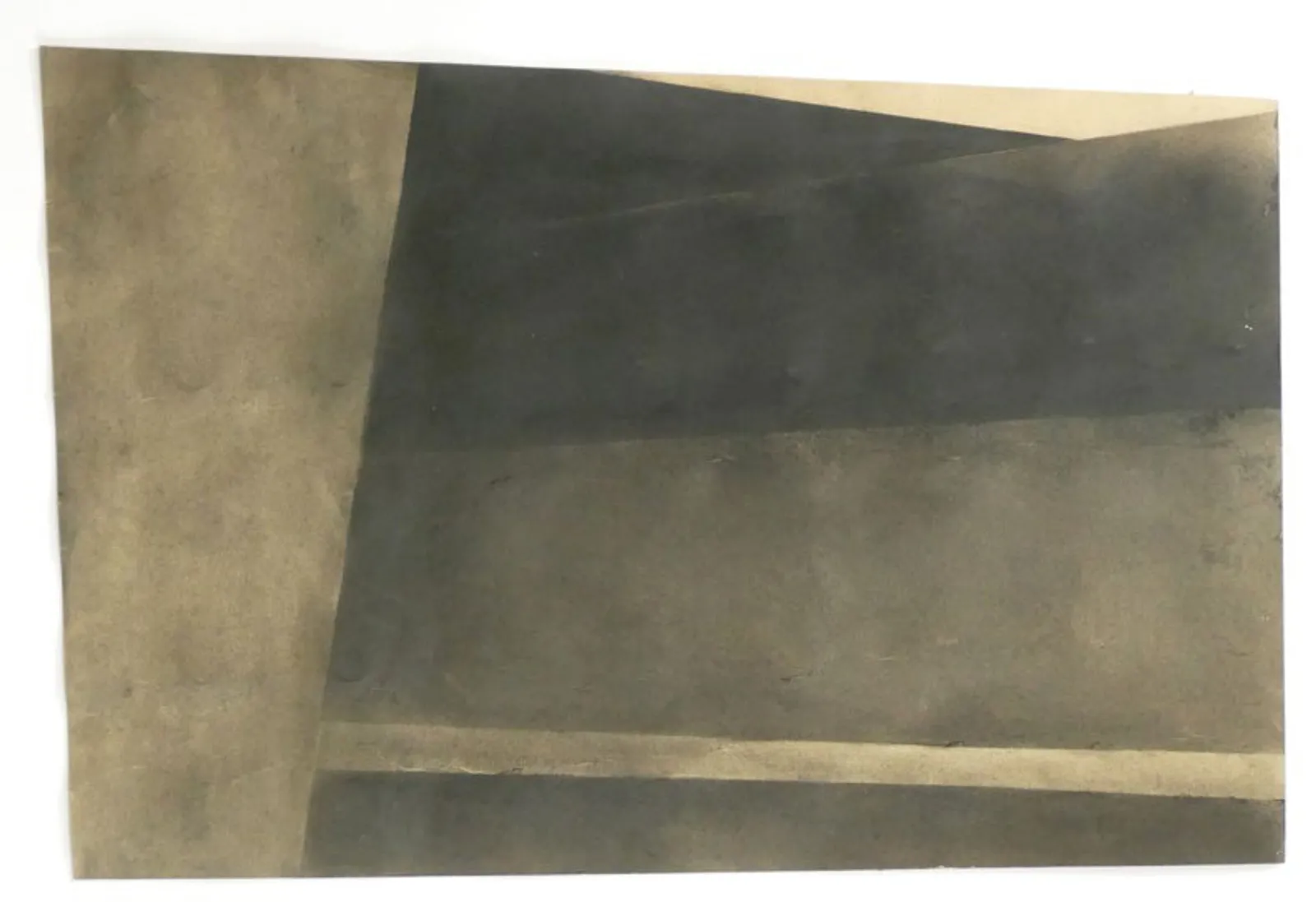
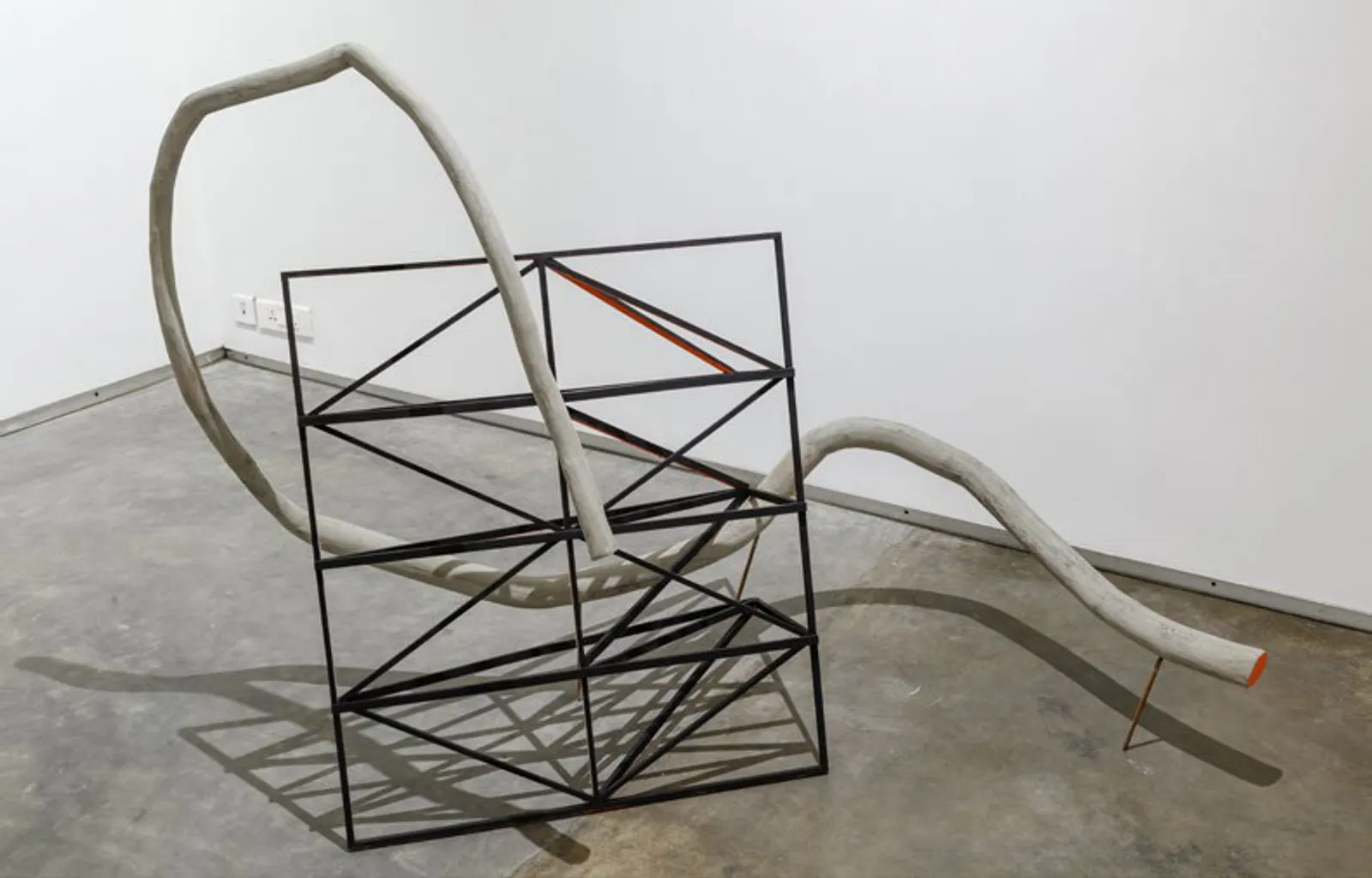
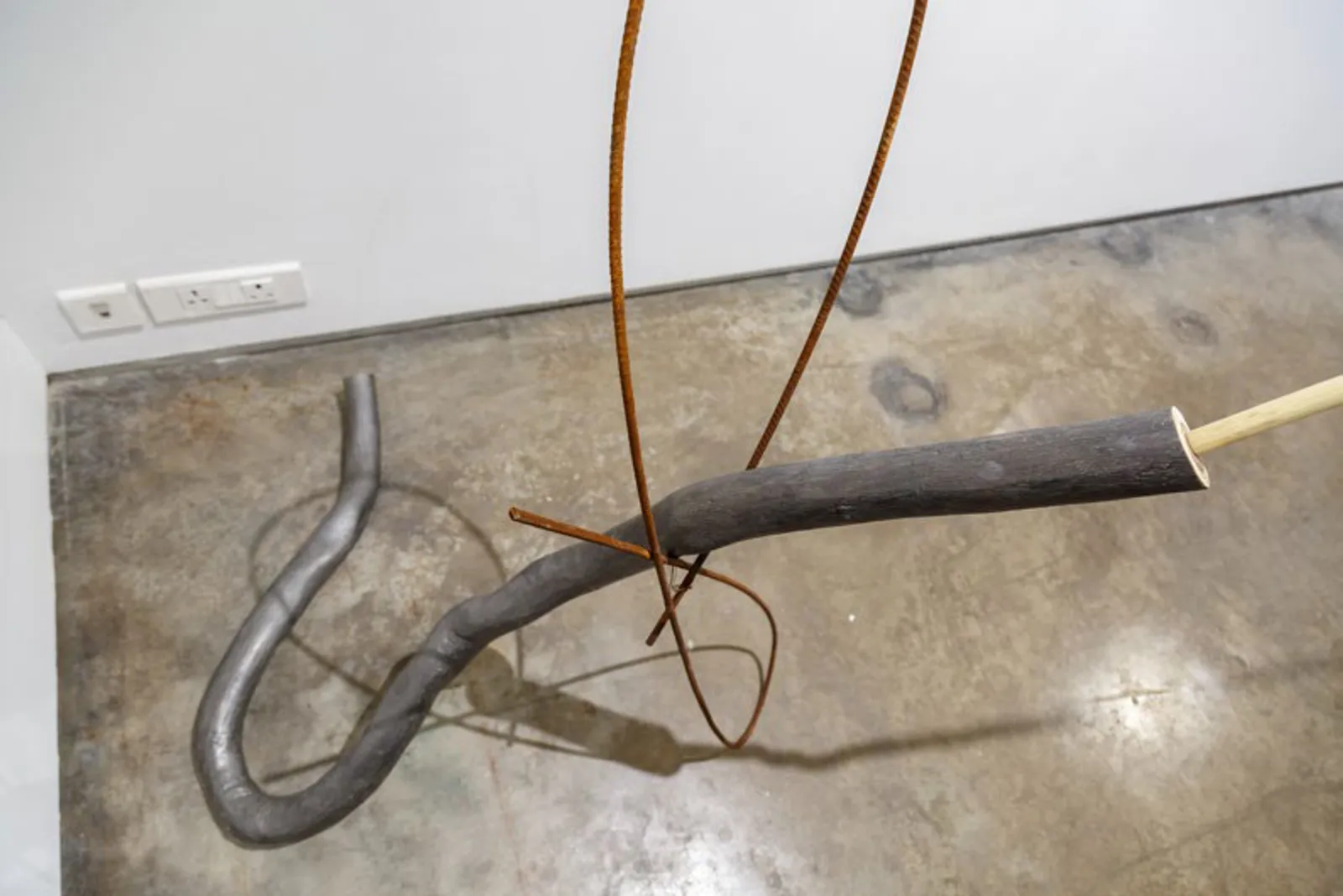
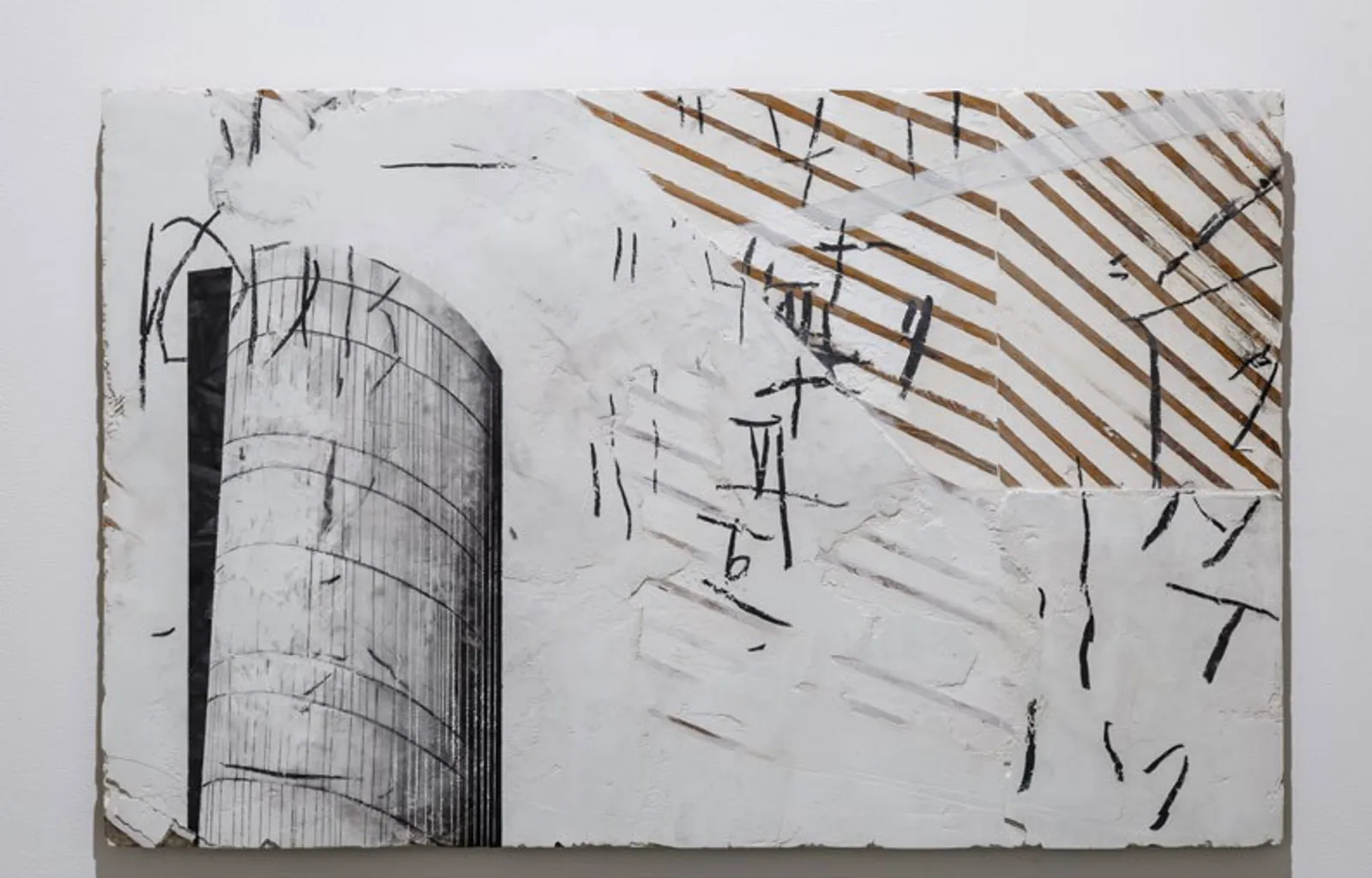
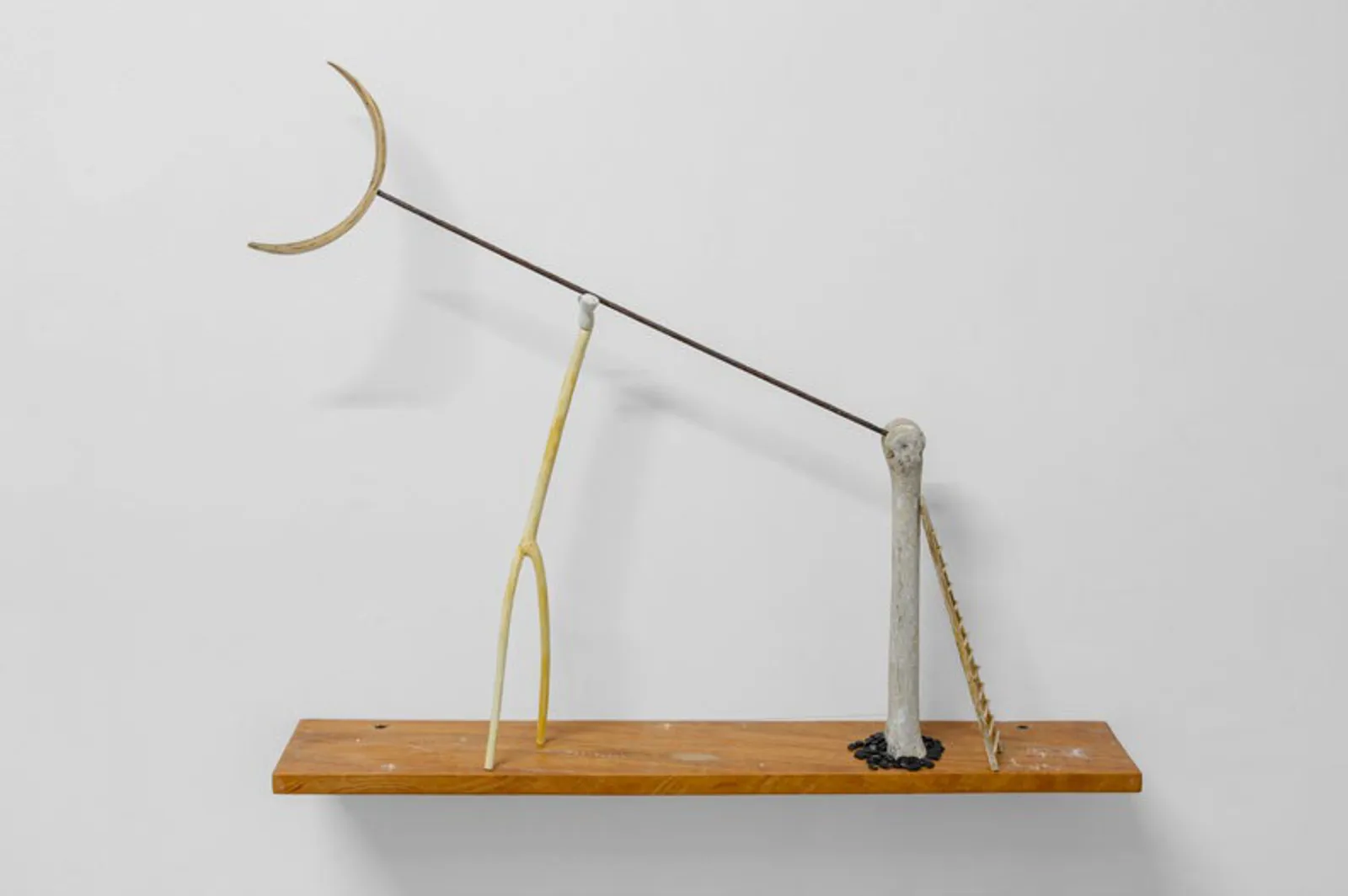
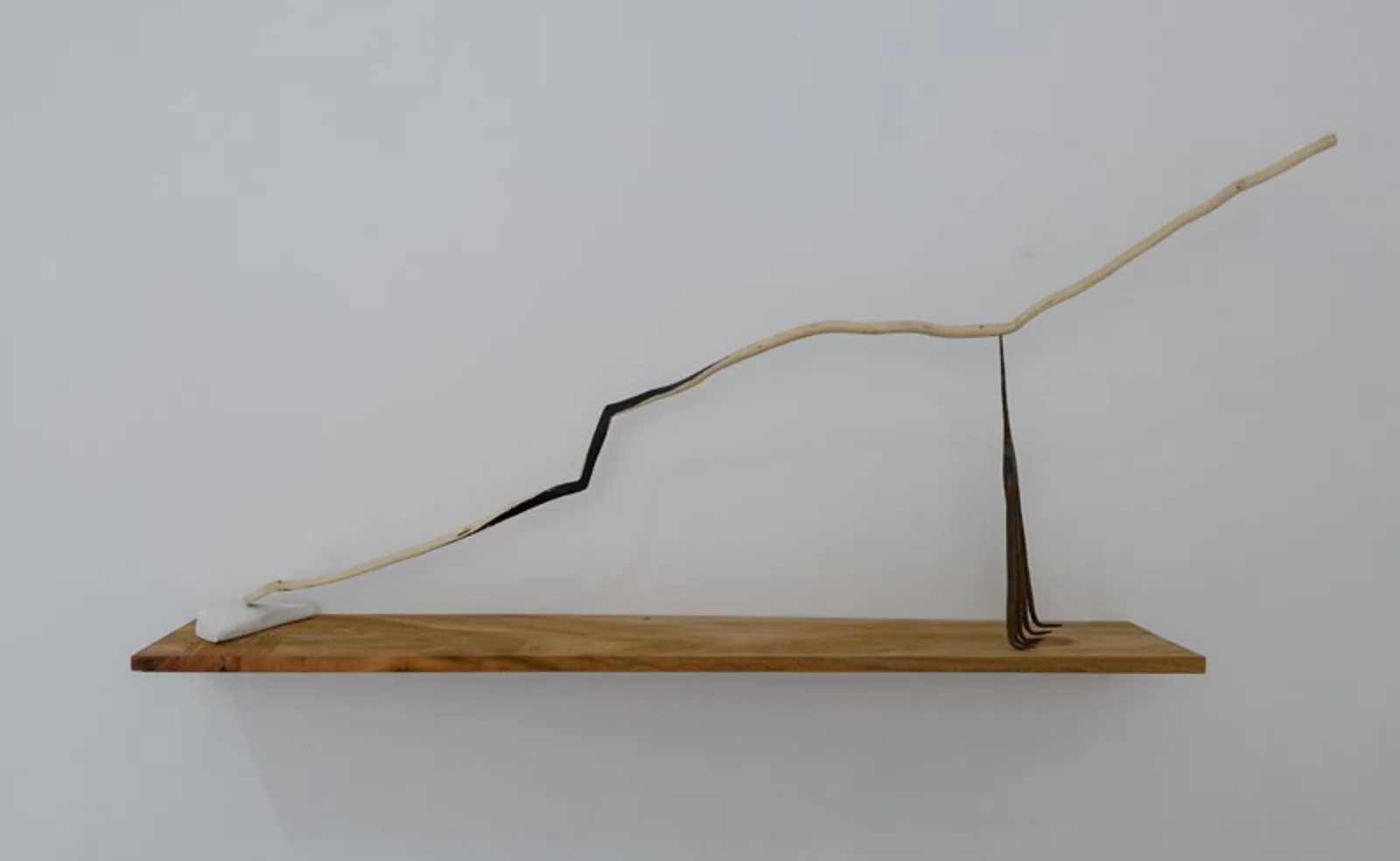
Segard’s close encounters with the city are revealed in an iterative body of sculptures — One Stone, Two Houses, Three Ruins, Four Gravediggers — that punctuate the exhibition. The sculptures appear to stand at the crossroads of opposites and of anachronism, a space where great contradictions can be assembled and articulated, where a fierce instinct for survival and a fragile balance of hope stand together. They refer to his interest in the night, revealing what is hardly visible during the day — a landscape of objects, small constructions and precarious settlements that ingeniously adapt themselves to their immediate surroundings, using a range of materials including wood, bone, plaster, stone and metal. At times, Segard works with the walls of the gallery, directly painting with soot, creating a hazy apocalyptic backdrop for his ongoing body of works on paper, Divide Construct Deconstruct, in the shadows of the brutalist forms in the built urban environment. A continuation of this interest is found in a large work, Najafgarh, using found and discarded materials from scavenging the city, creating a fragmented, dystopic landscape that is at once overwhelming and engulfing in its presence yet distancing in its cold and barren architecture. A series of three paintings — Hexane, Heptane and Octane, named after three complex petroleum chemicals — throws light on the perilous and volatile nature of his surroundings, juxtaposing figures and animal motifs in a surreal abstraction of landscape painting.
A Second Coming is a fleeting glance into Segard’s transient, haphazard and disruptive world — an intuitive interpretation of what he sees around him, flirting with chance and play, allowing a sideways view into our own environment.
Two texts on the exhibition: Indranjan Banerjee’s The Many Noises of Catastrophe, on the godless apocalypse the work anticipates, and Priyanka Tagore’s review for Art&Deal.
Documentation