Work
Chouf
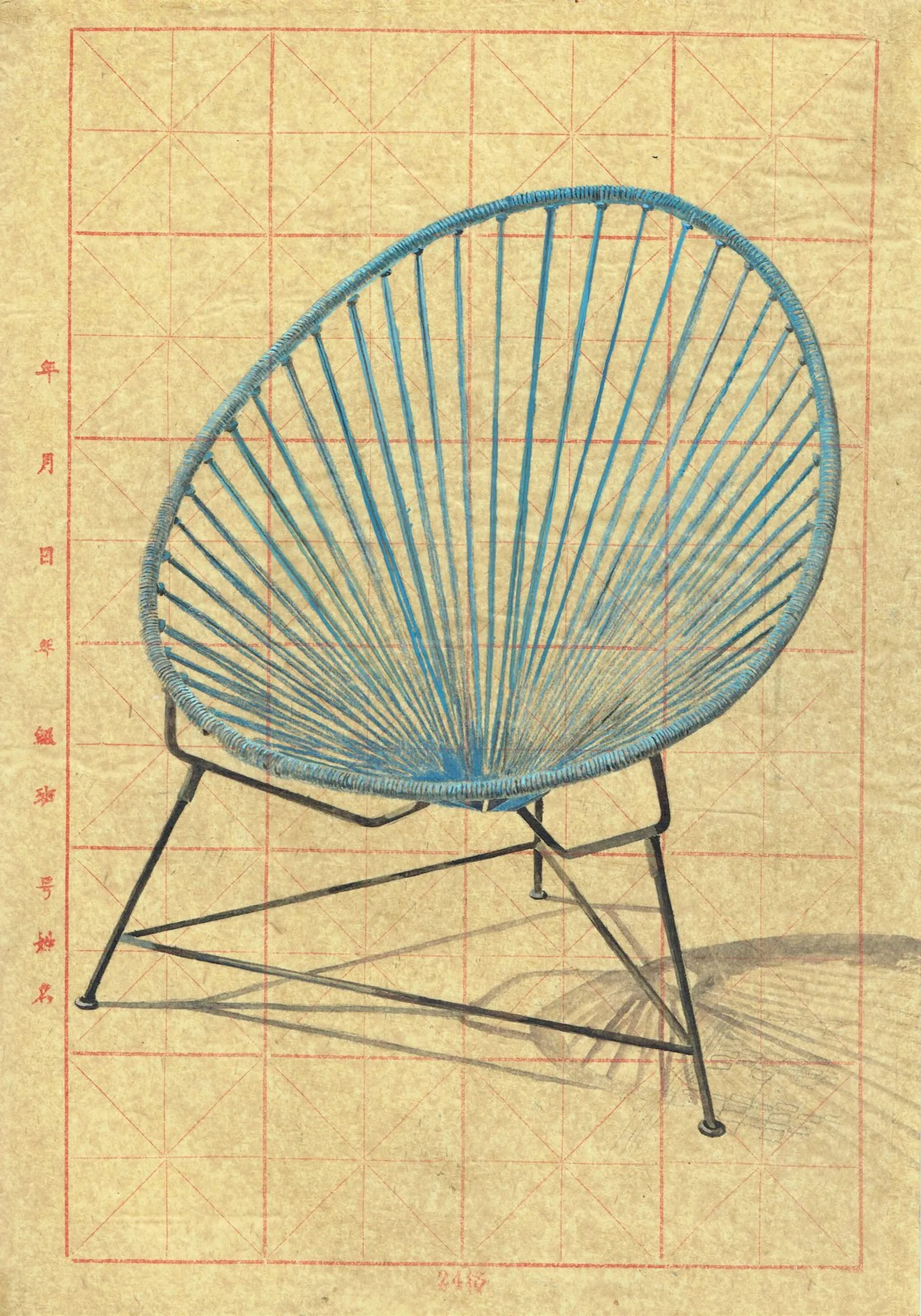
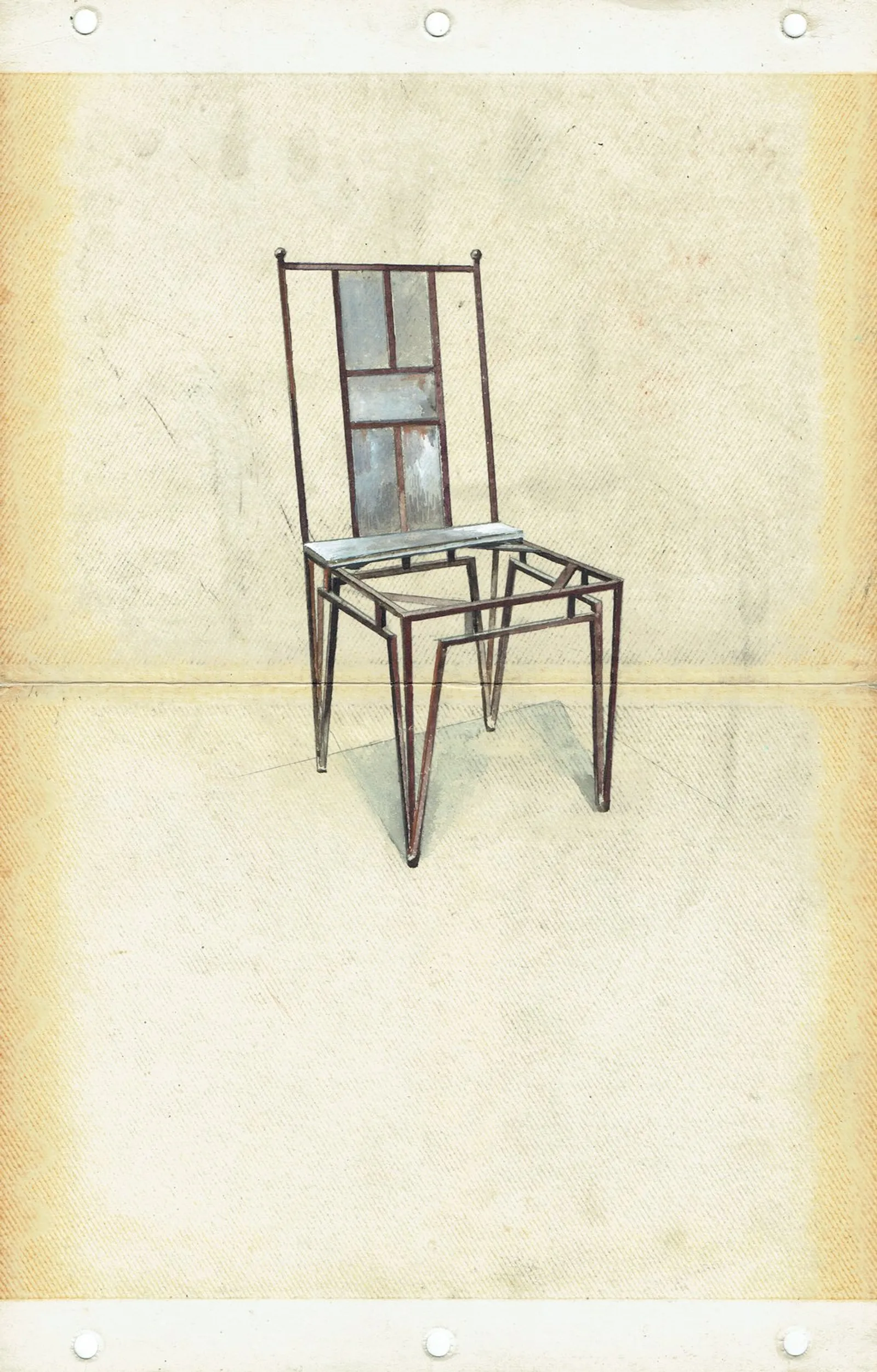
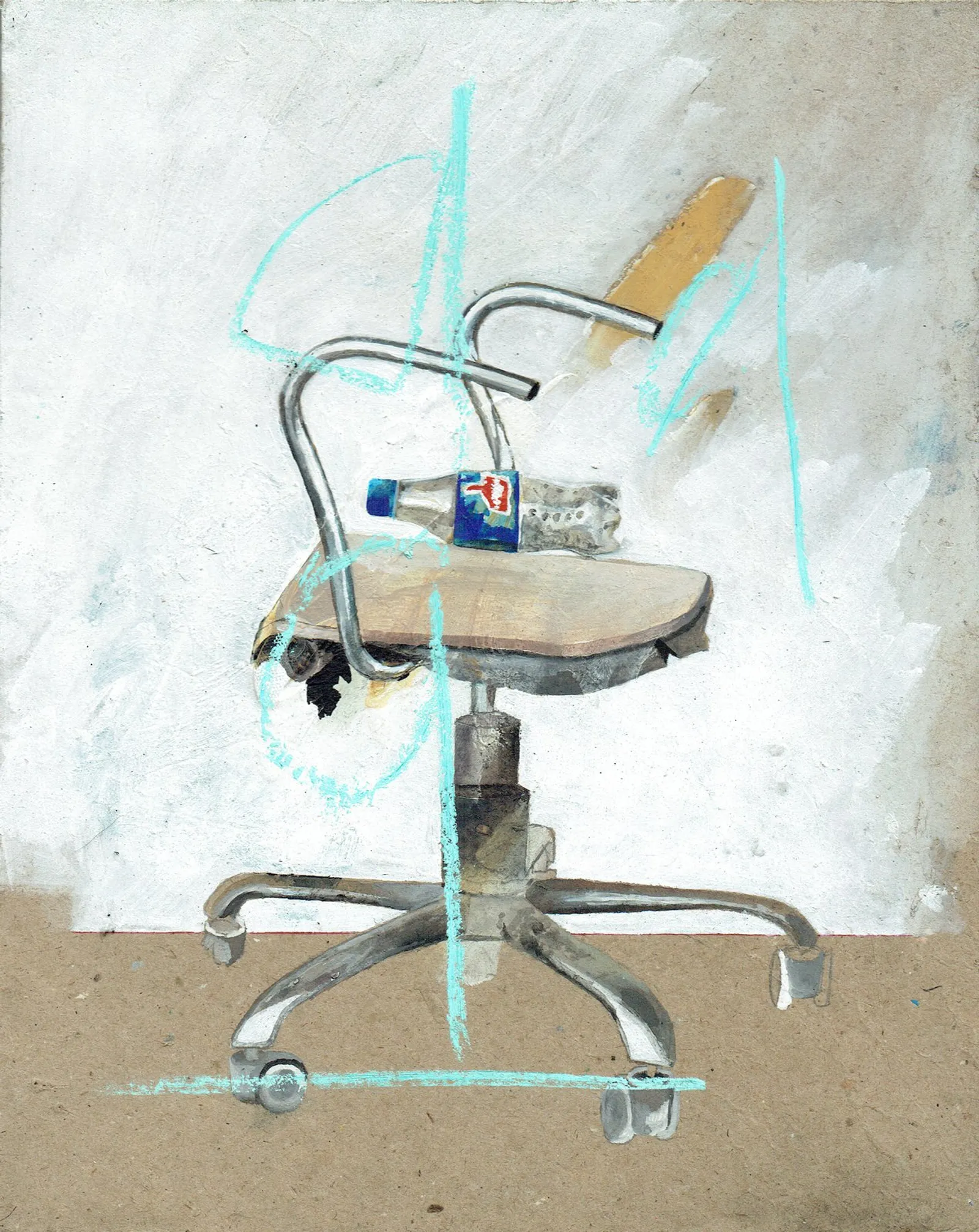
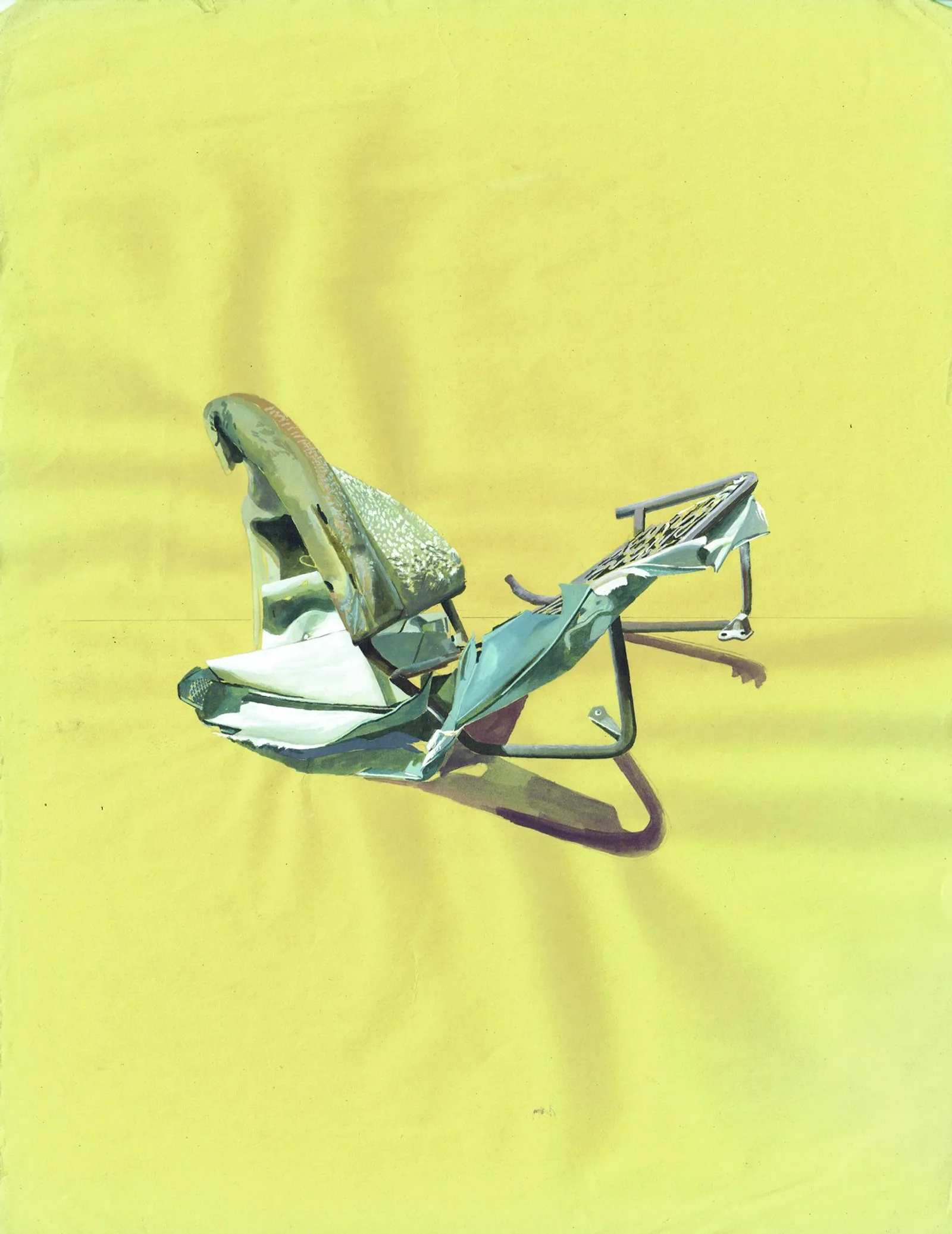
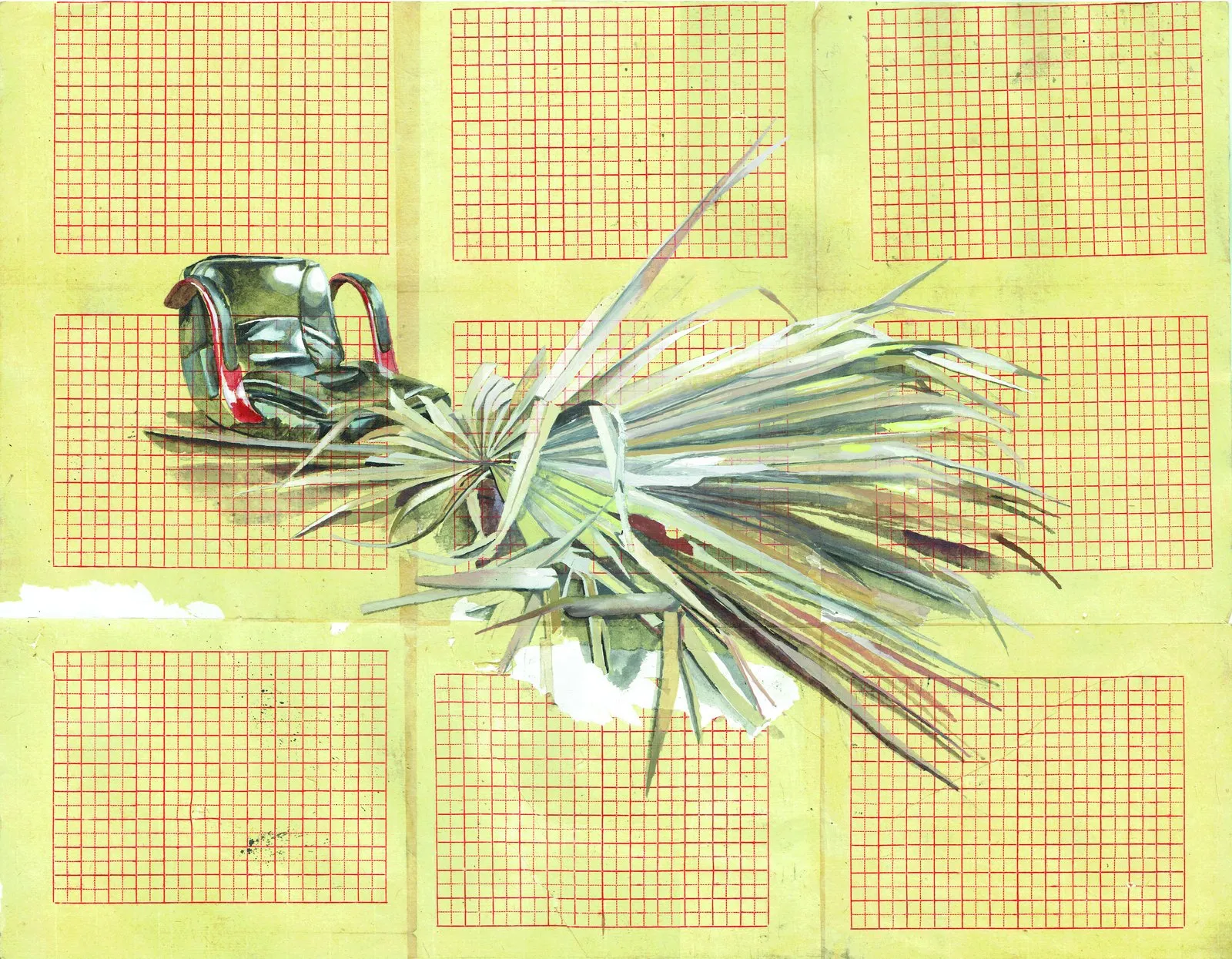
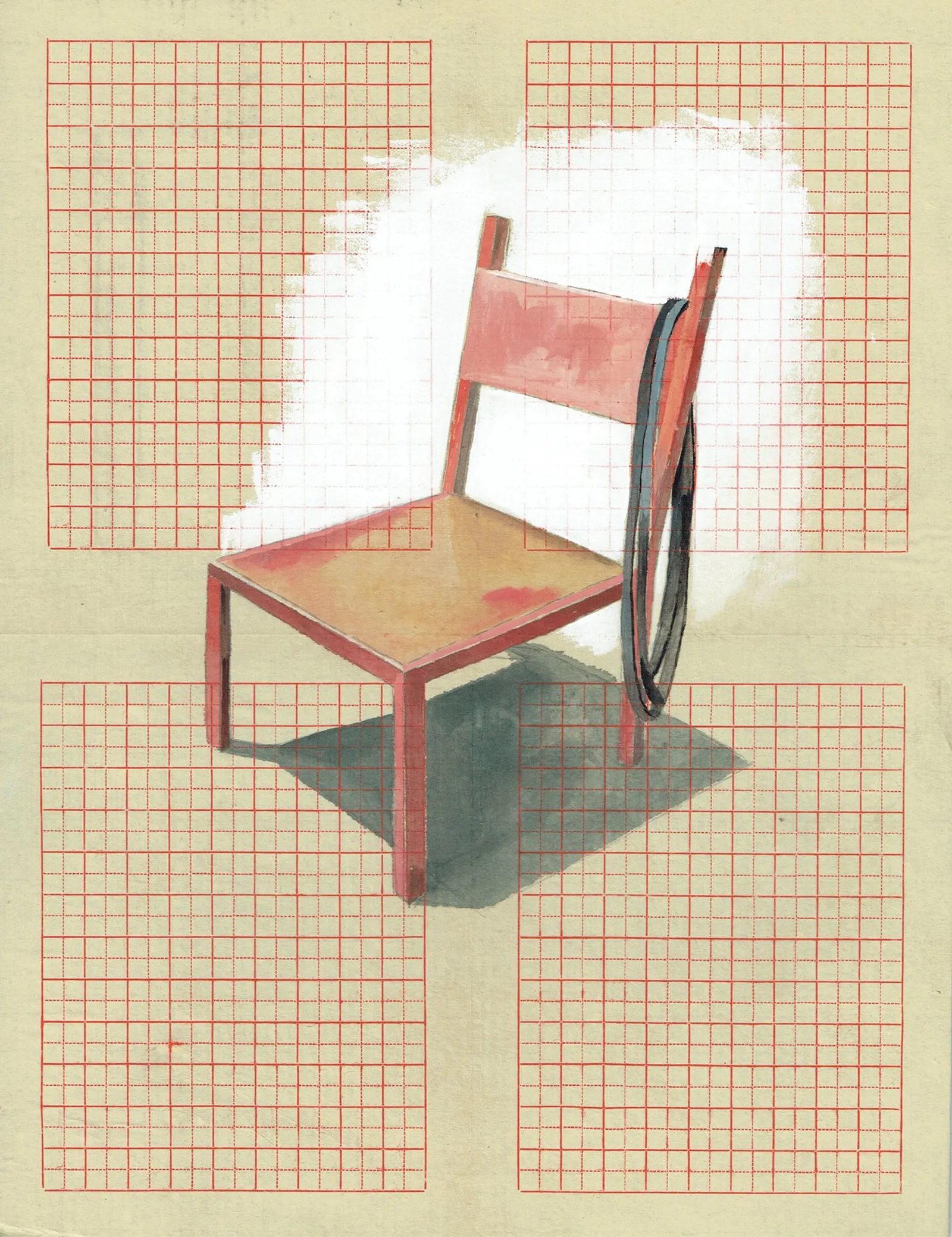
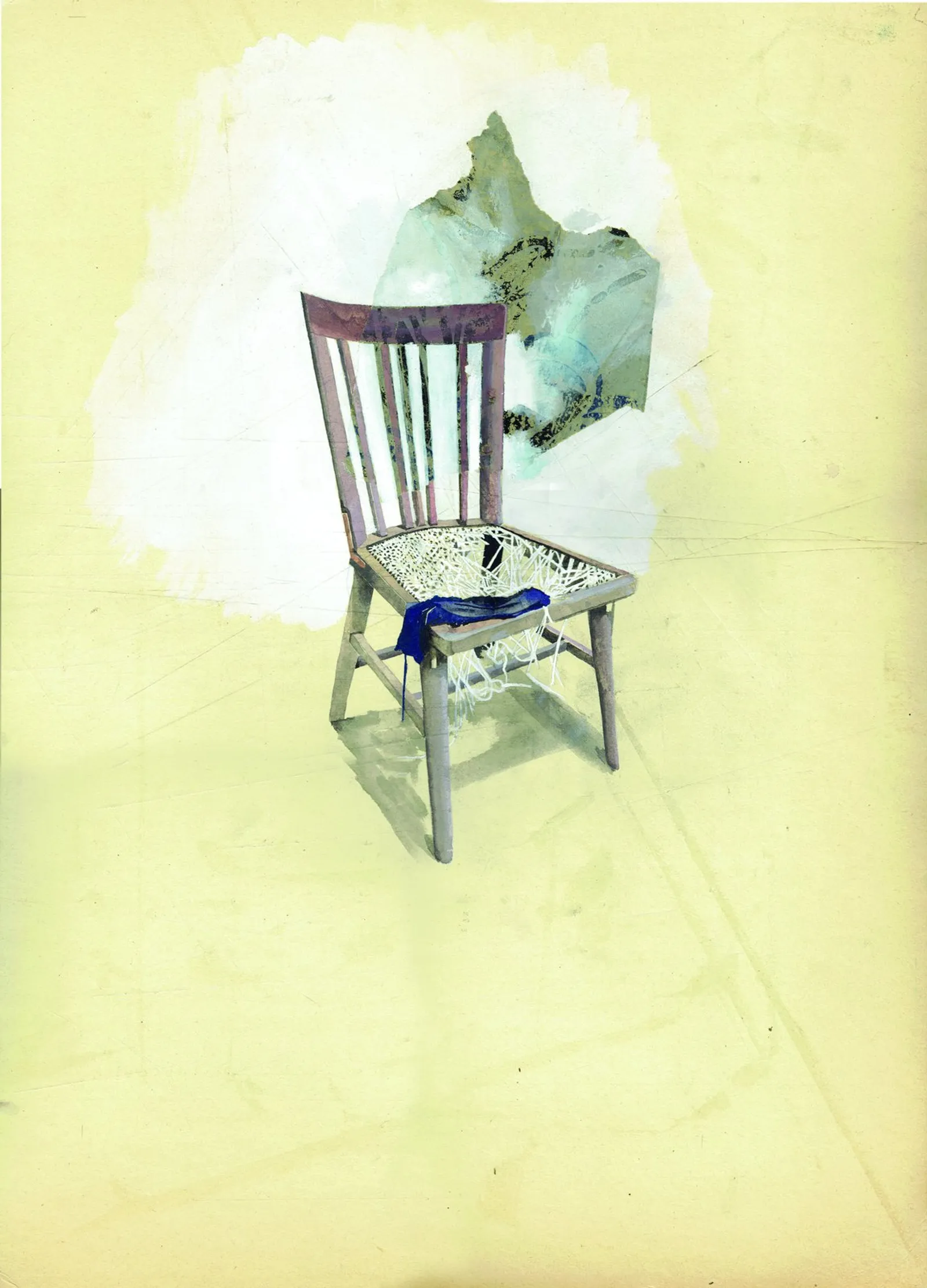
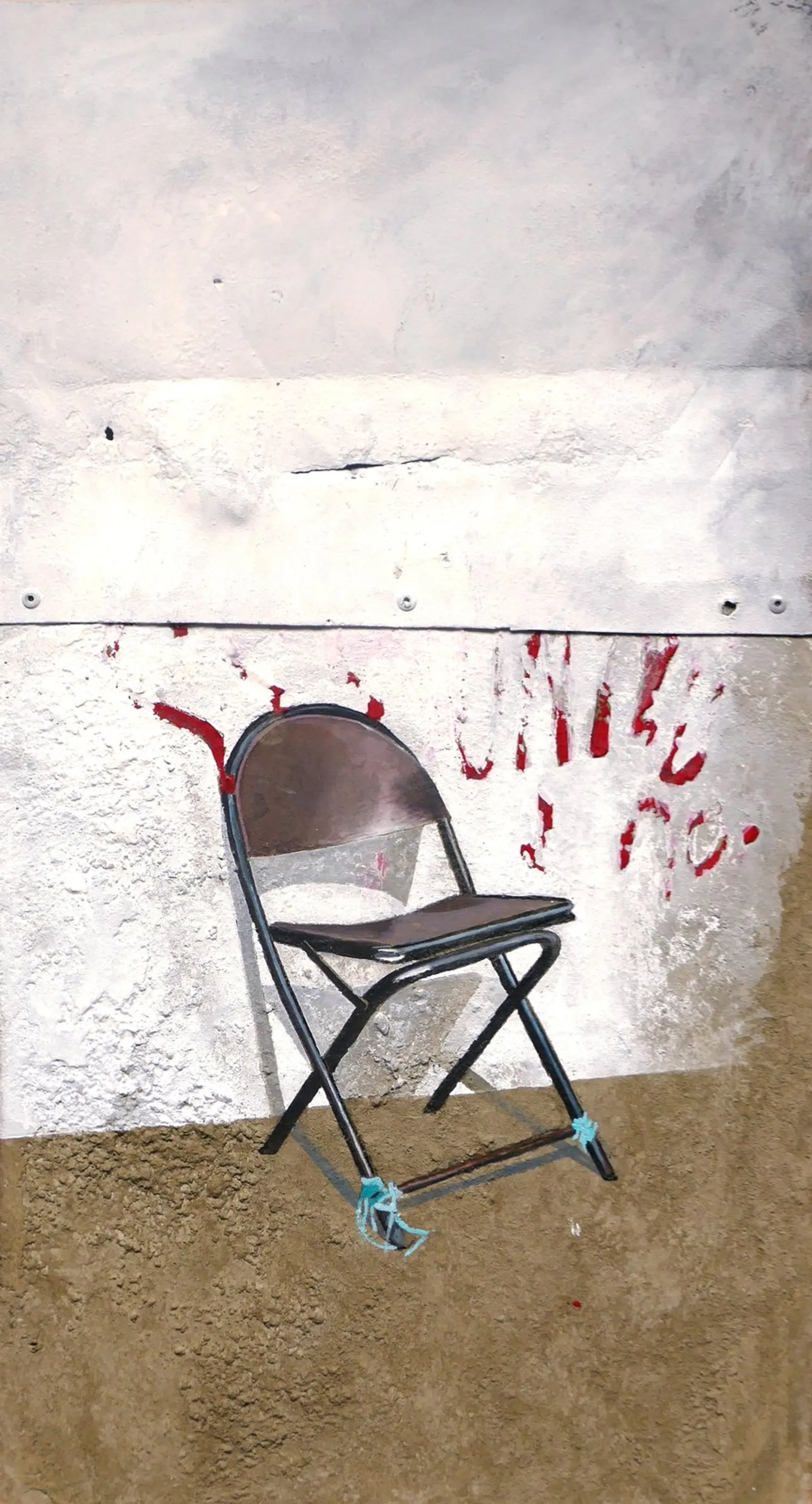
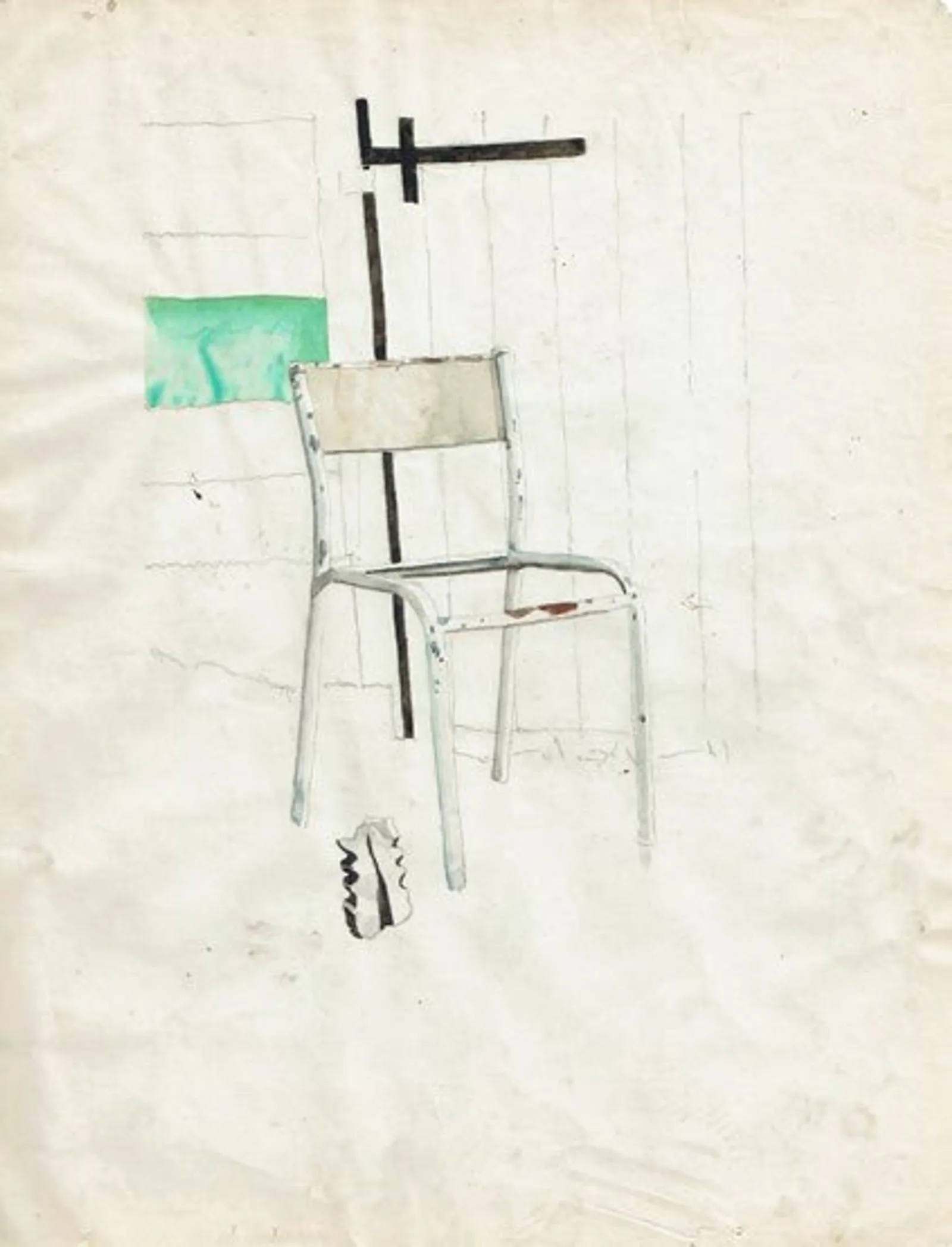
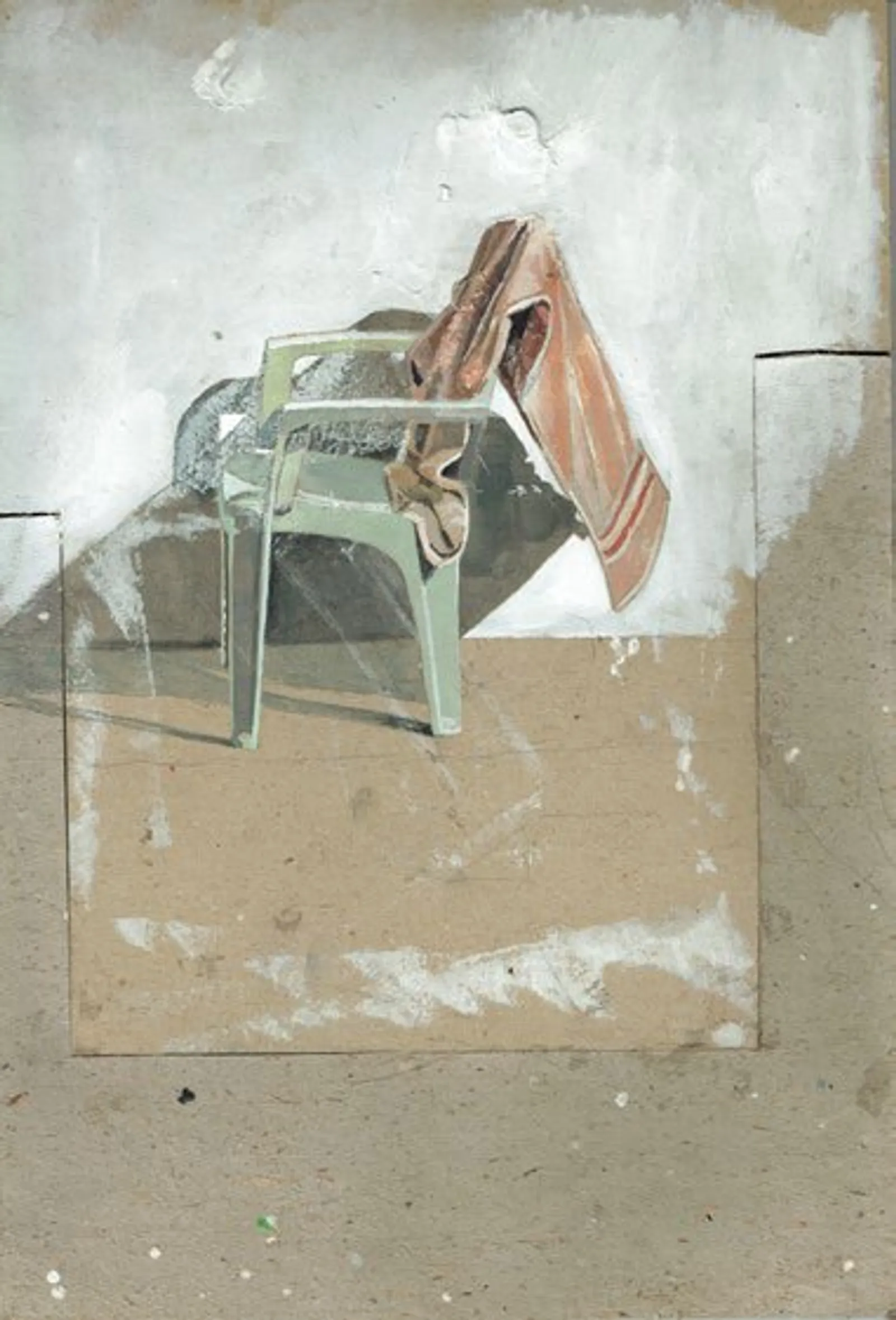
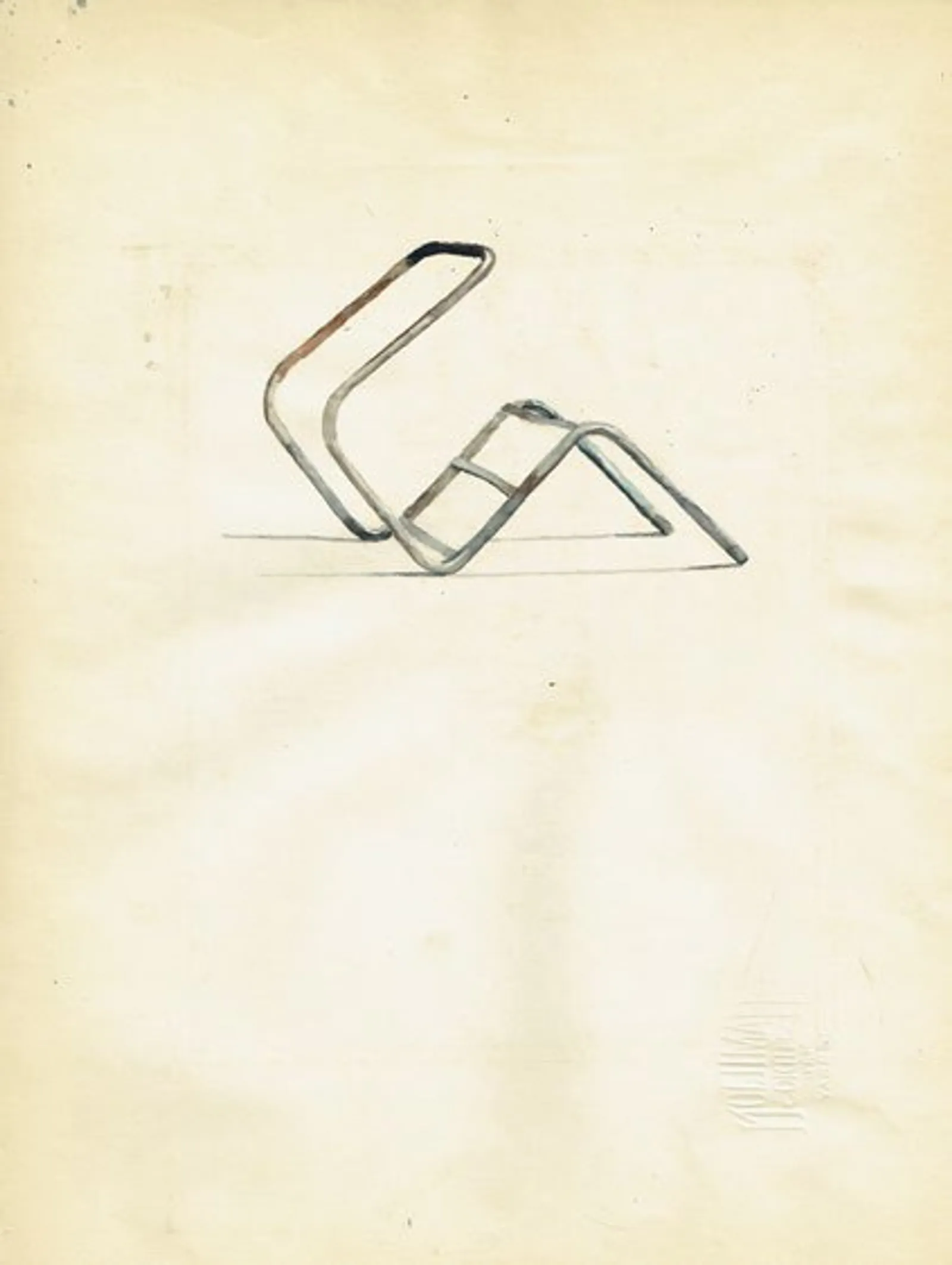
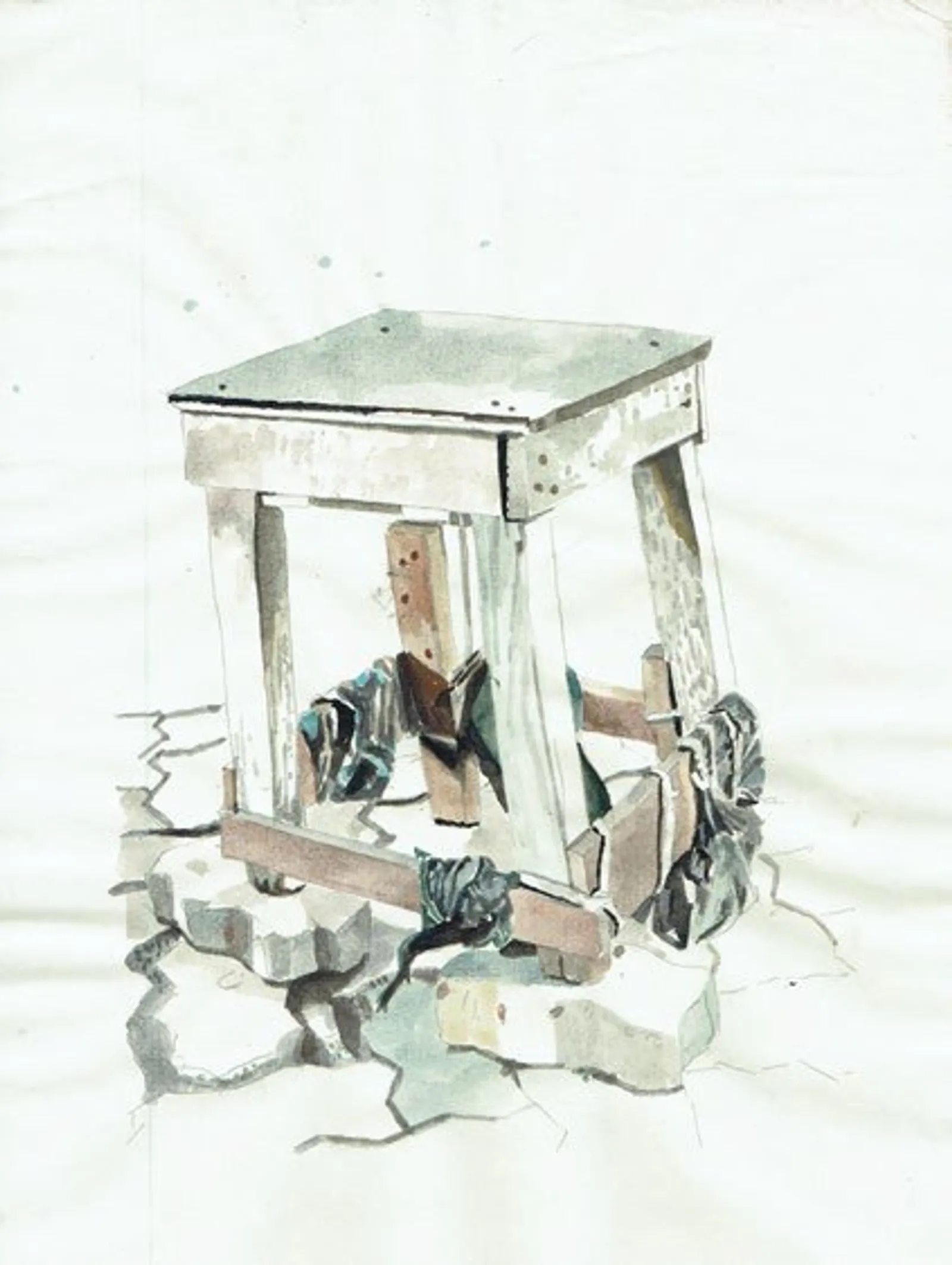
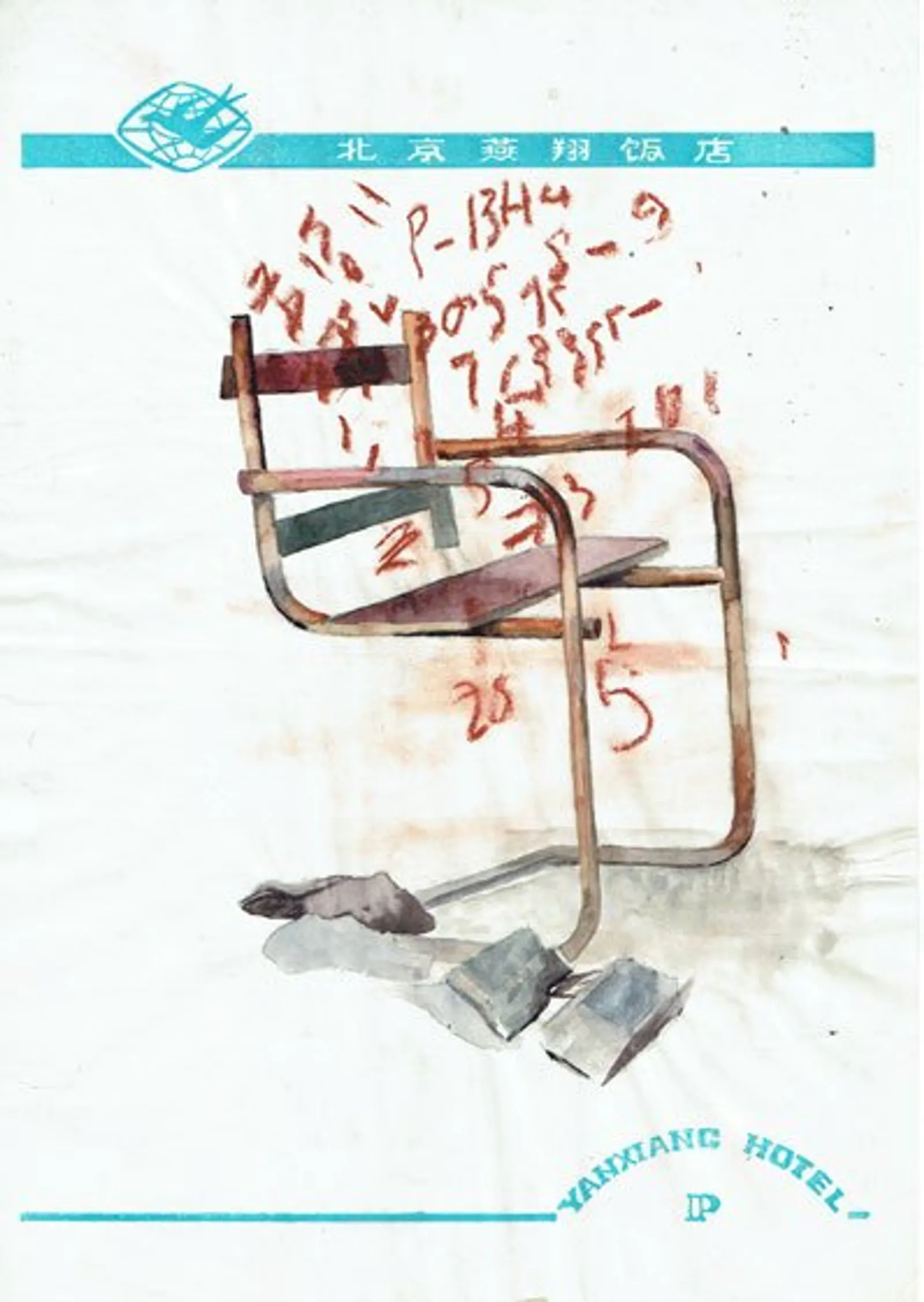
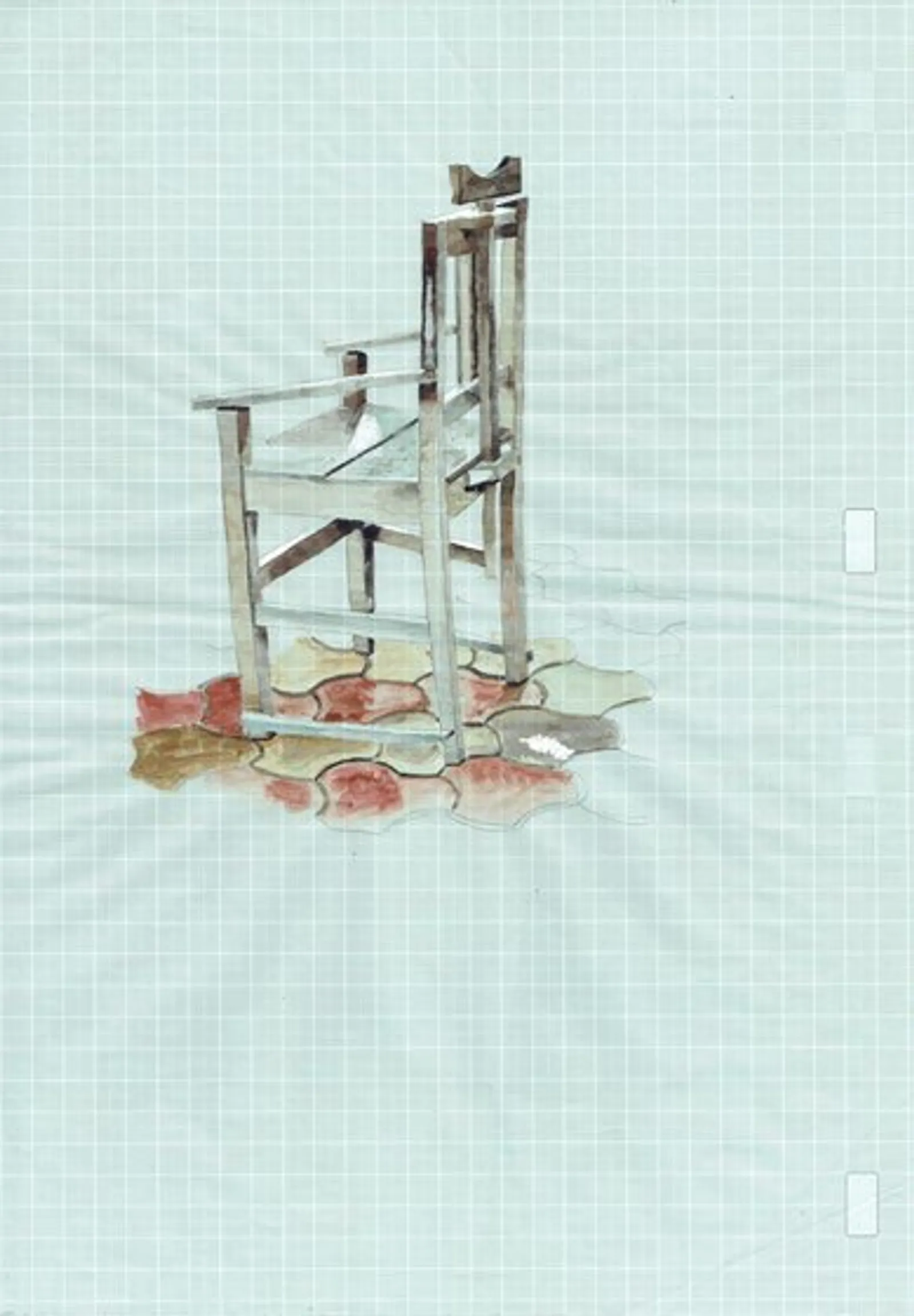
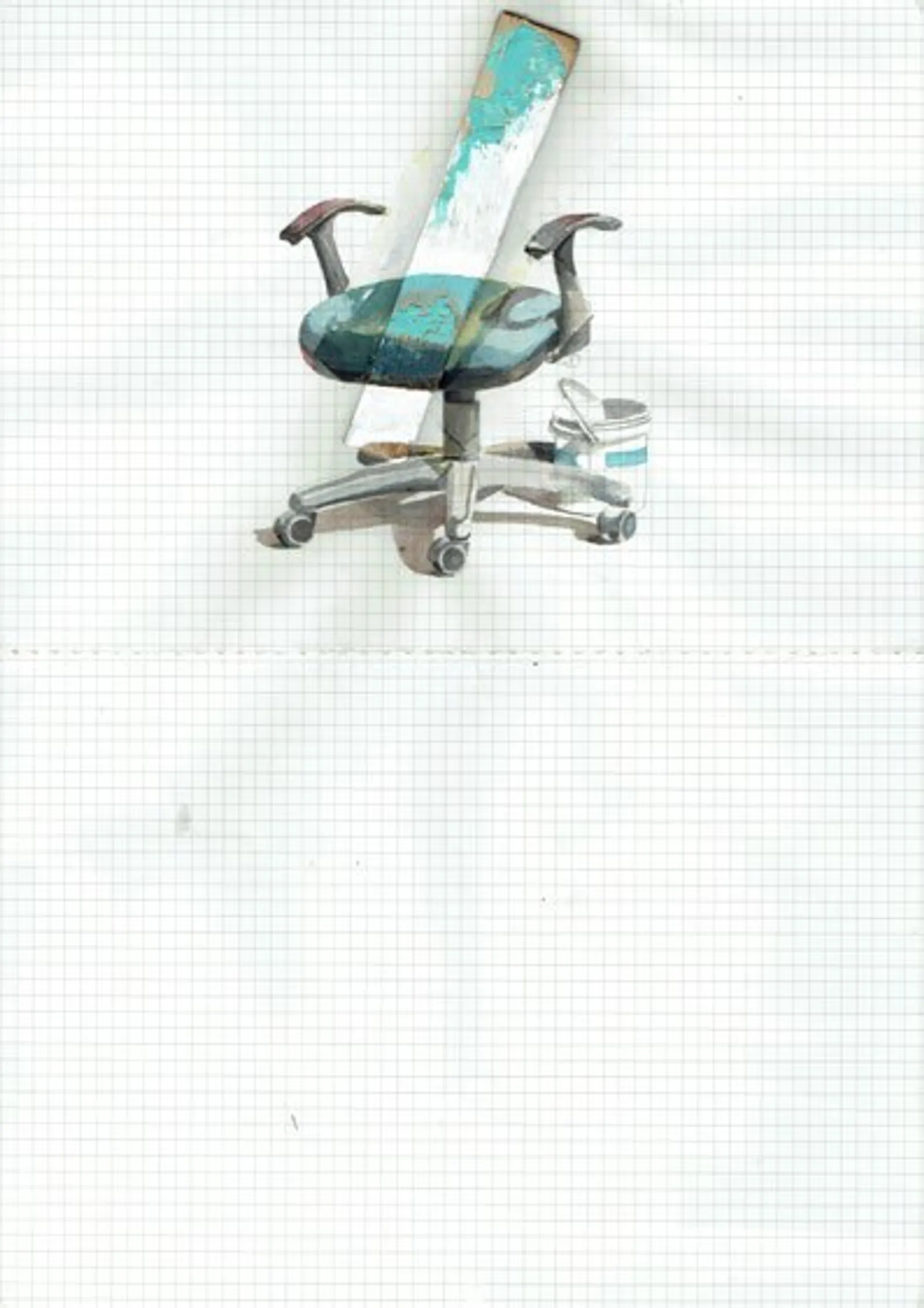
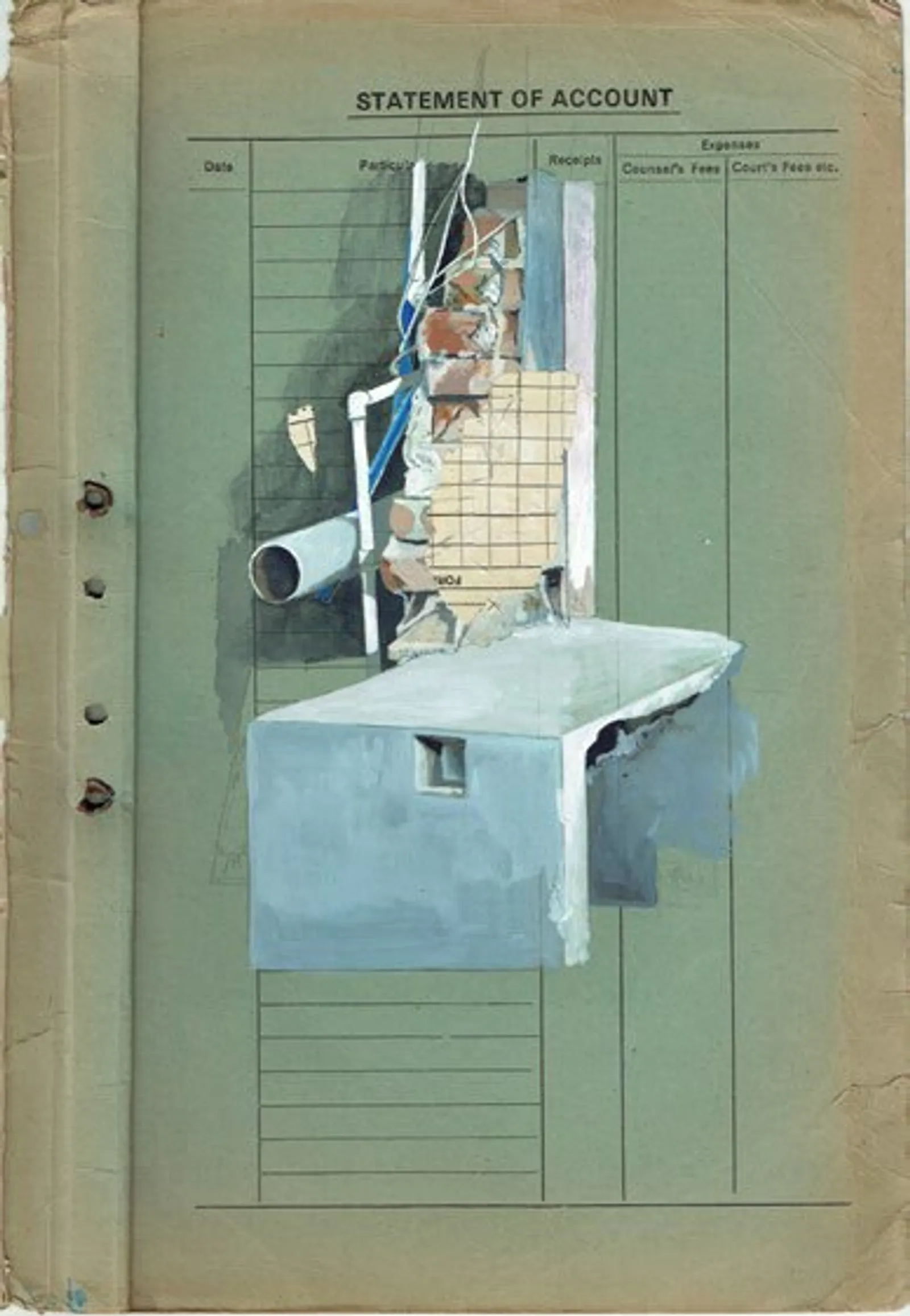
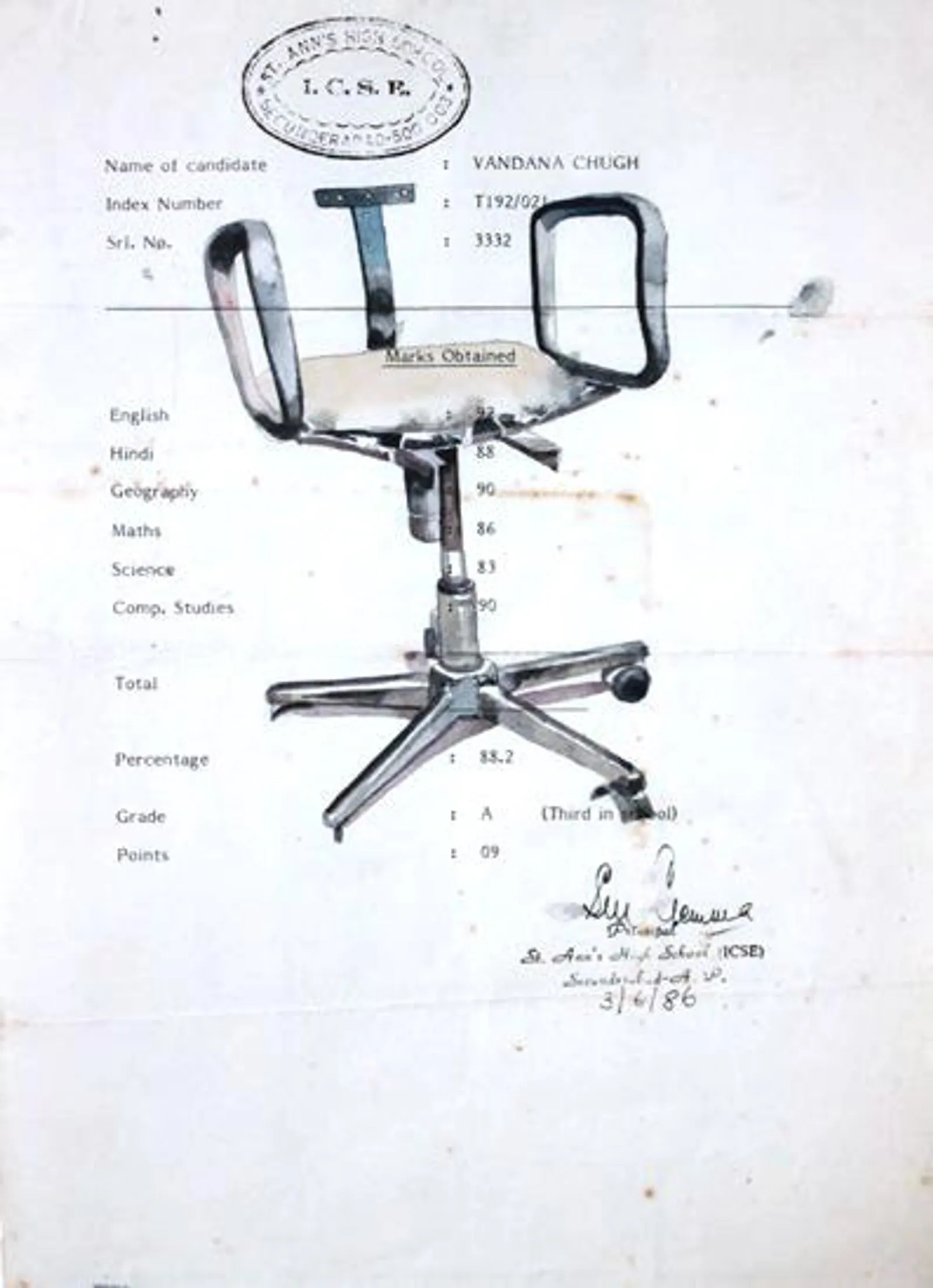
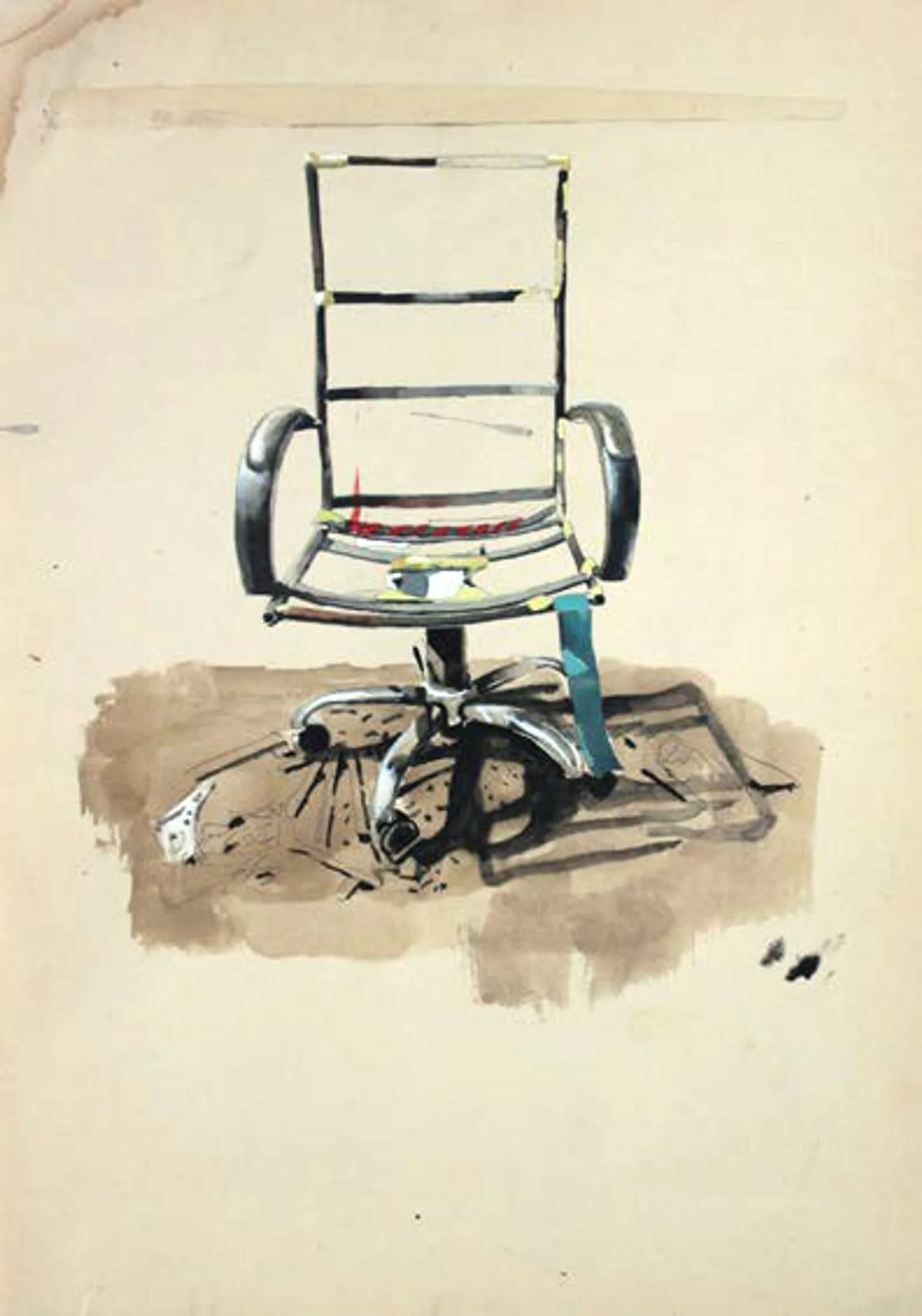
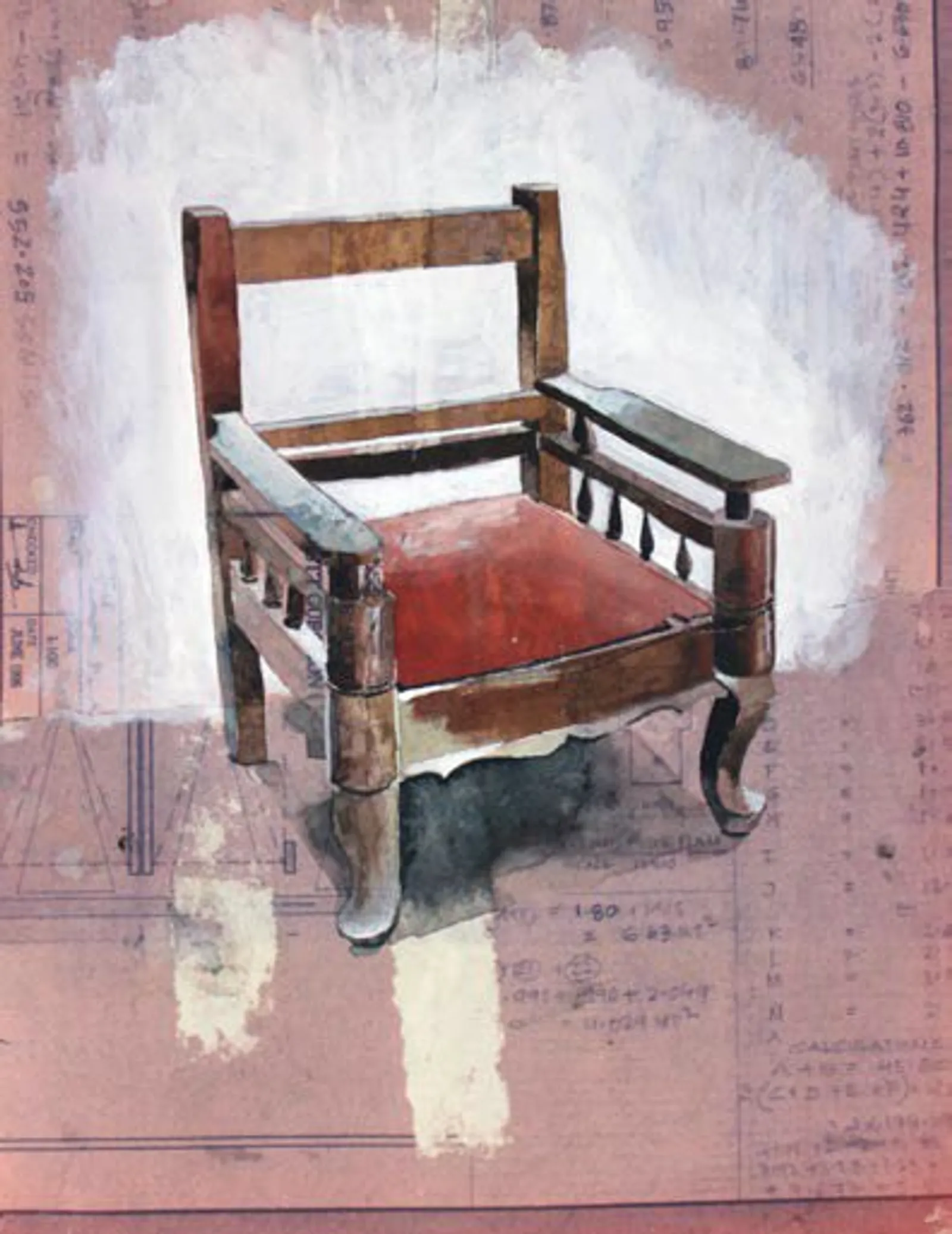
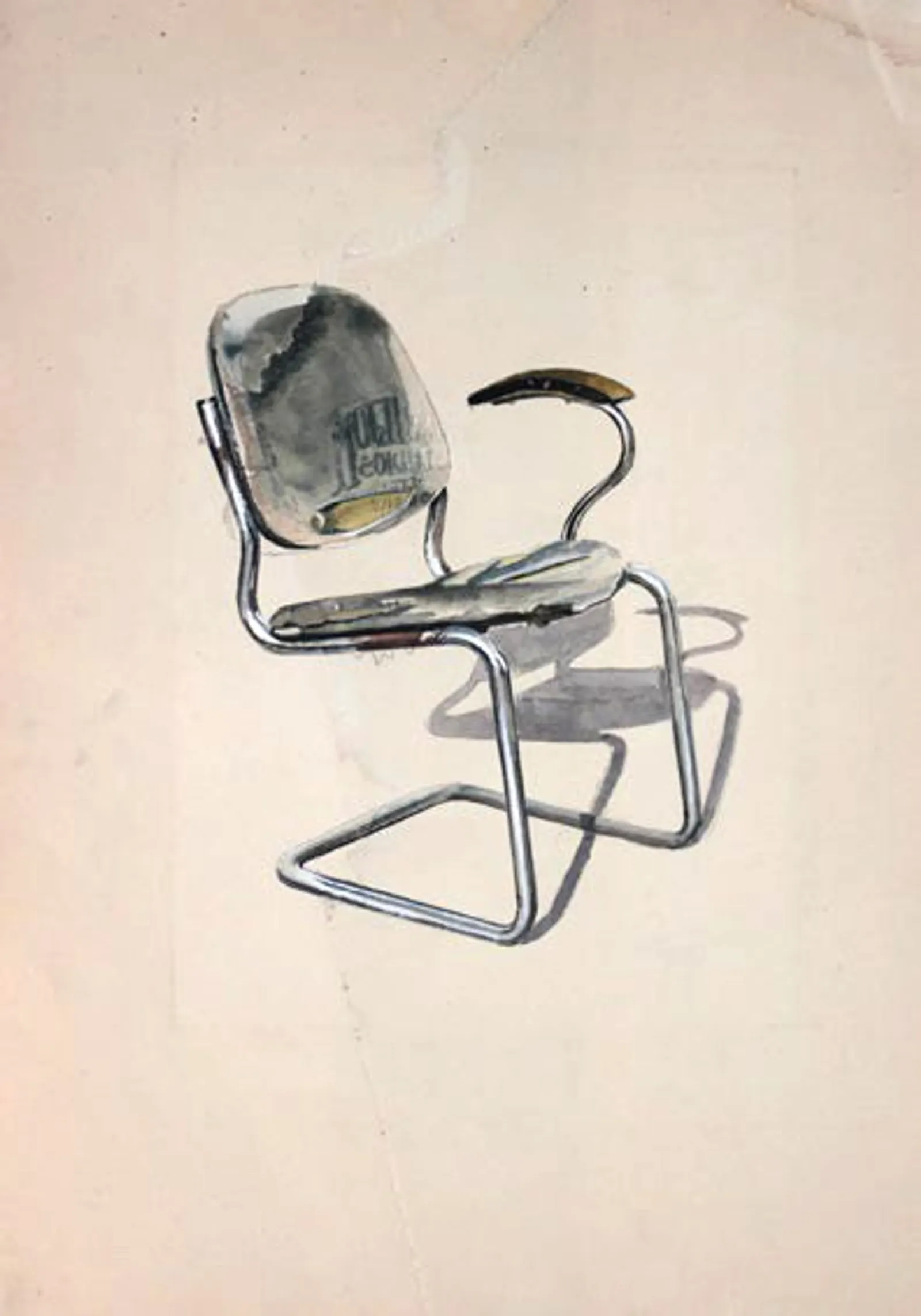
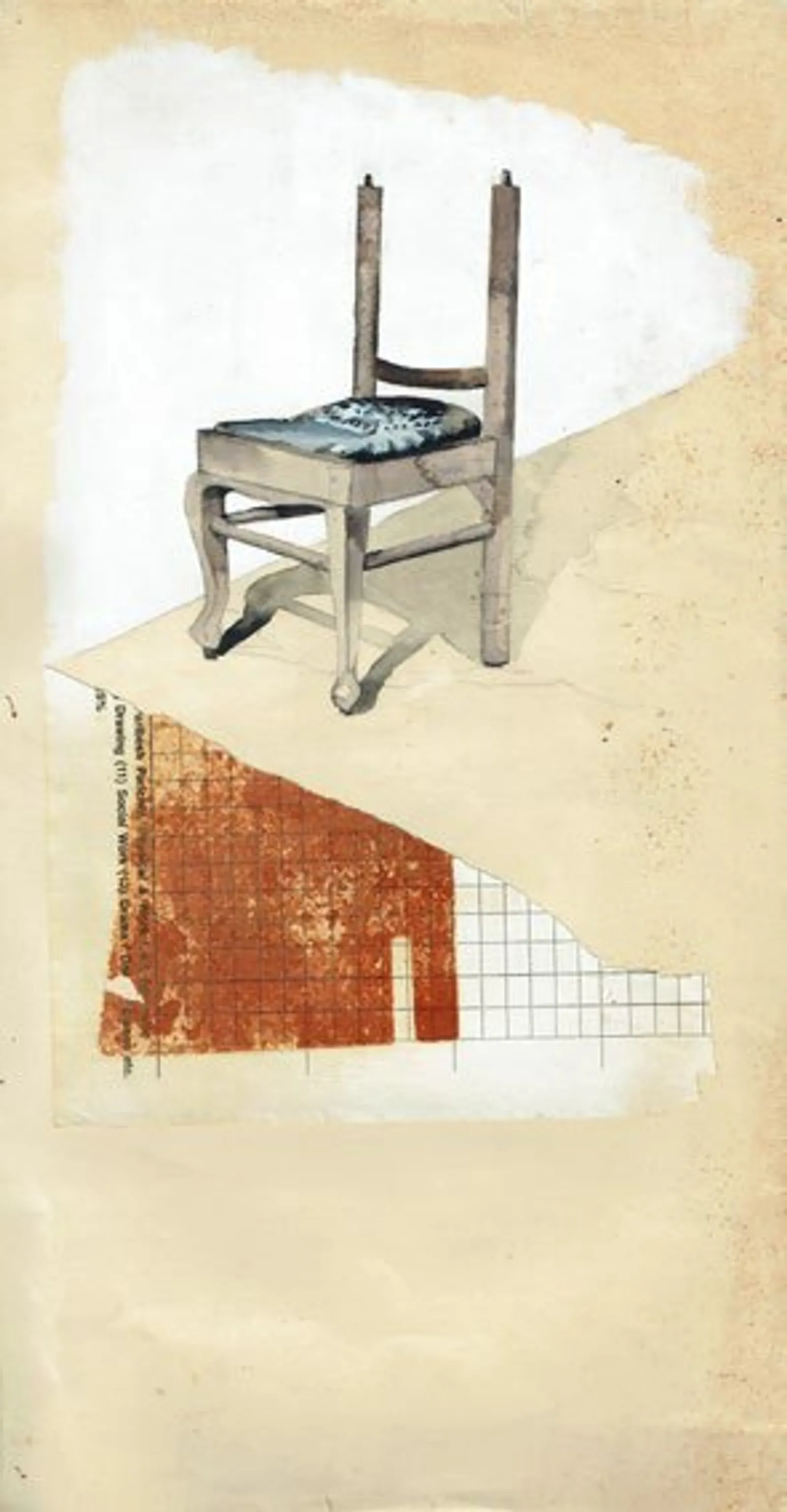
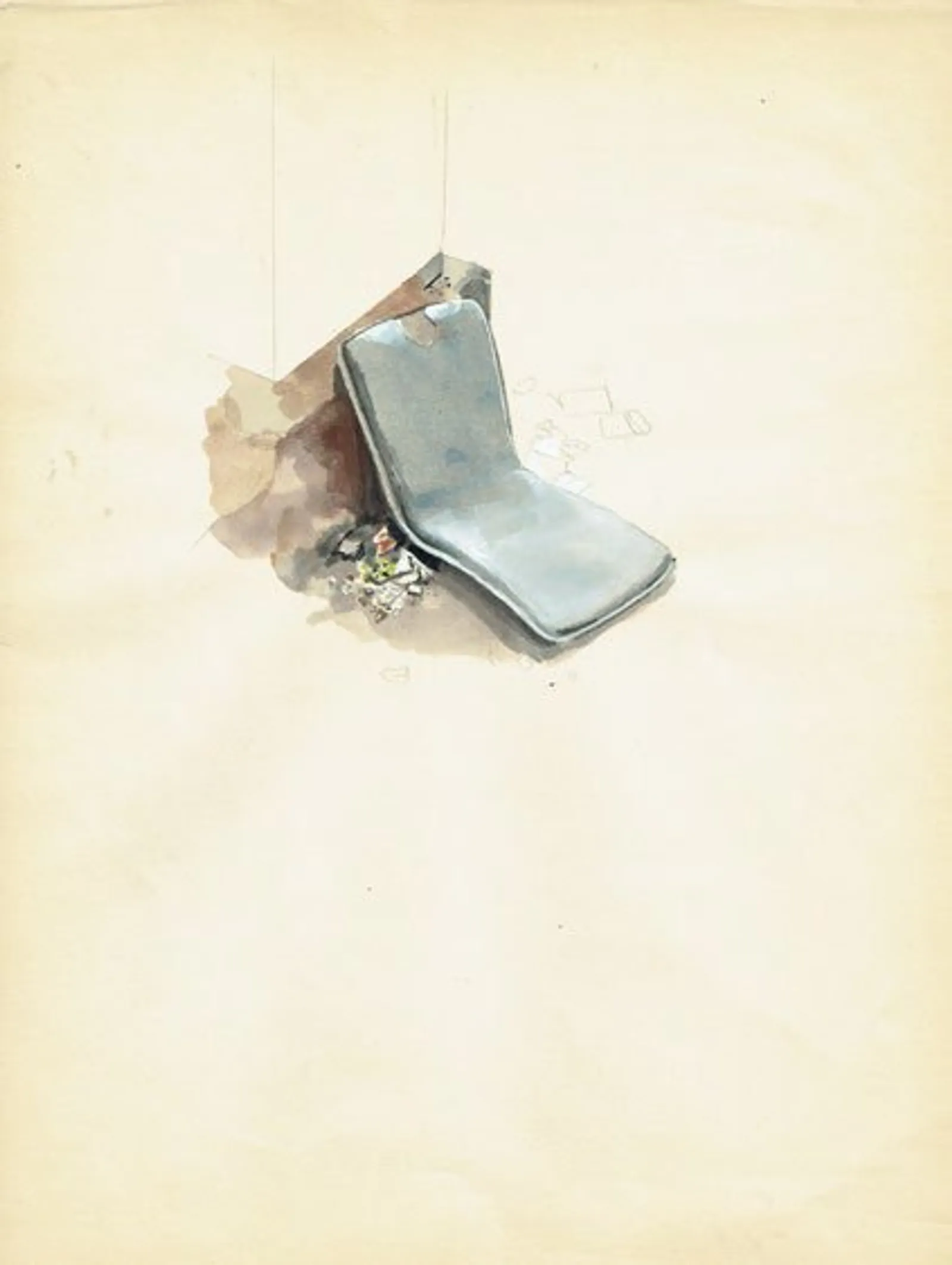
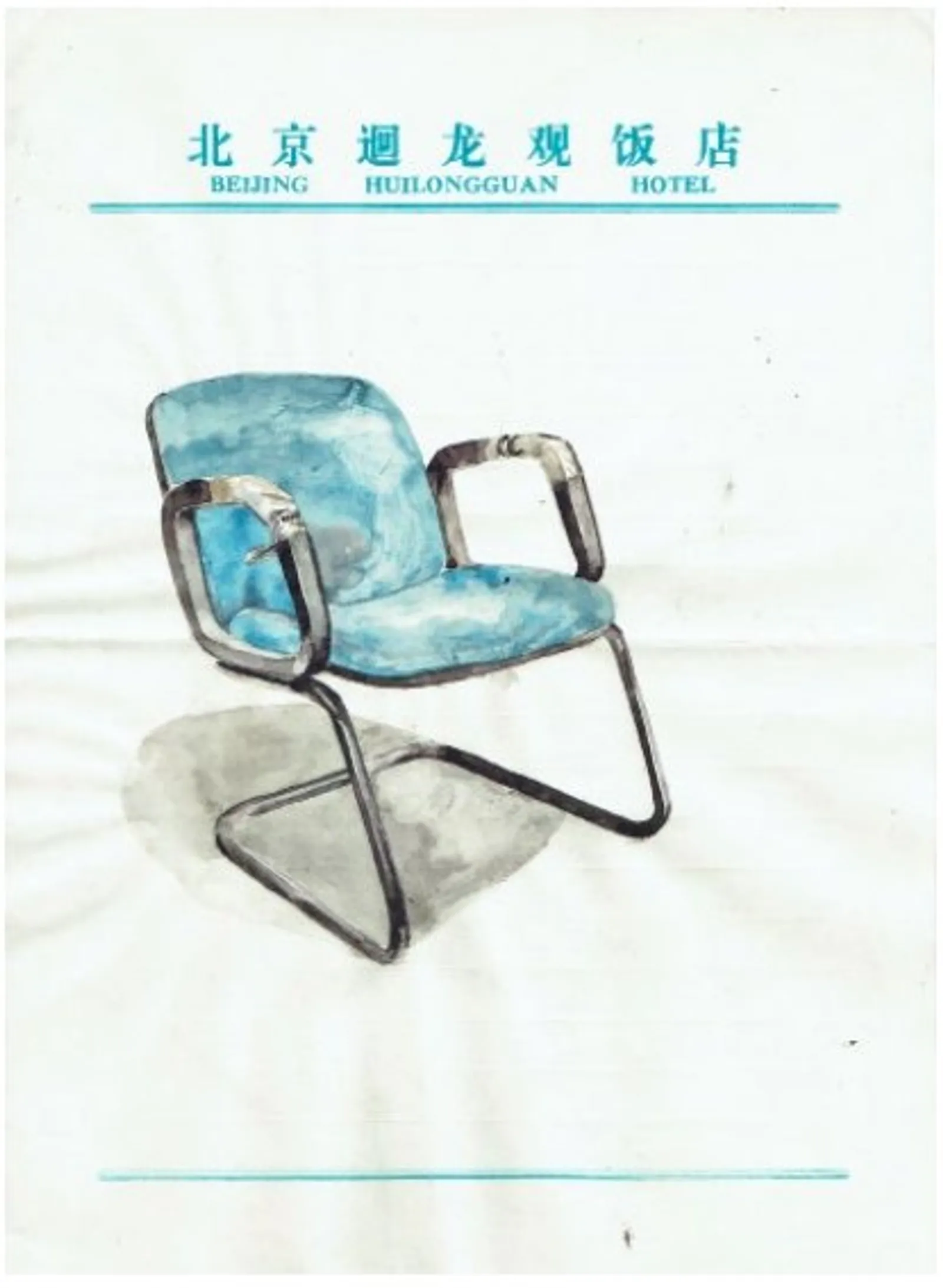
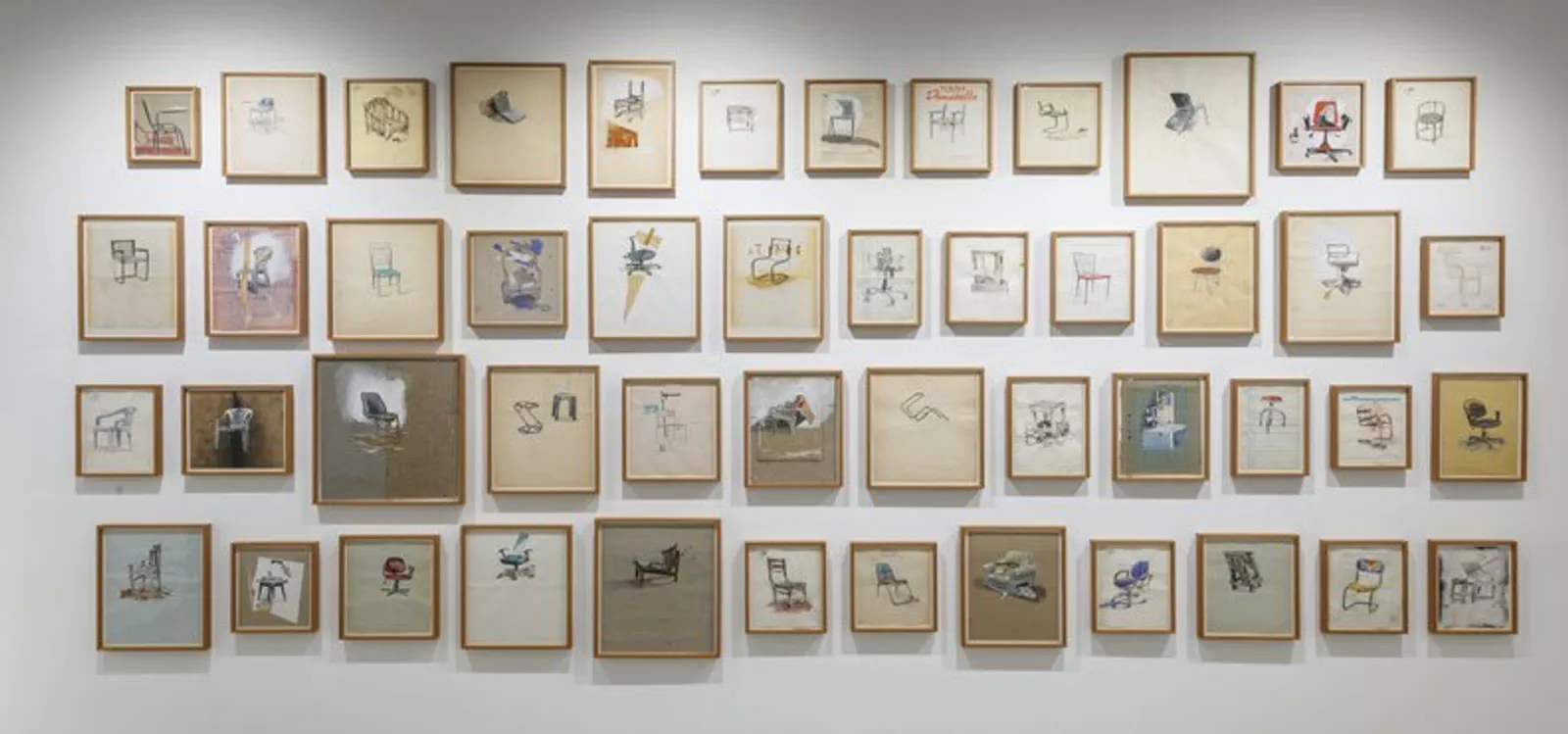
Drawings and watercolours, 2019–2020
2019–2020
Chouf — “look,” in Arabic.
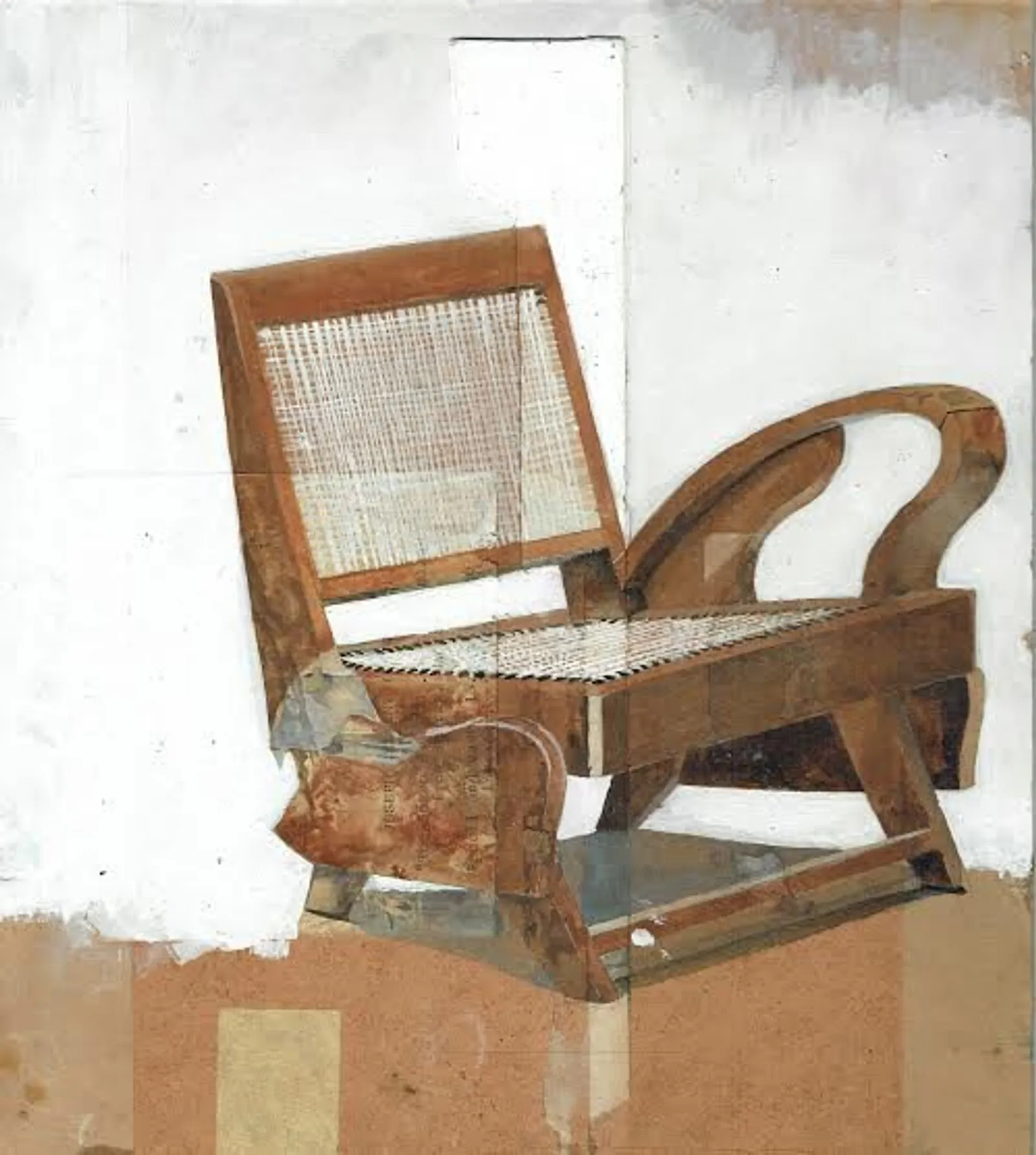
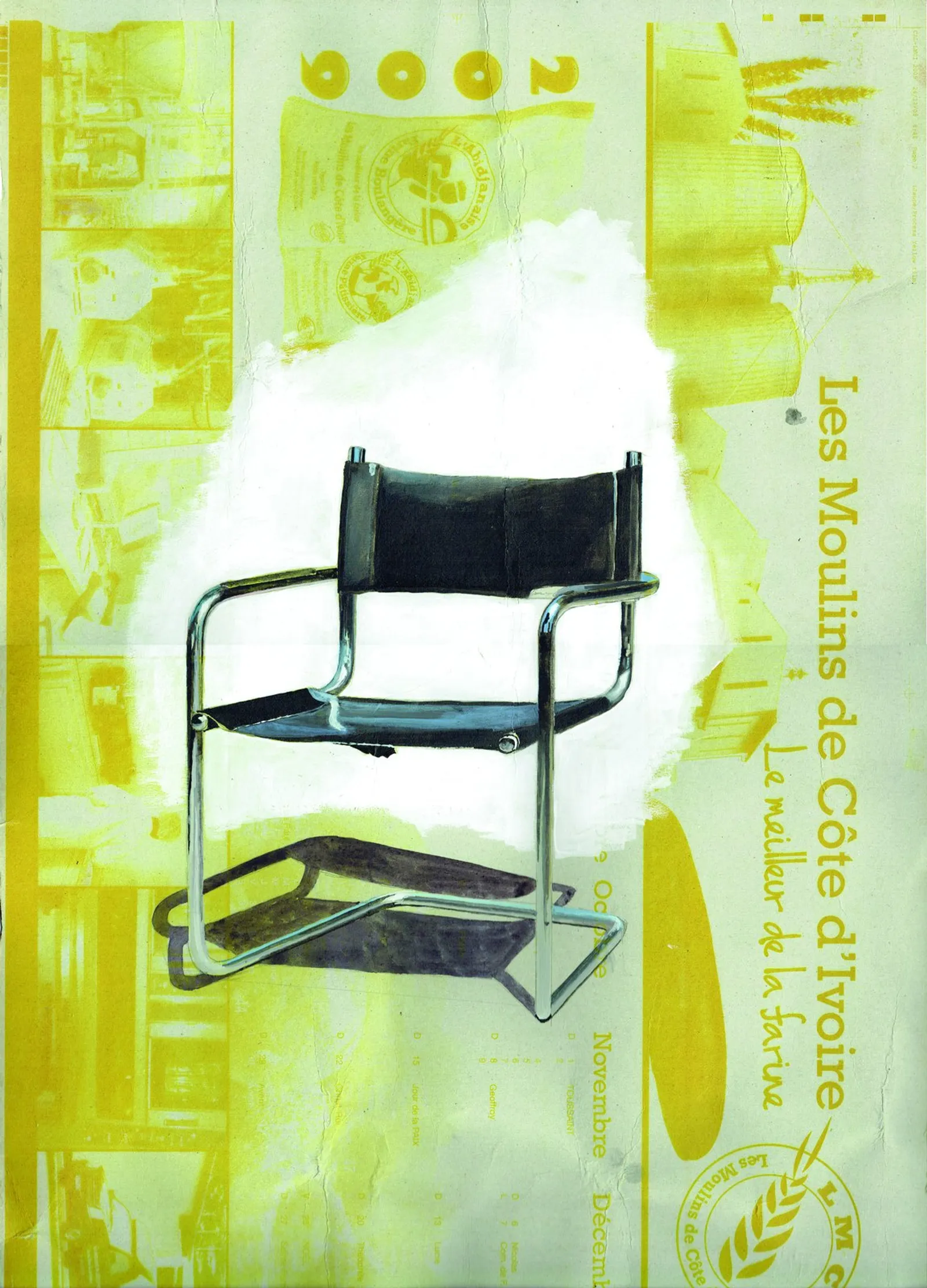
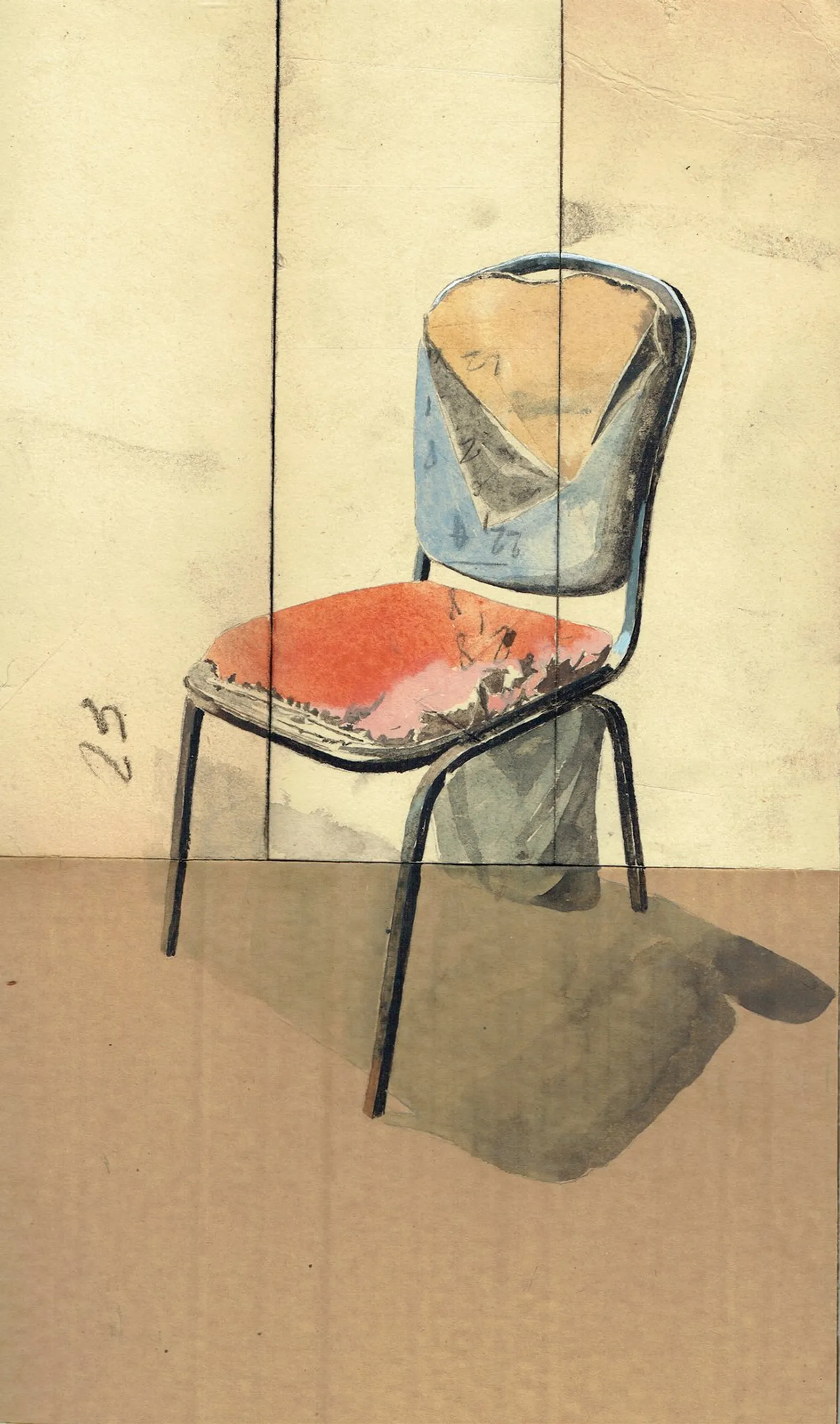
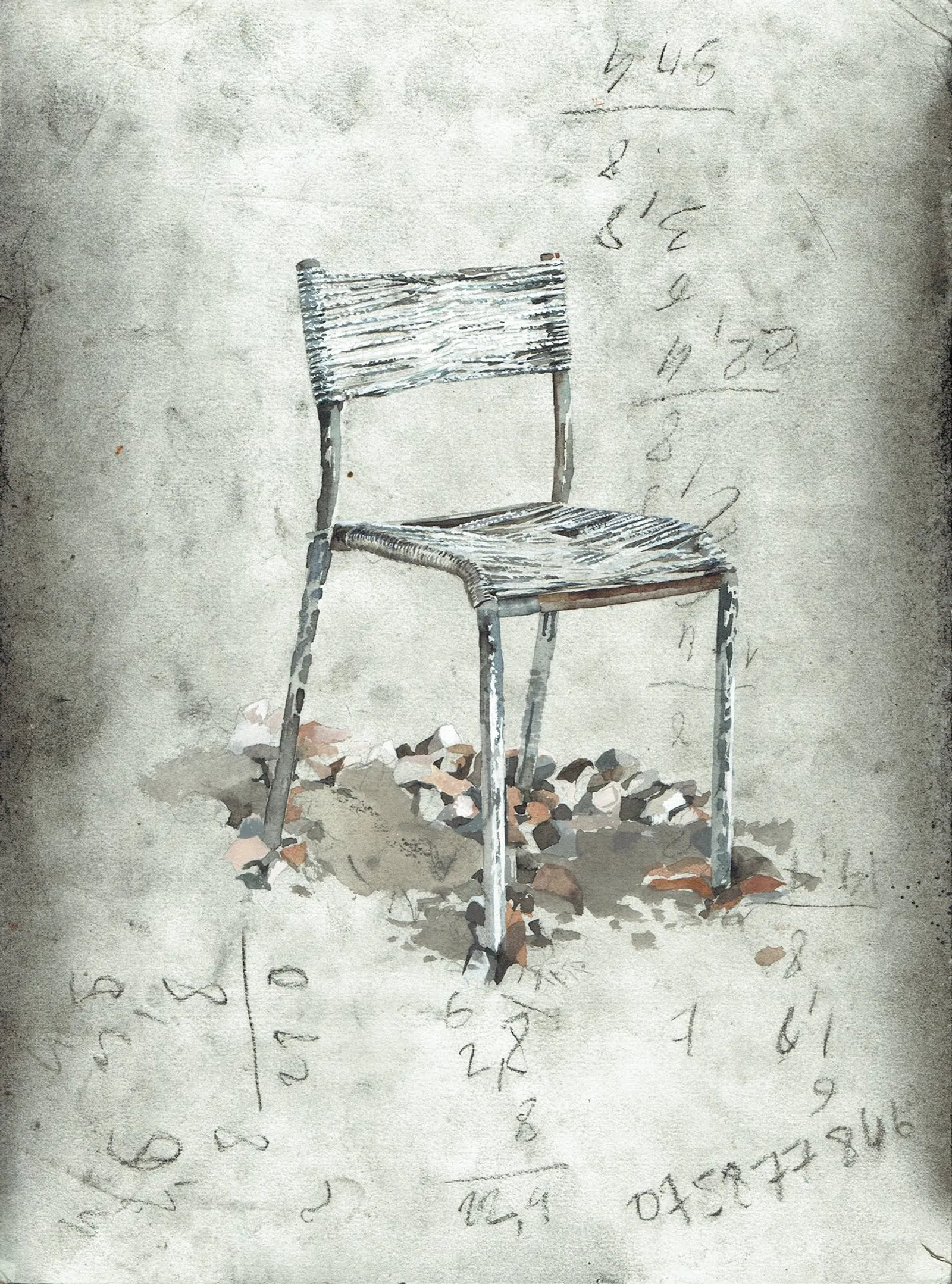
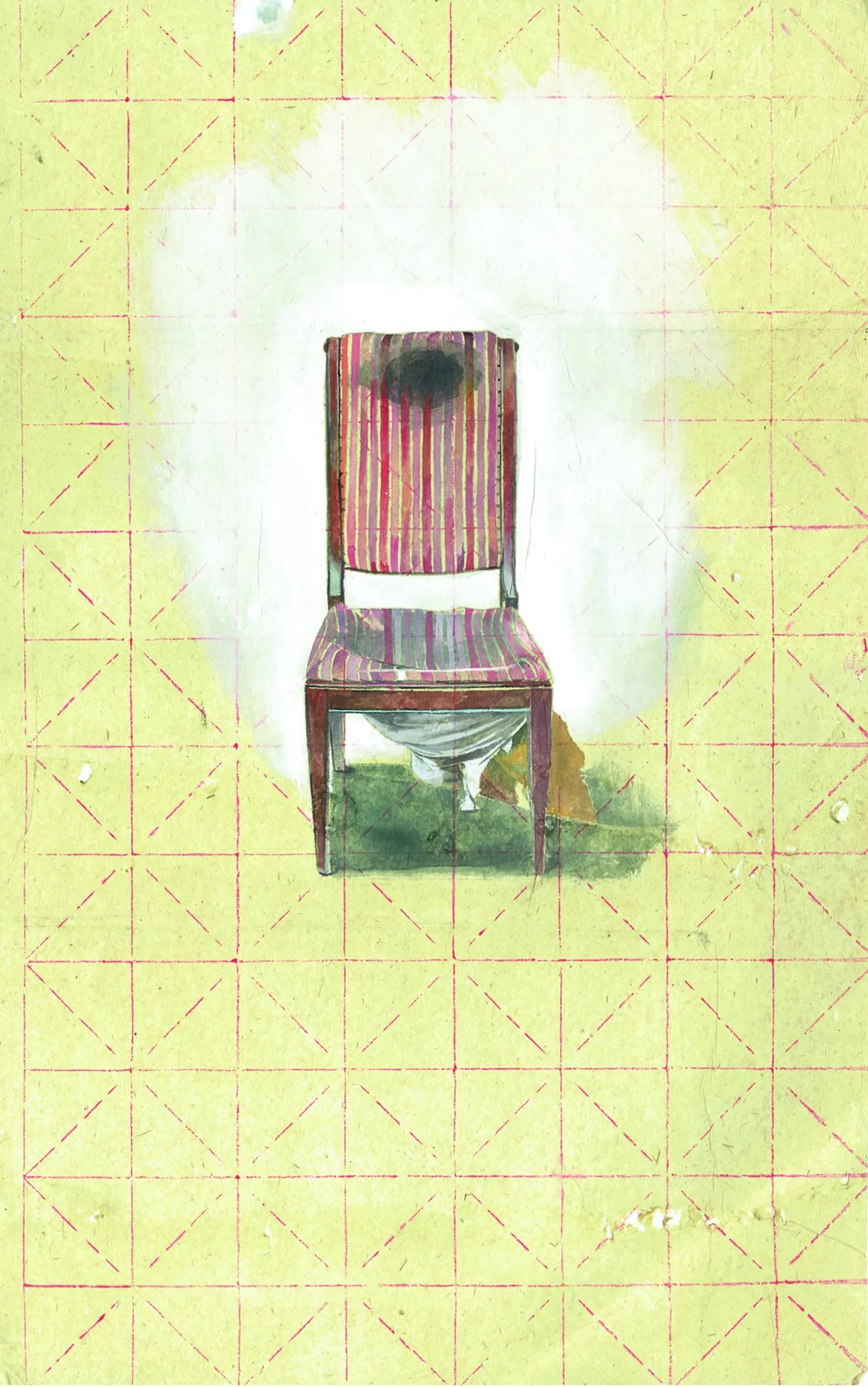
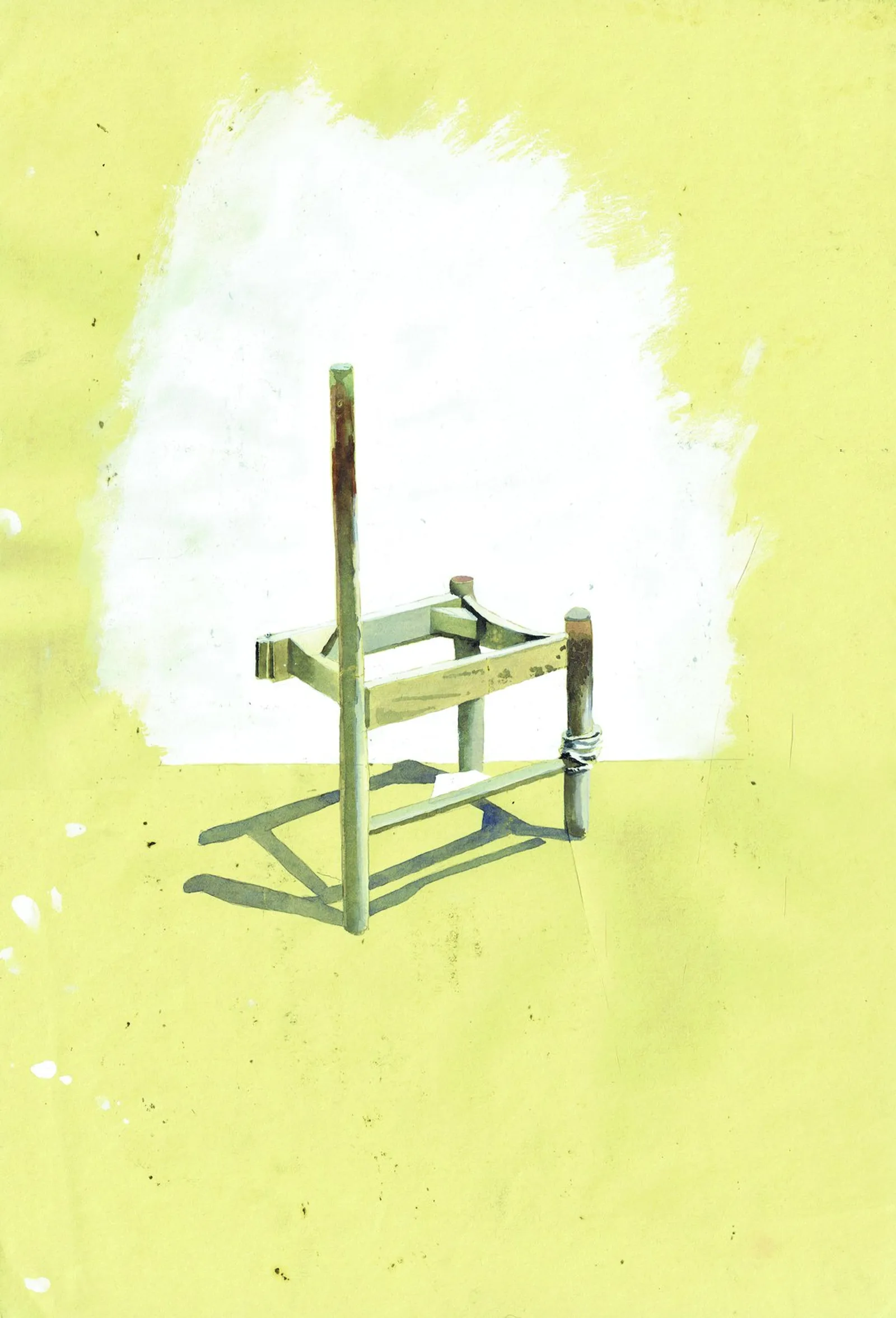
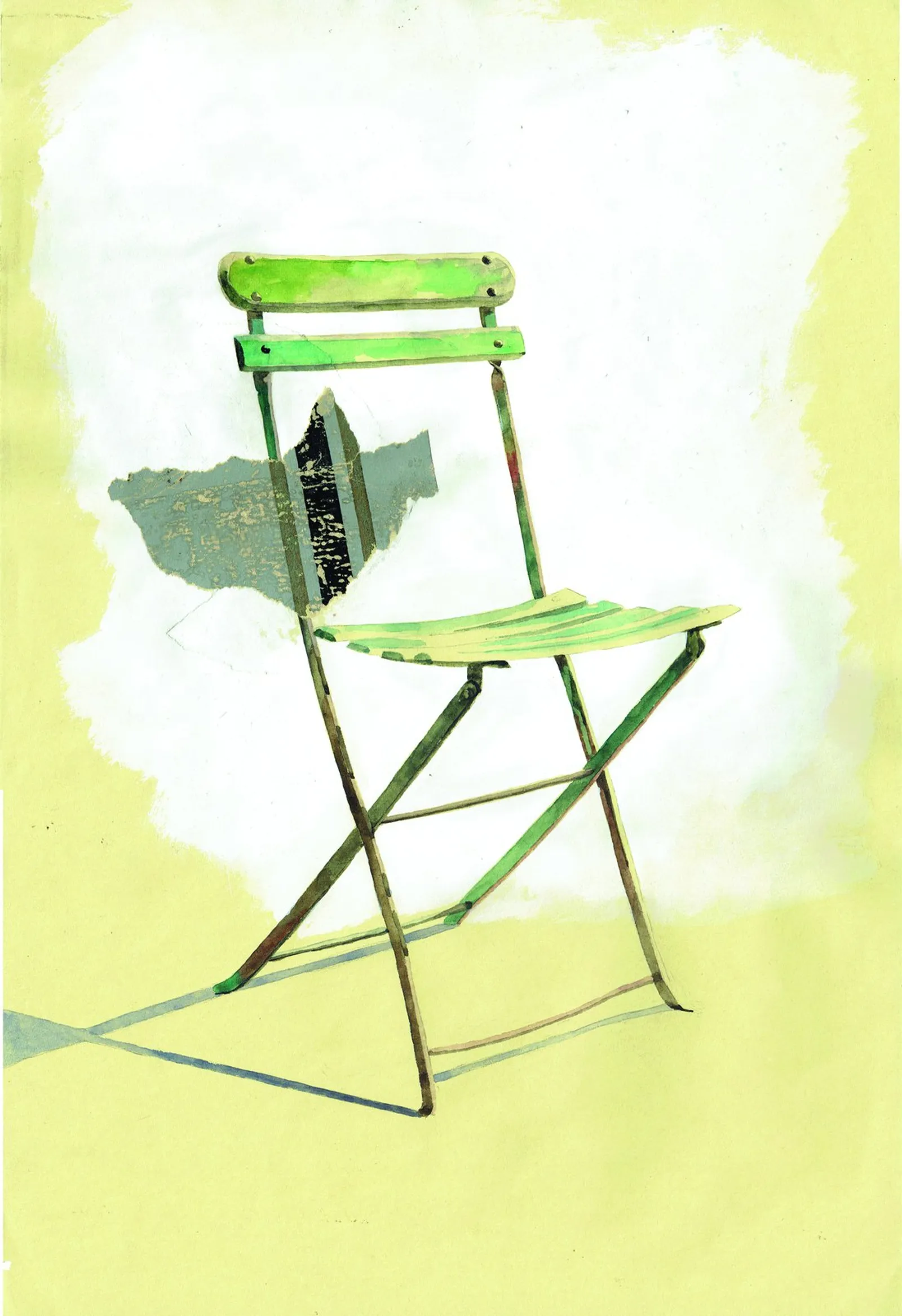
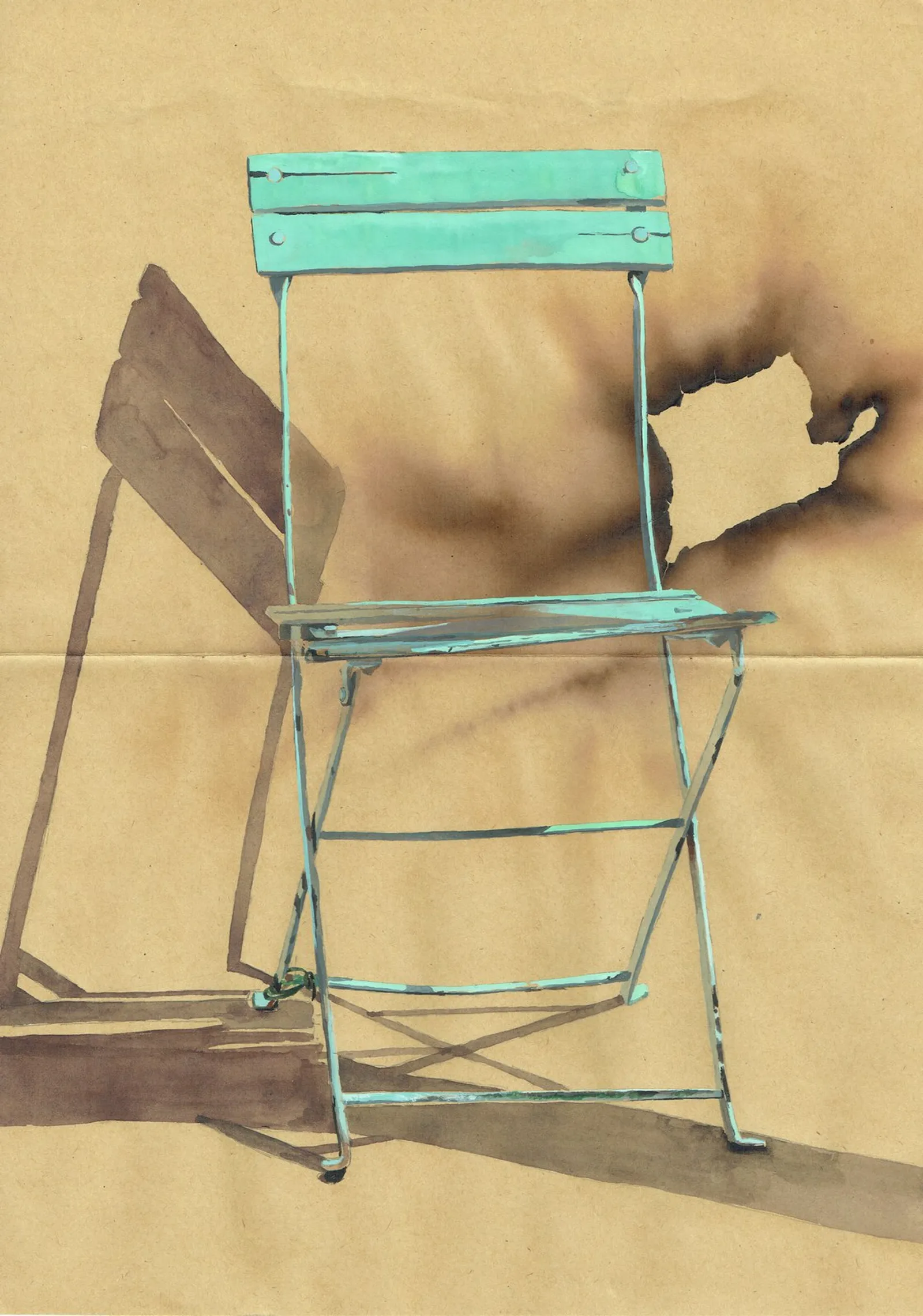
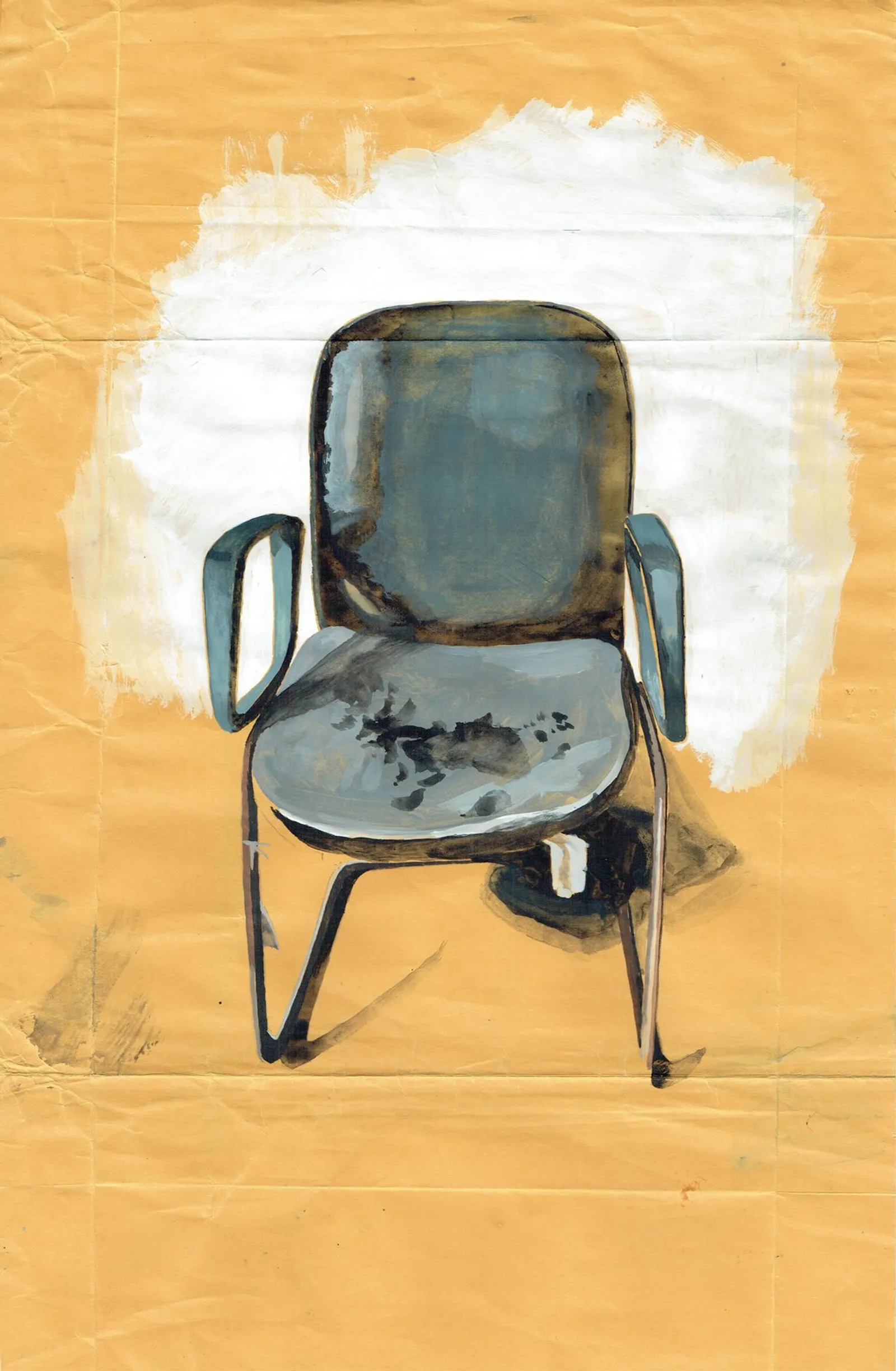
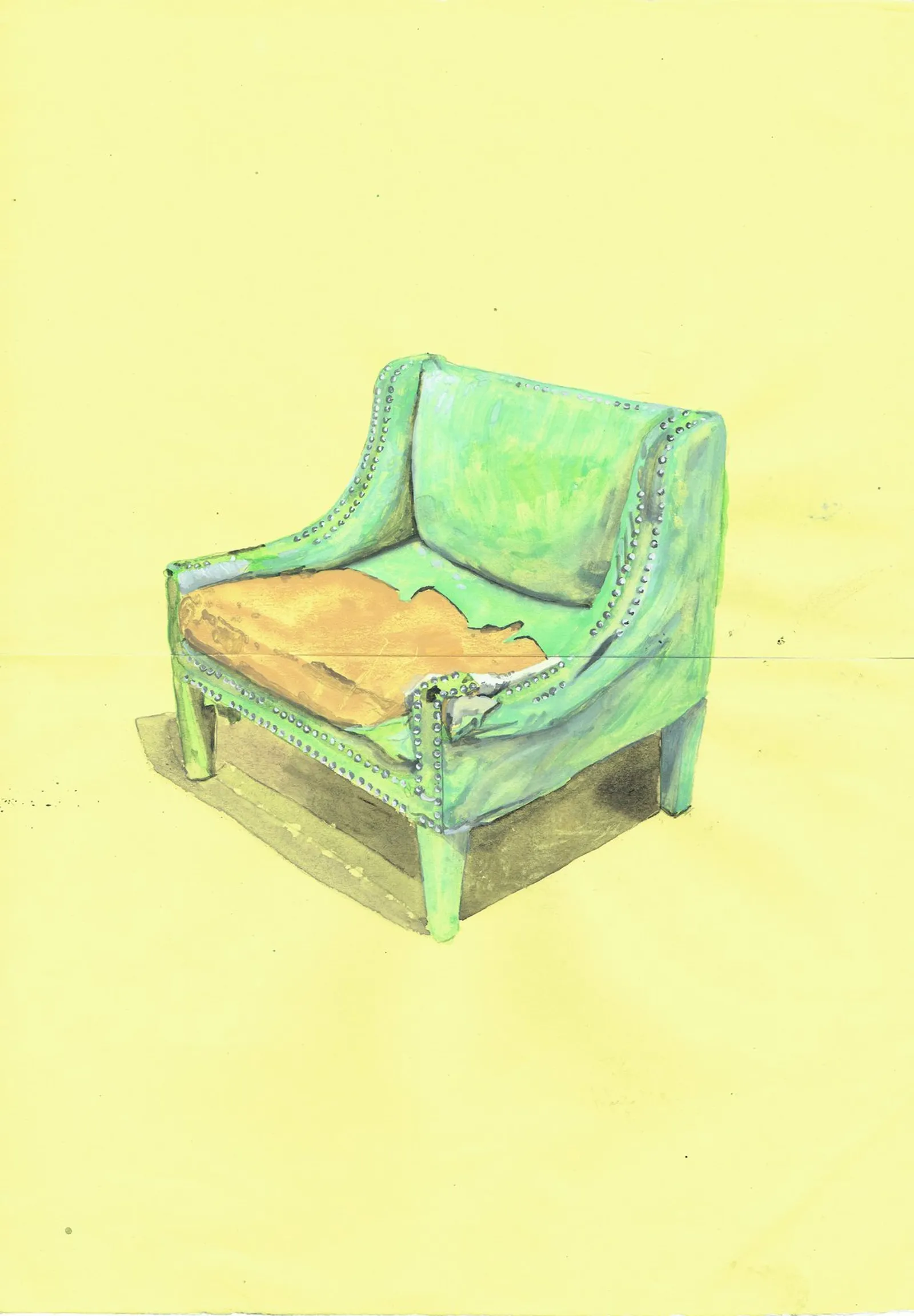
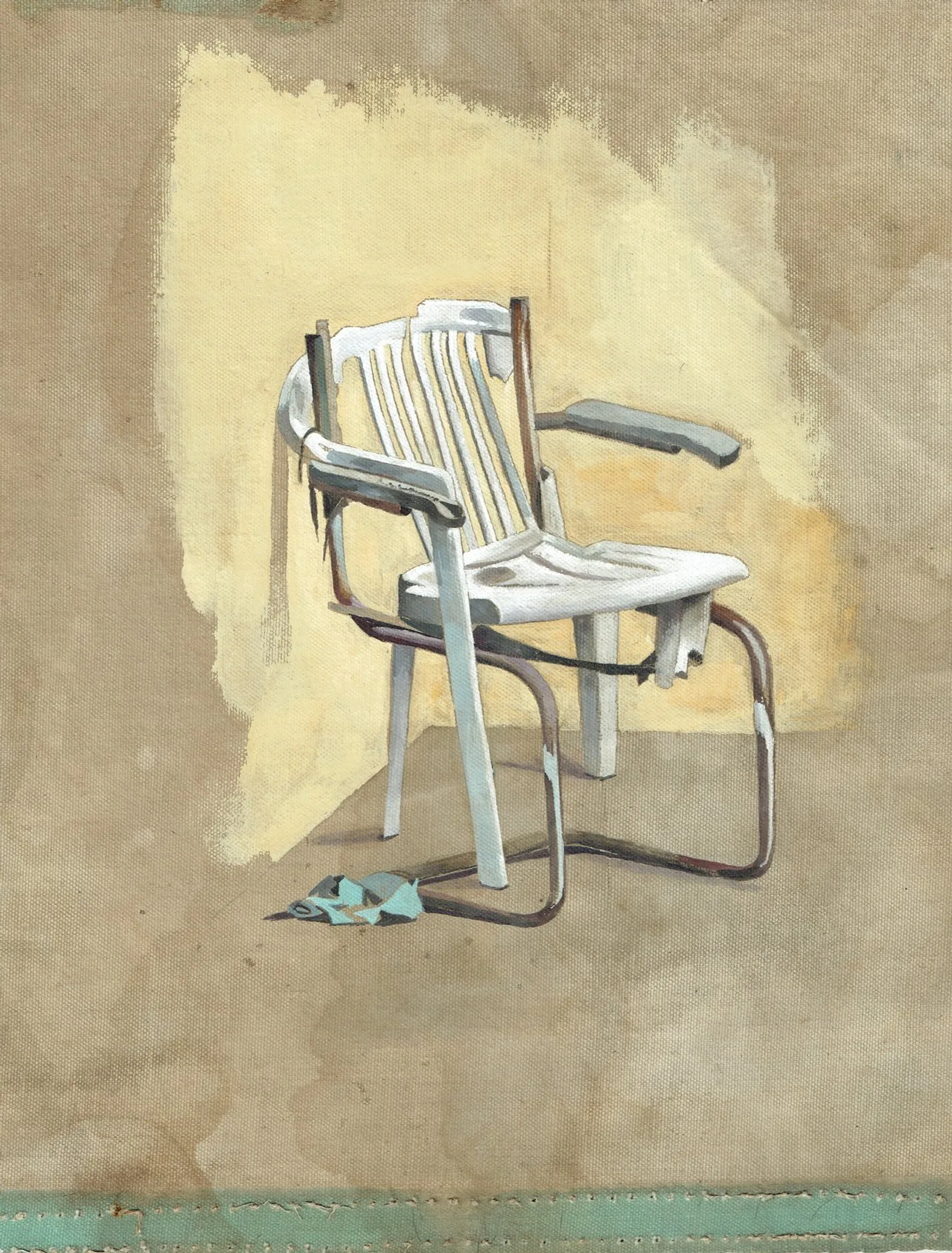
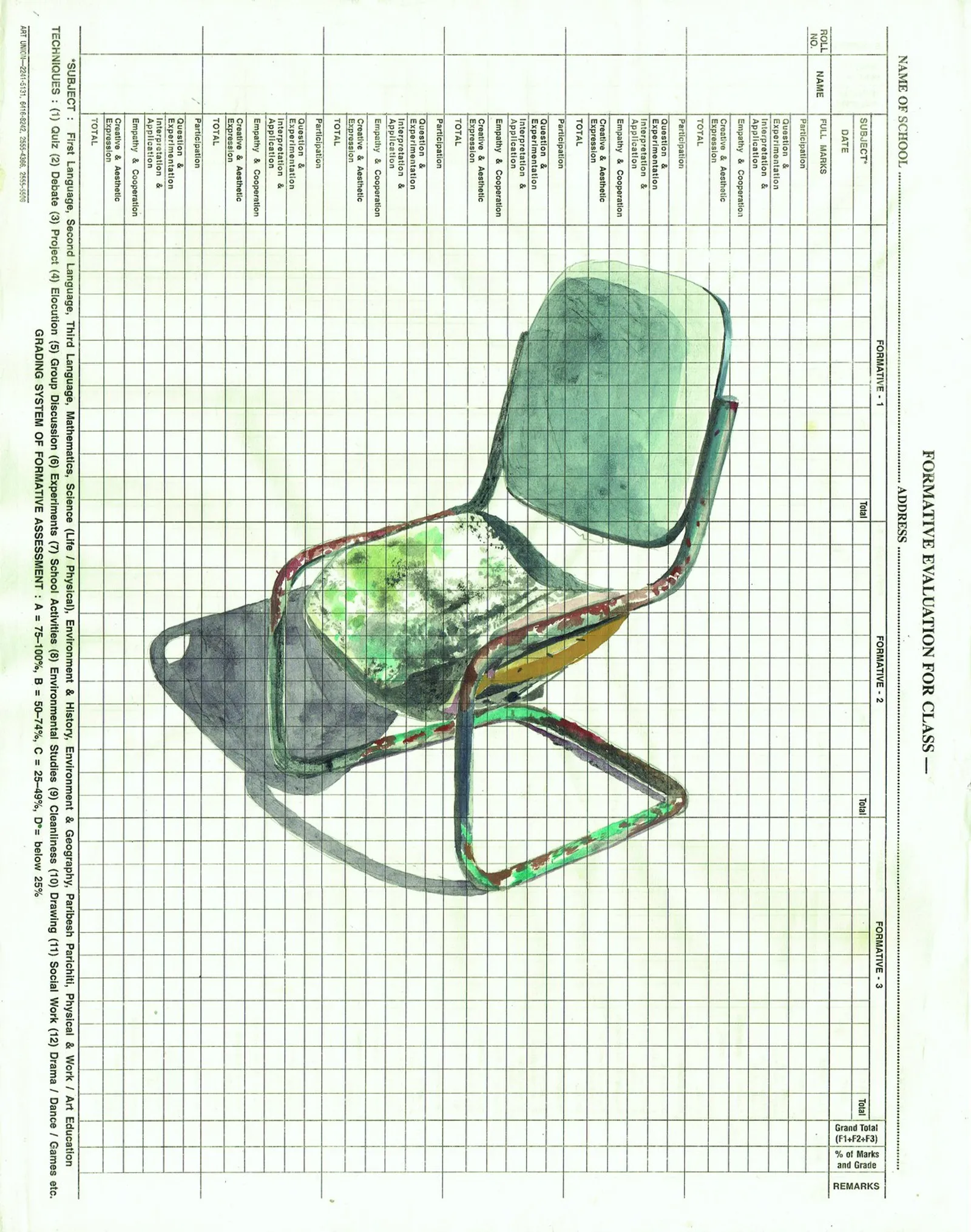
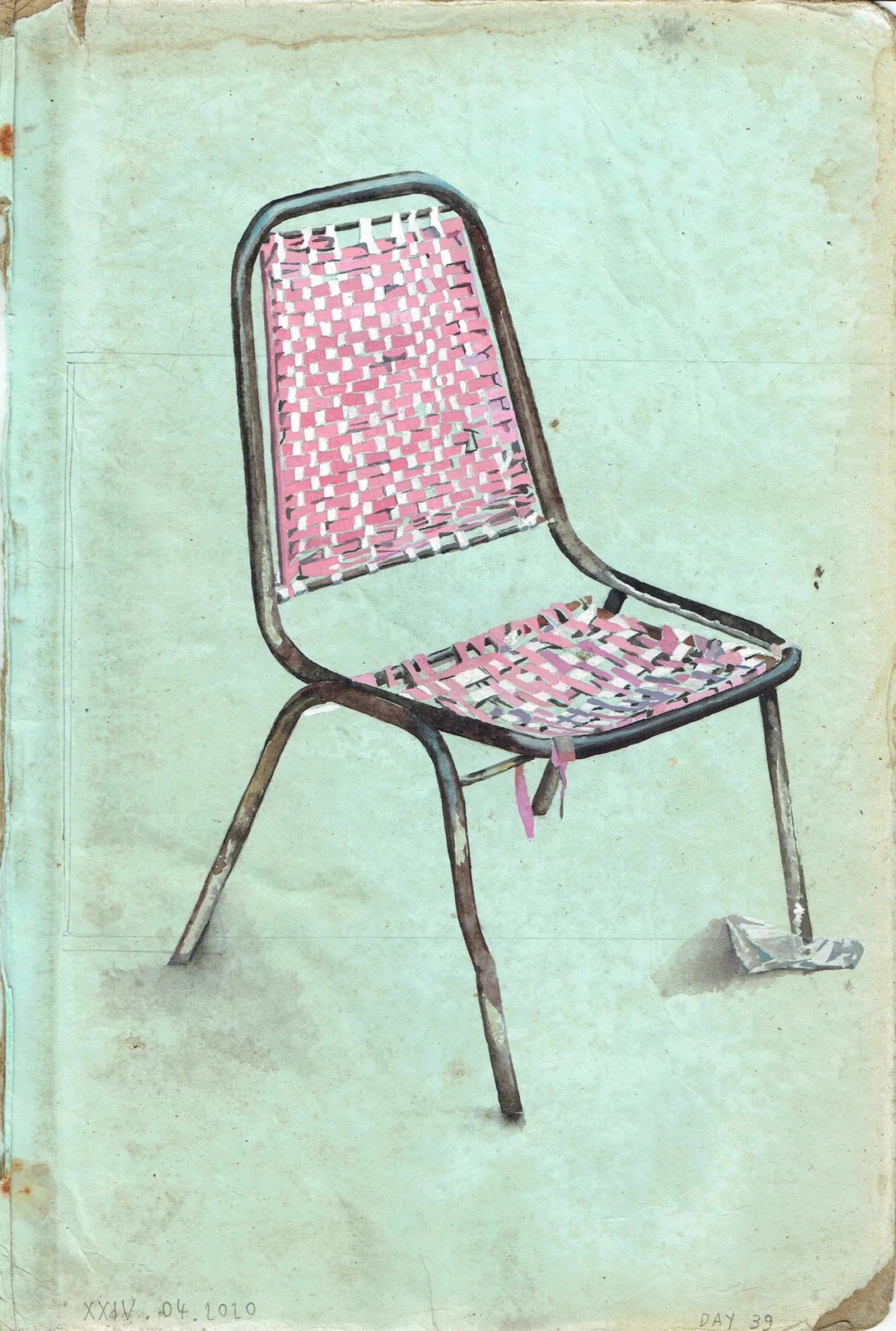
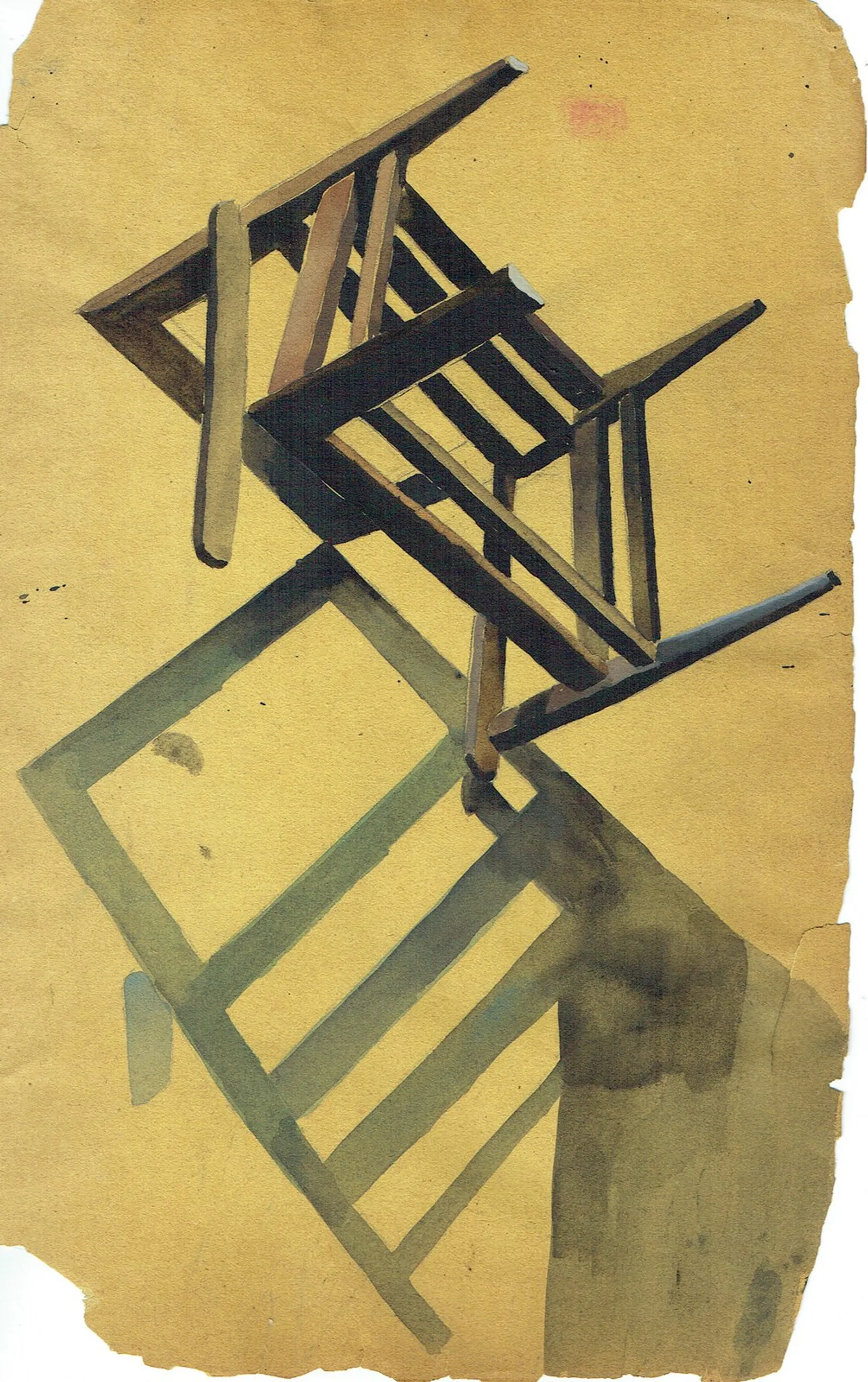
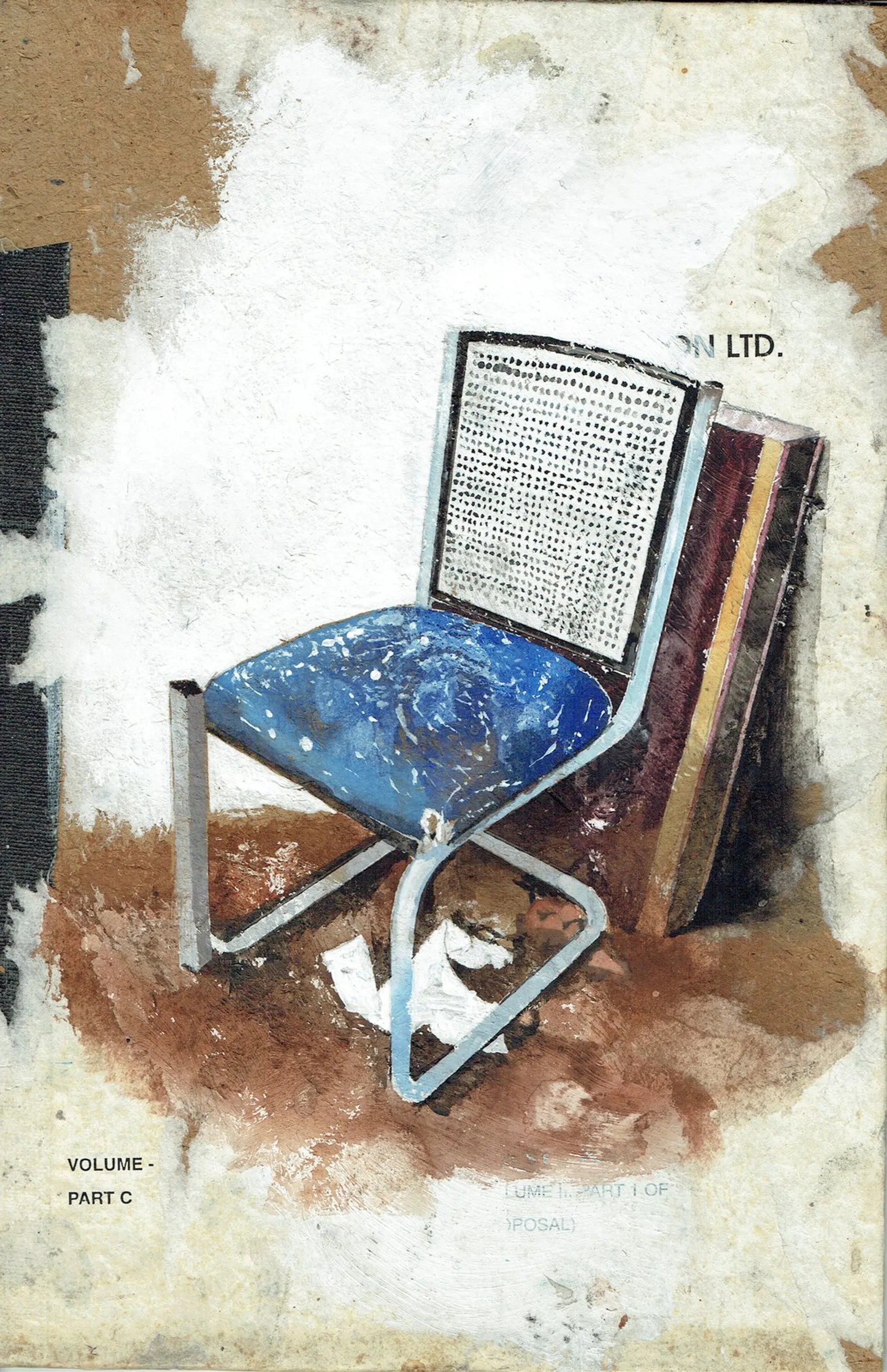
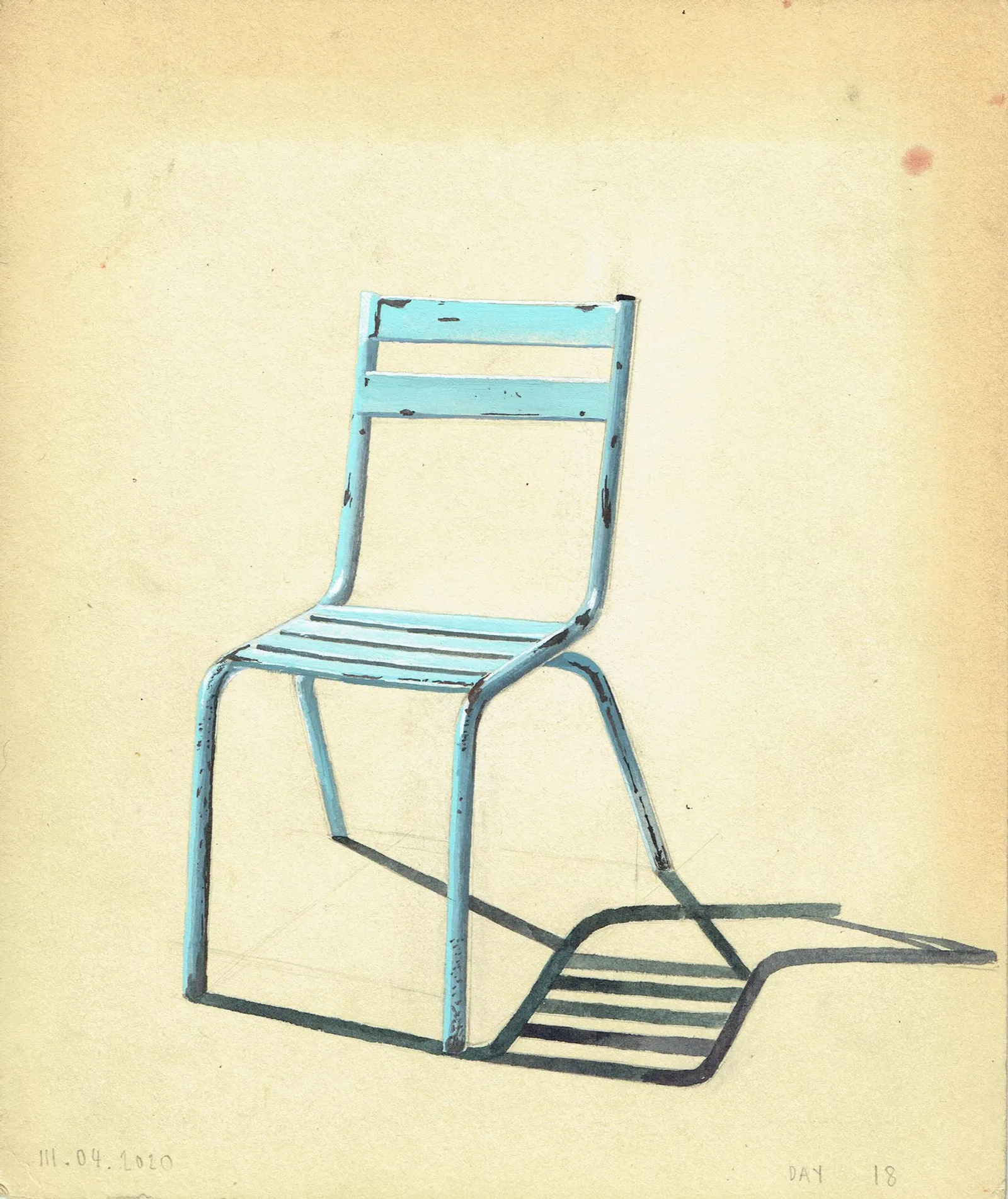
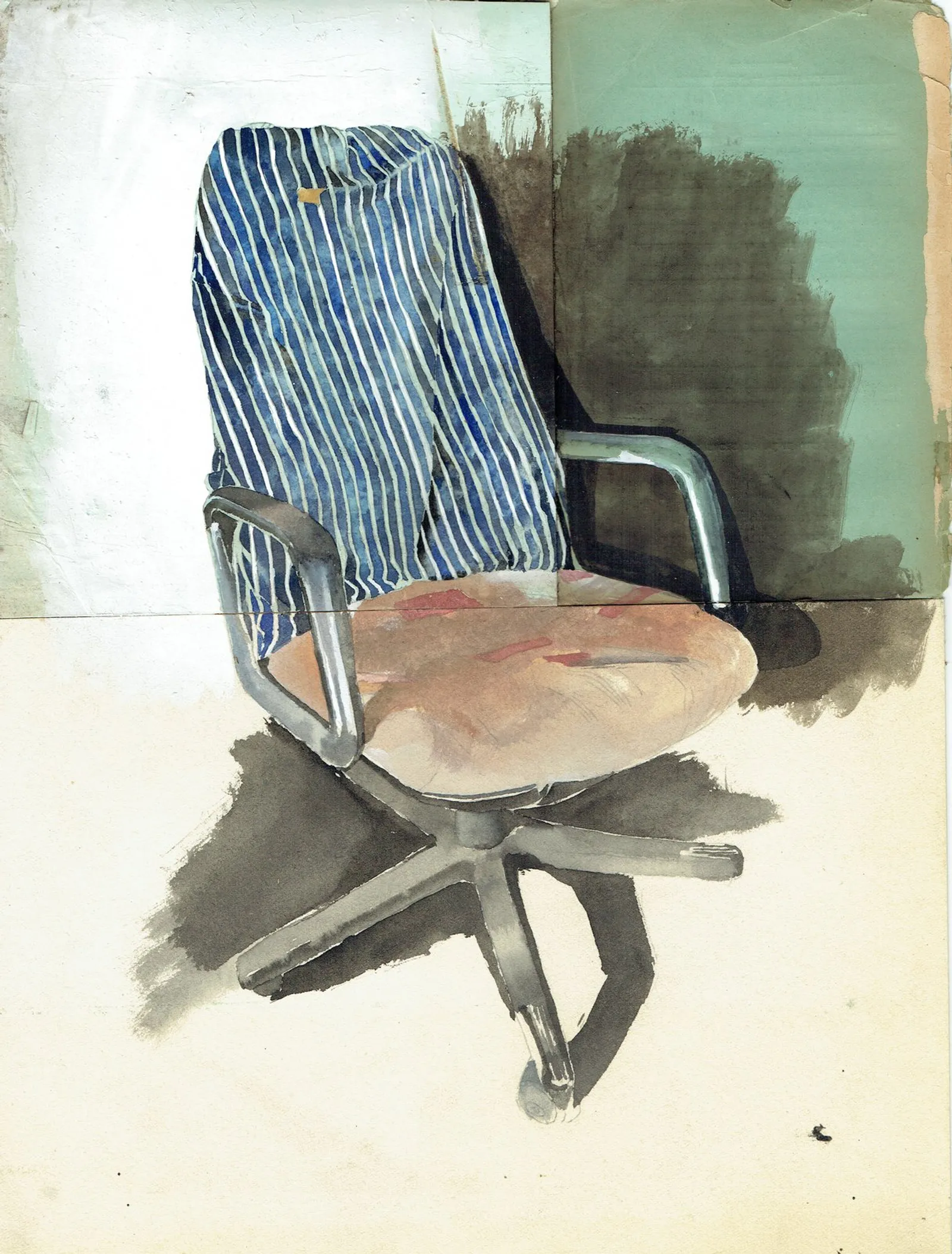
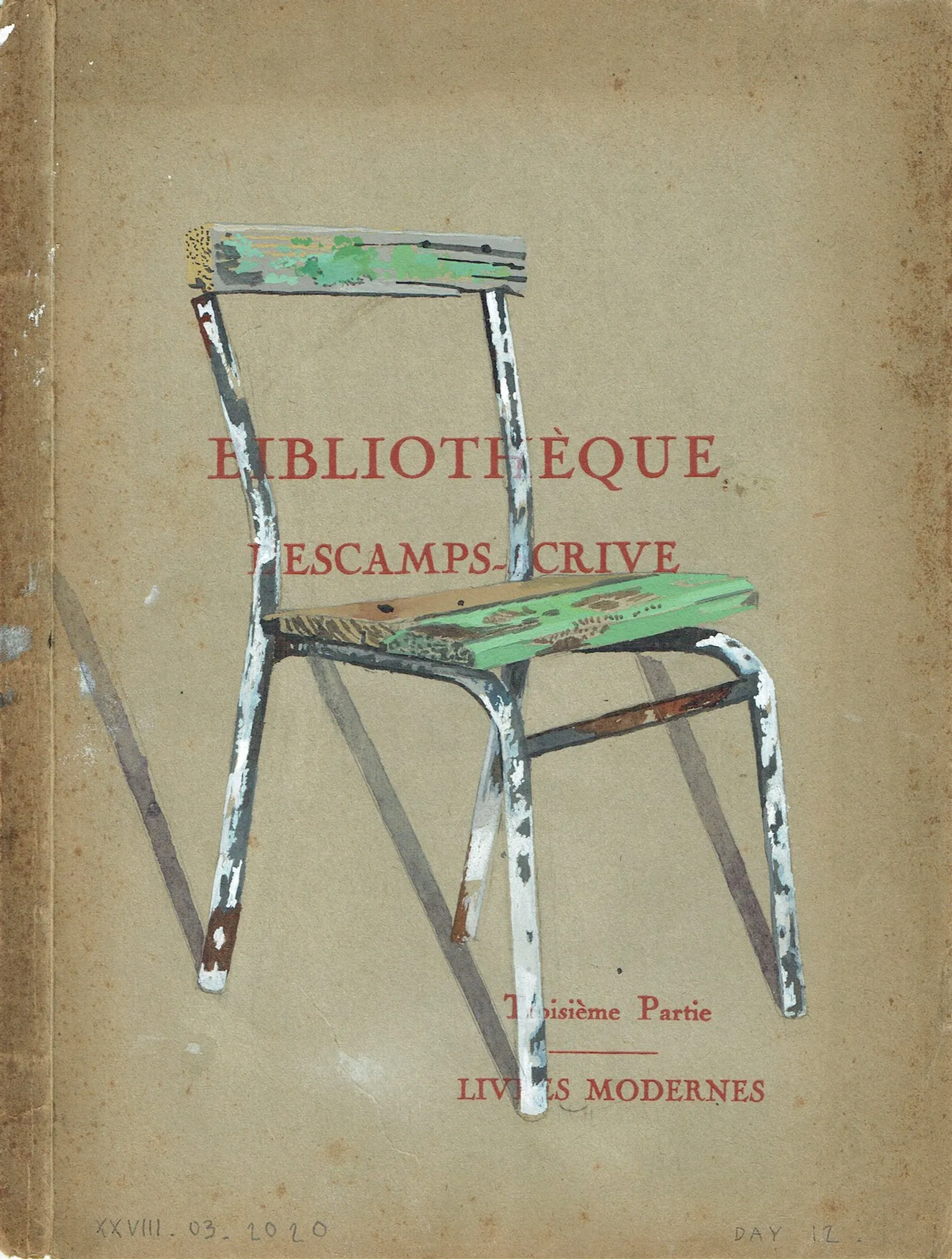
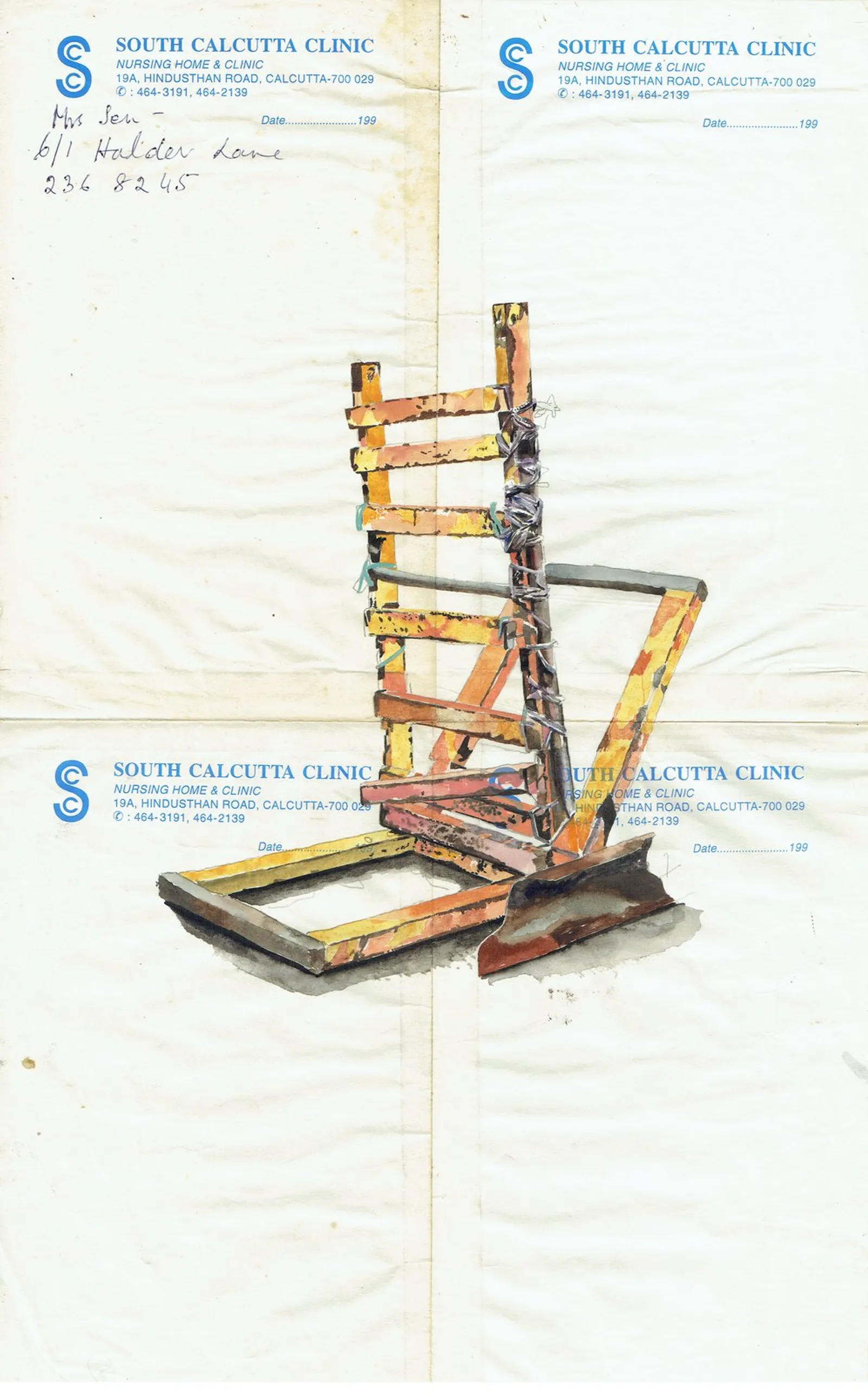
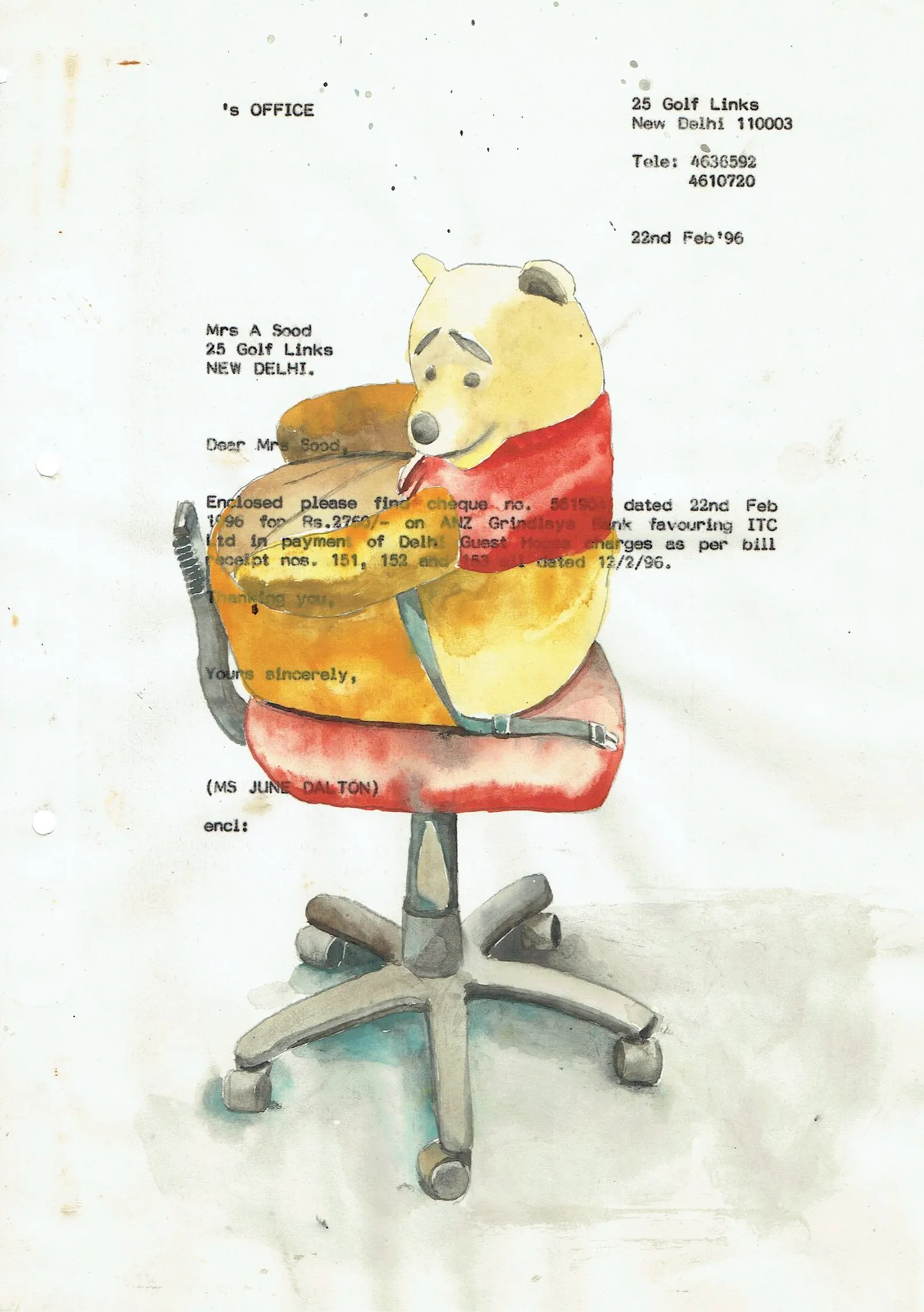
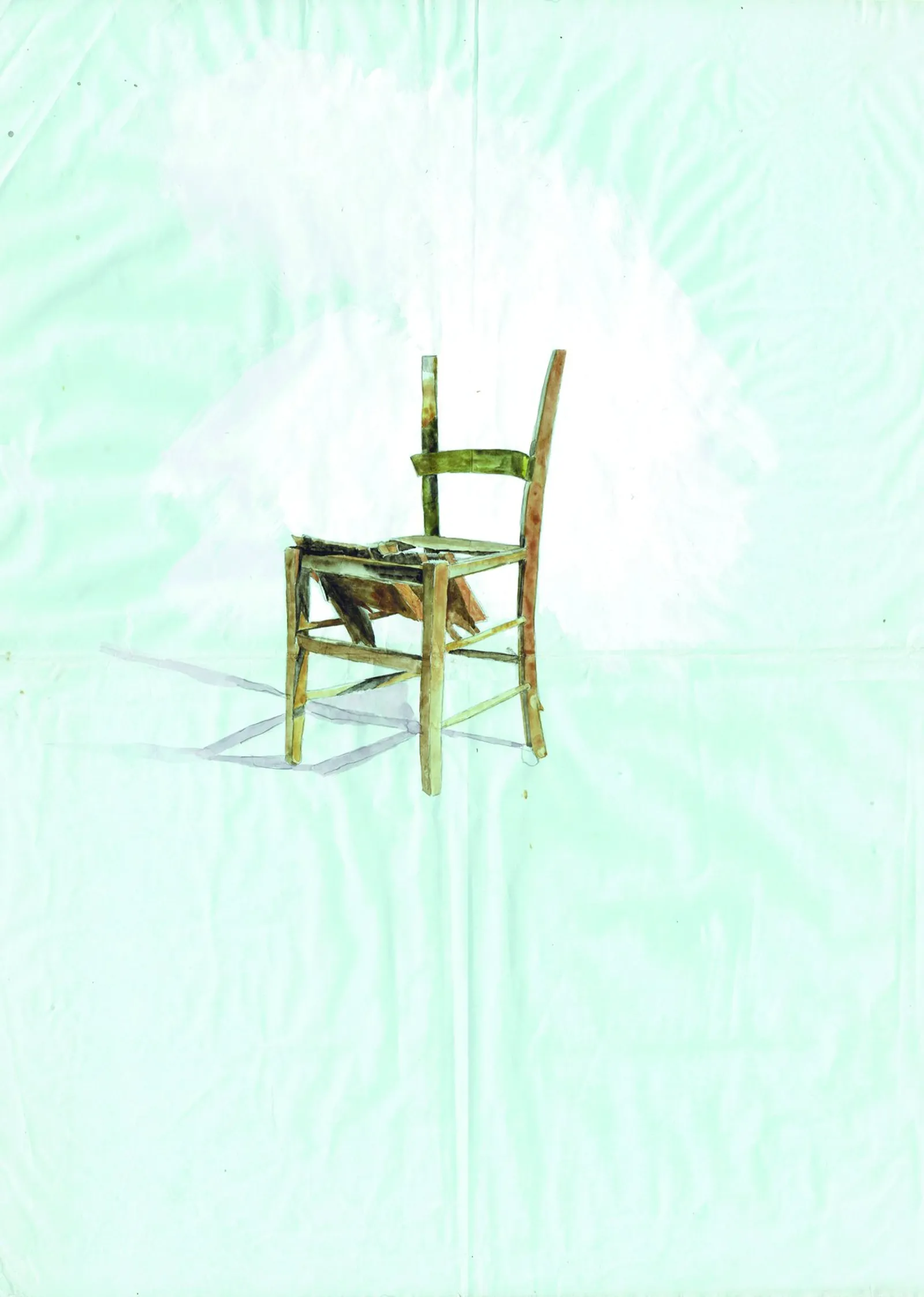
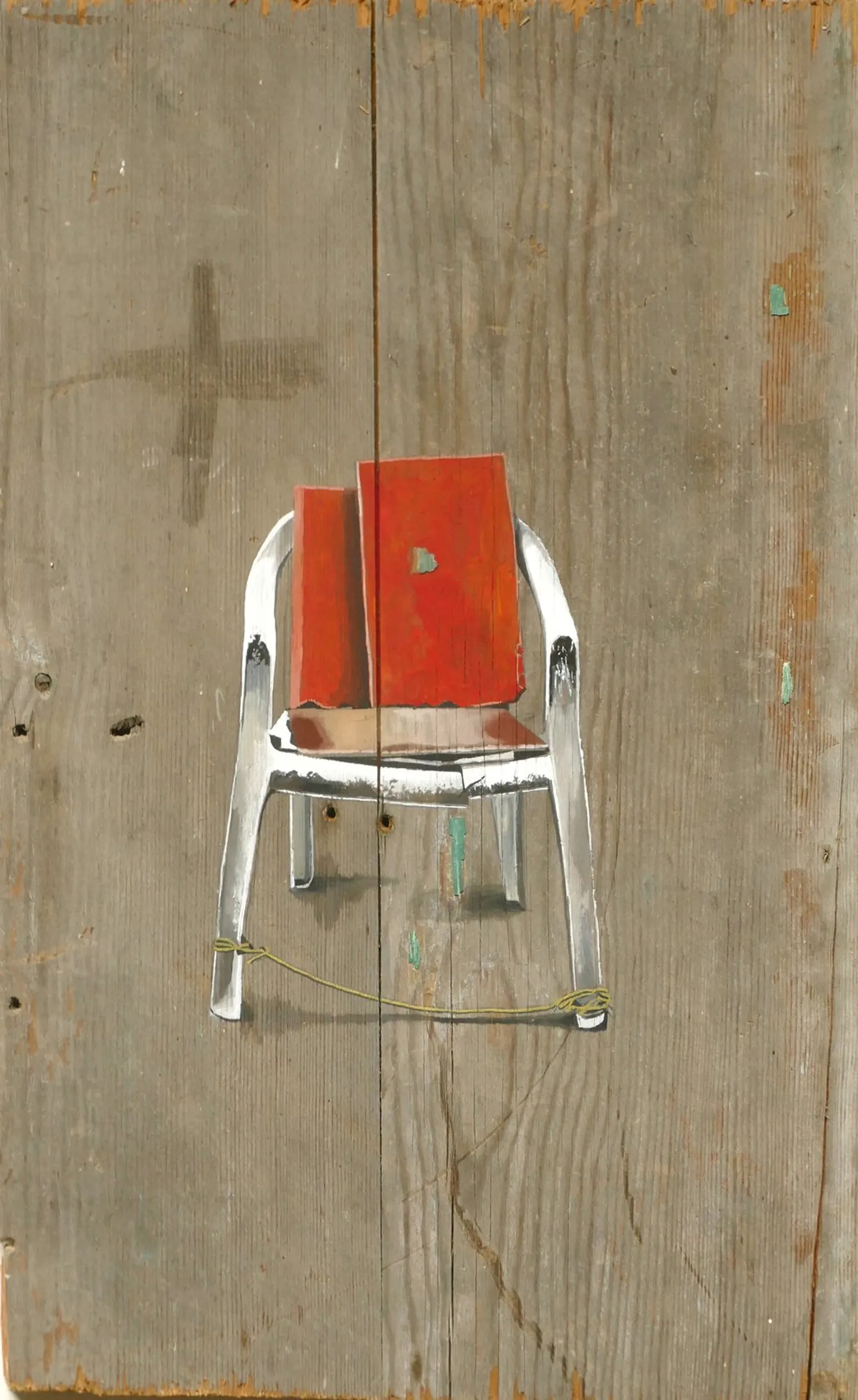
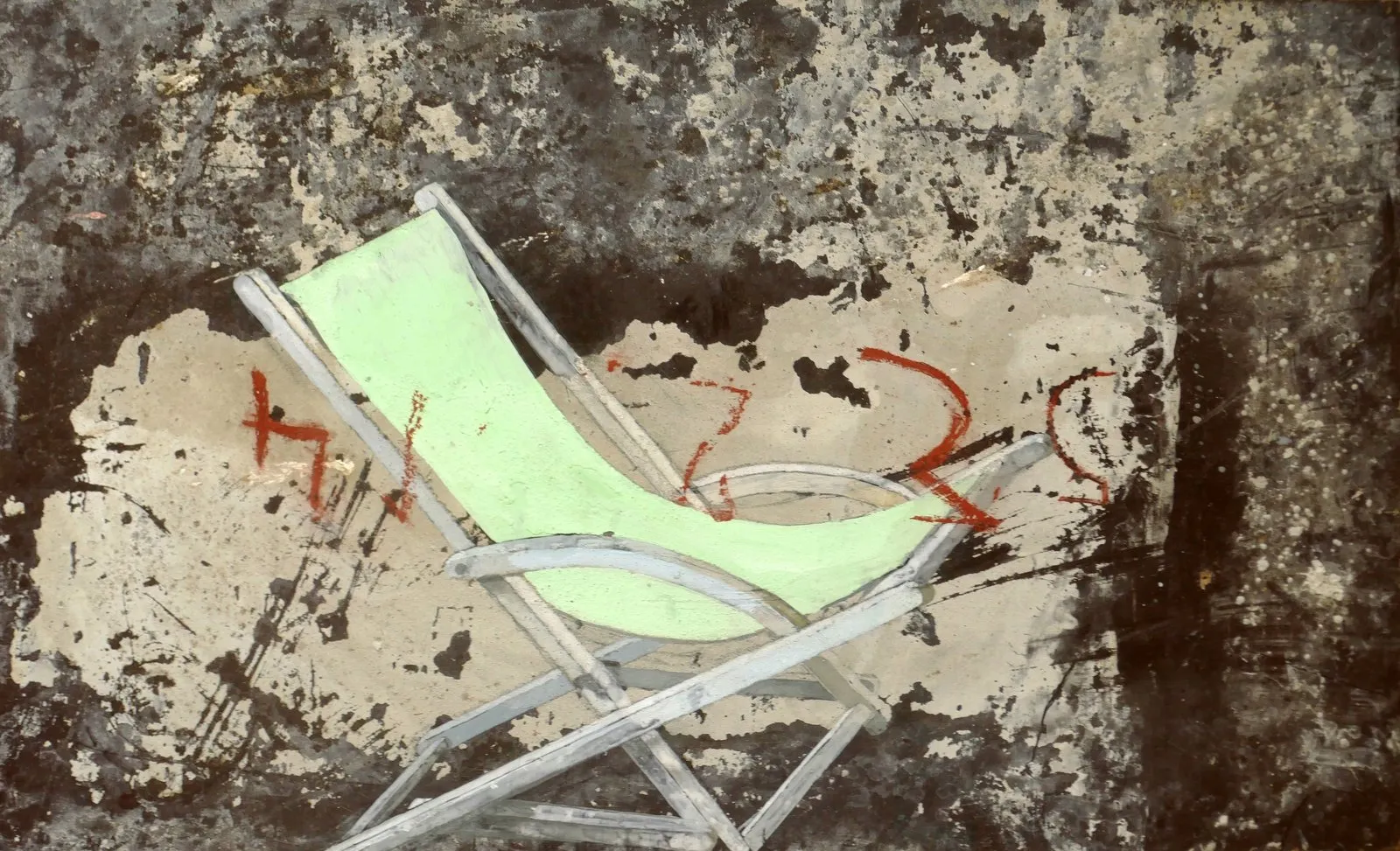
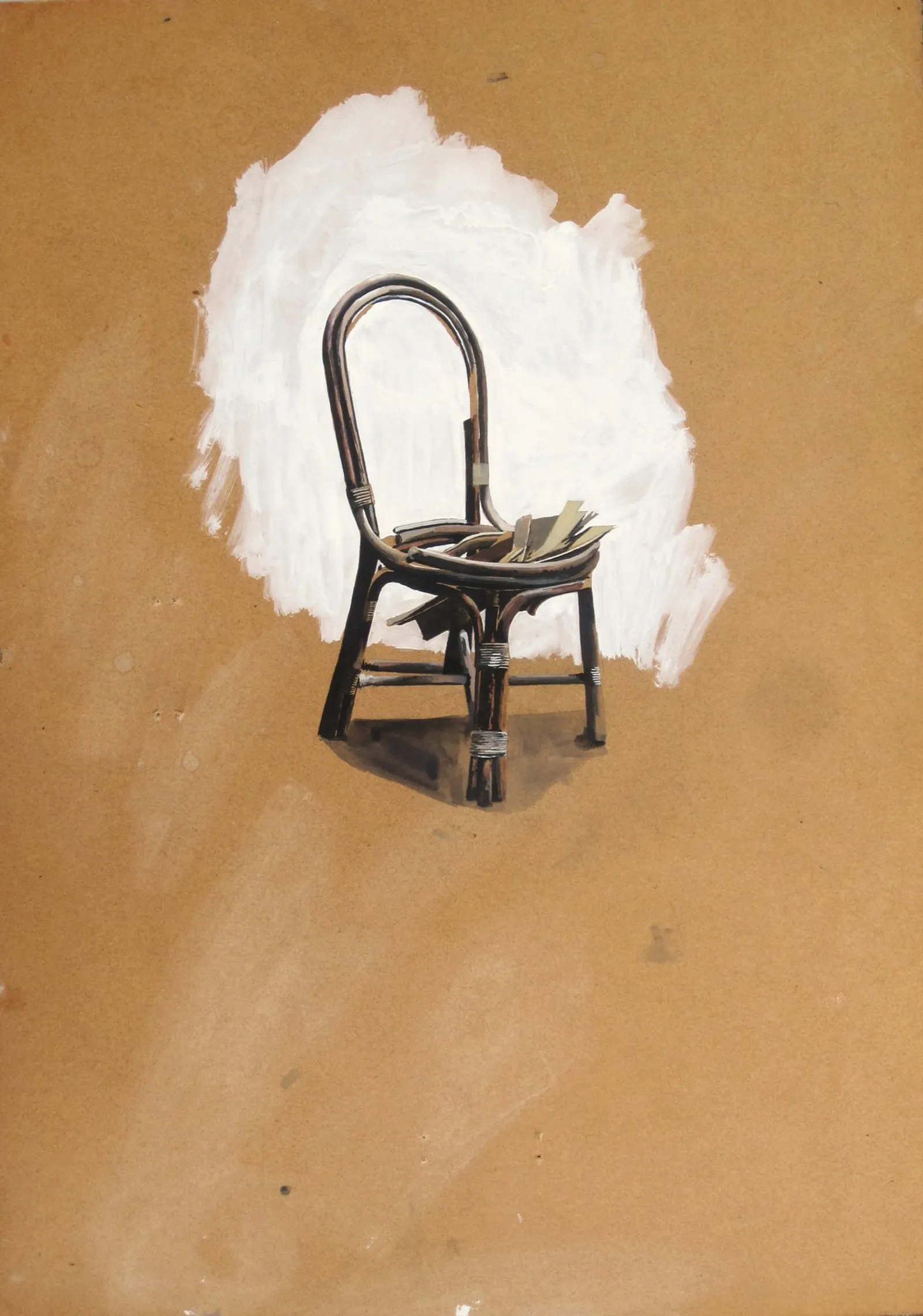
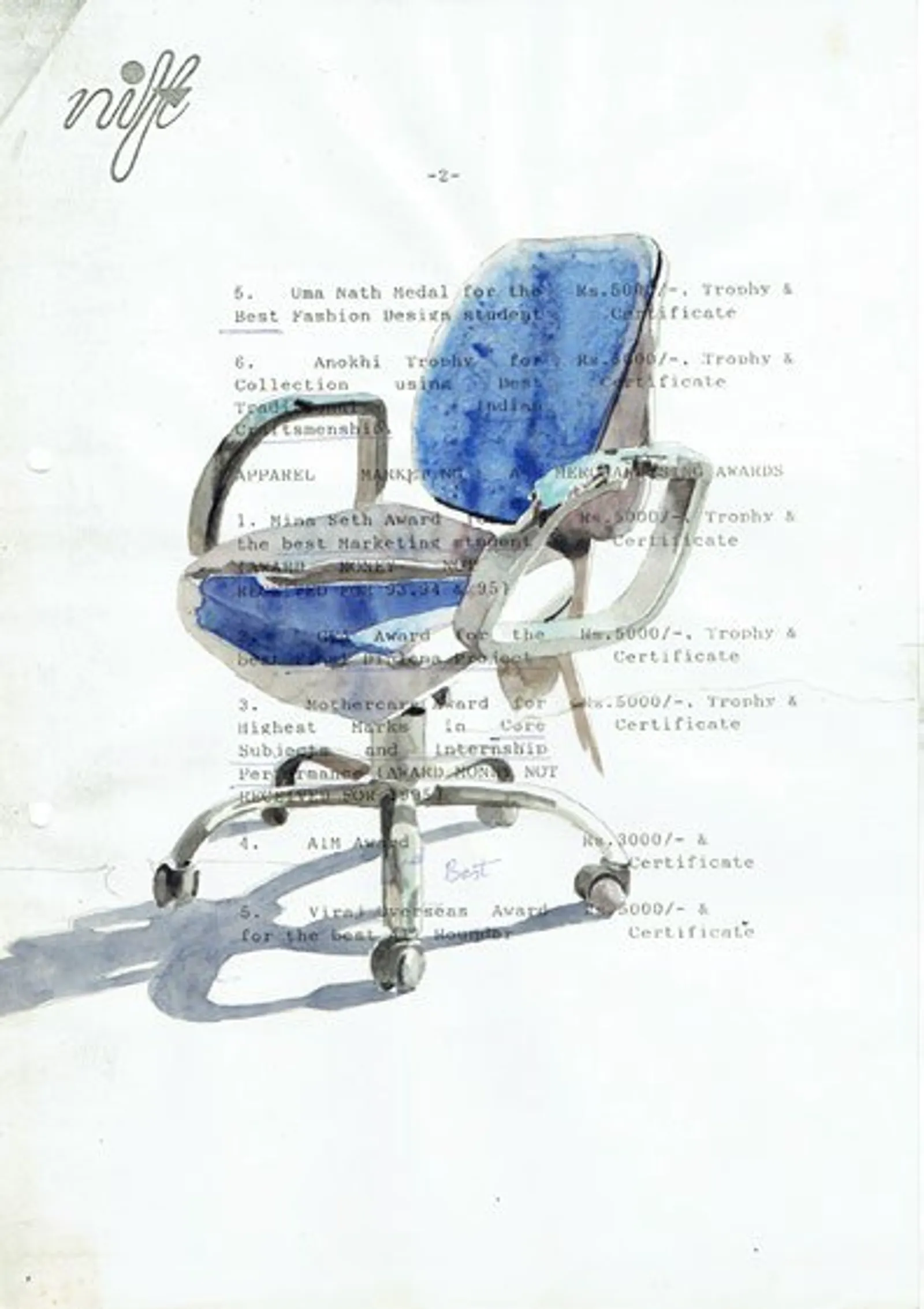
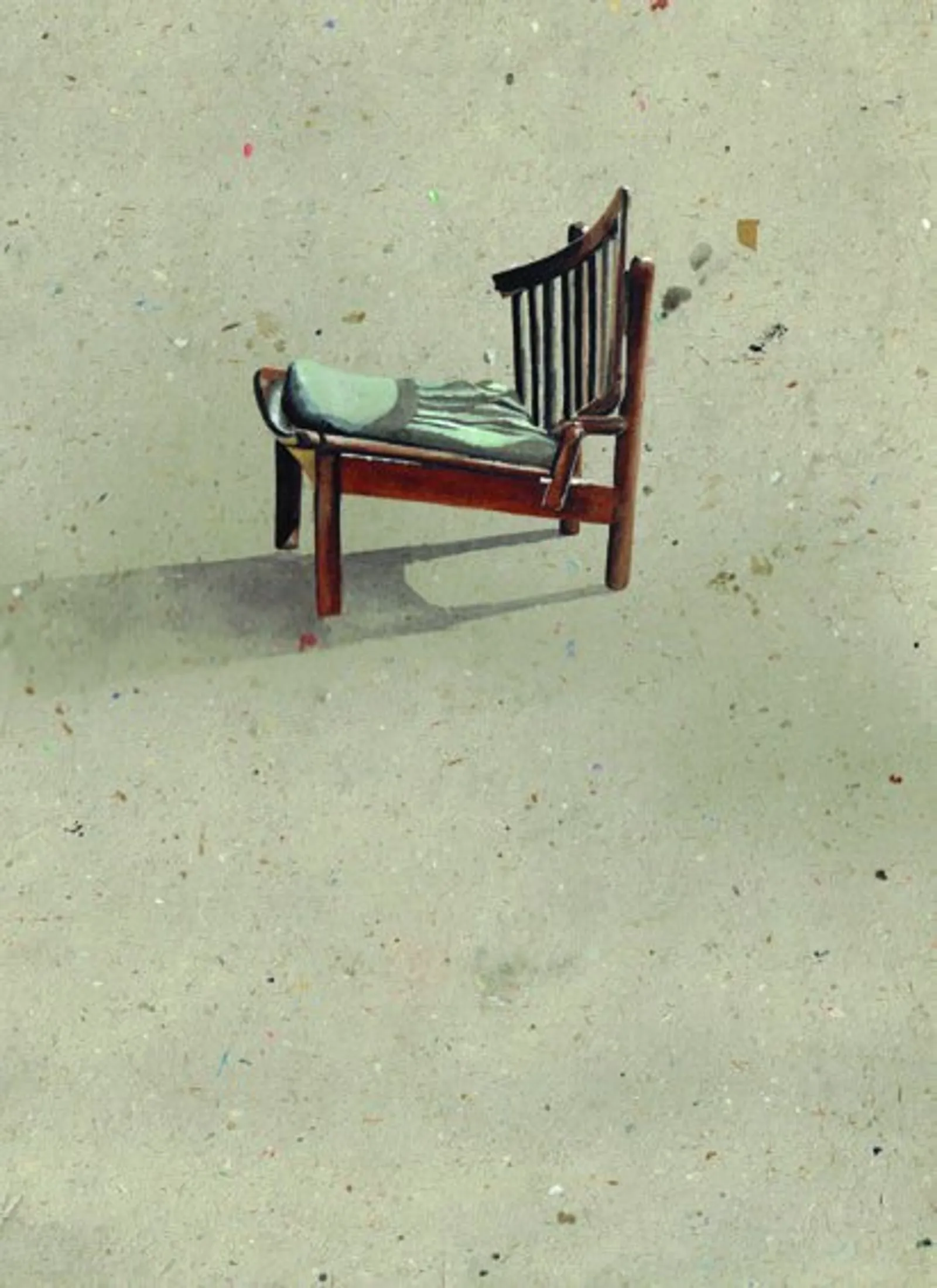
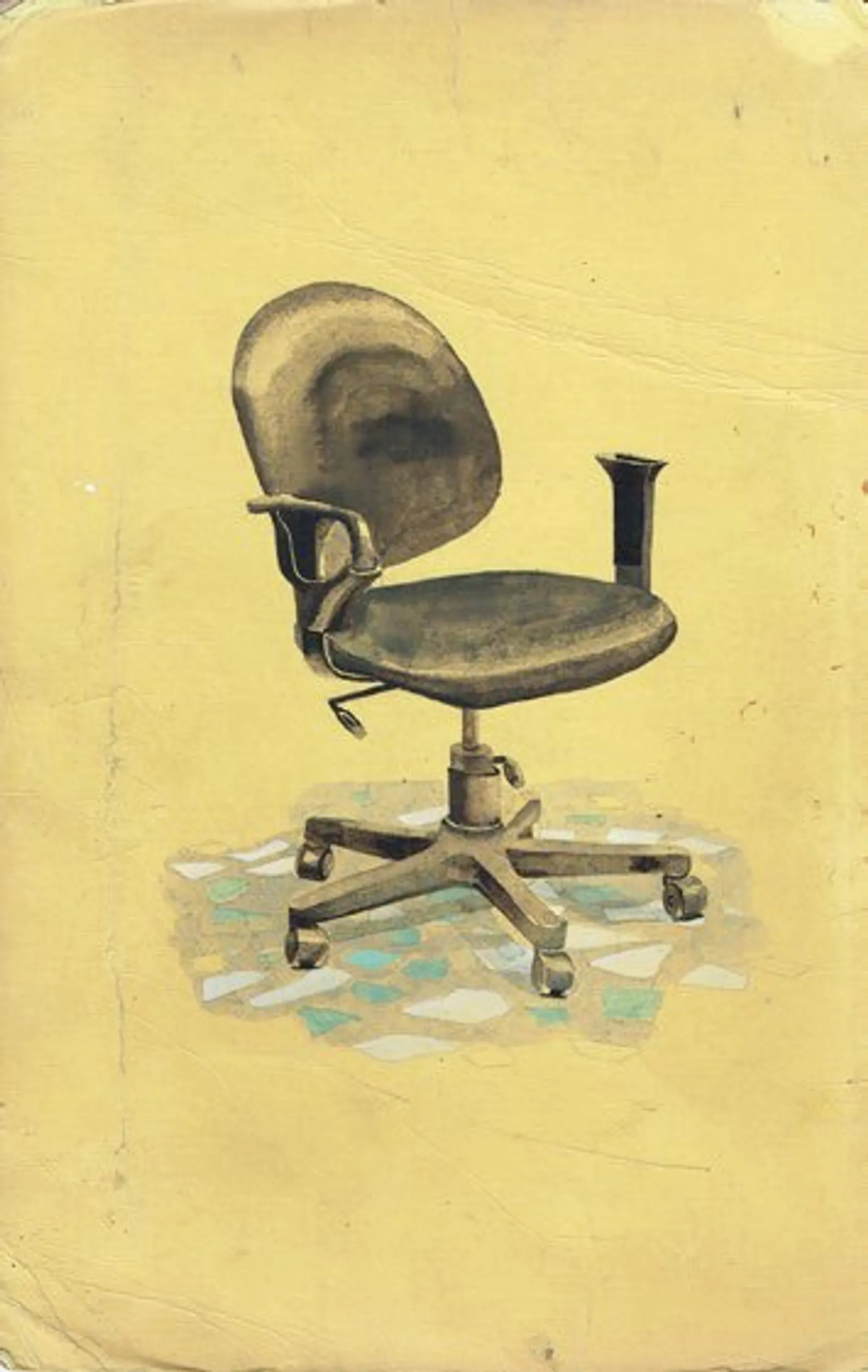
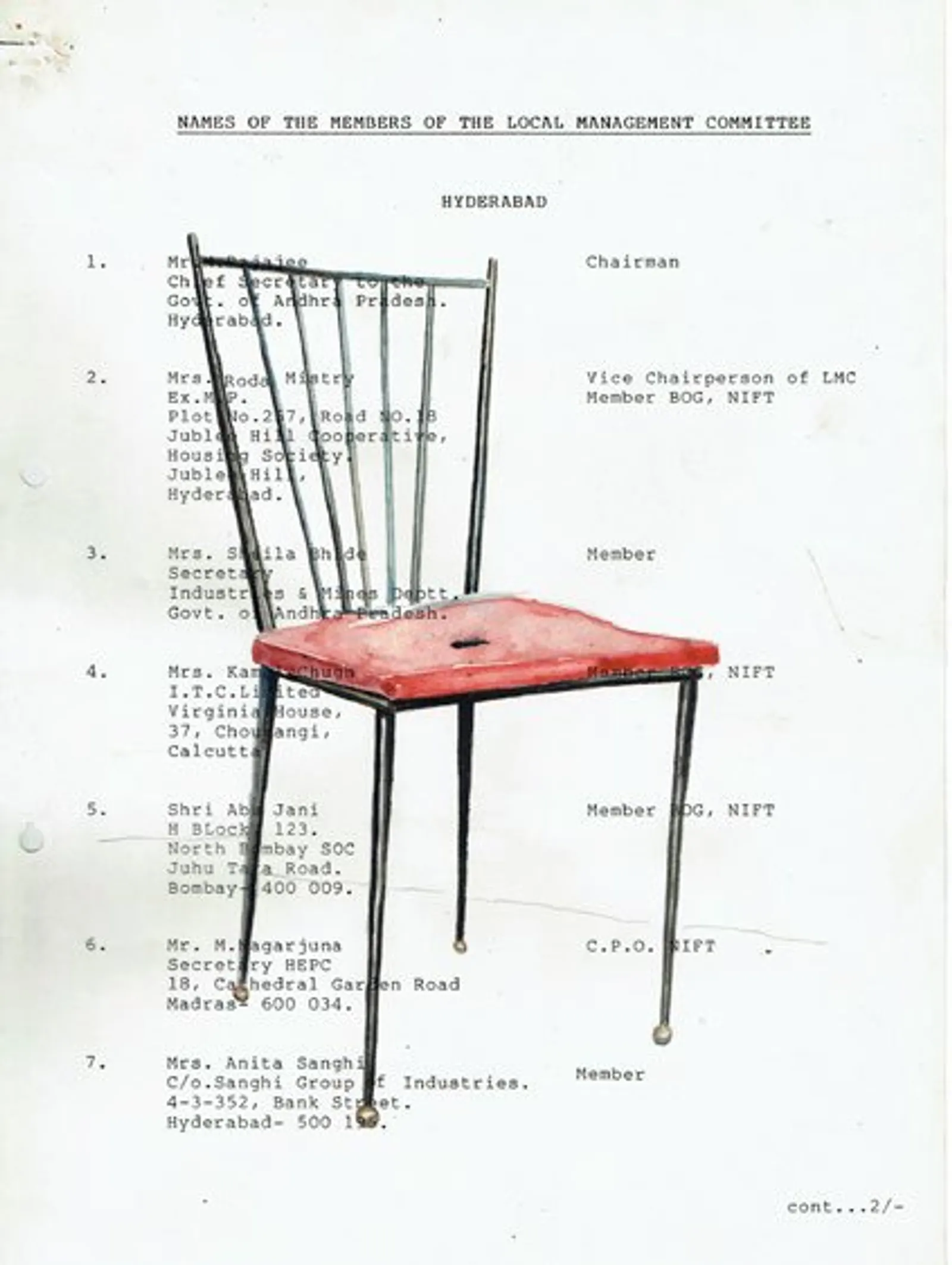
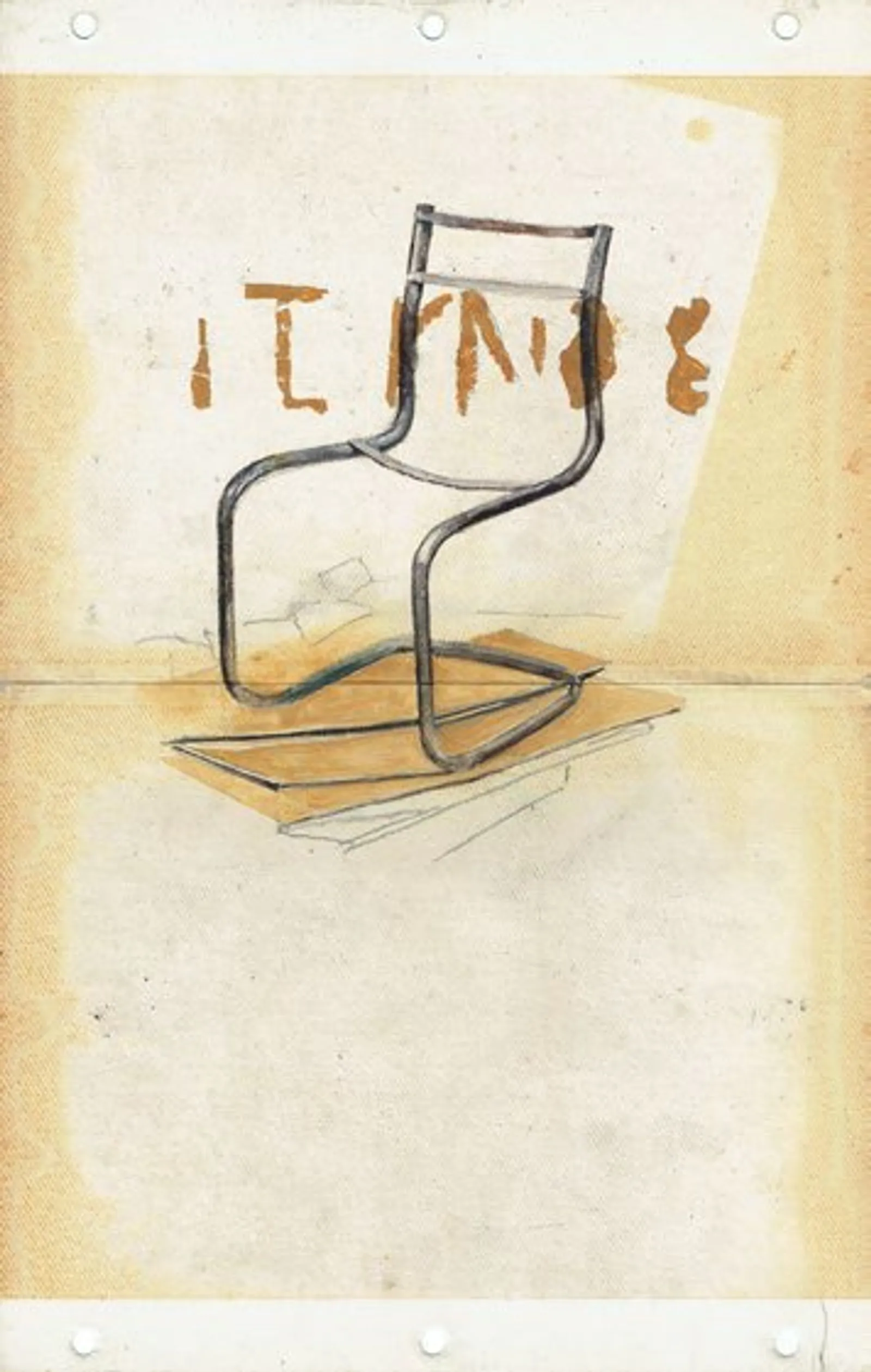
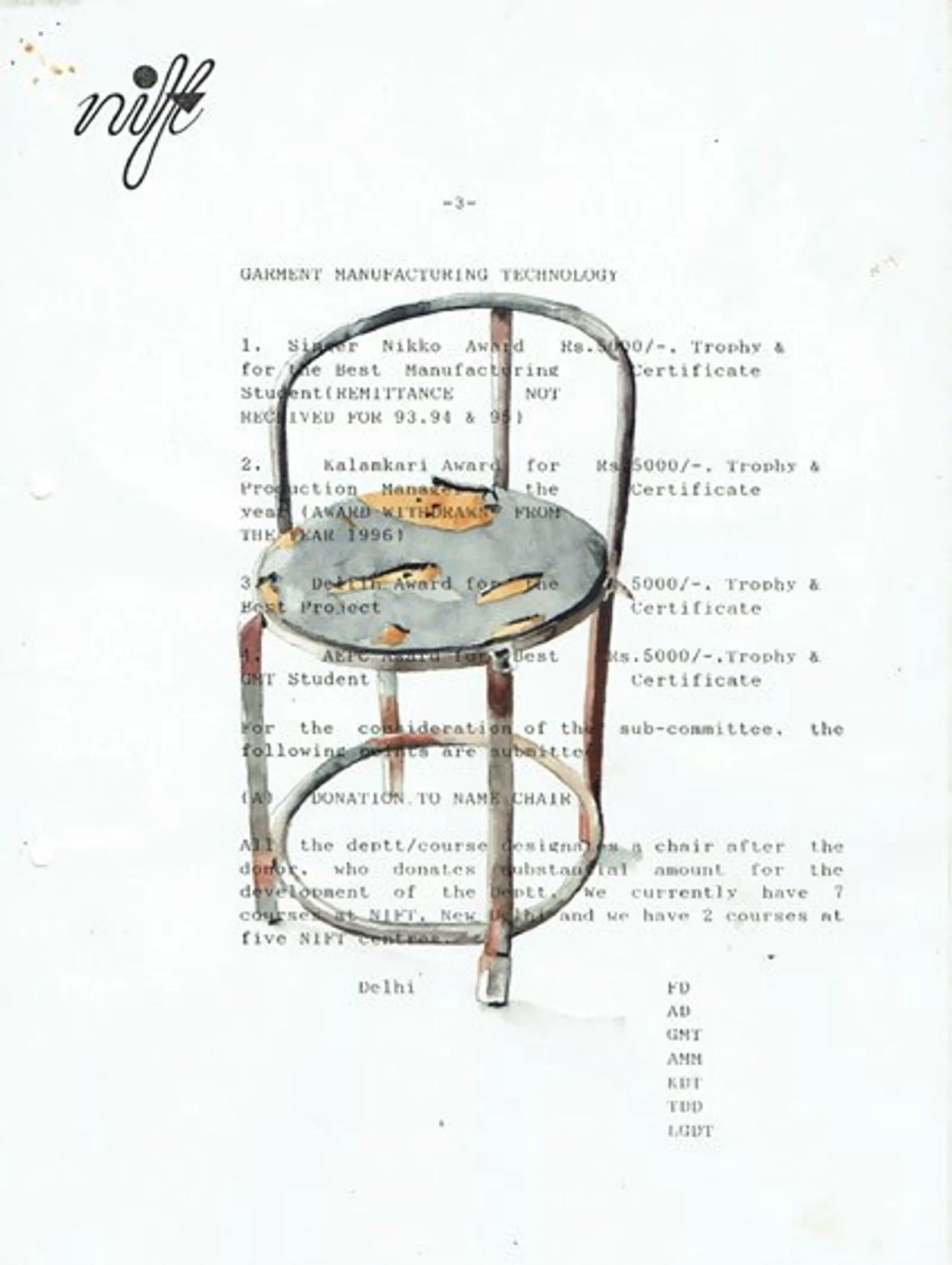
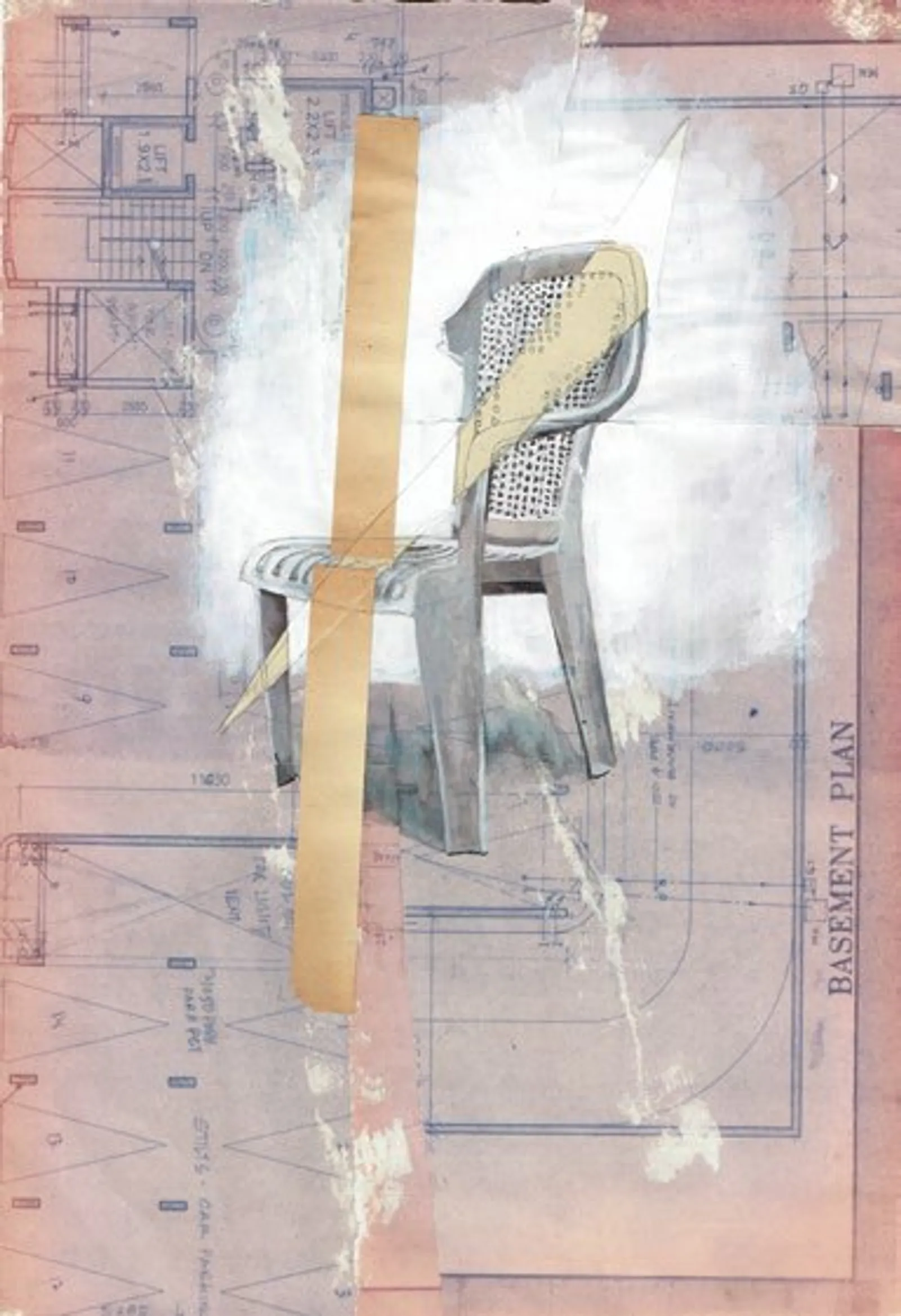
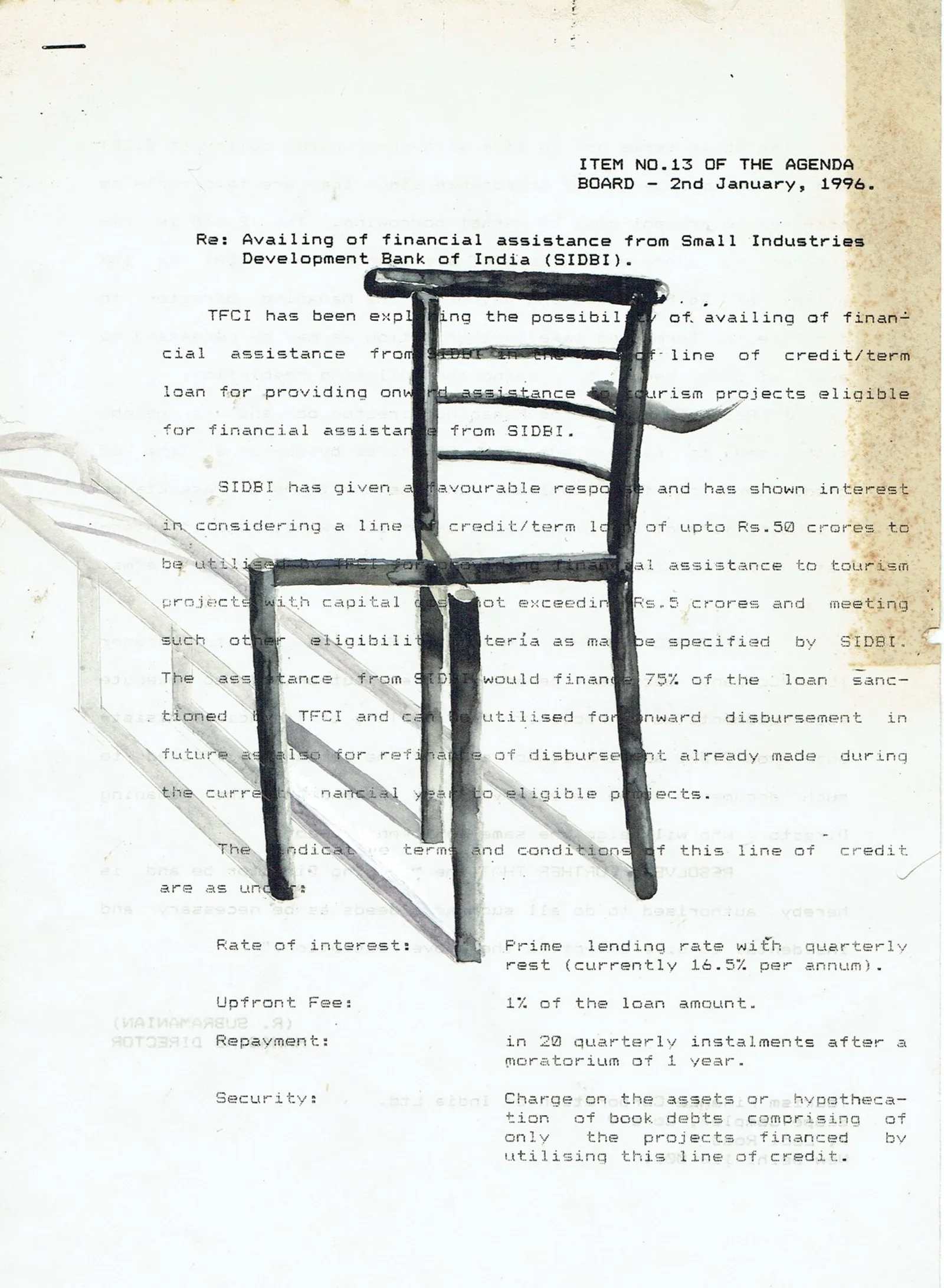
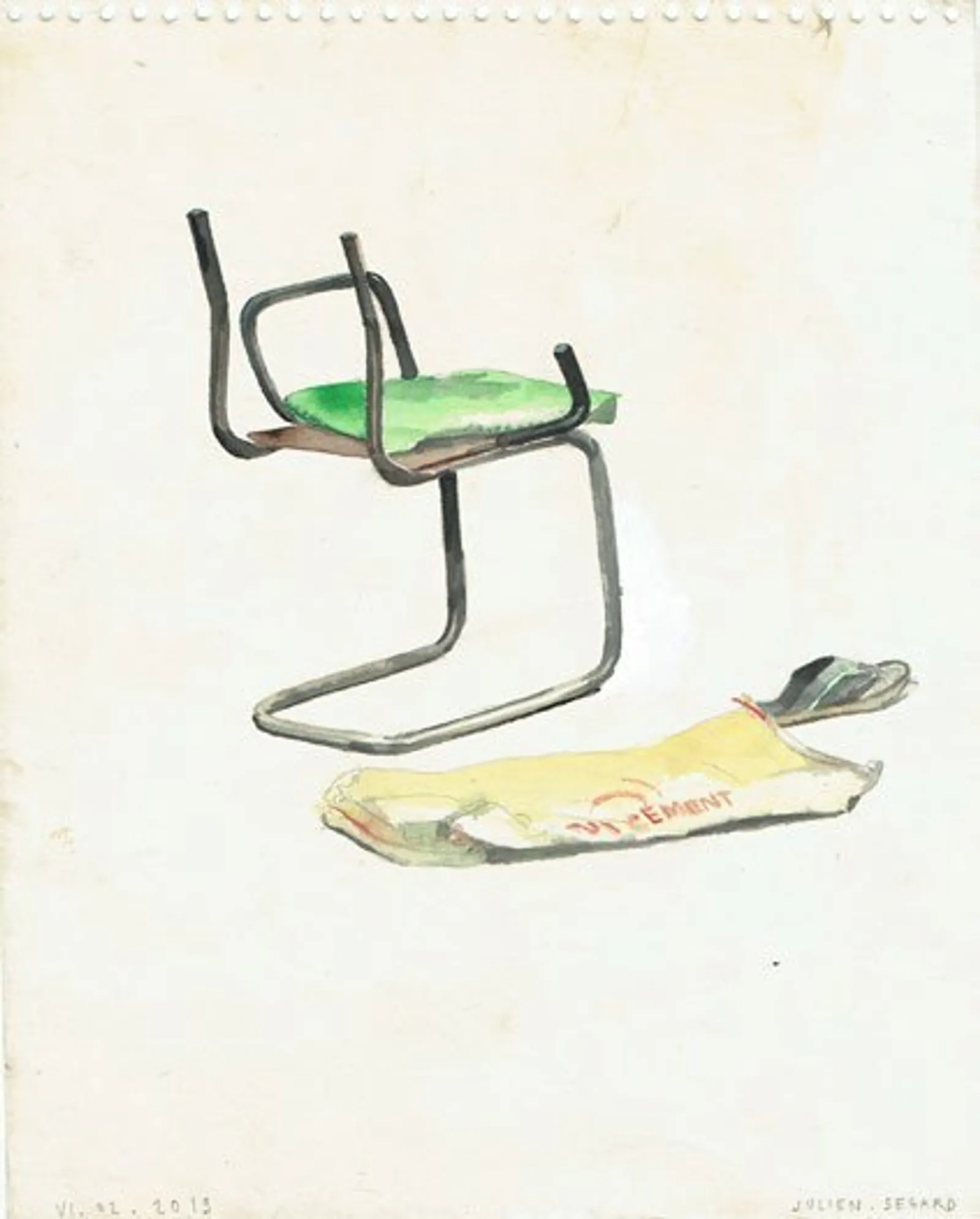
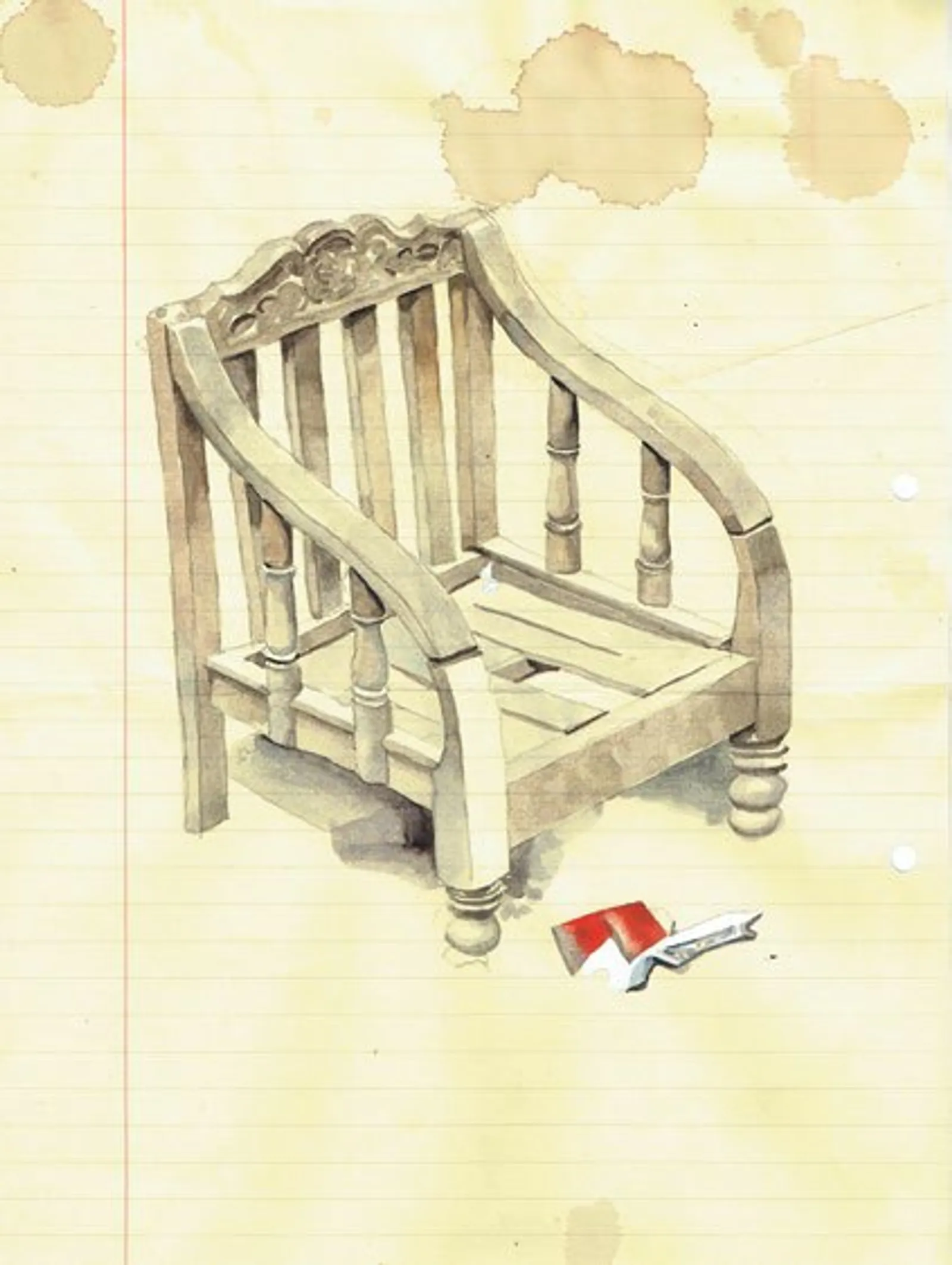
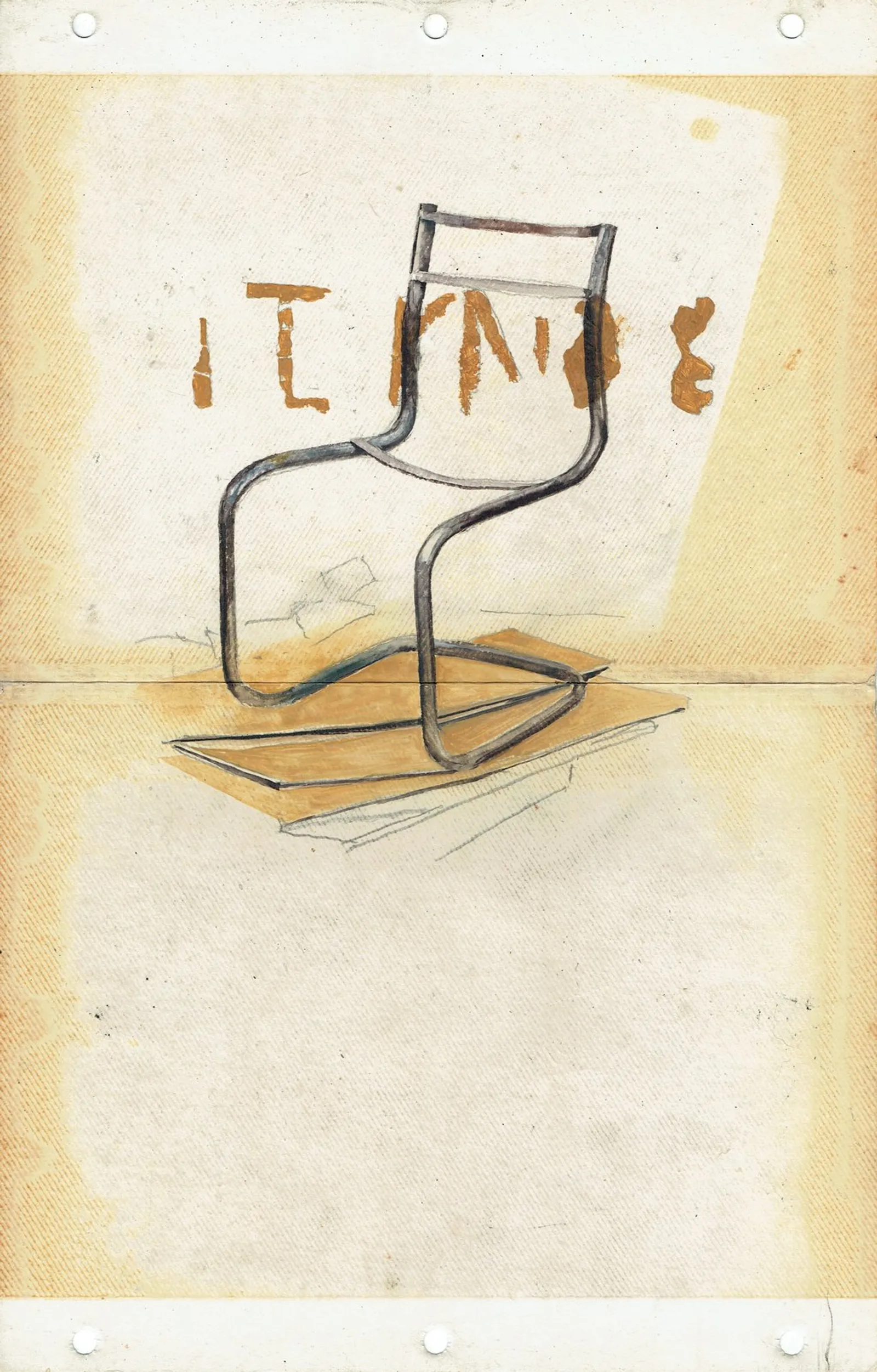
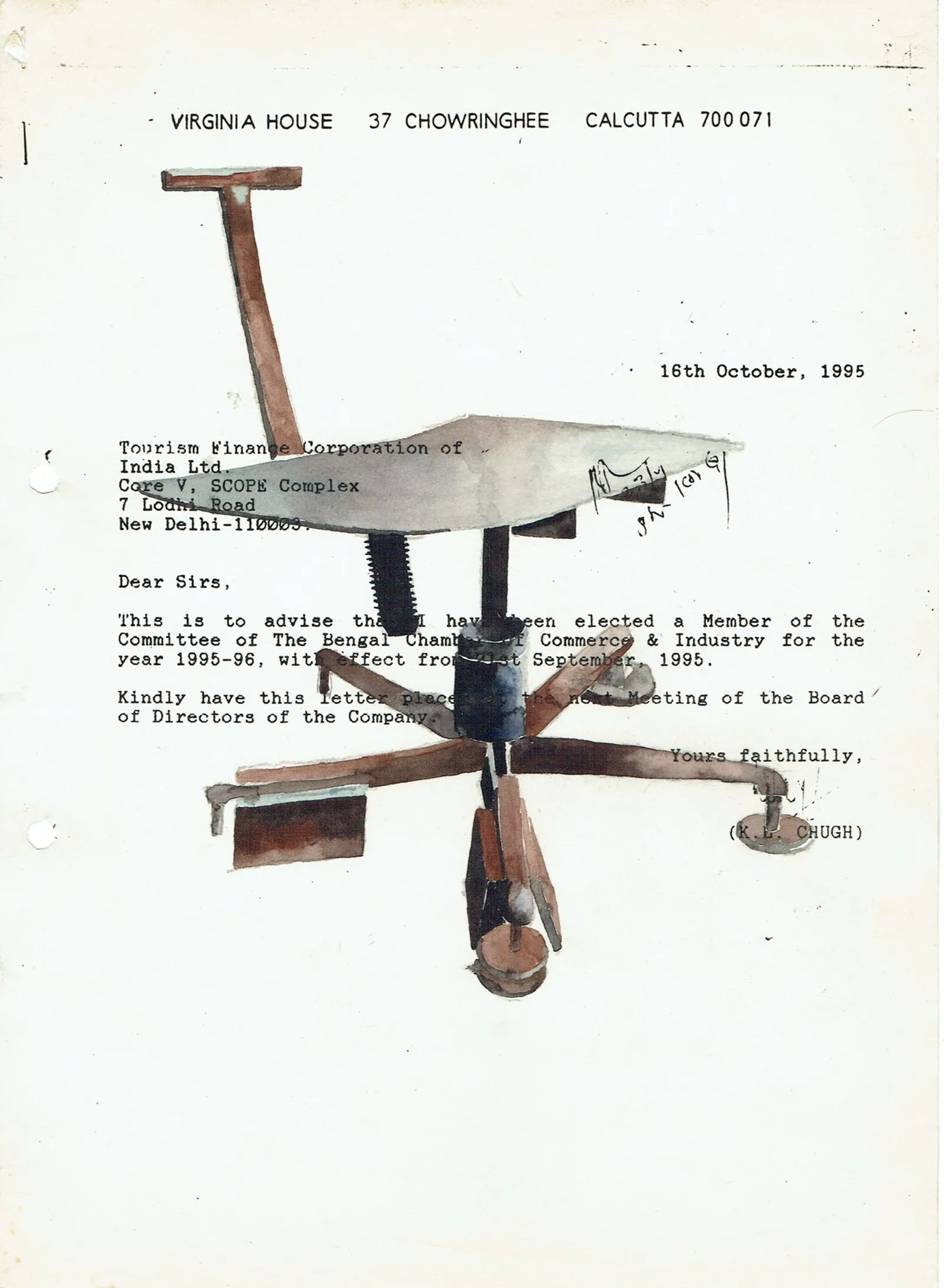
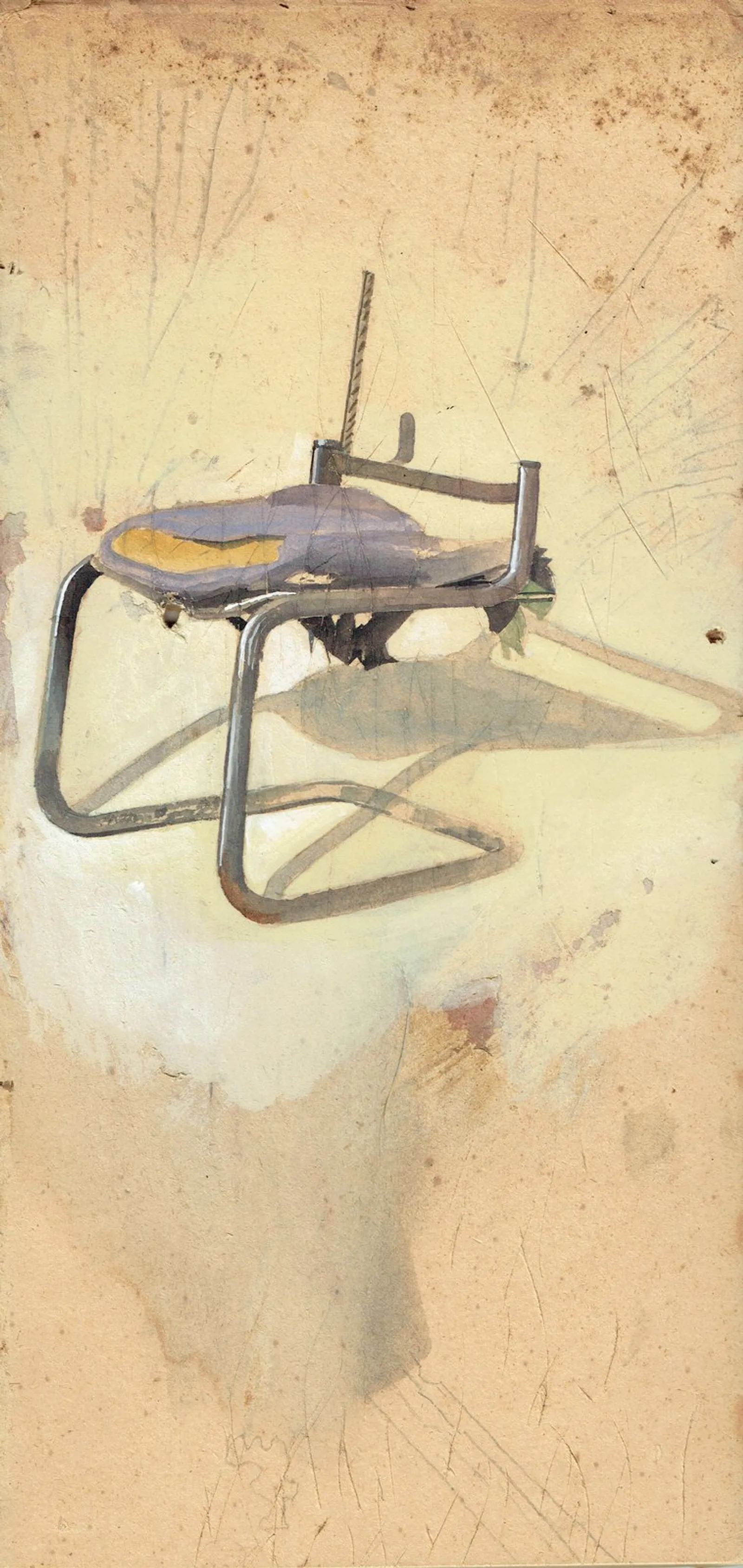
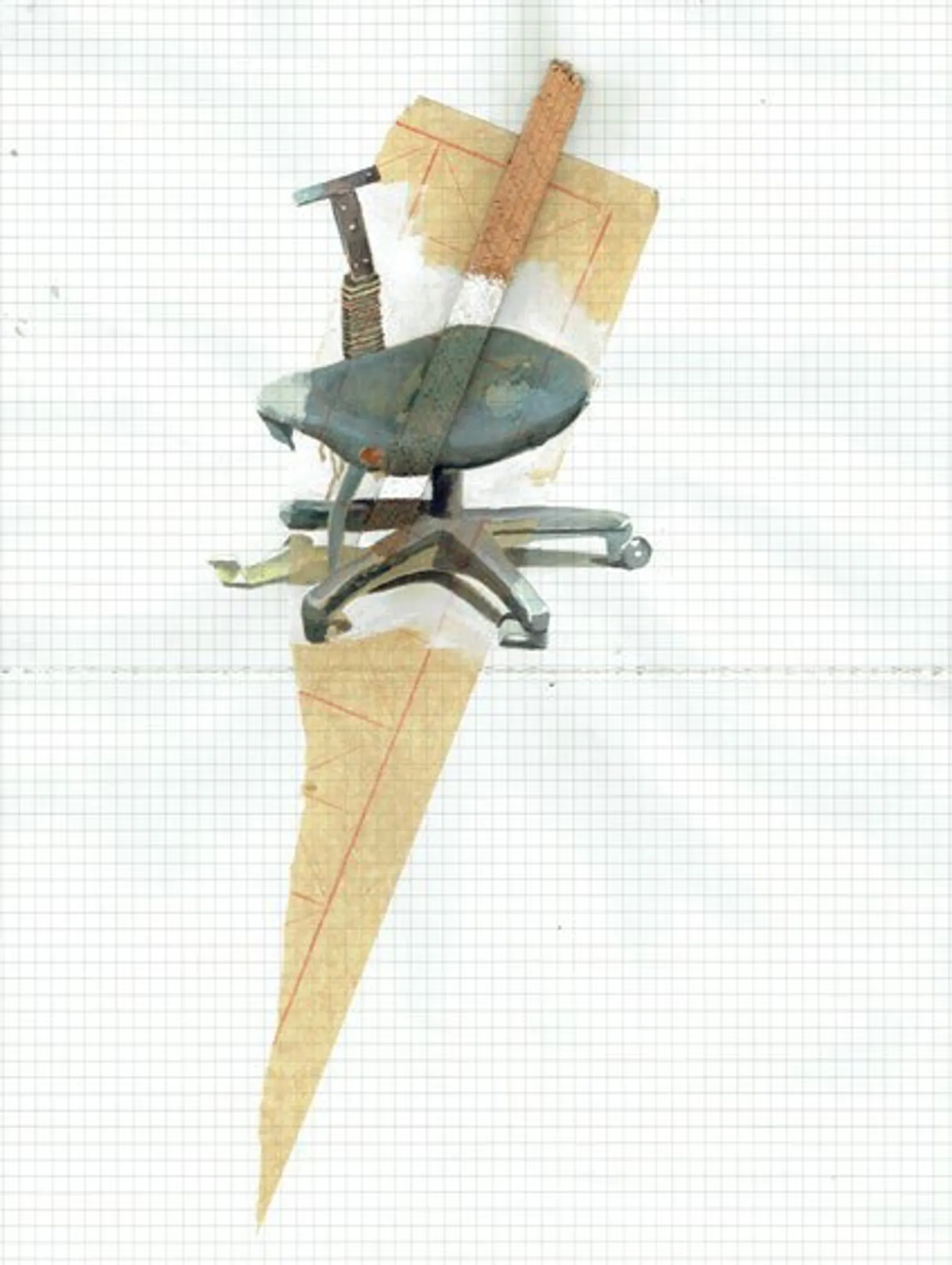
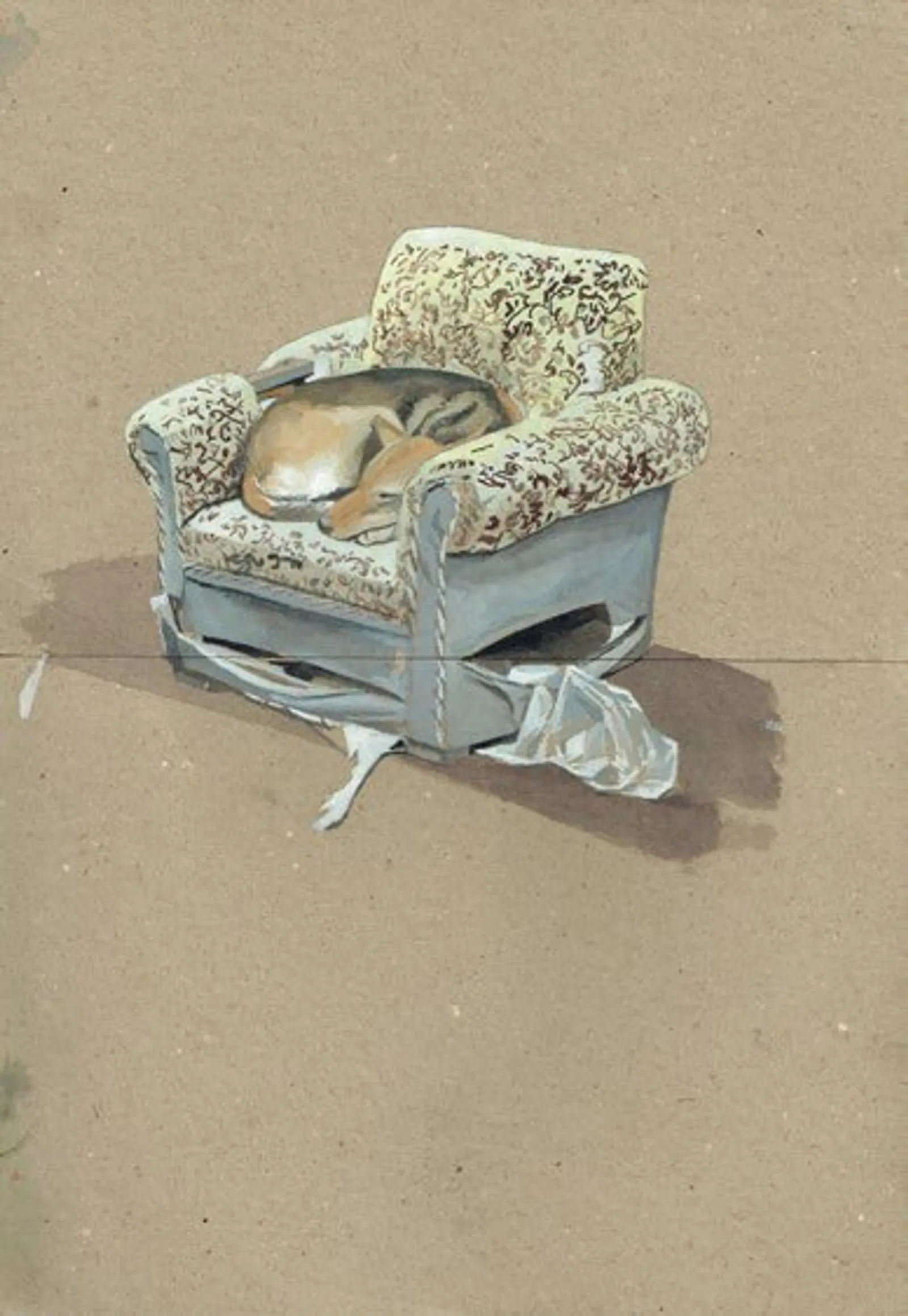
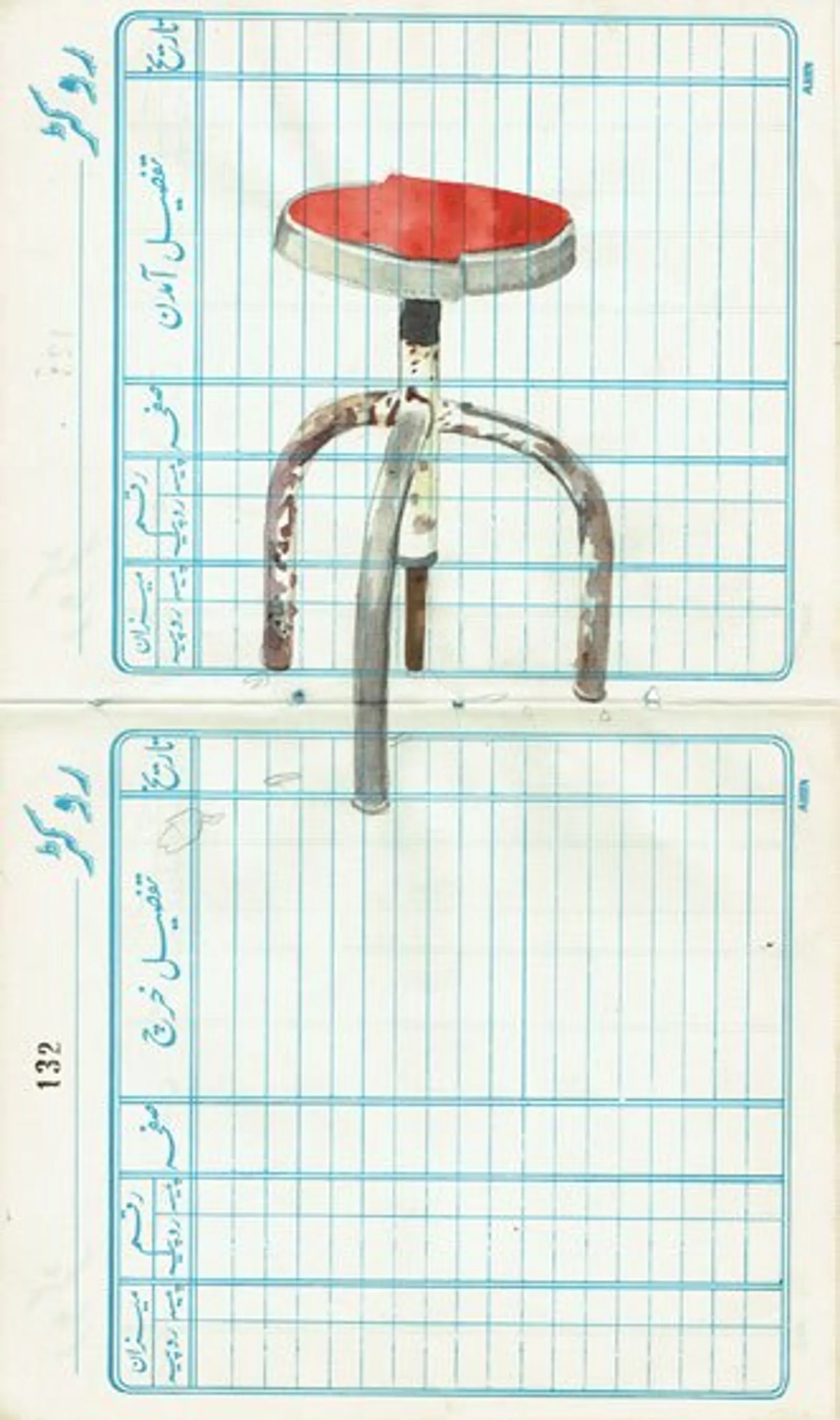
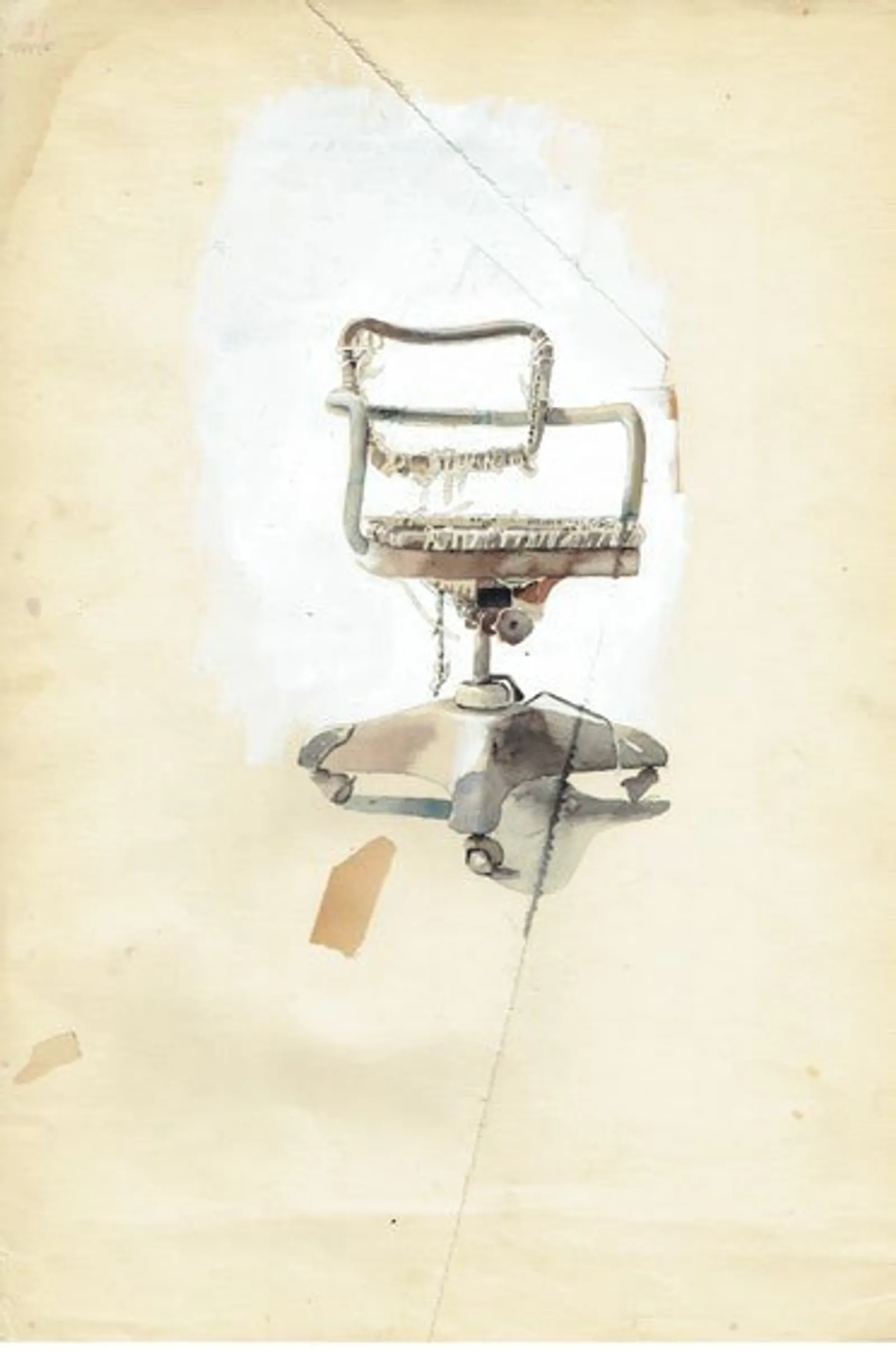
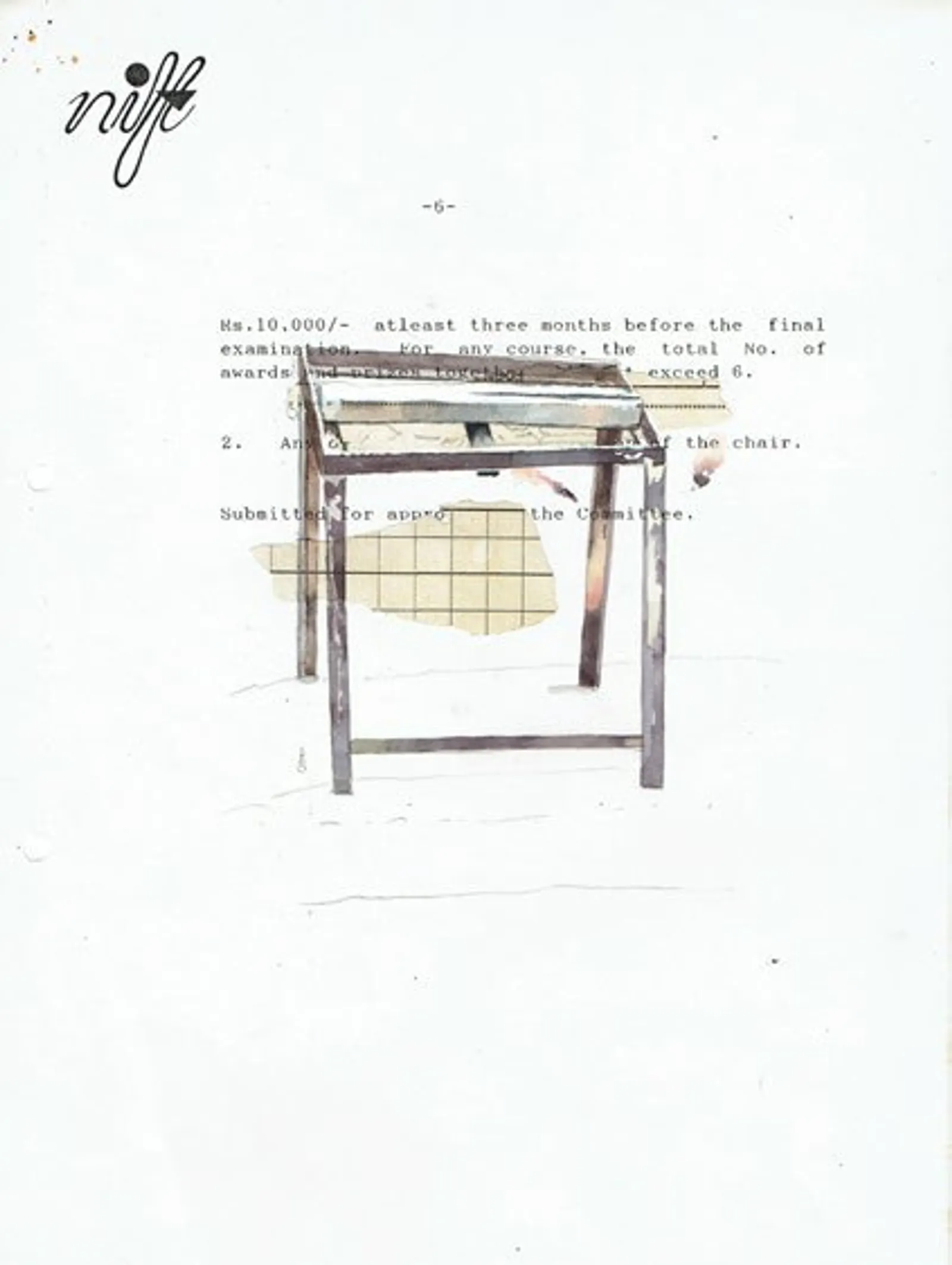
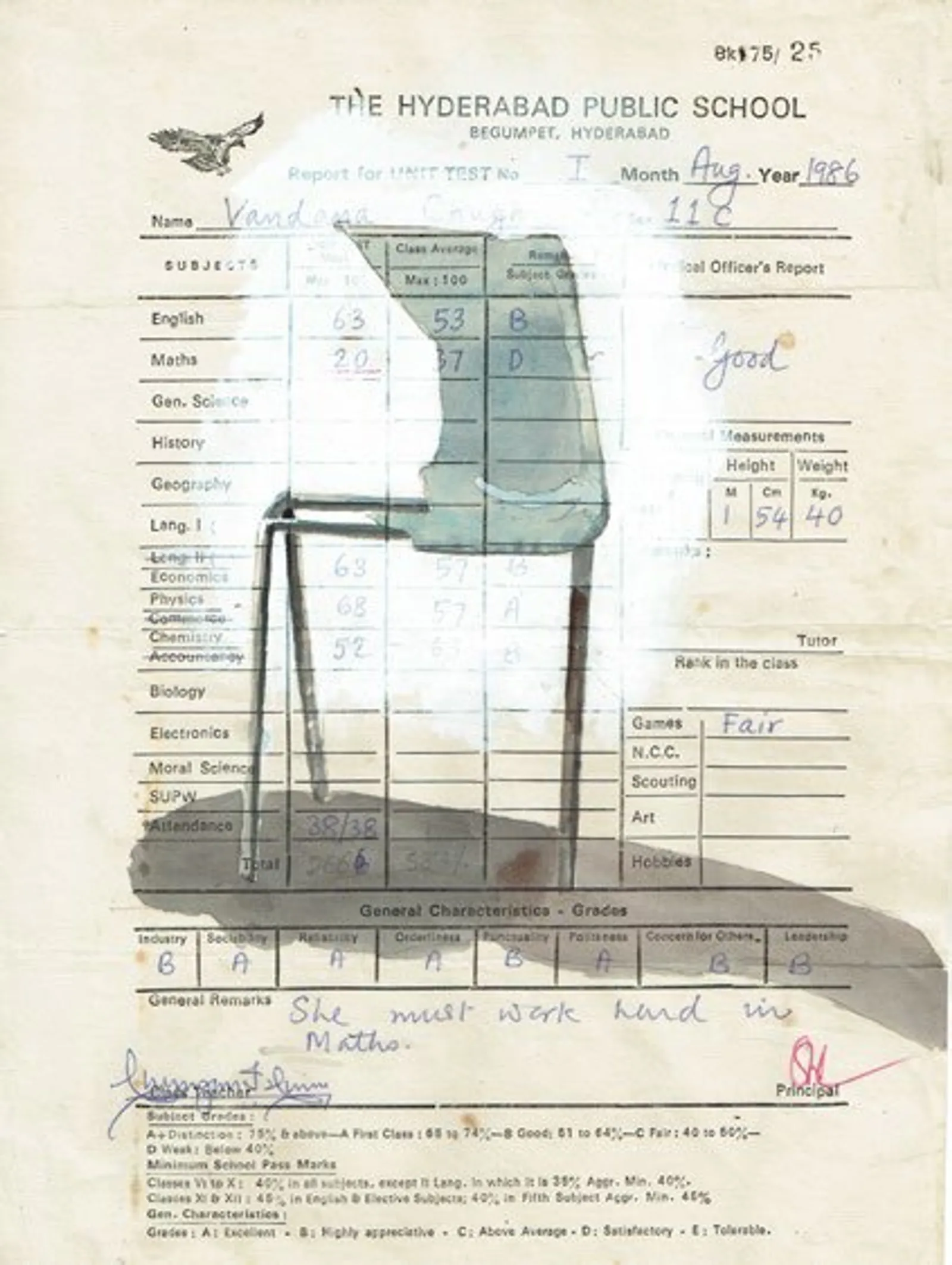
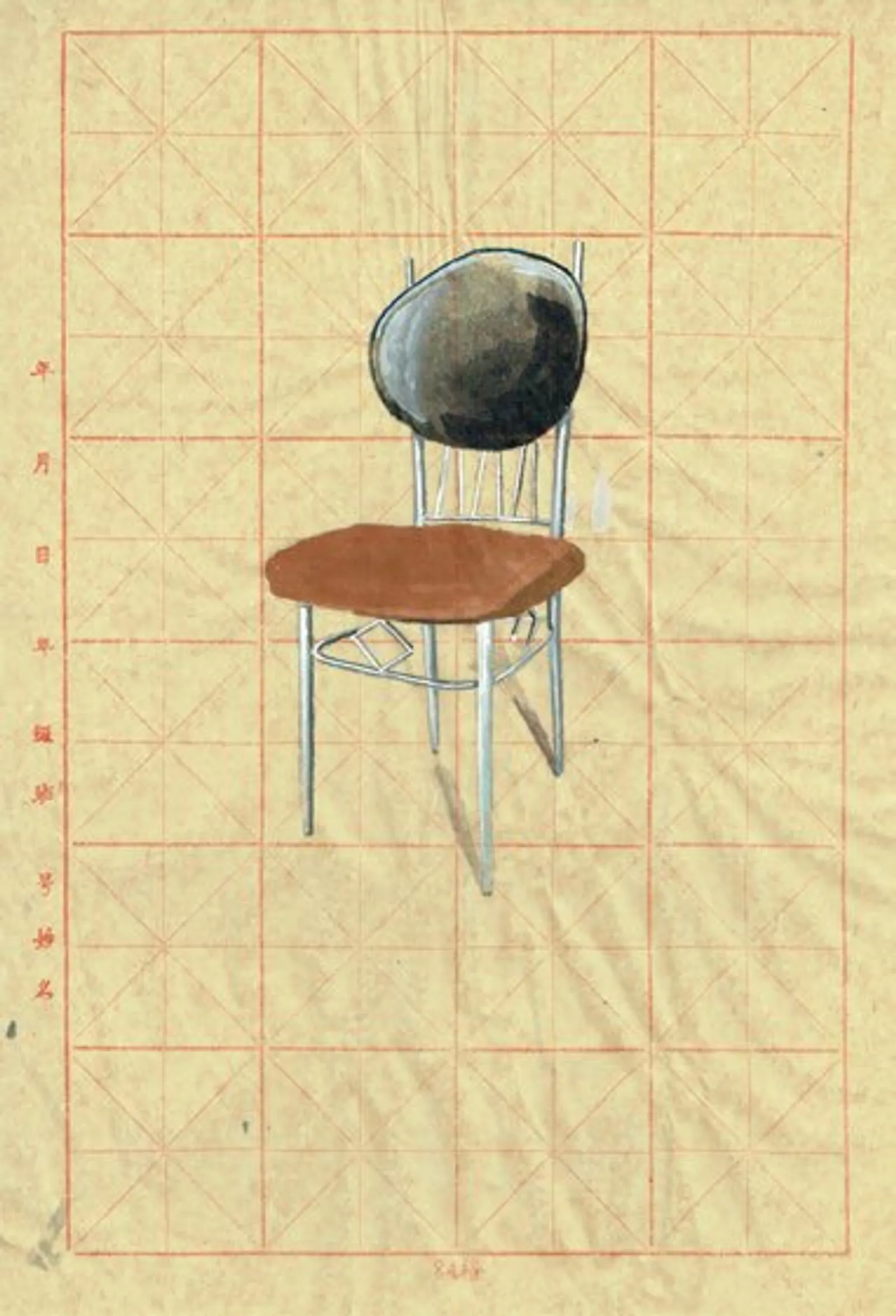
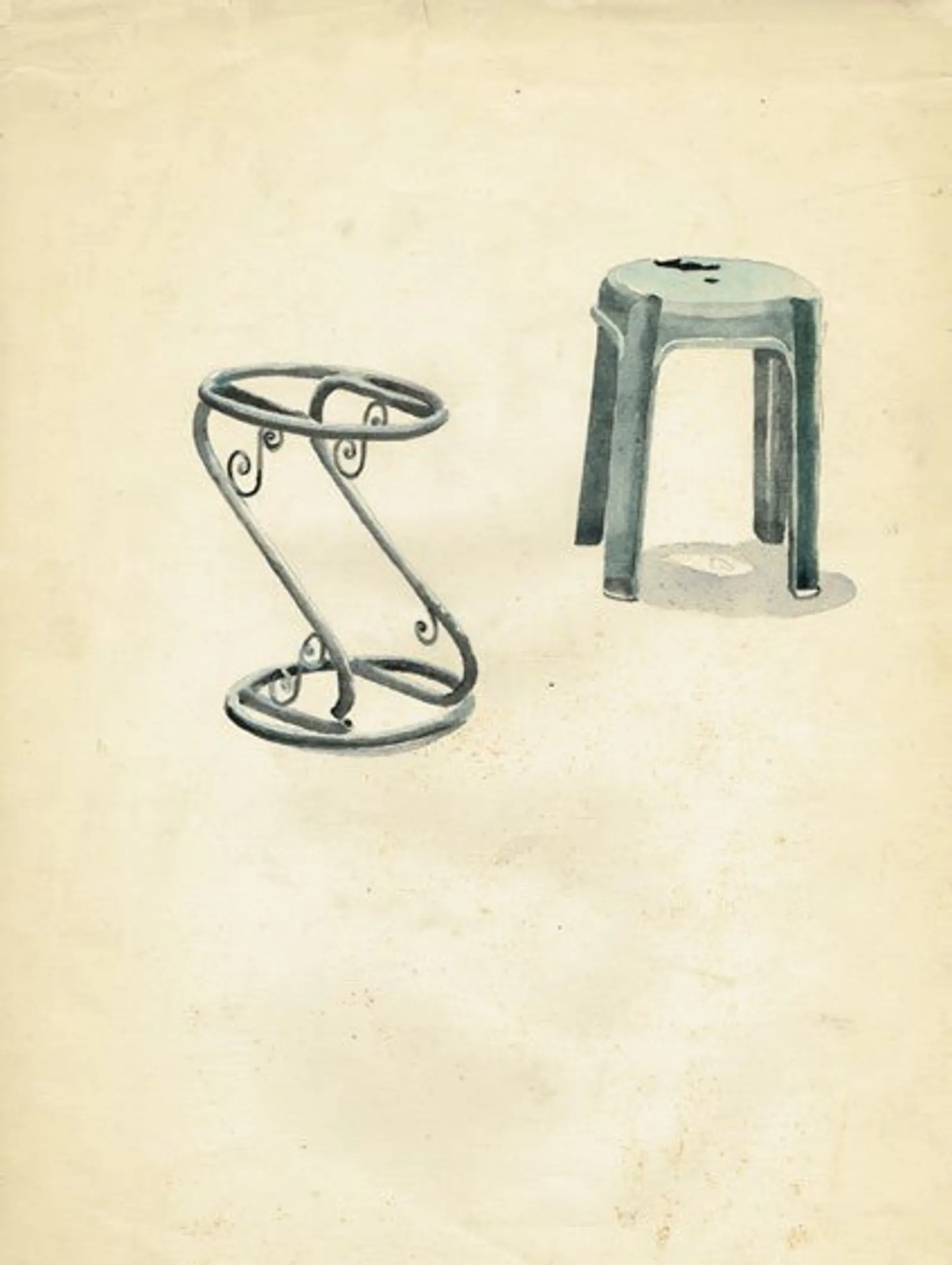
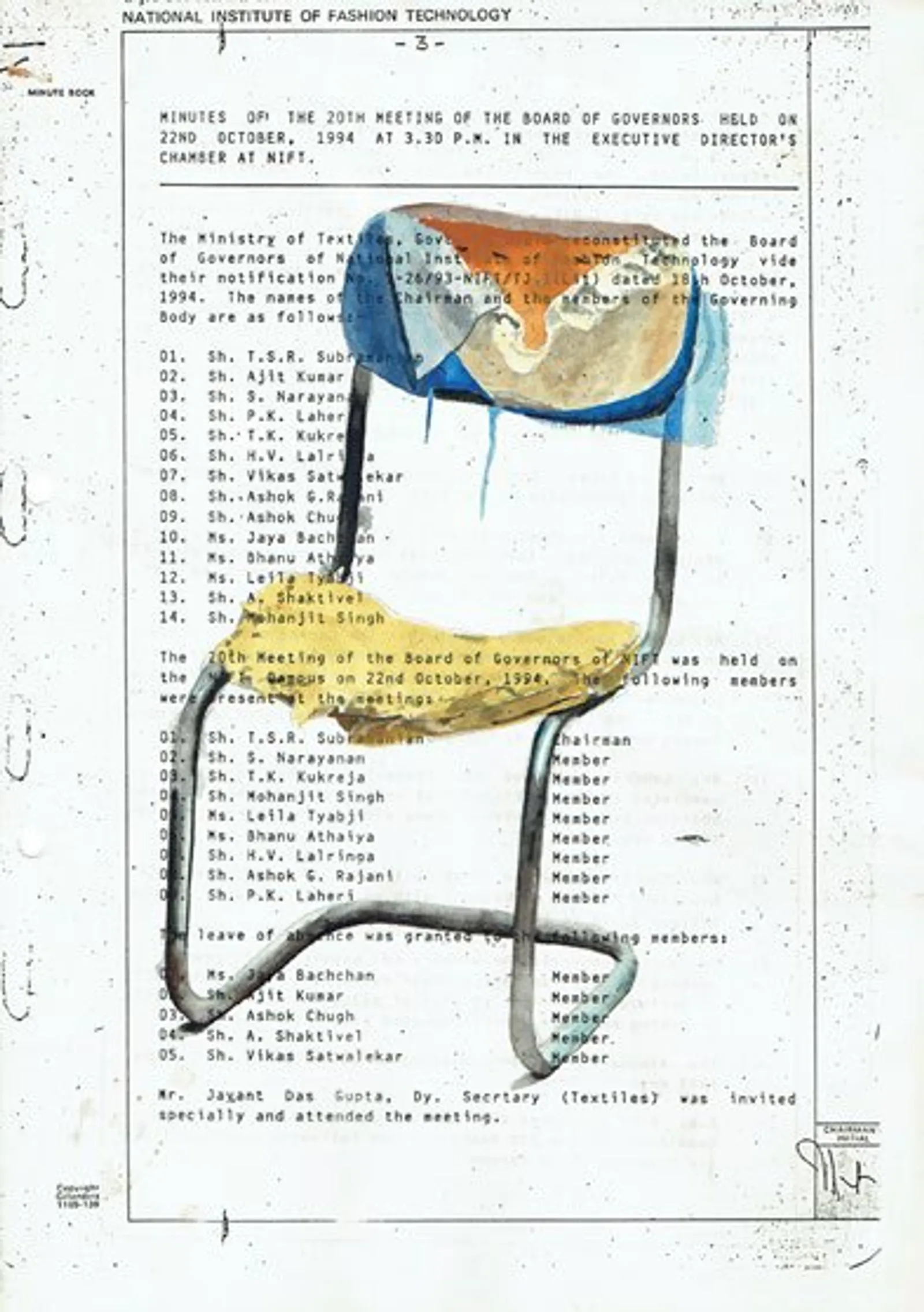
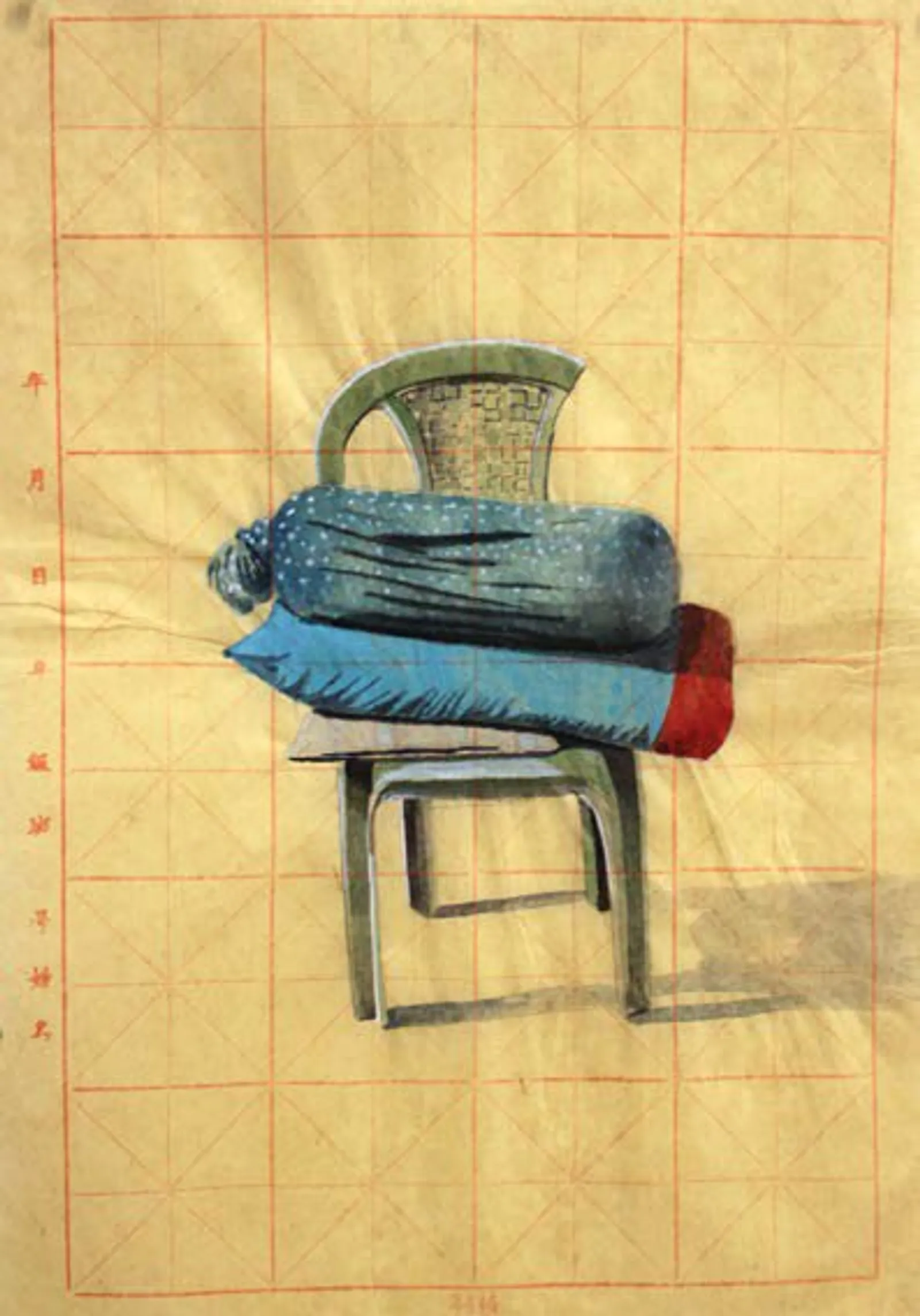
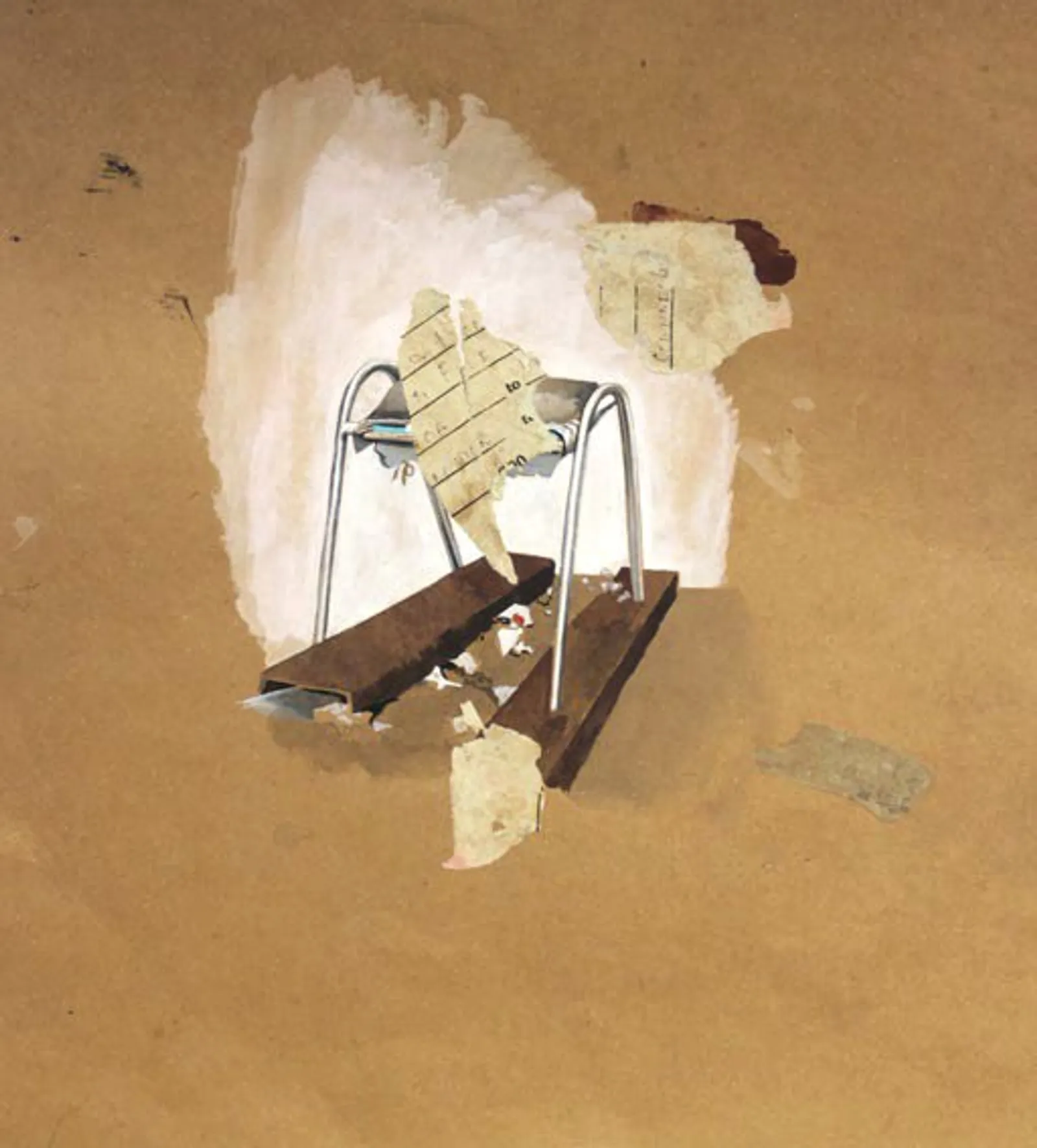
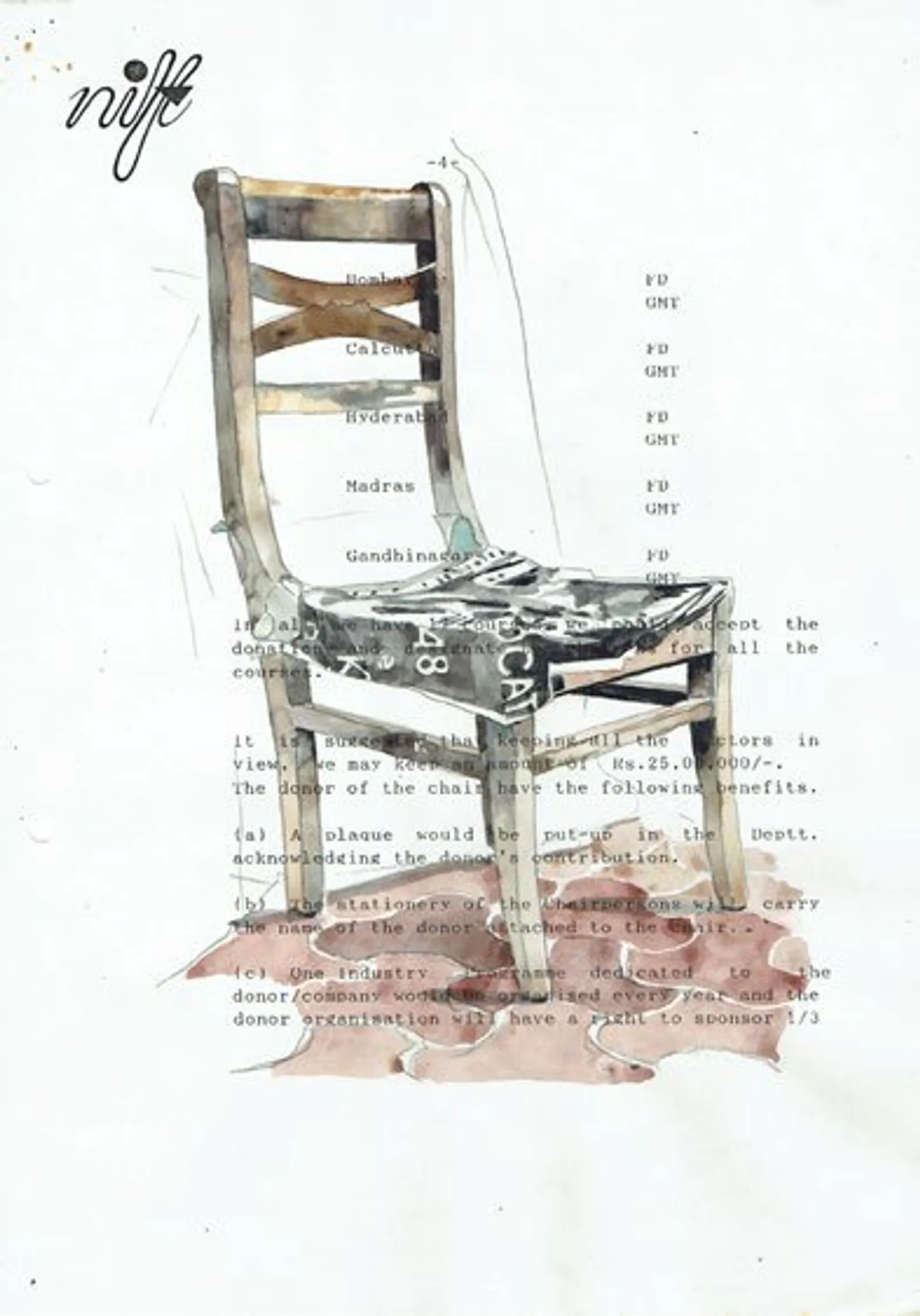
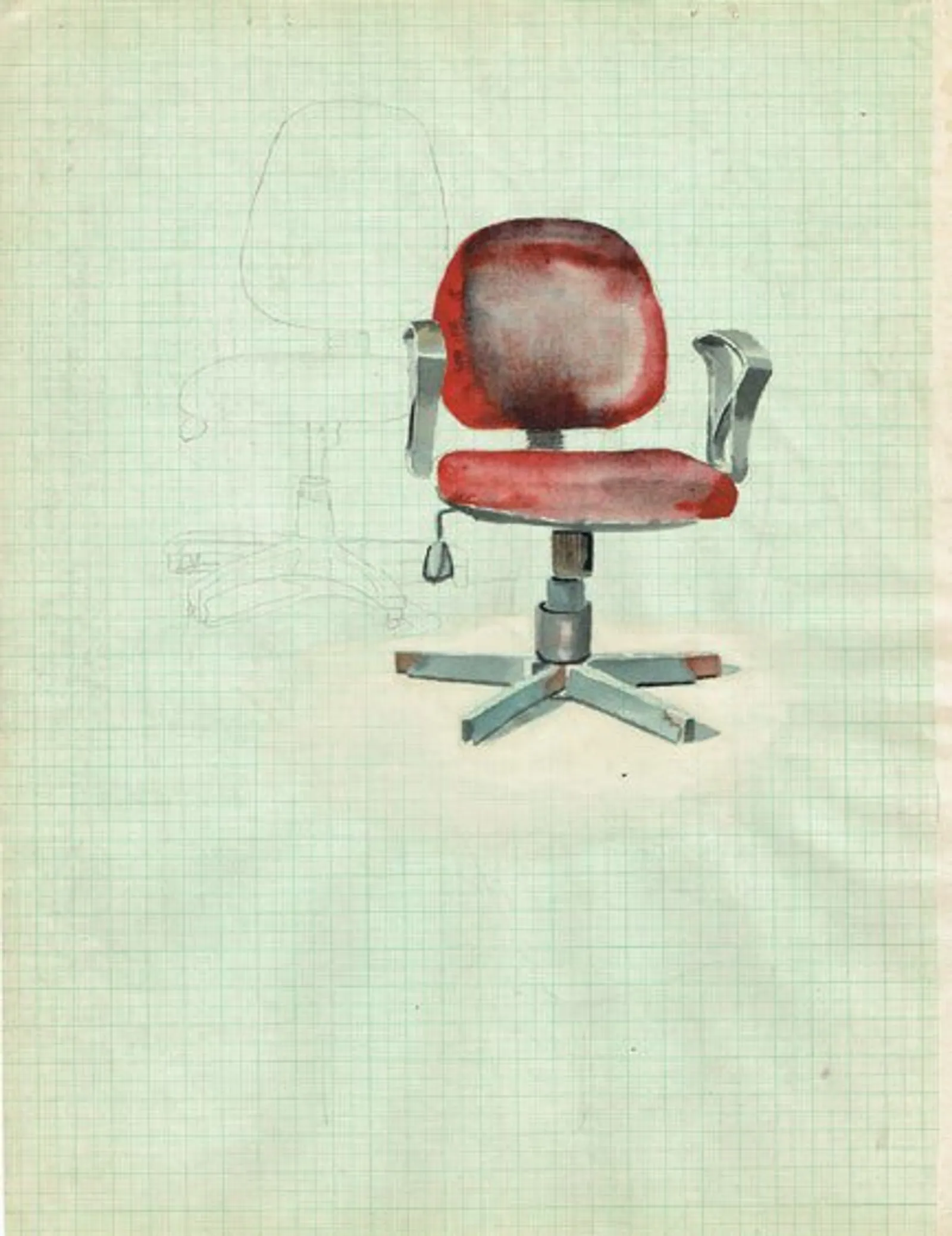
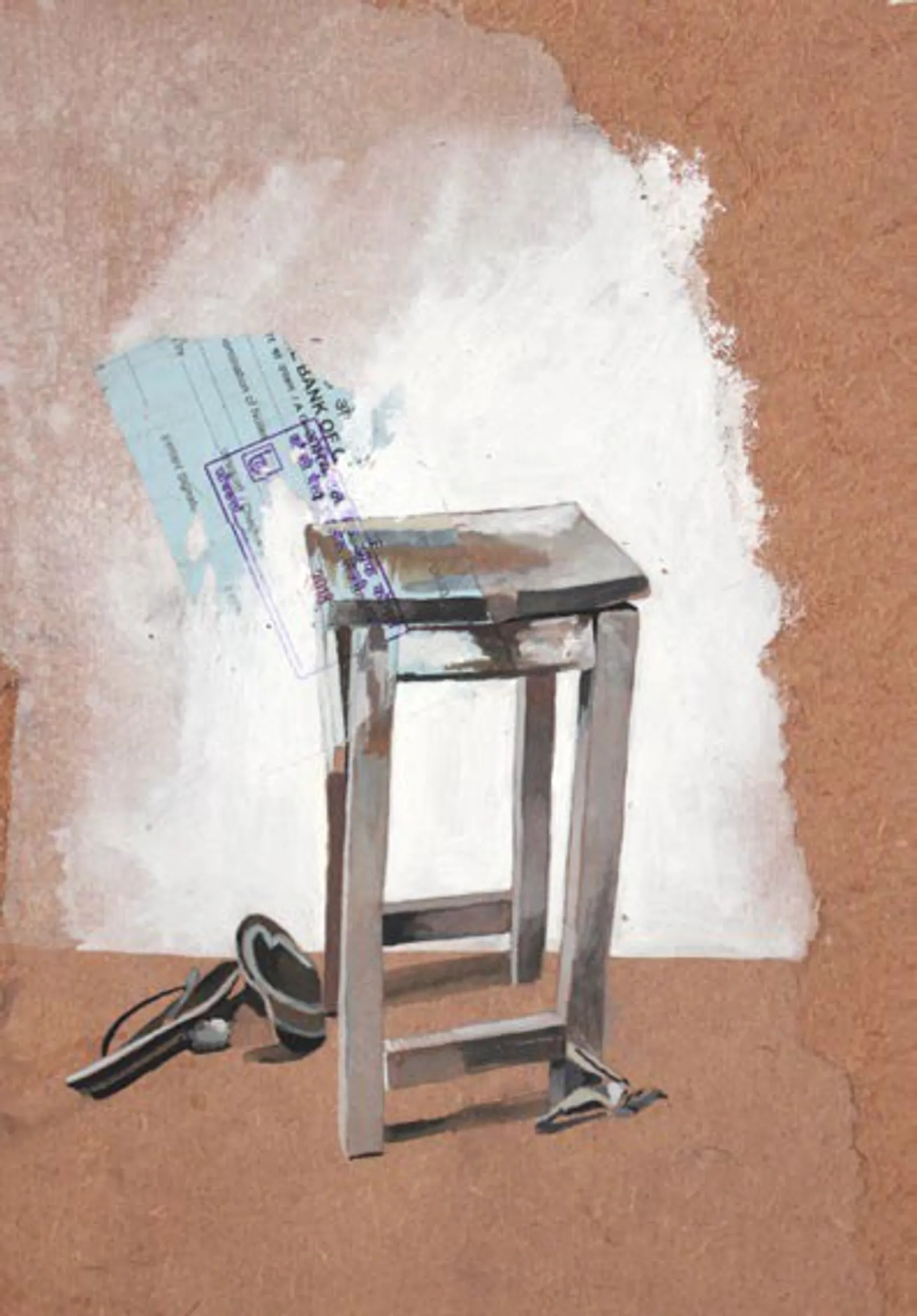
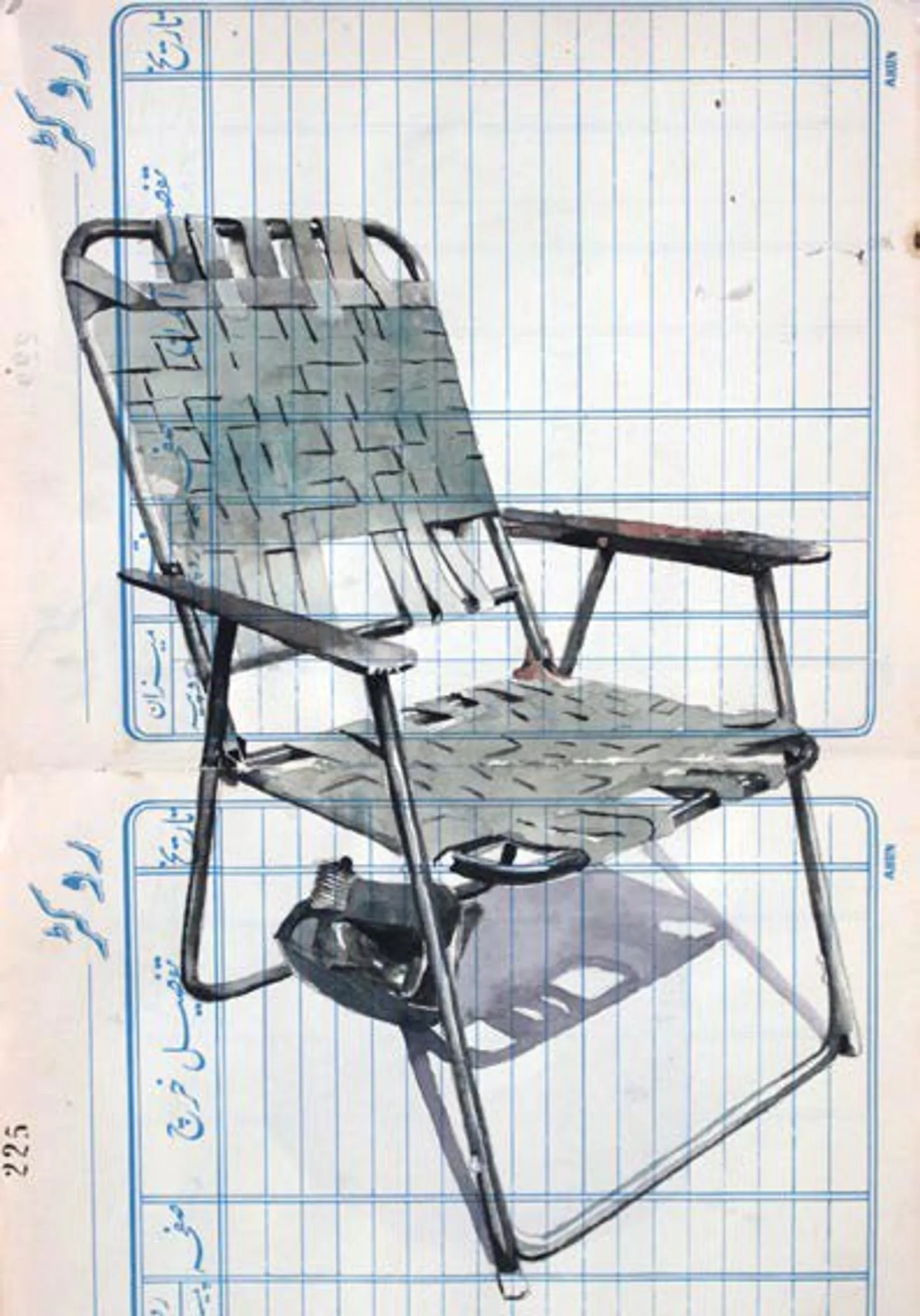
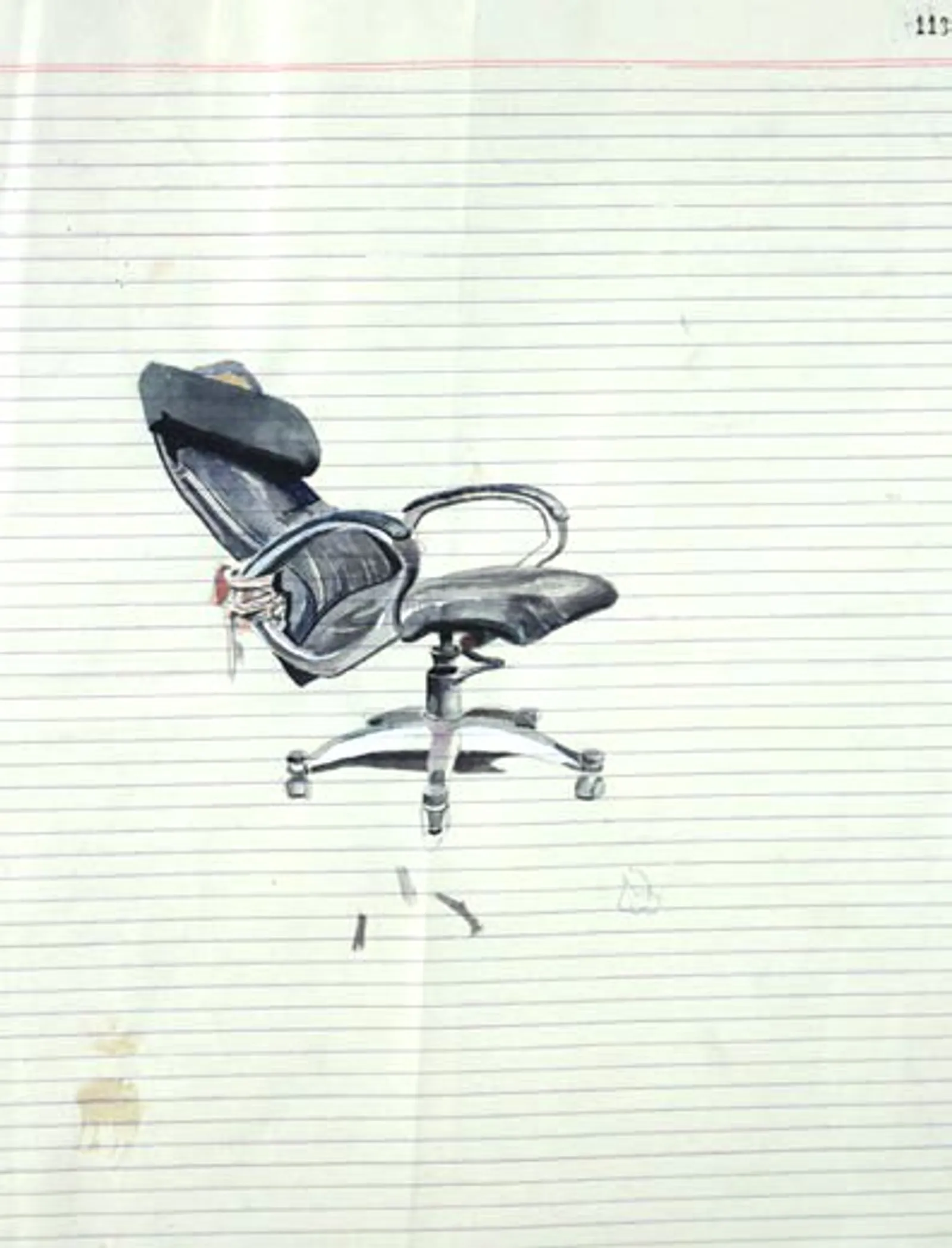
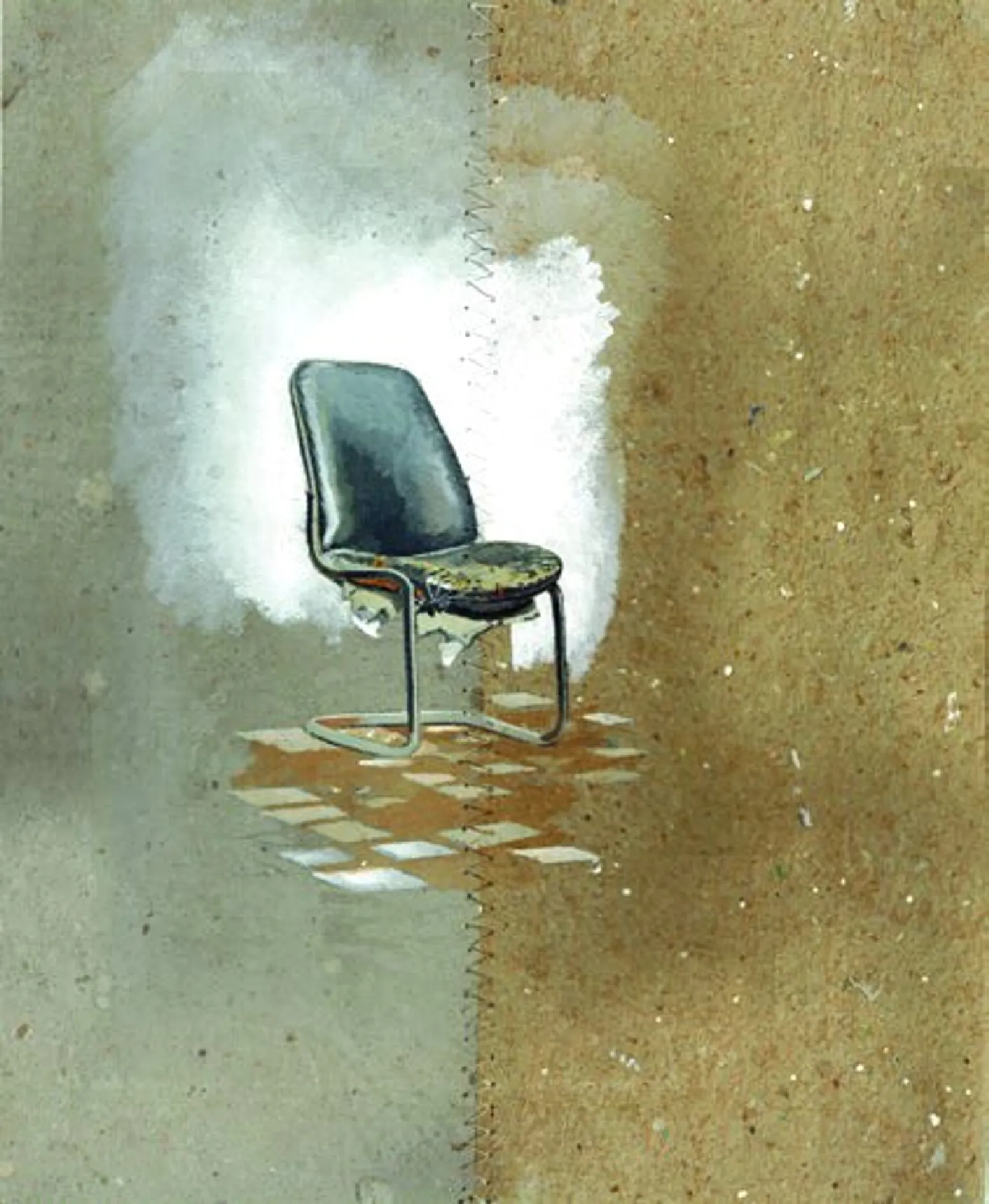
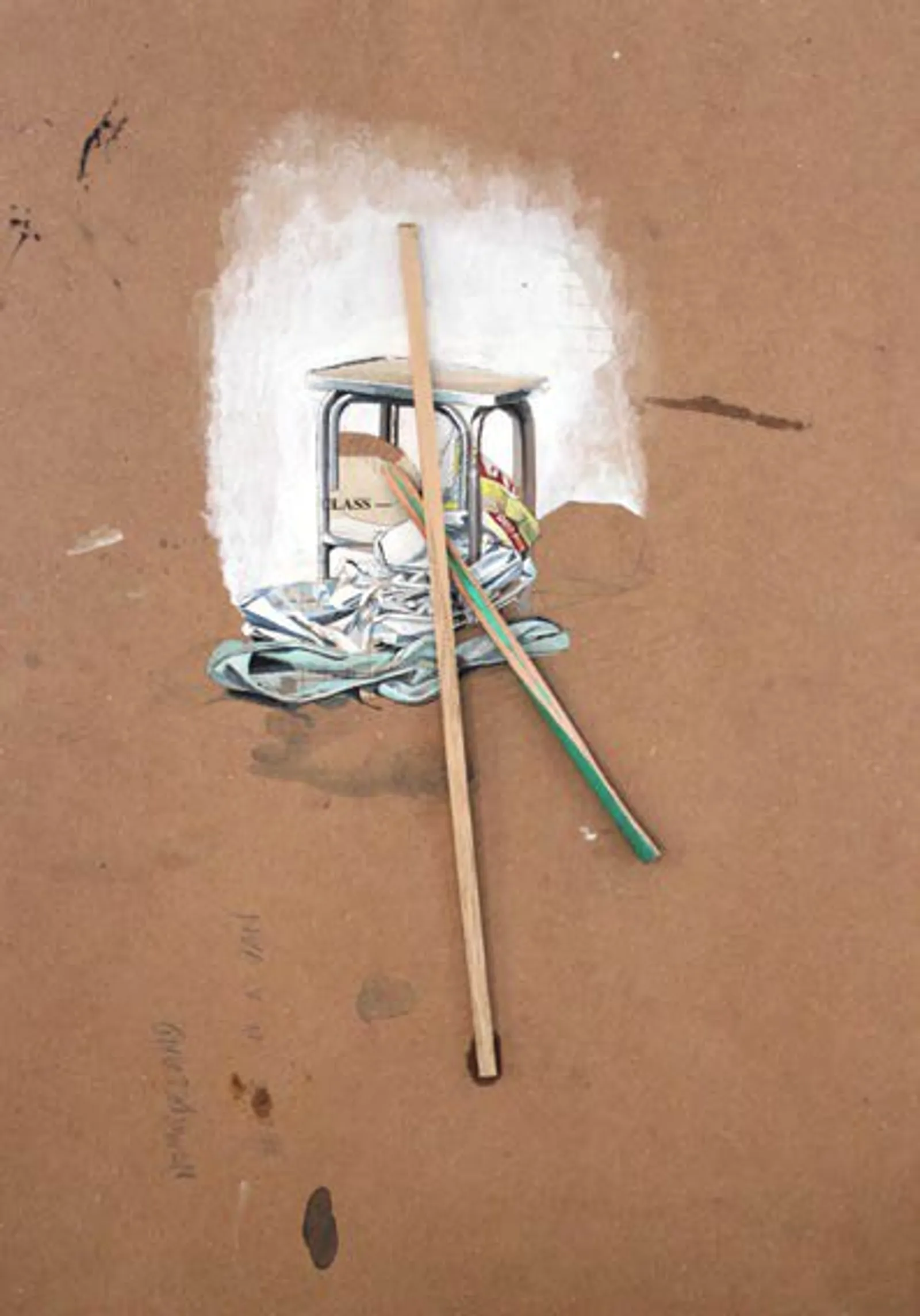
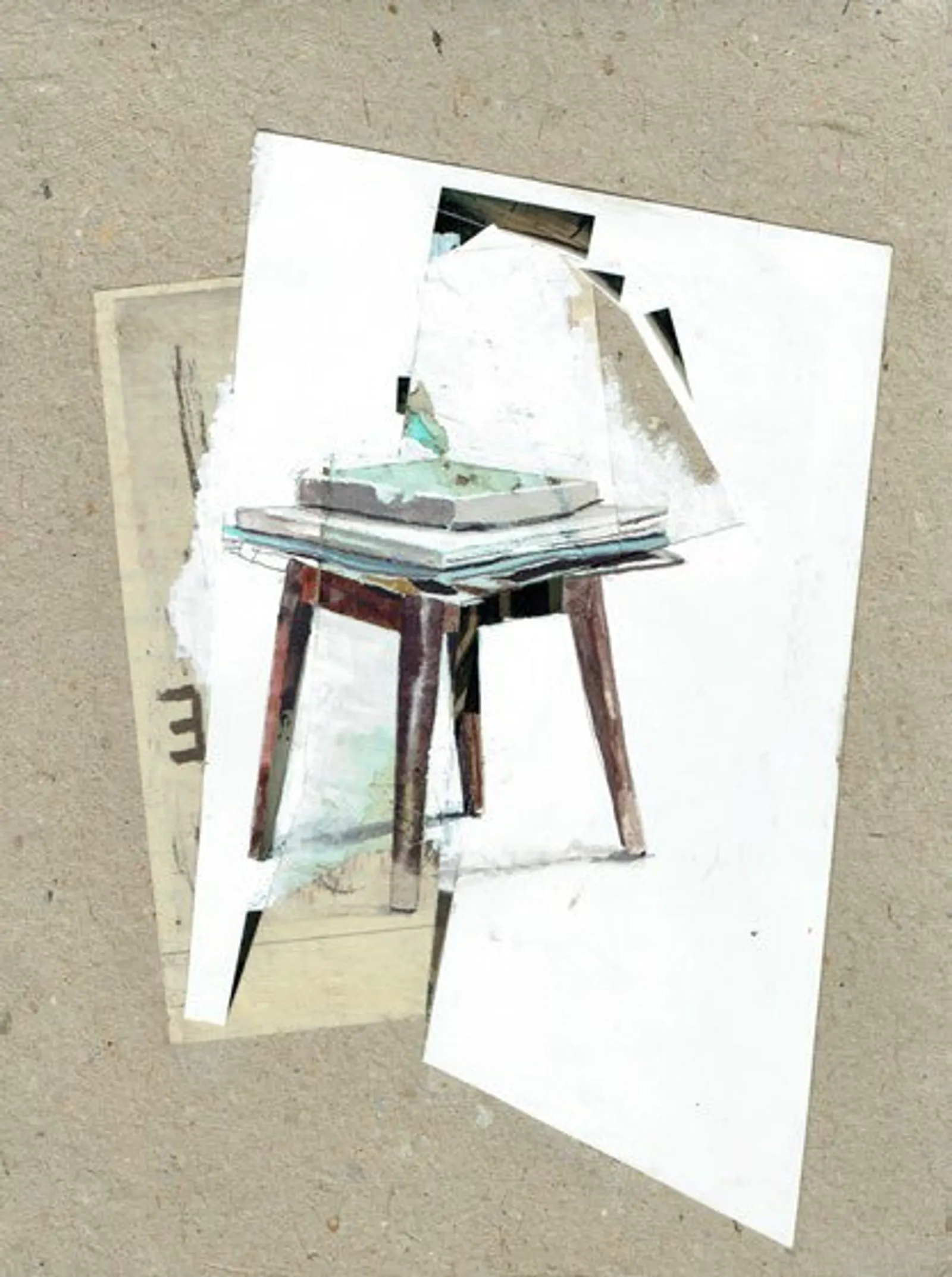
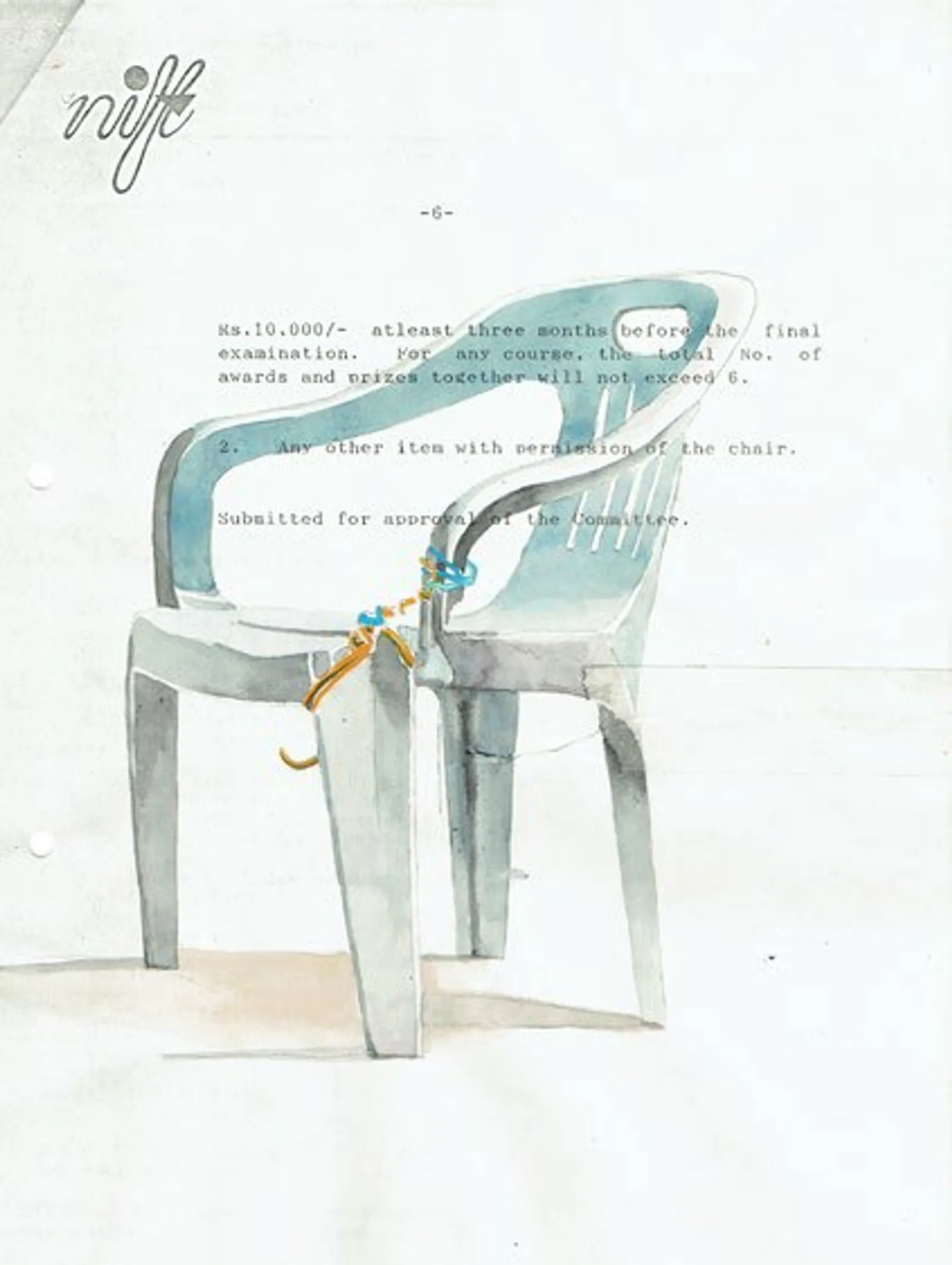
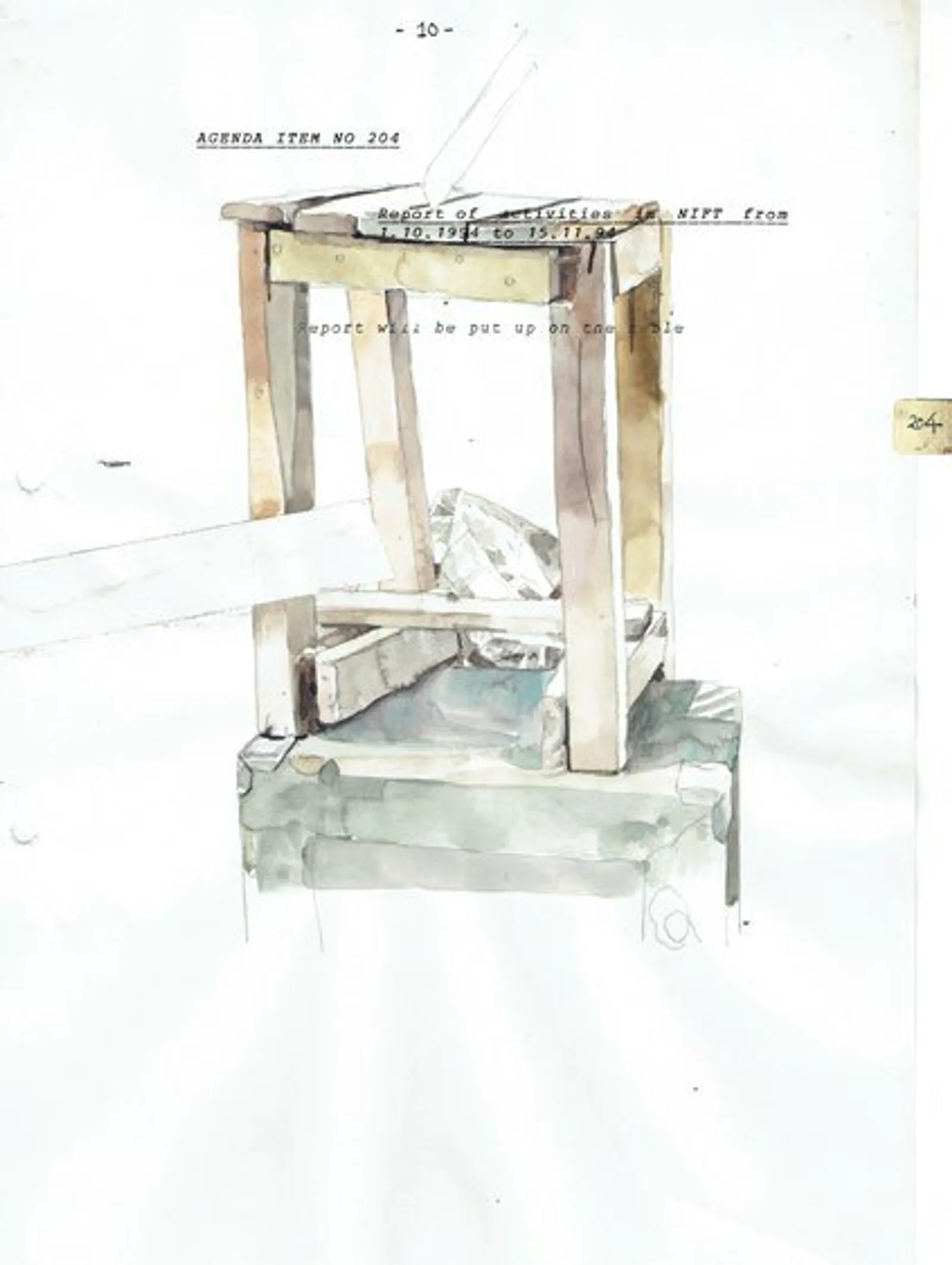
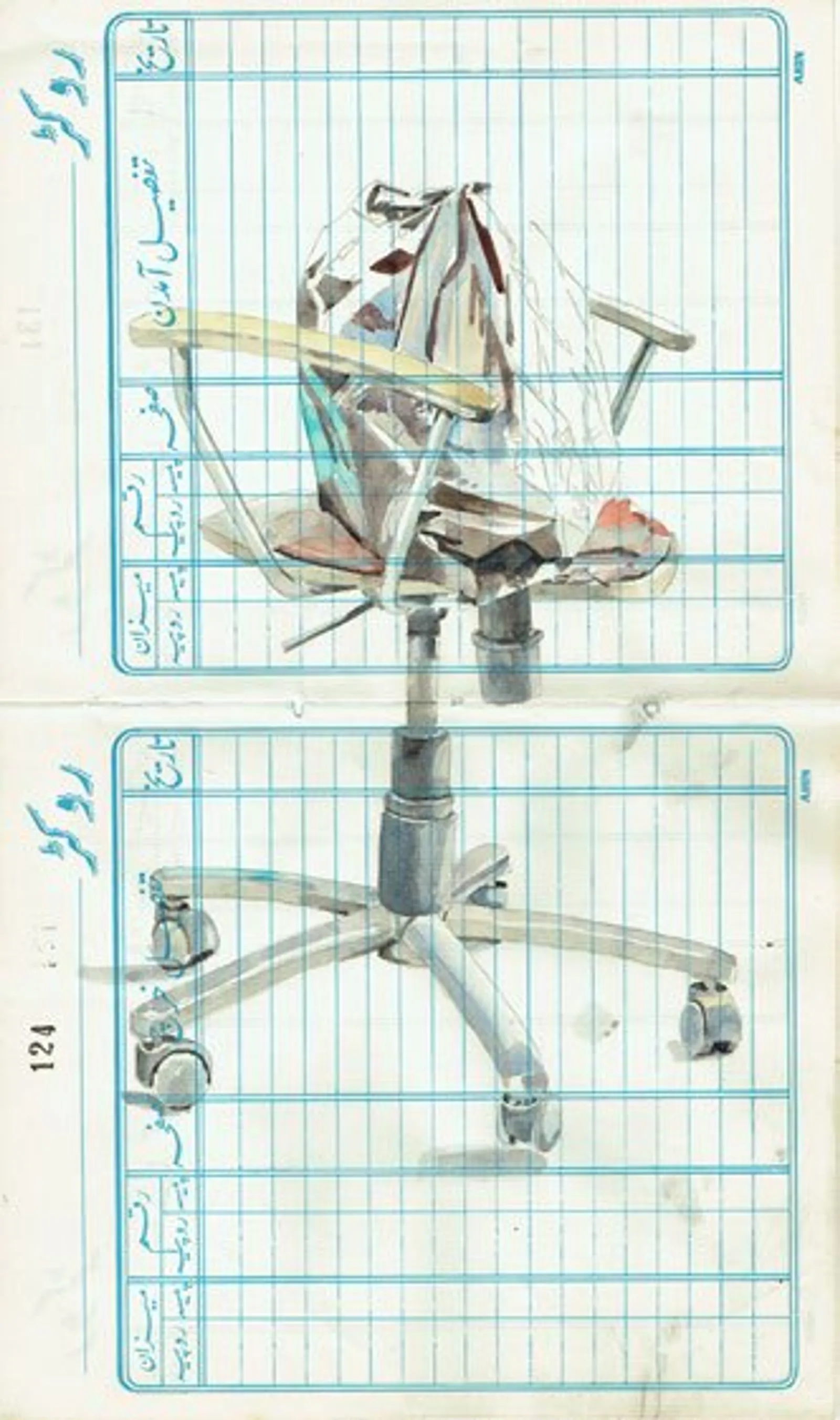
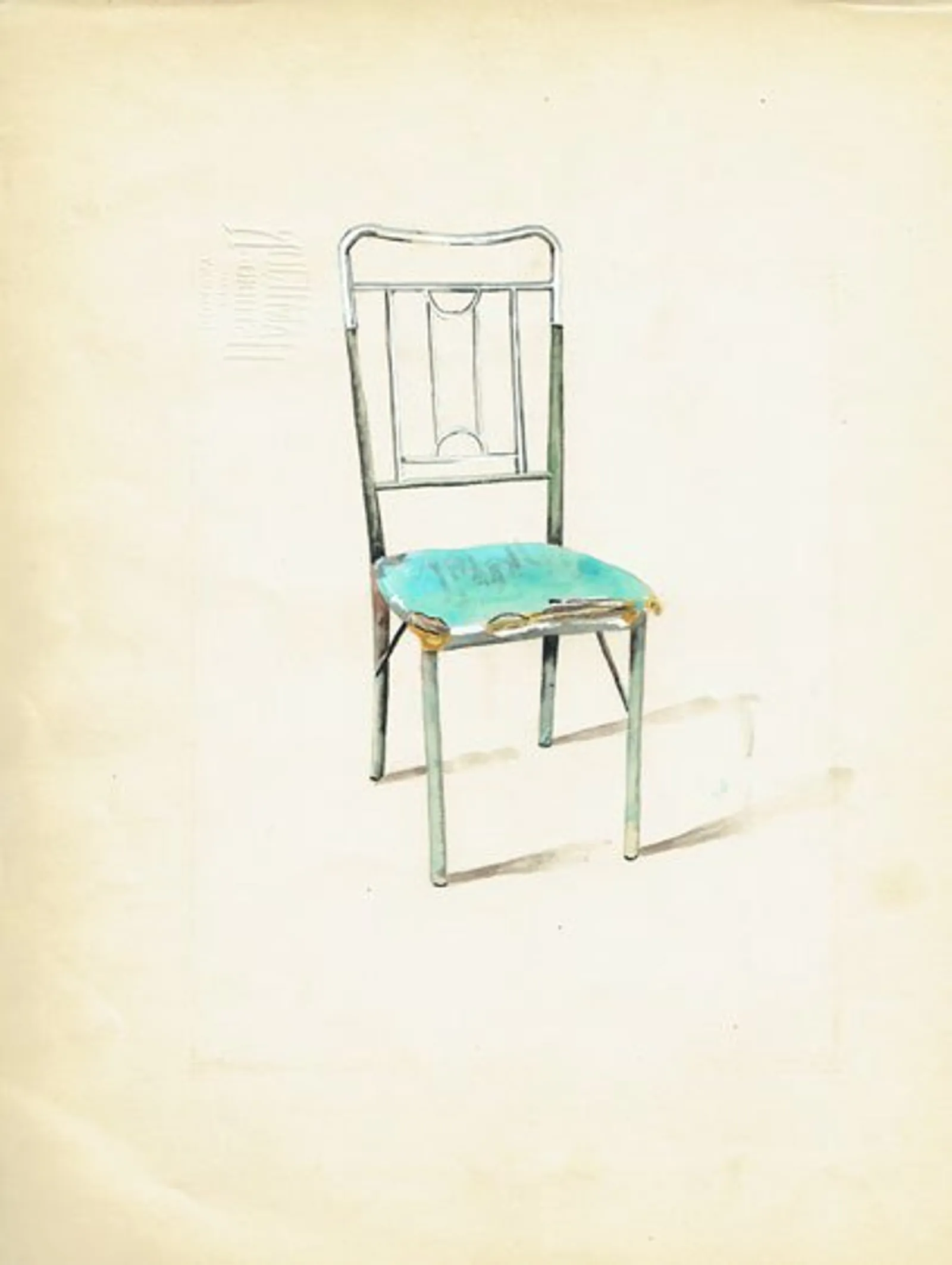
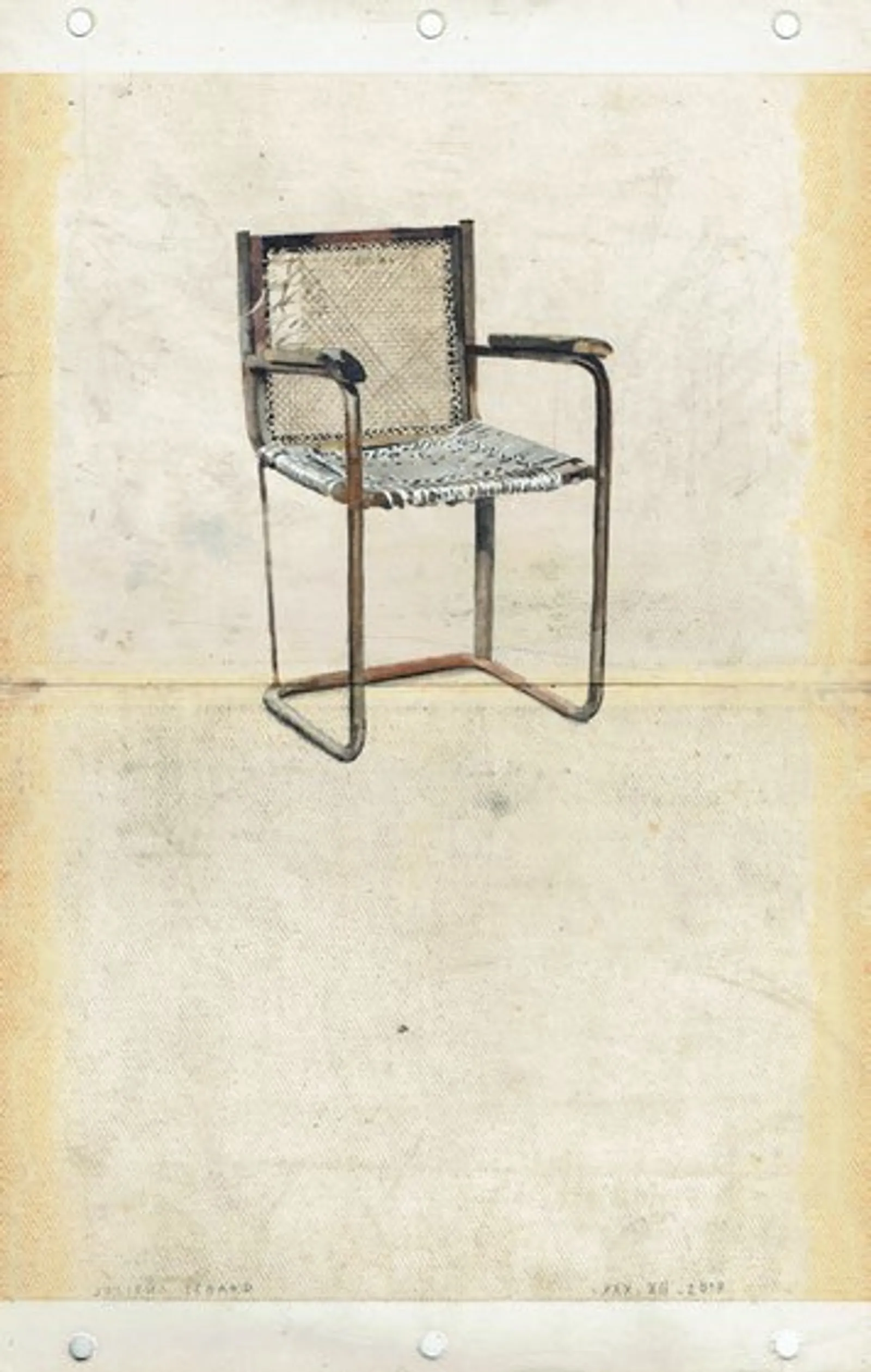
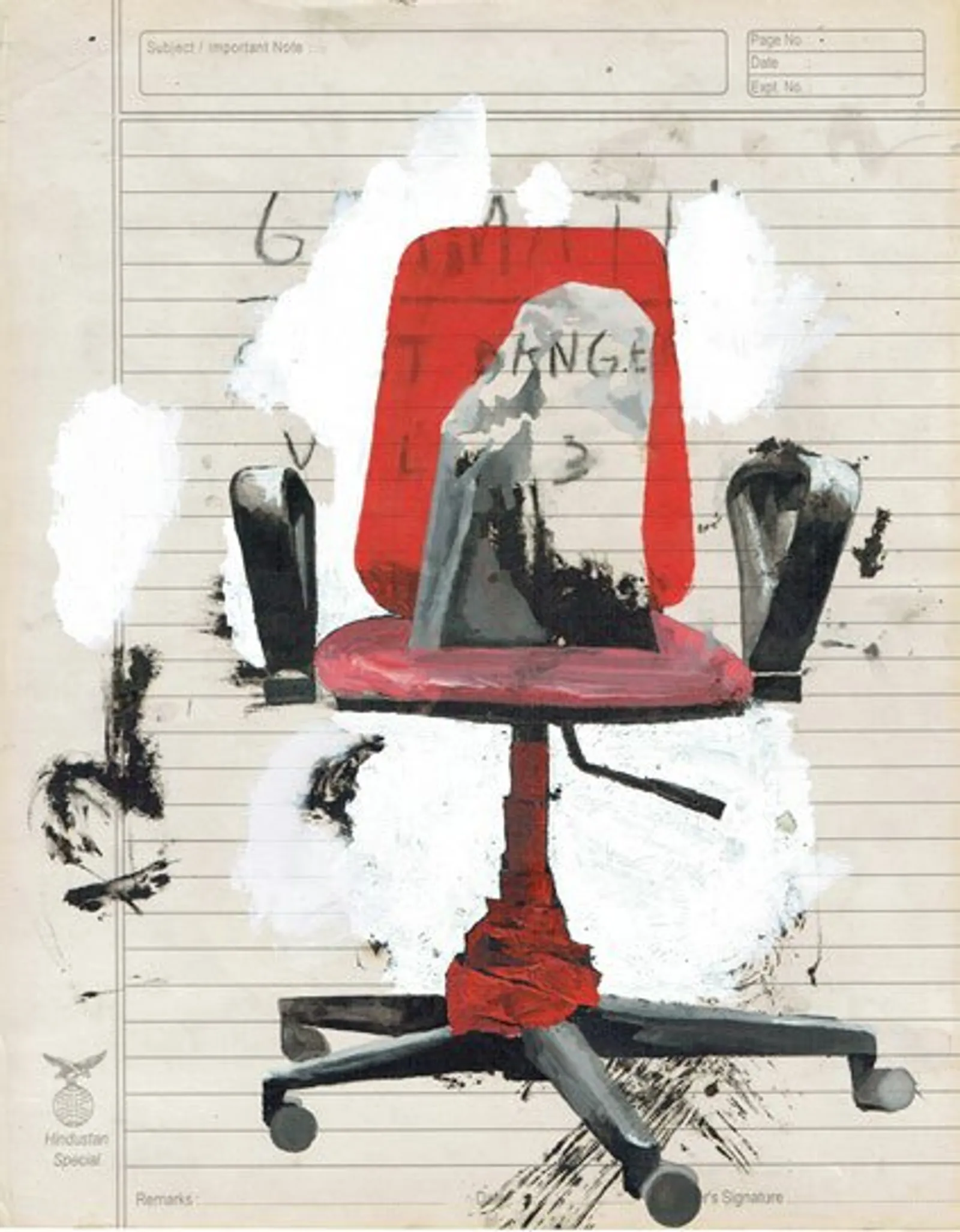
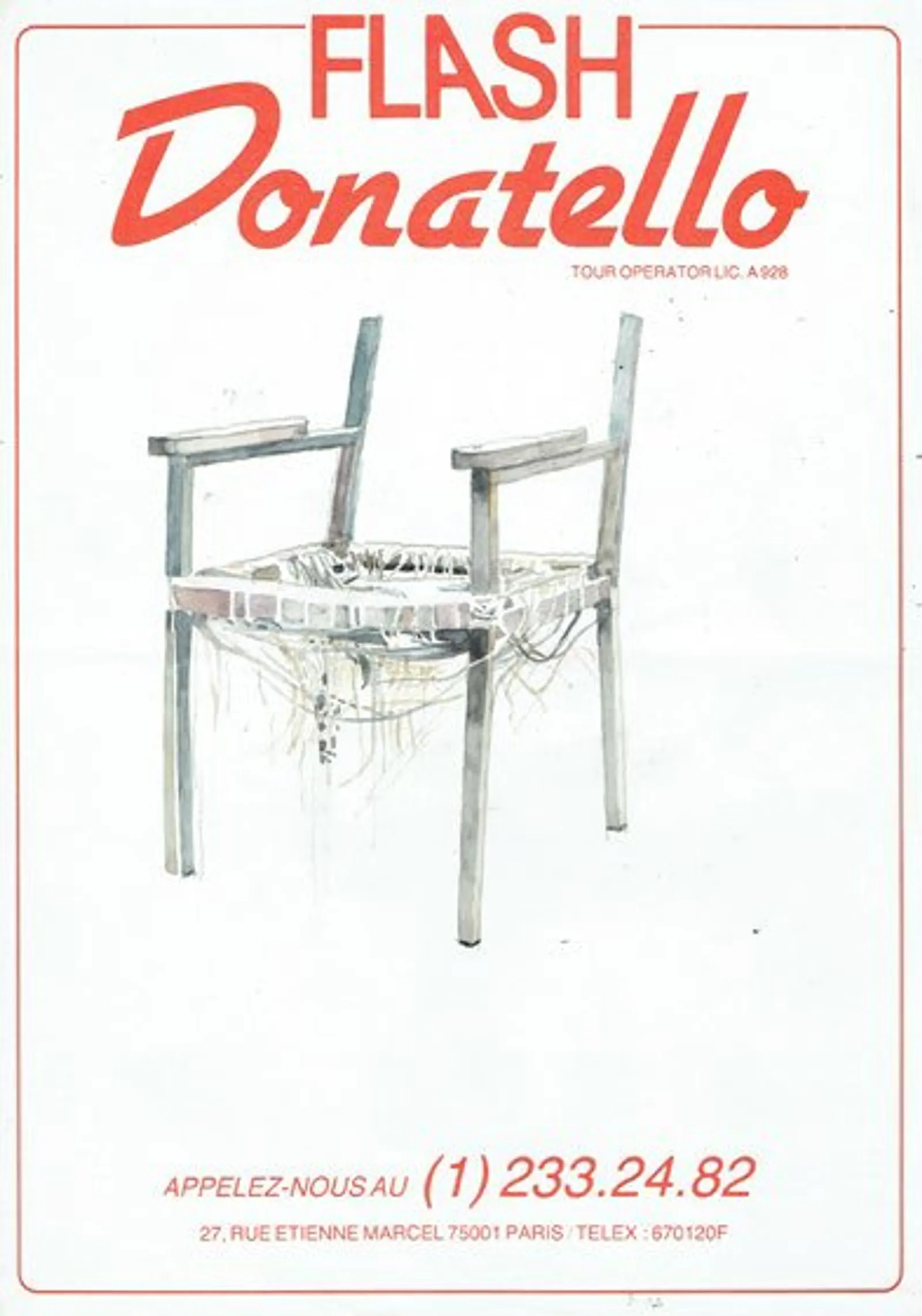
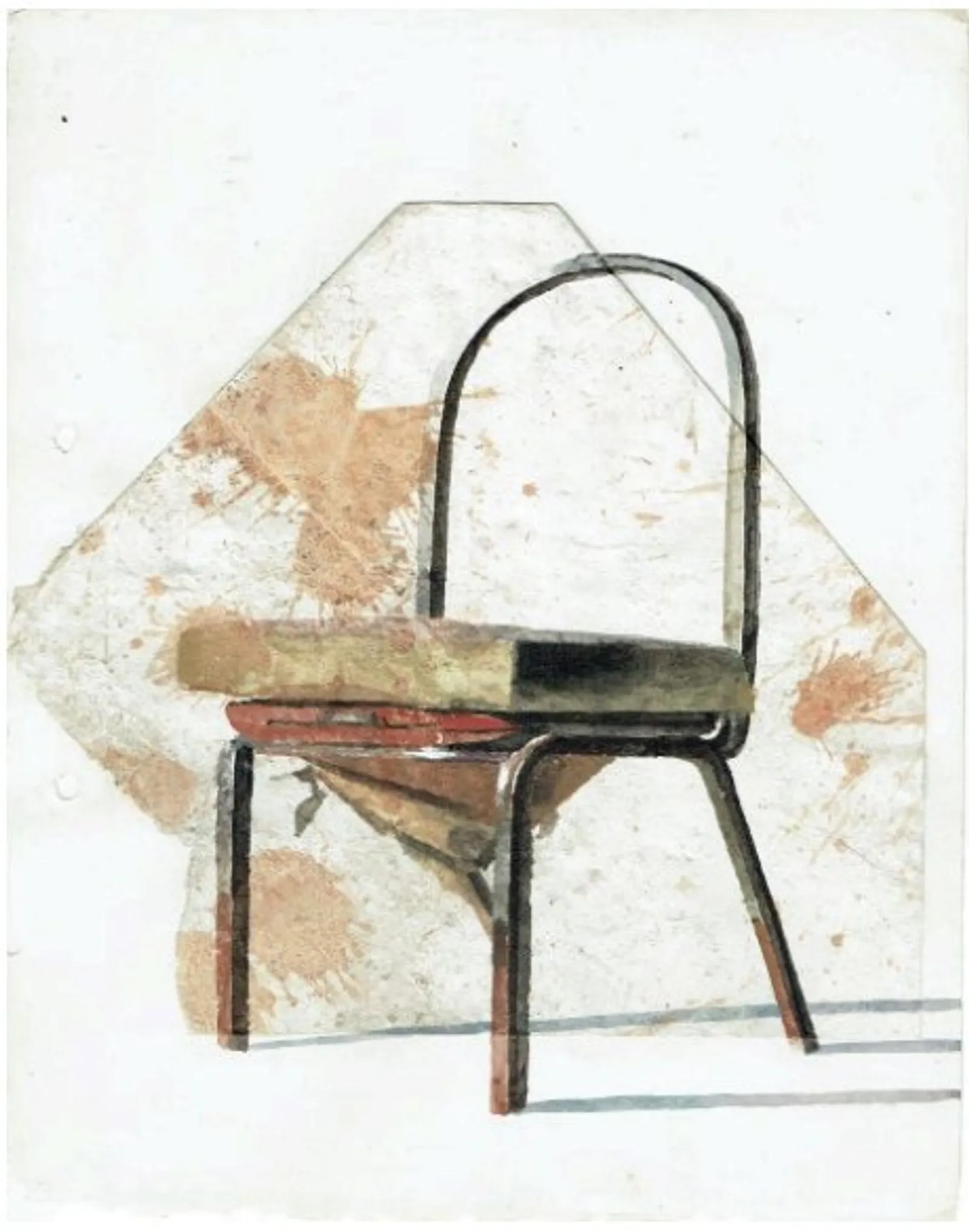
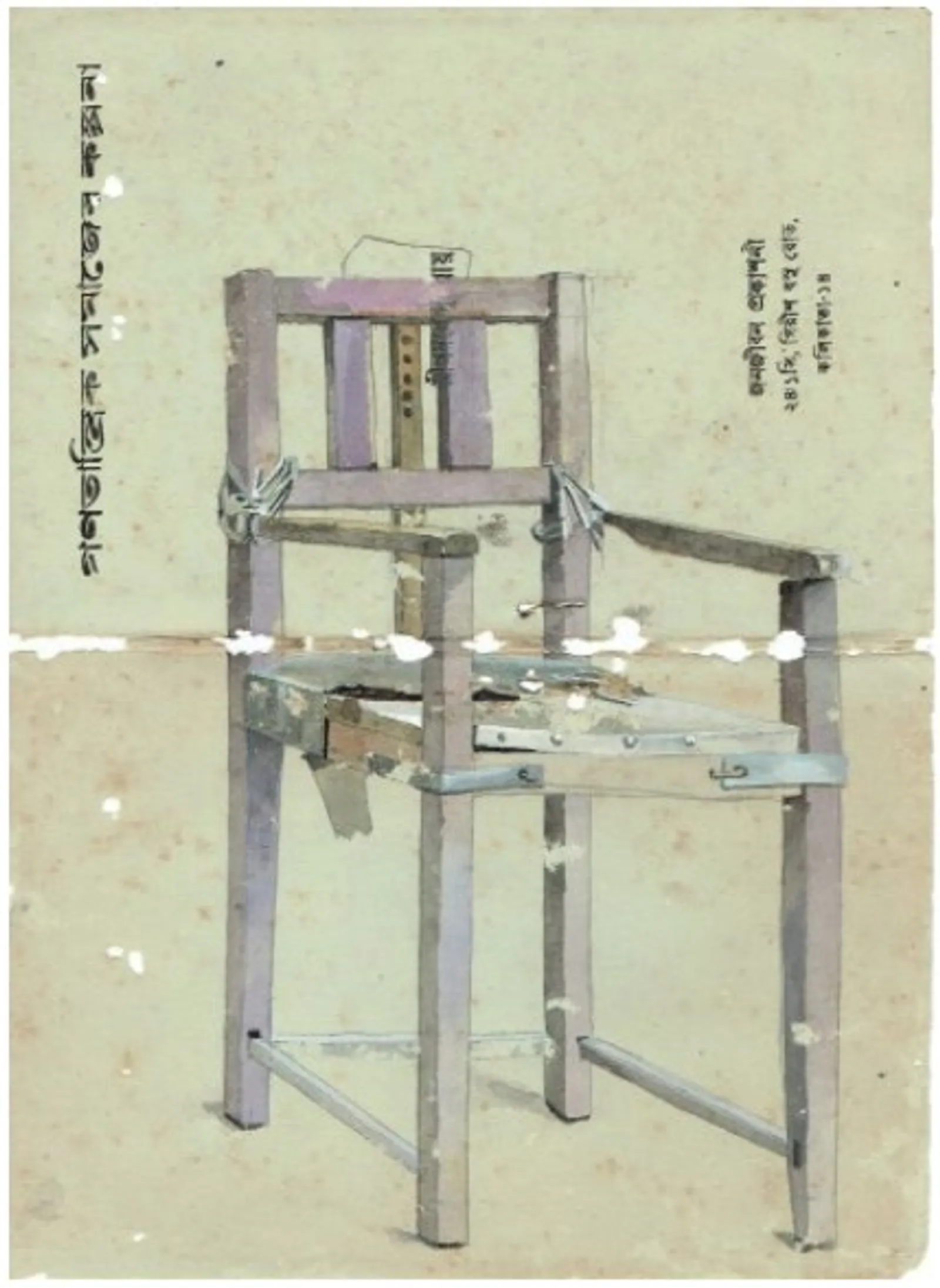
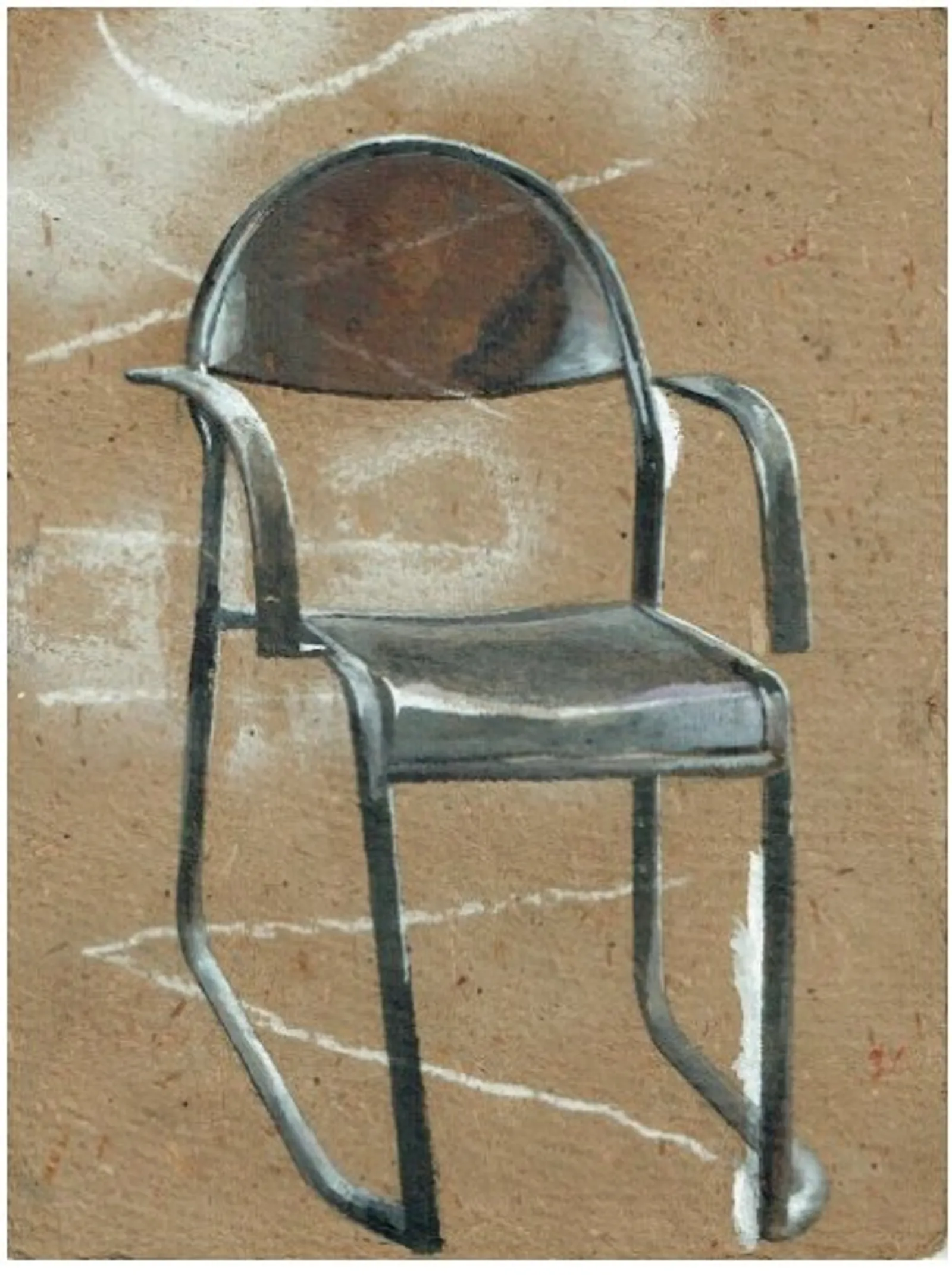
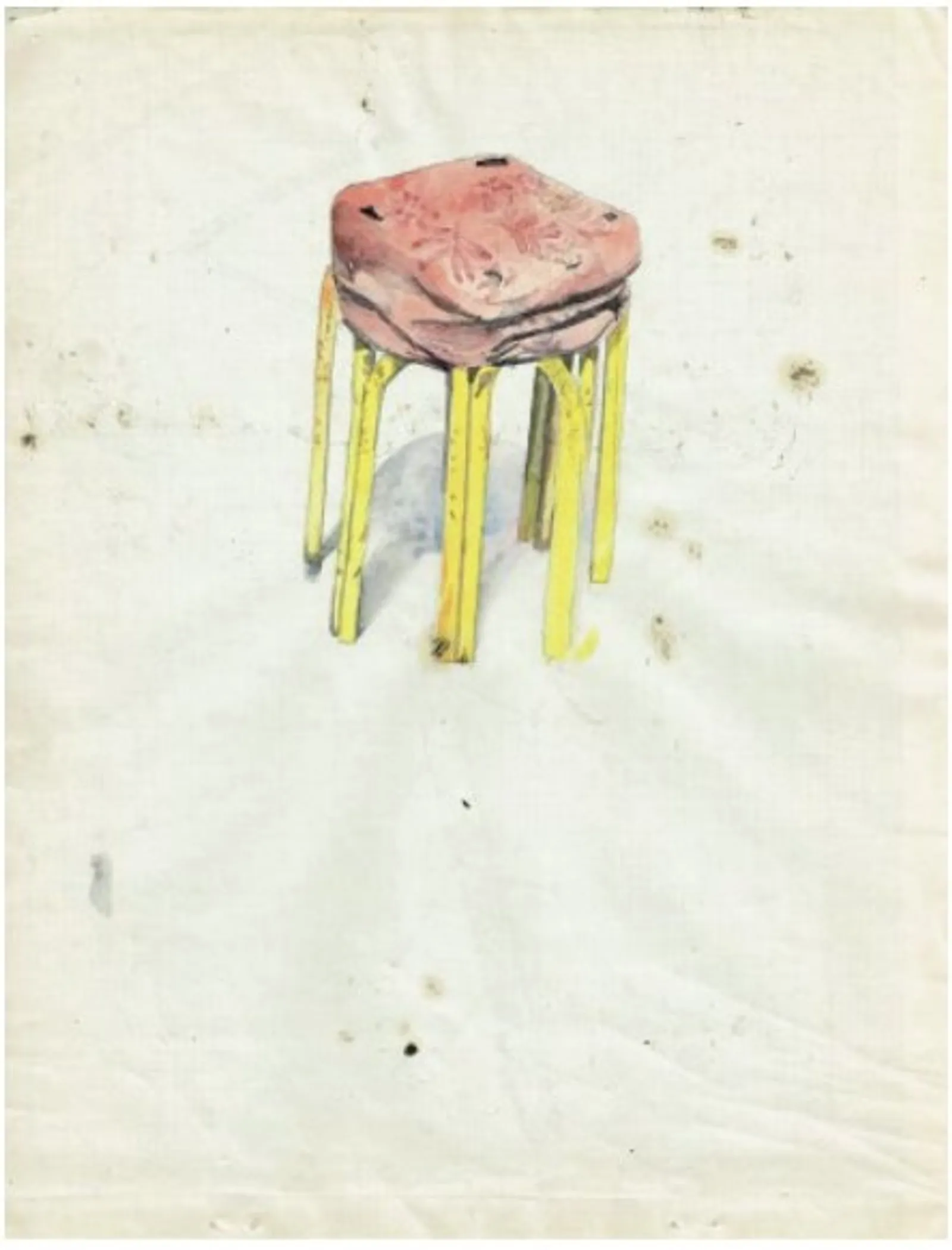
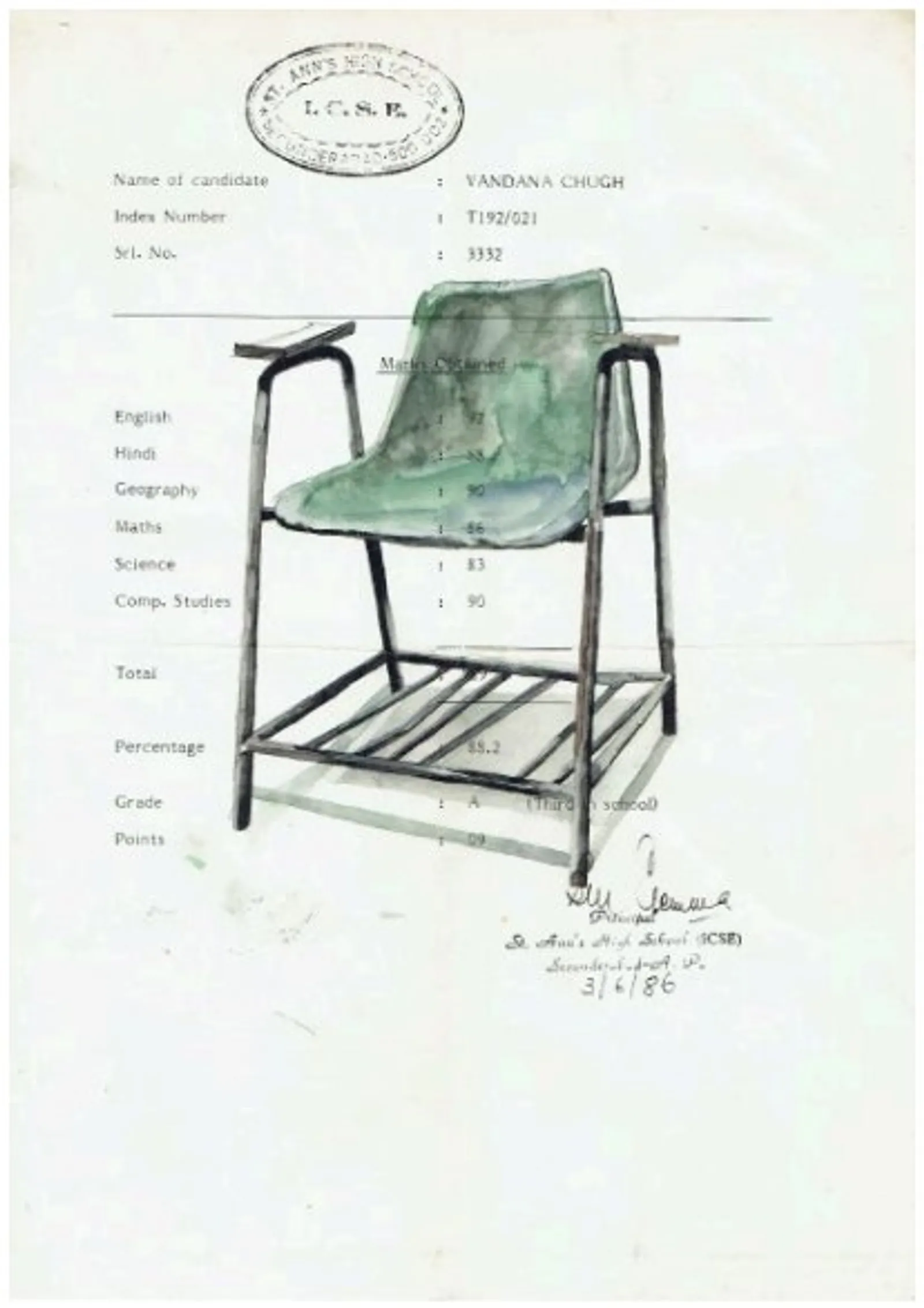
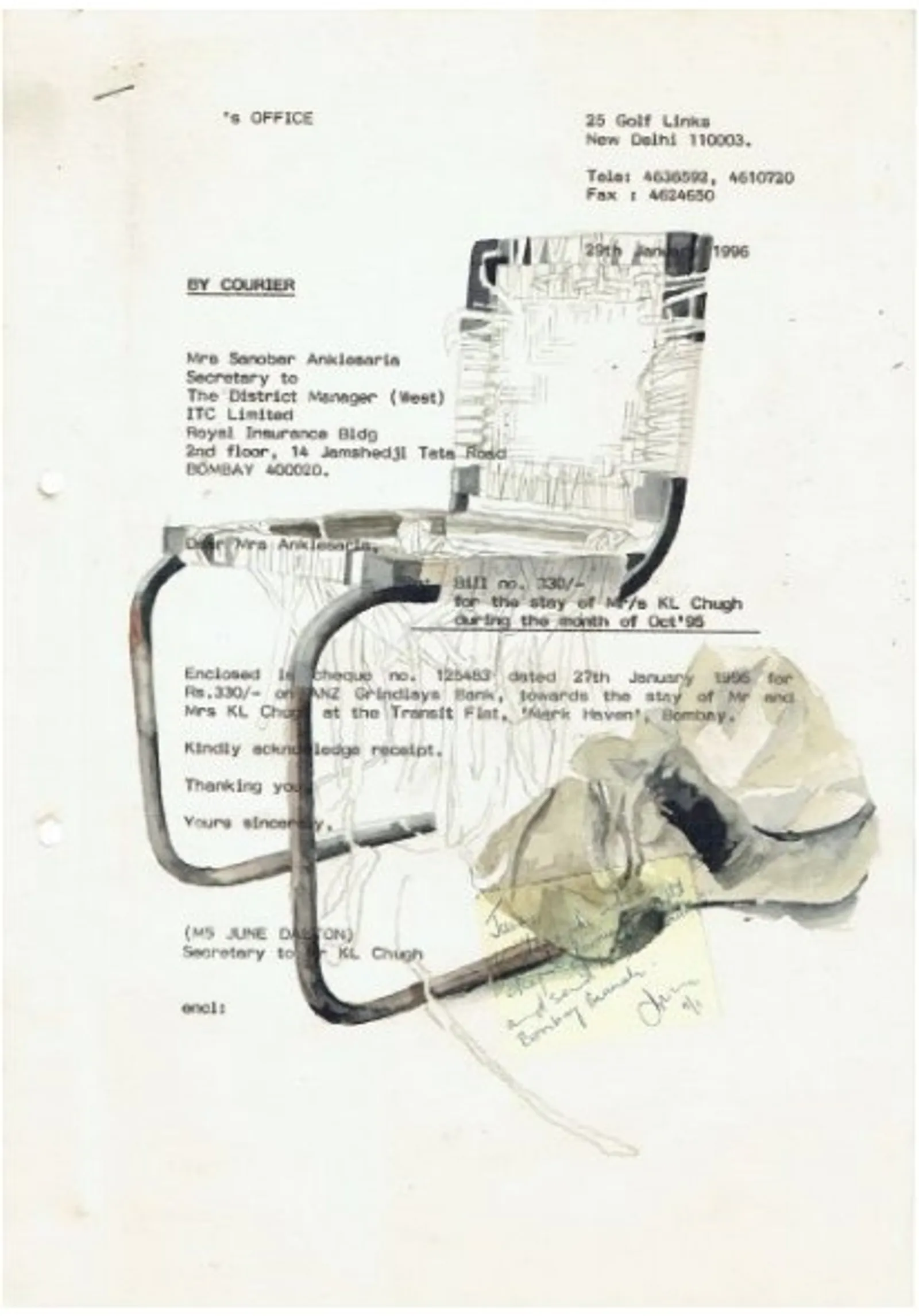
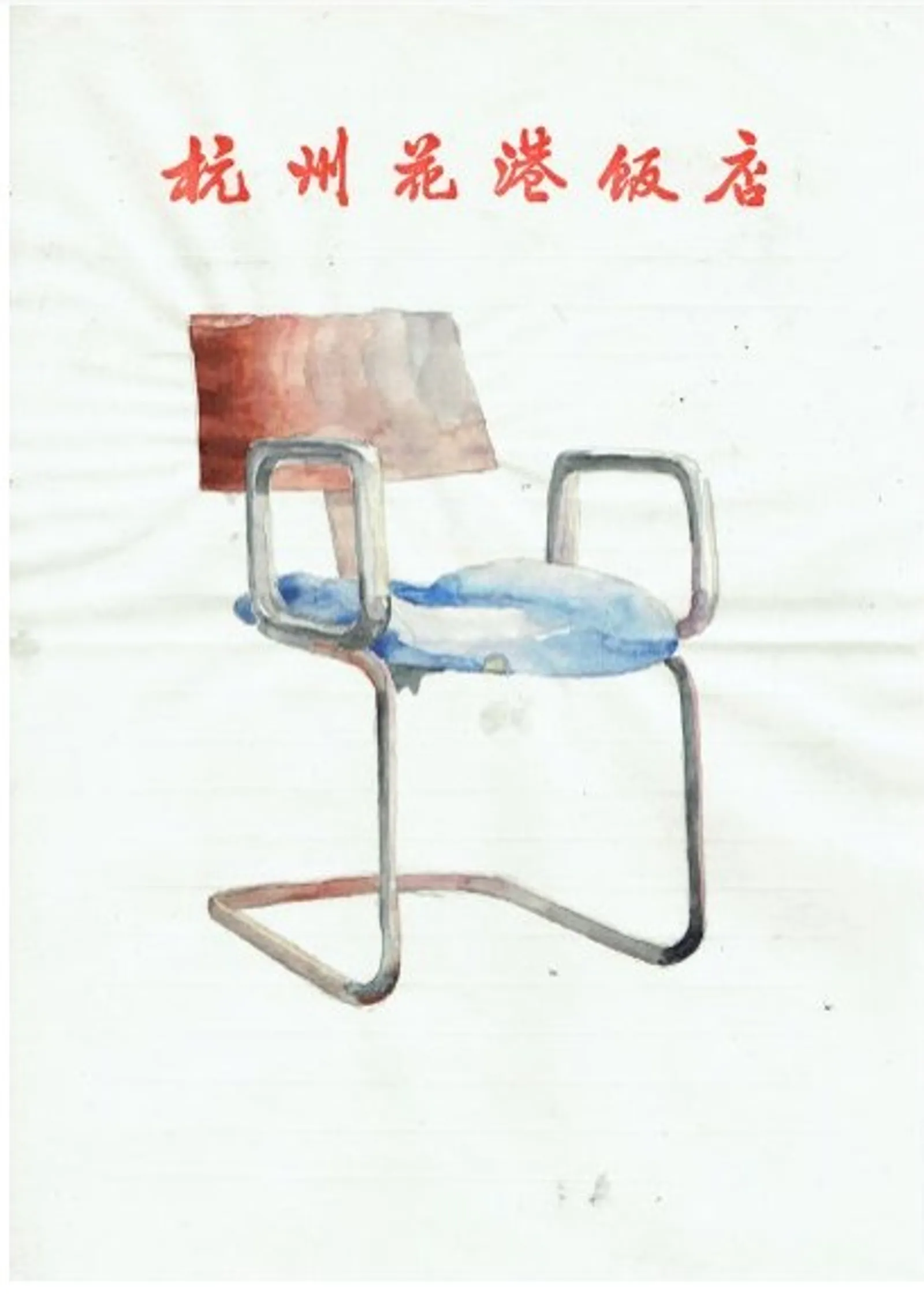
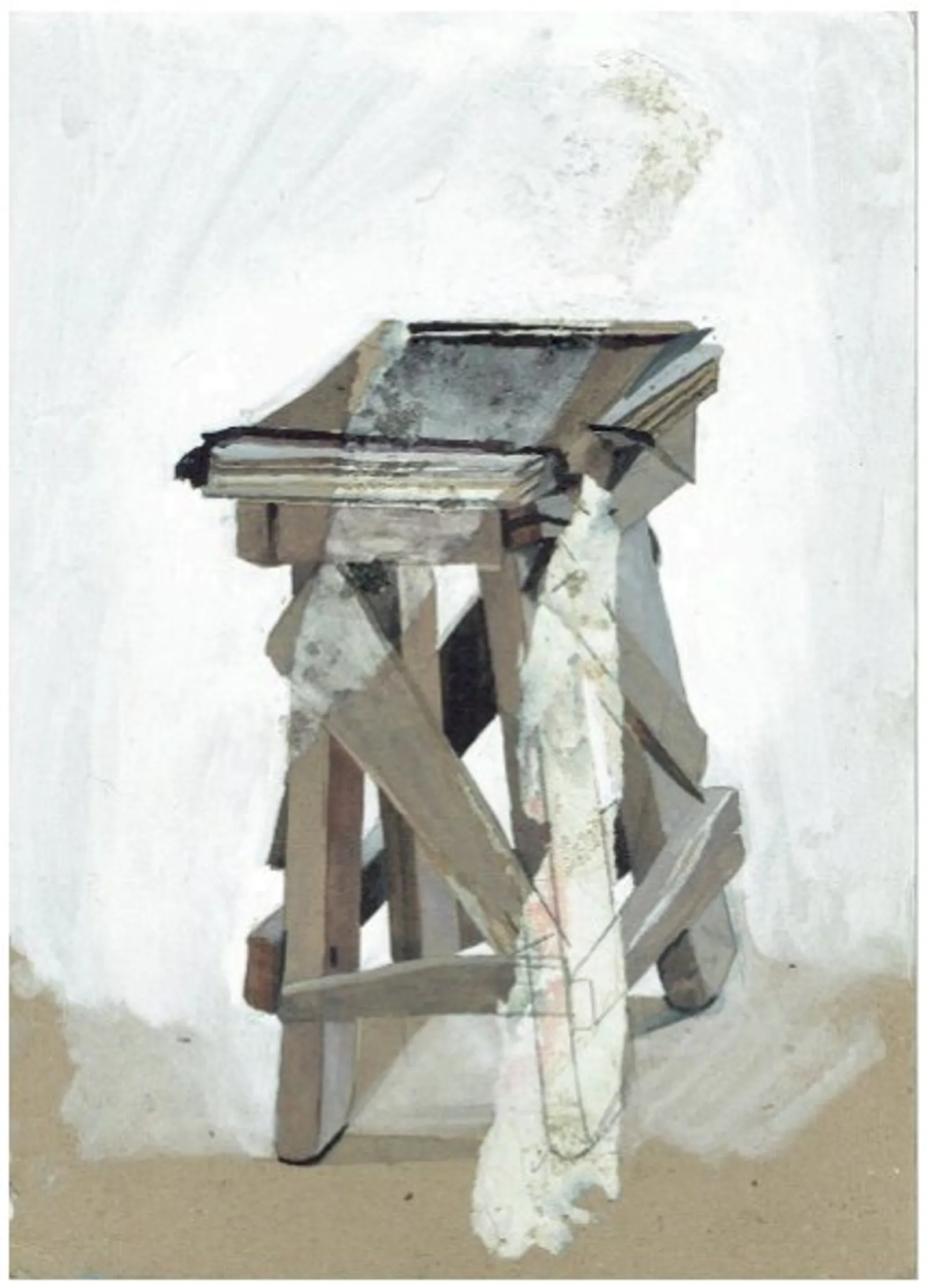
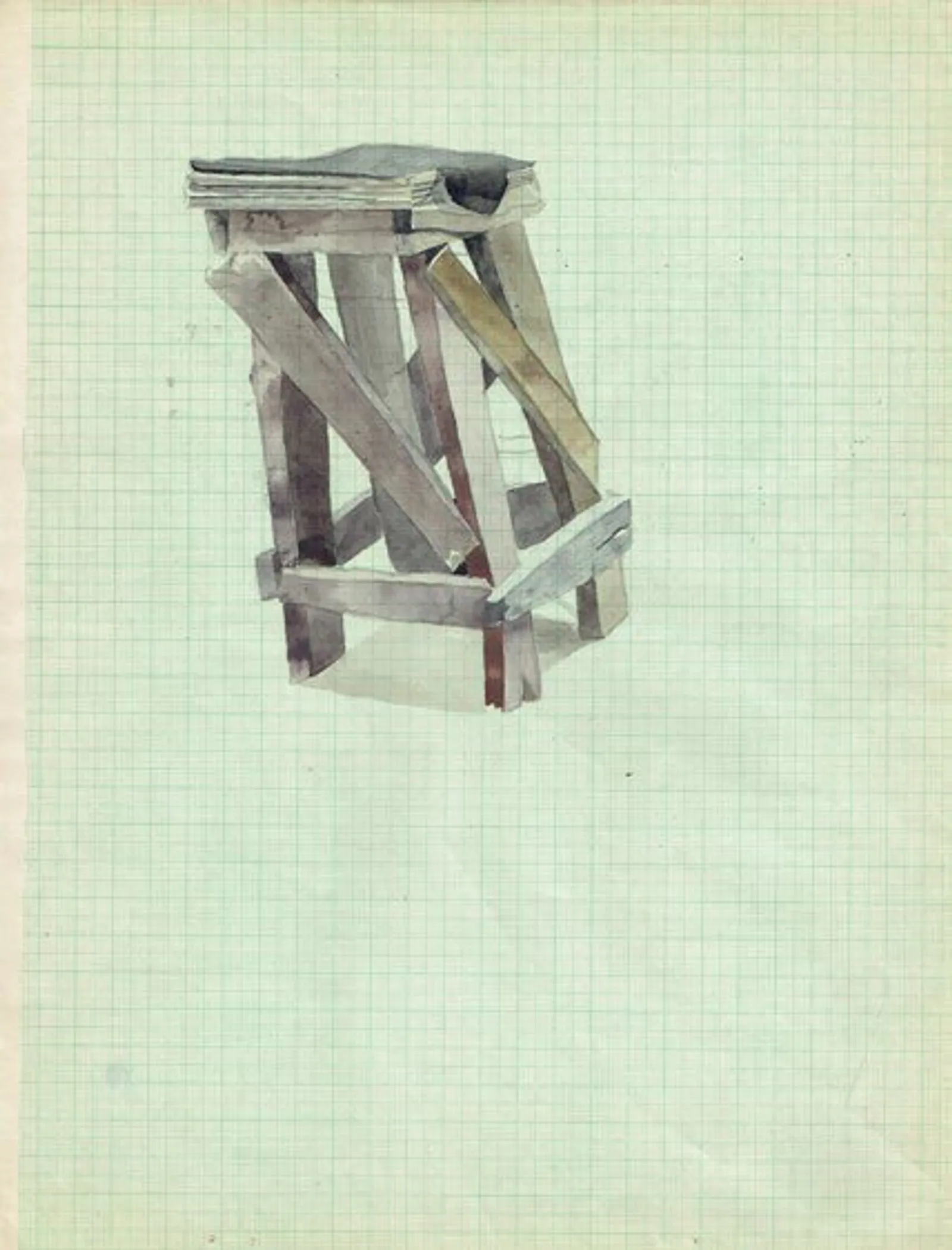
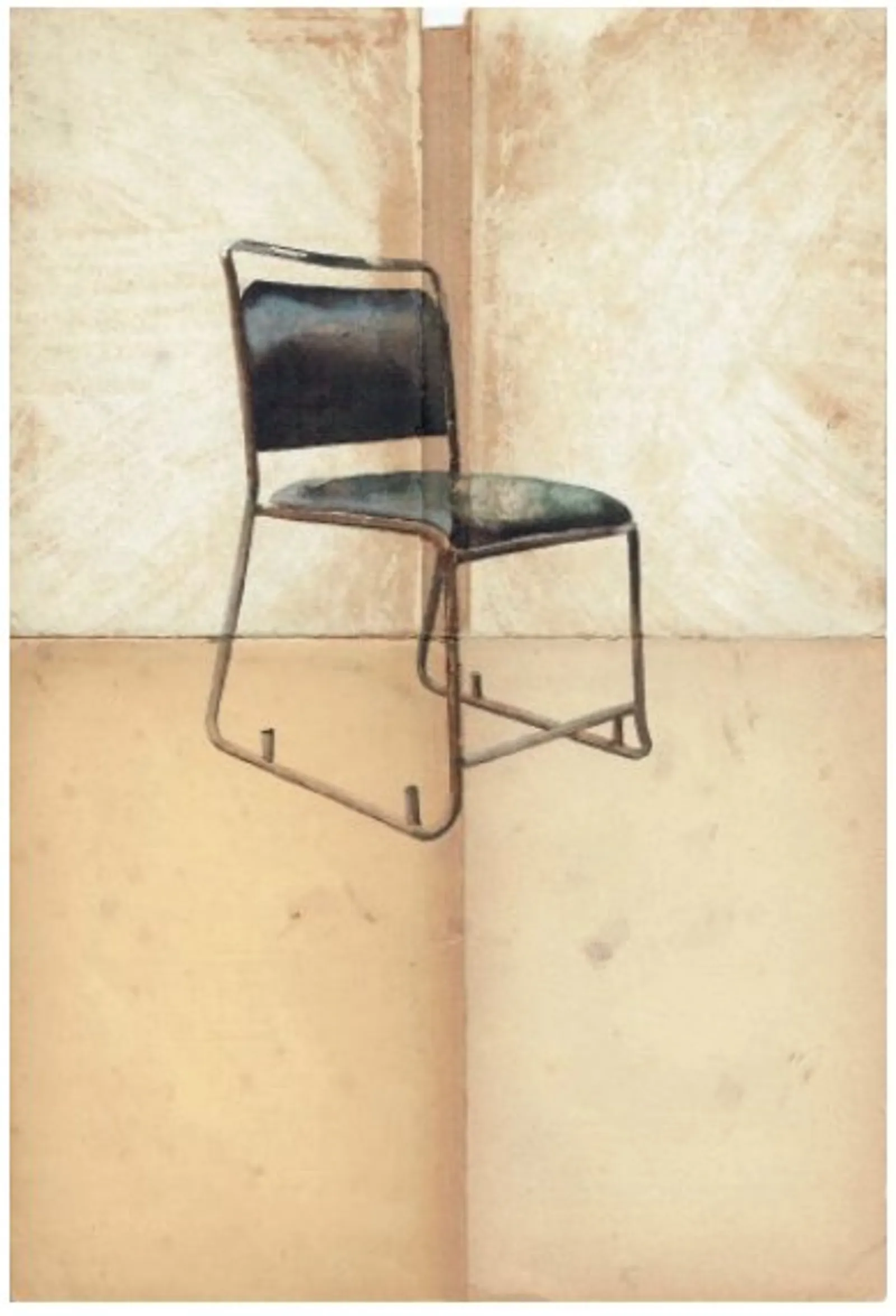
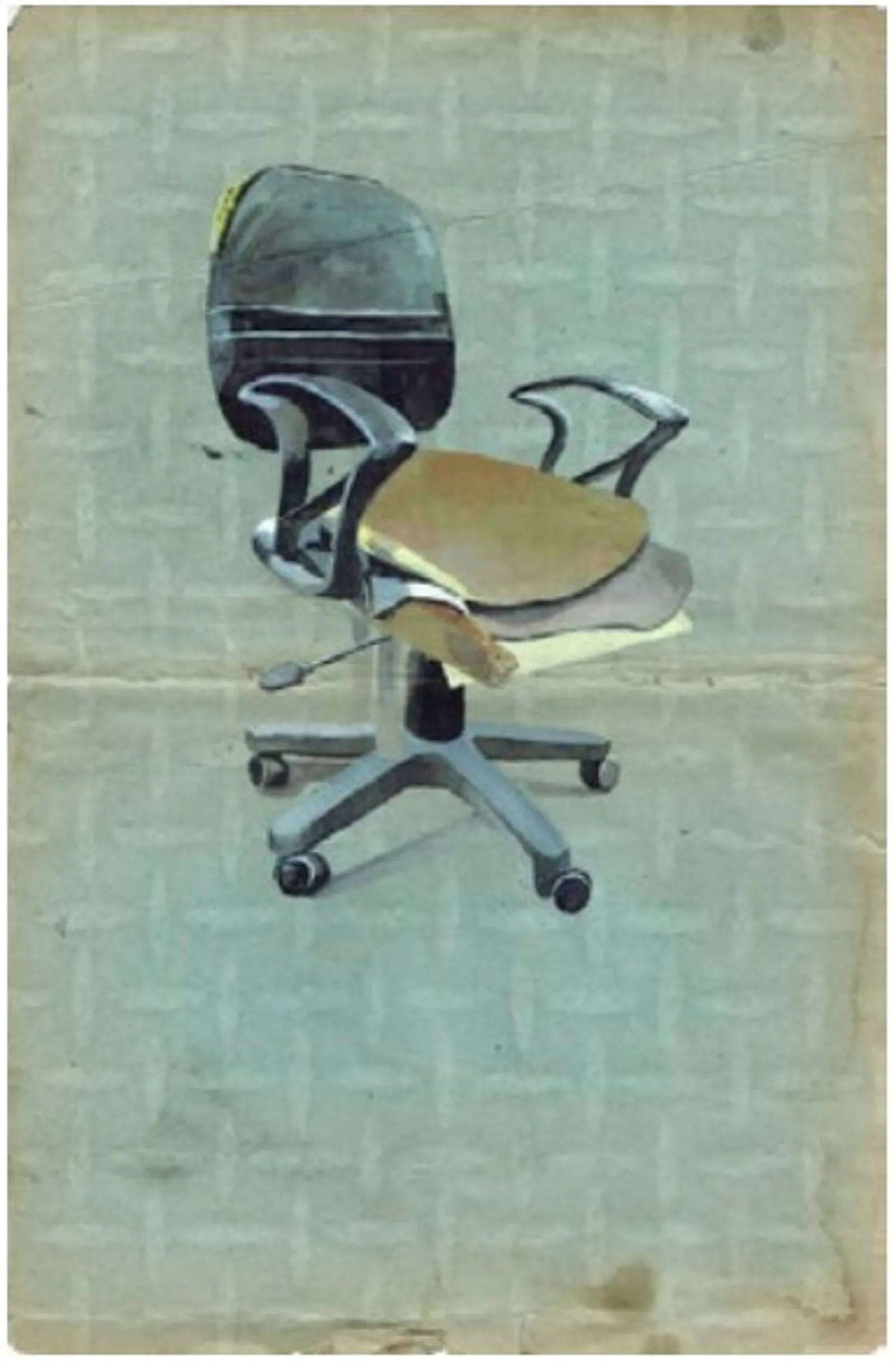
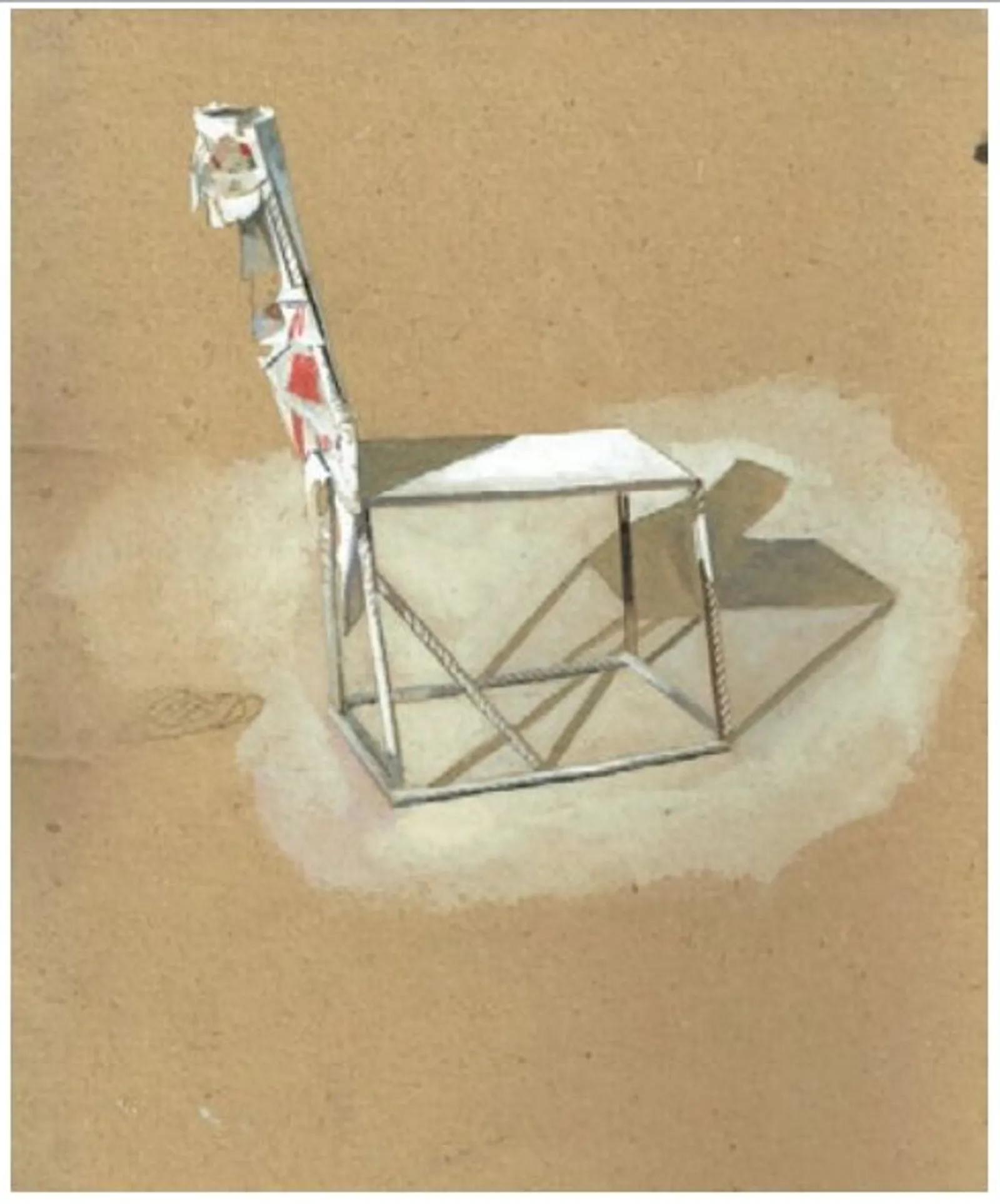
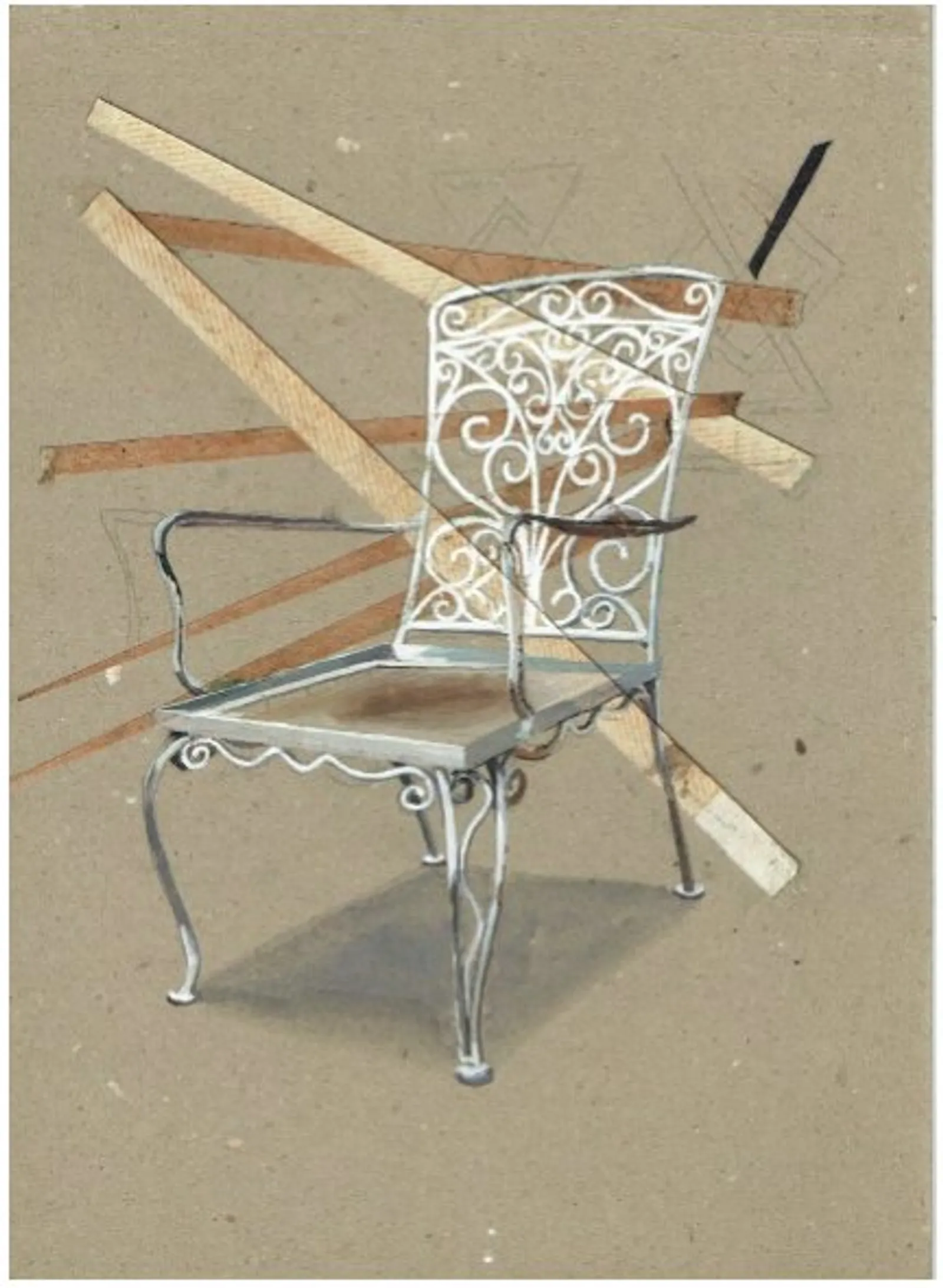
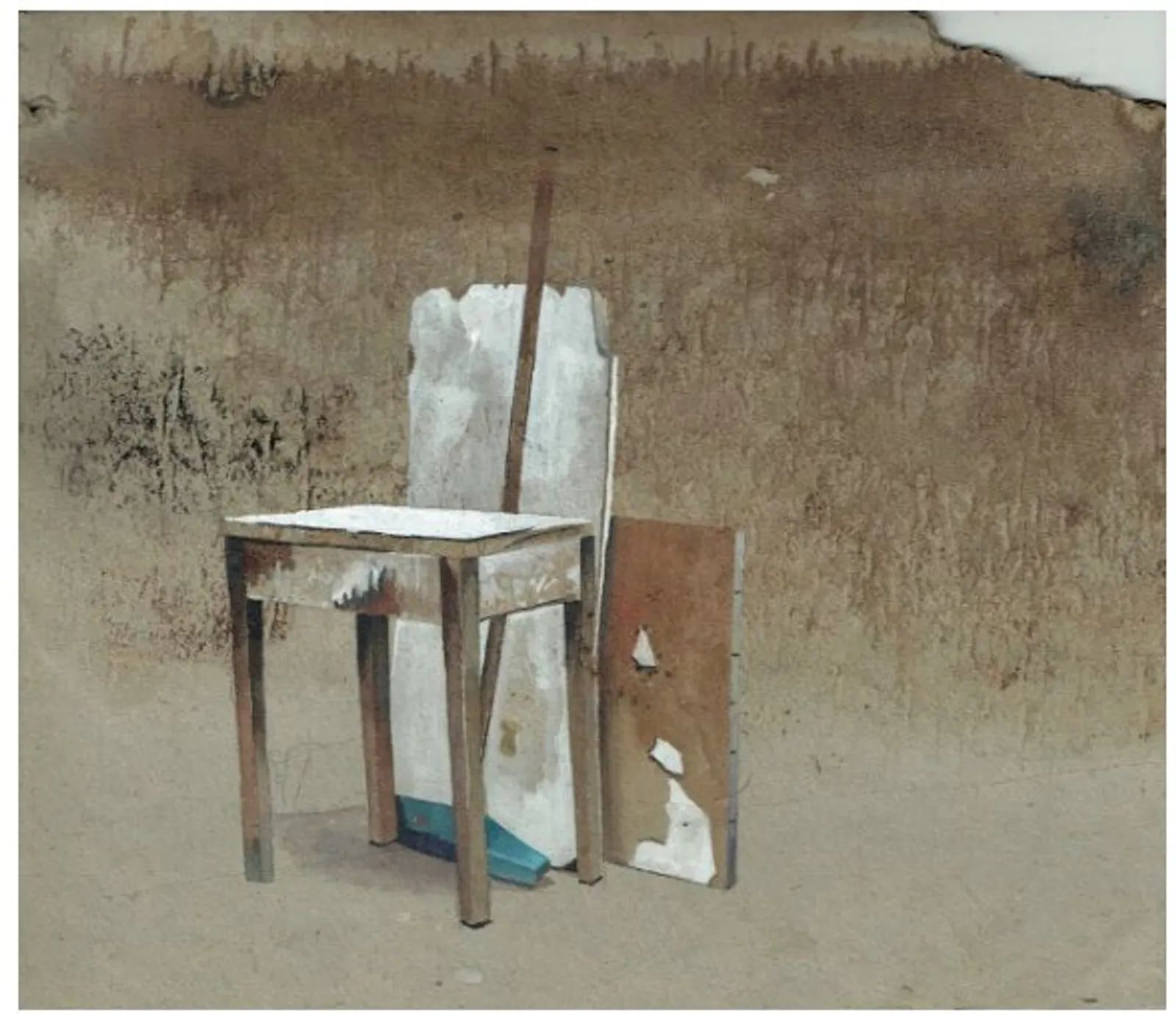
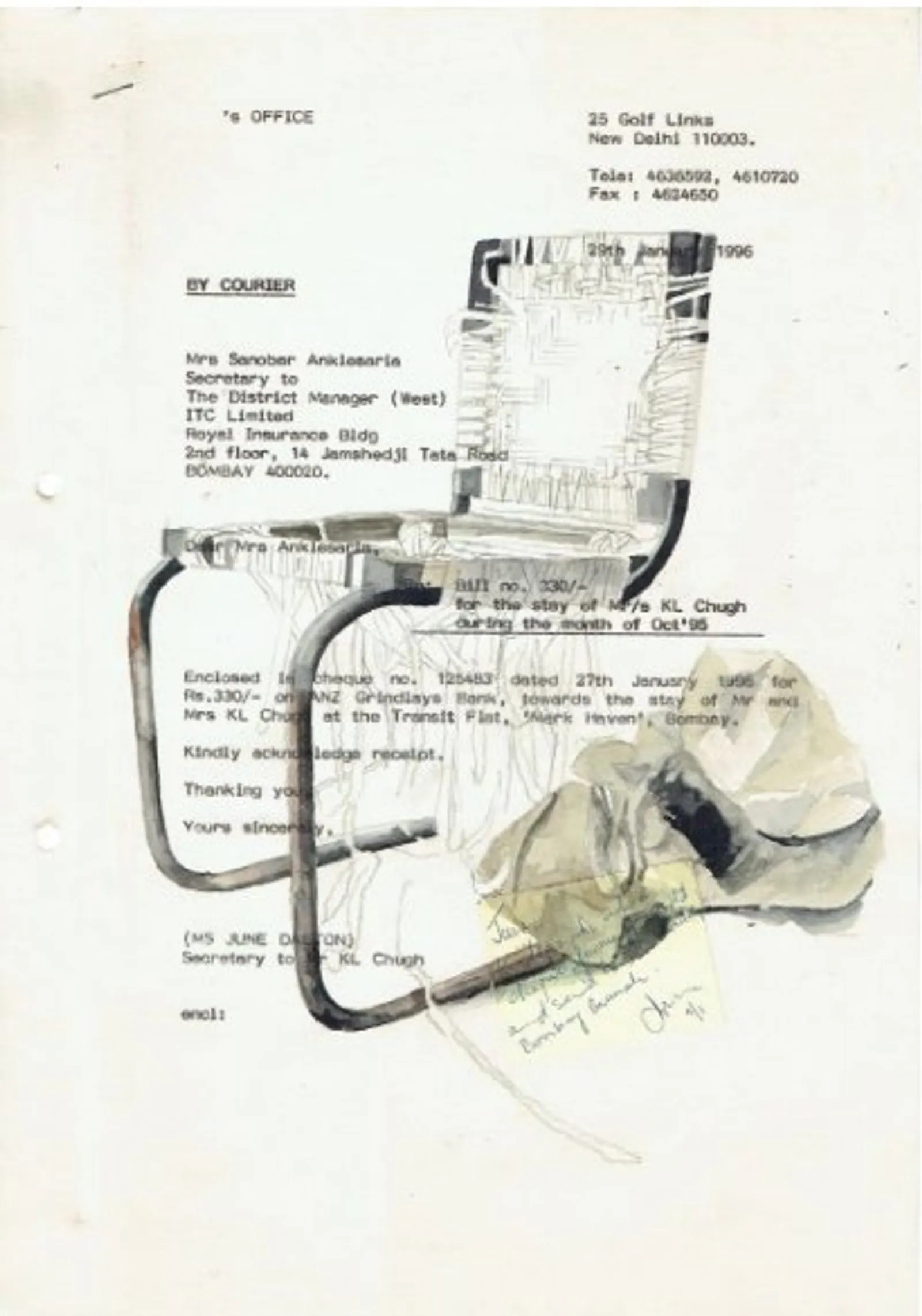
A chair is for me a transparent drawing: at a glance you can read everything a person has made of it. They come in every kind, but their purpose leaves no room for doubt. Like any consecrated place, the chair is an object heavy with symbolic value. In the West especially, it is bound up with the idea of civilisation — the “savage” was said to have none, and neither, supposedly, did the traditional societies of the Arab-Islamic world or the Far East. A legend kept alive to prop up the claimed superiority of European societies over everywhere else. Seat of power and of the enterprises that wield it, the chair is equally the symbol of the fall and of abandonment.
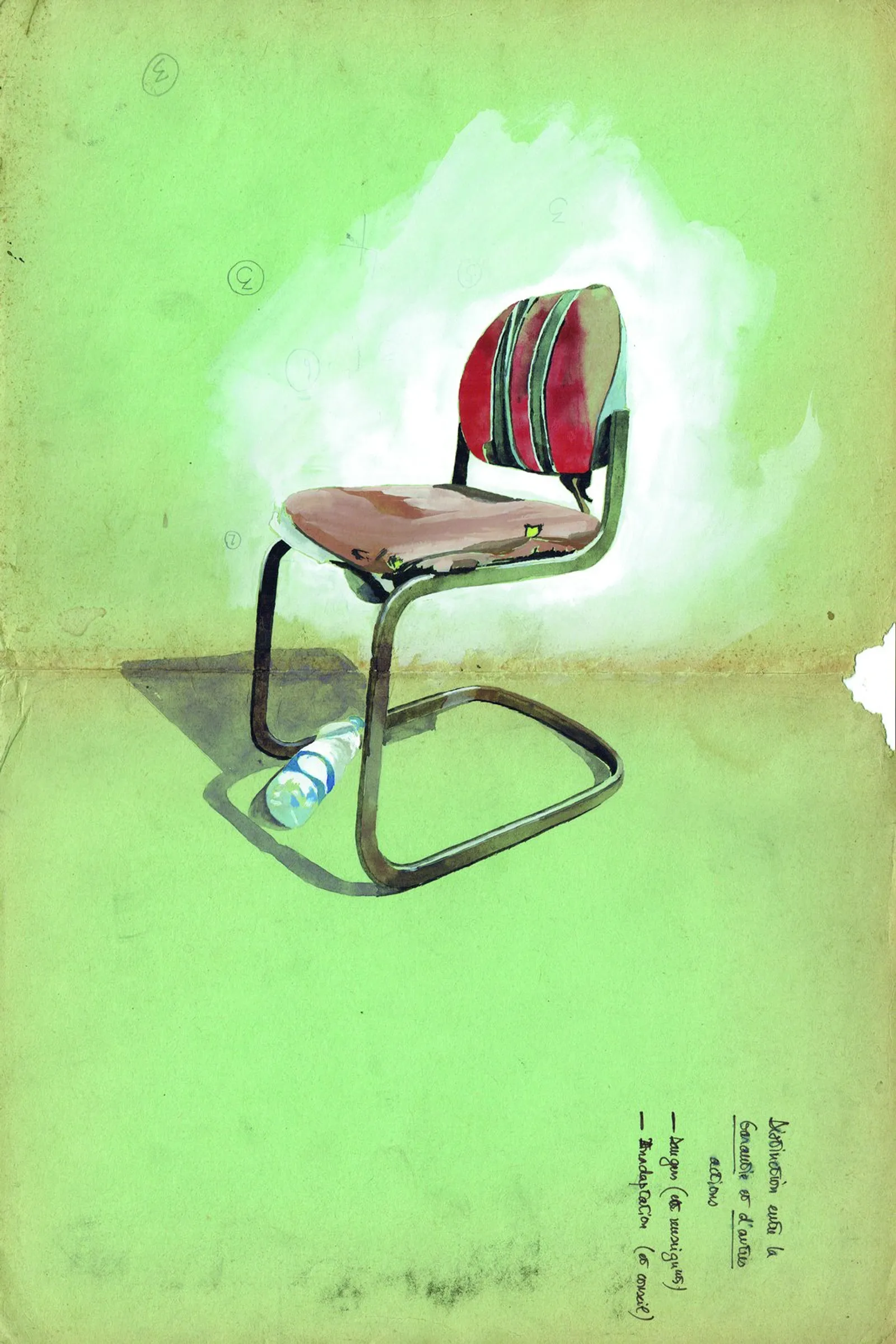
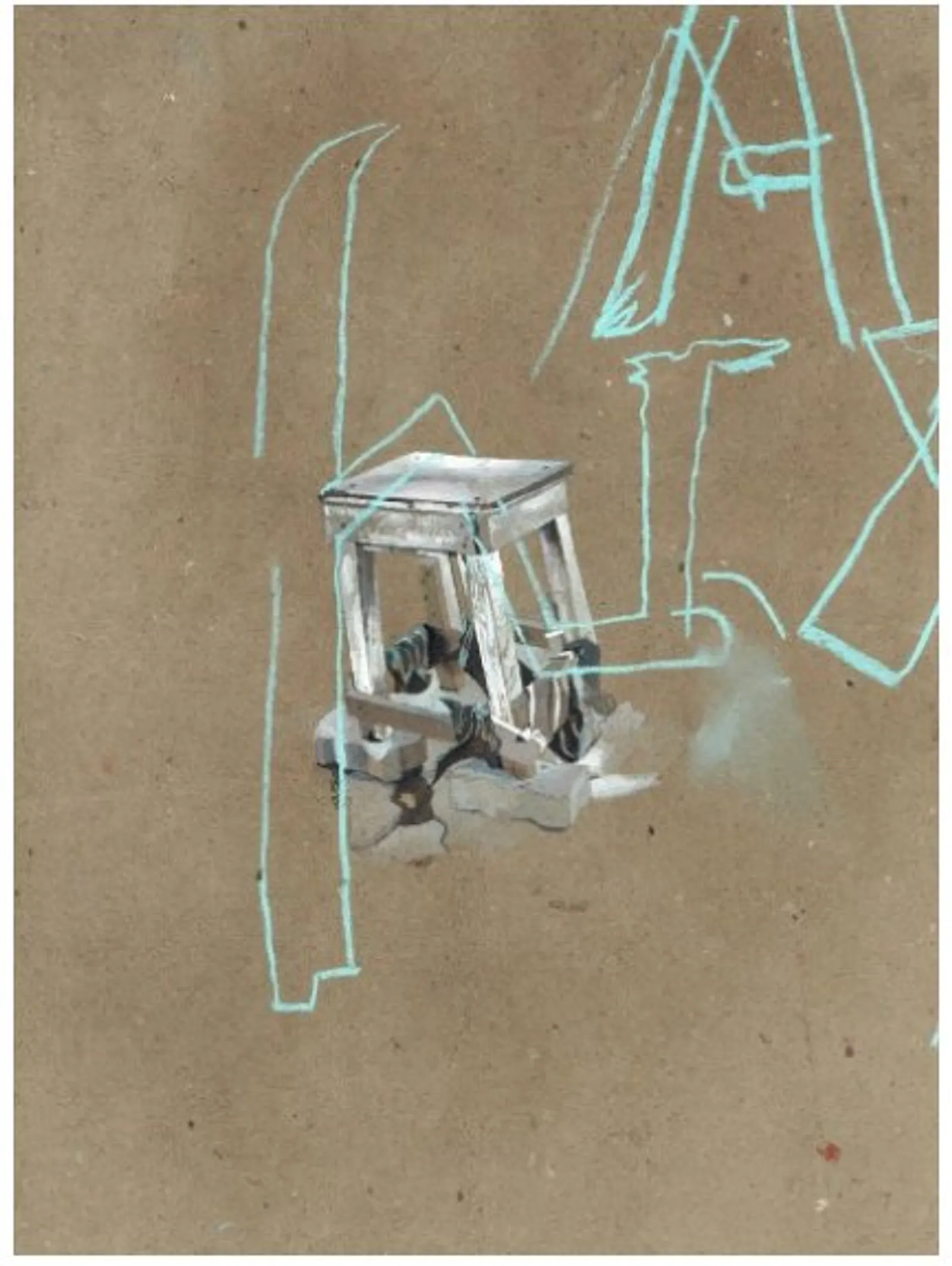
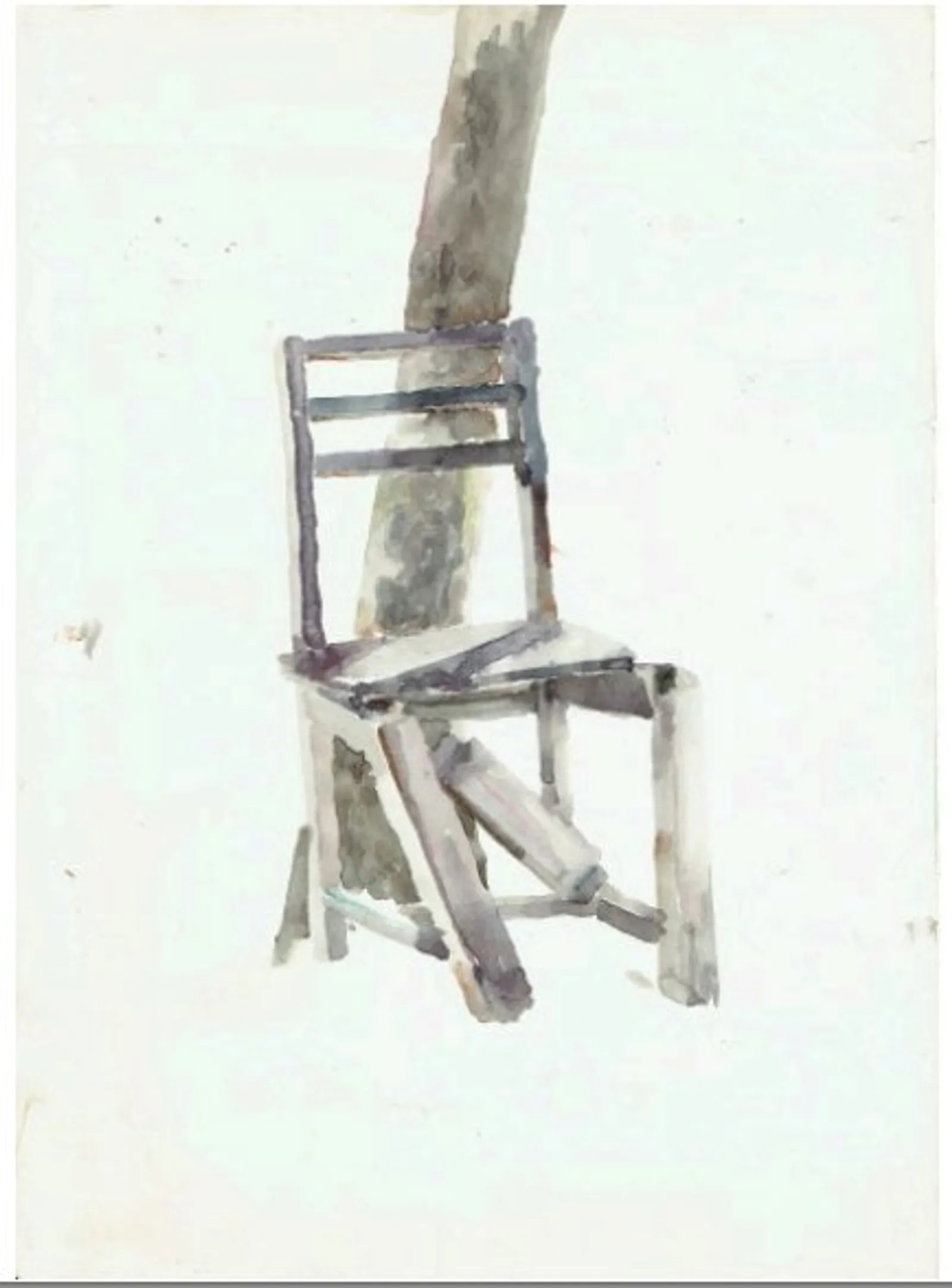
In India, where I live, it is part of my daily surroundings. I meet it stepping into the street, on rooftops, in vacant lots, lost in the most neglected or the most overcrowded corners. It is far more than a discarded object: it is the sign of a society undermined at depth by demographic explosion, unchecked urban growth, pollution and poverty.
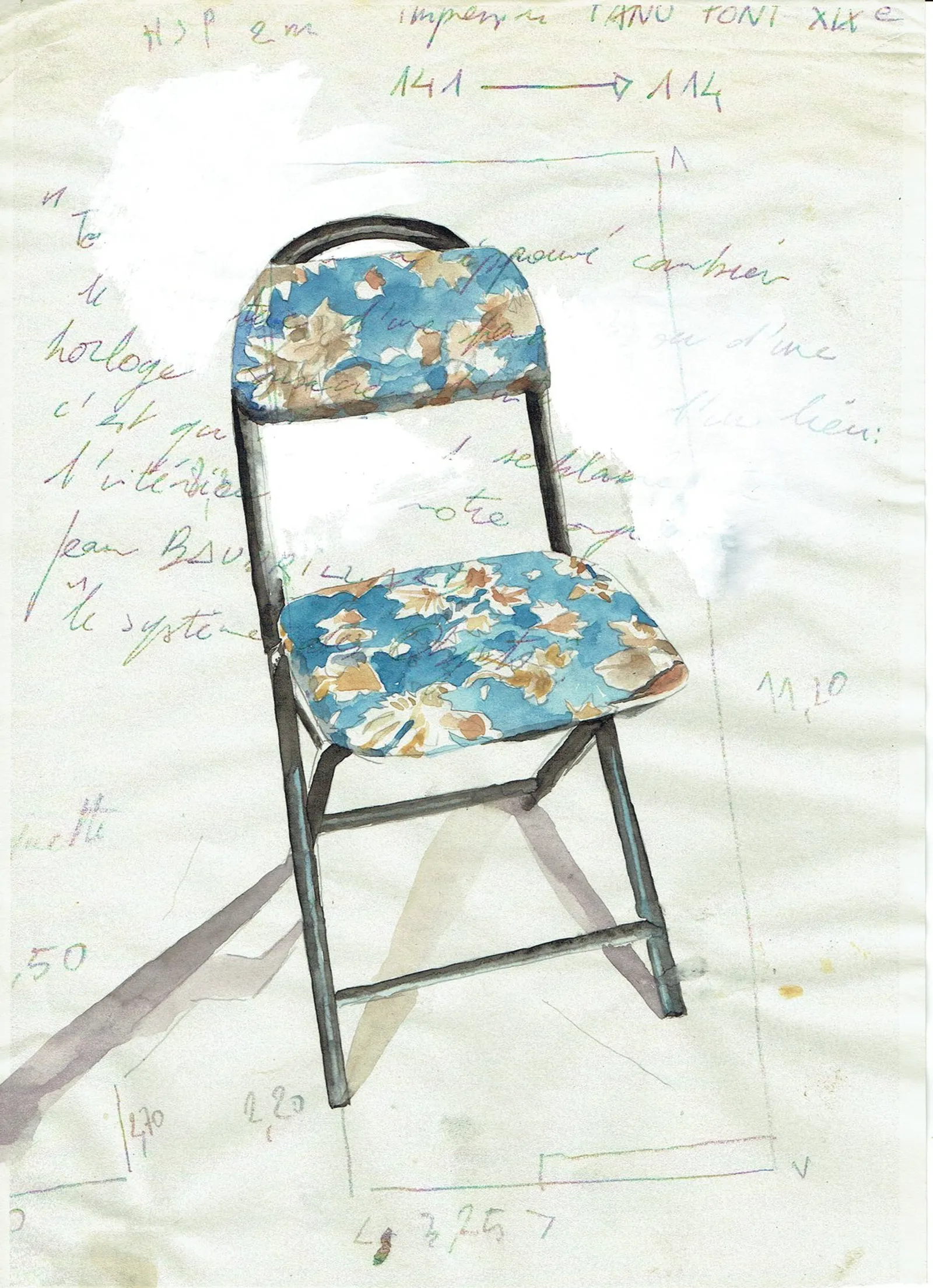
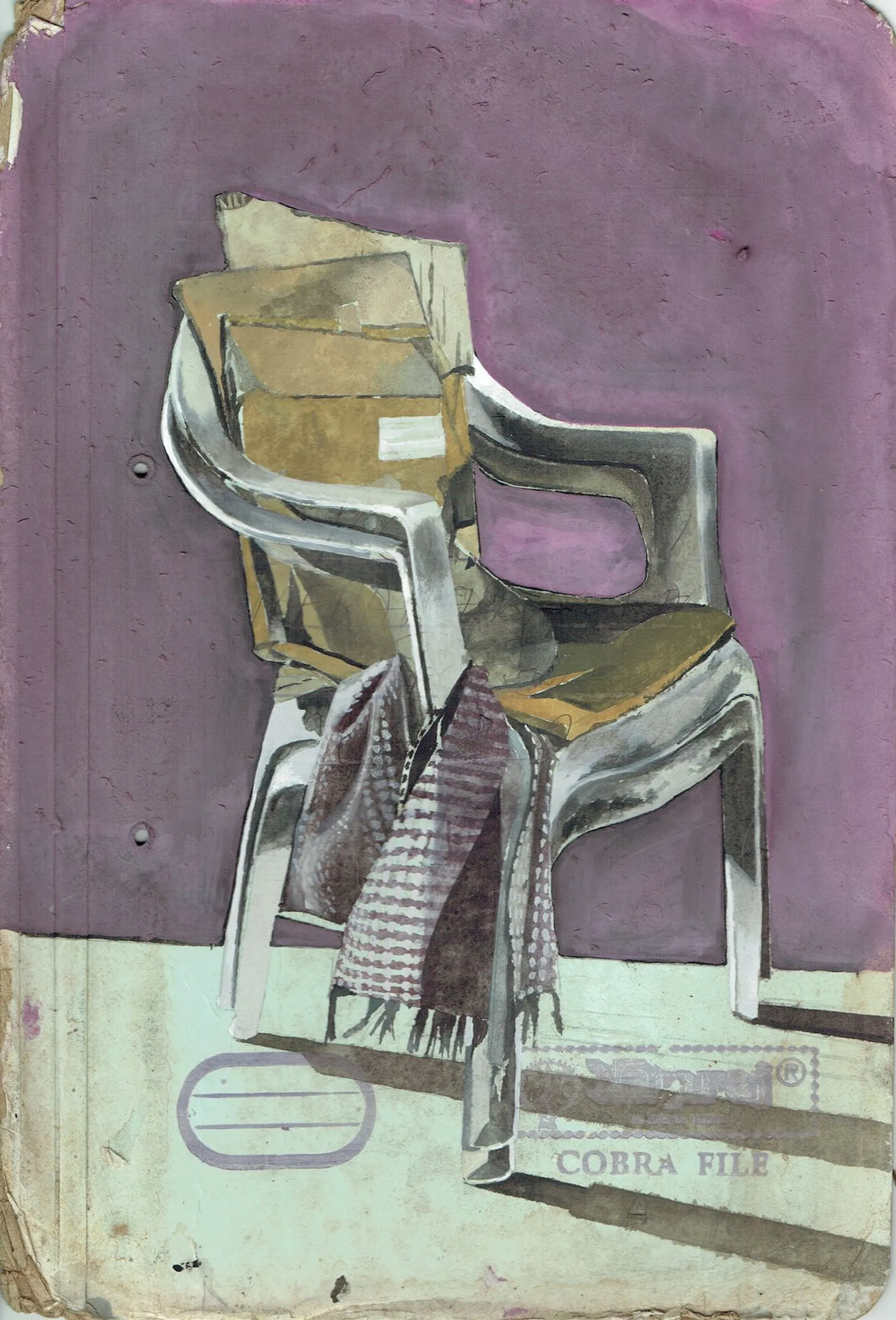
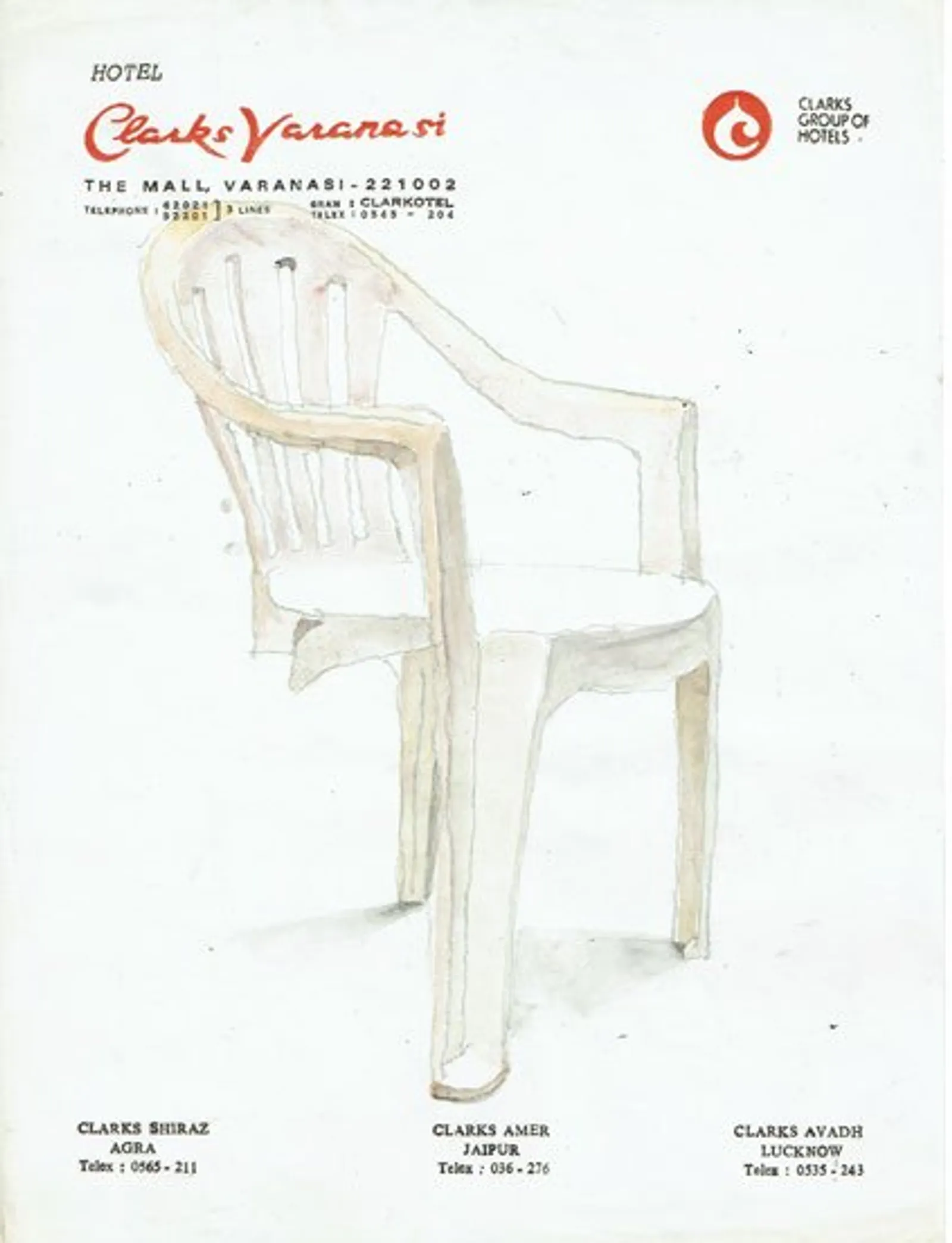
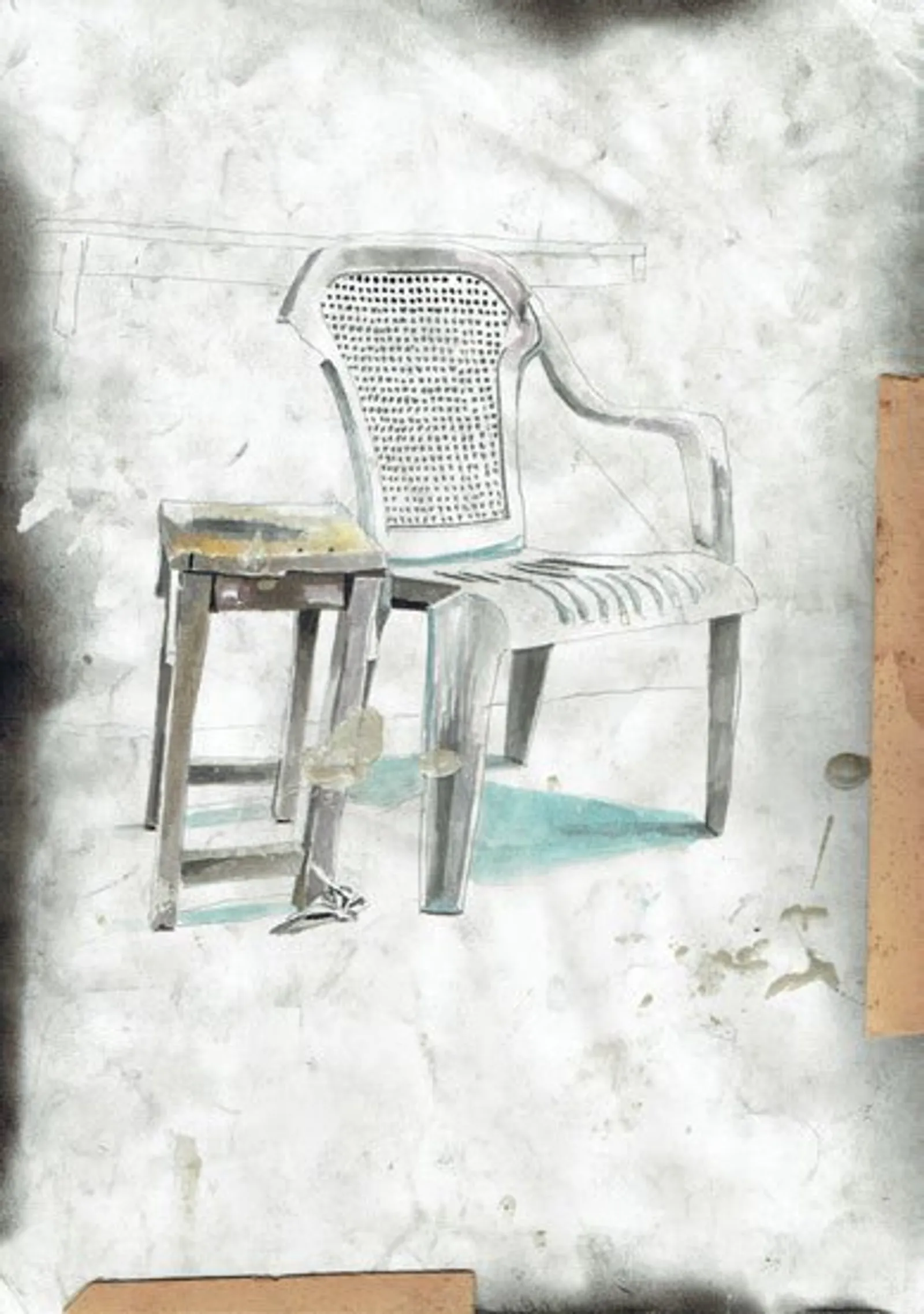
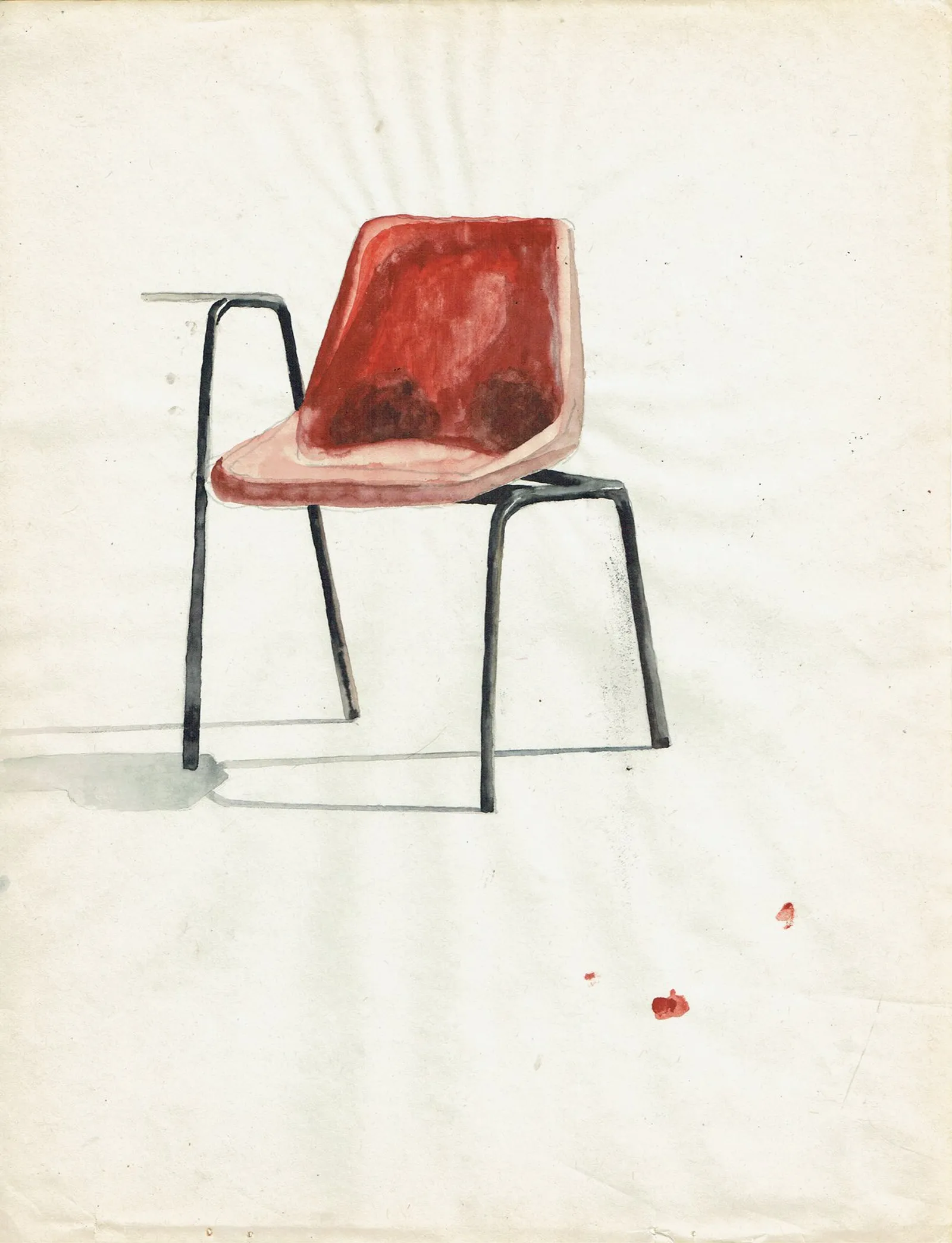
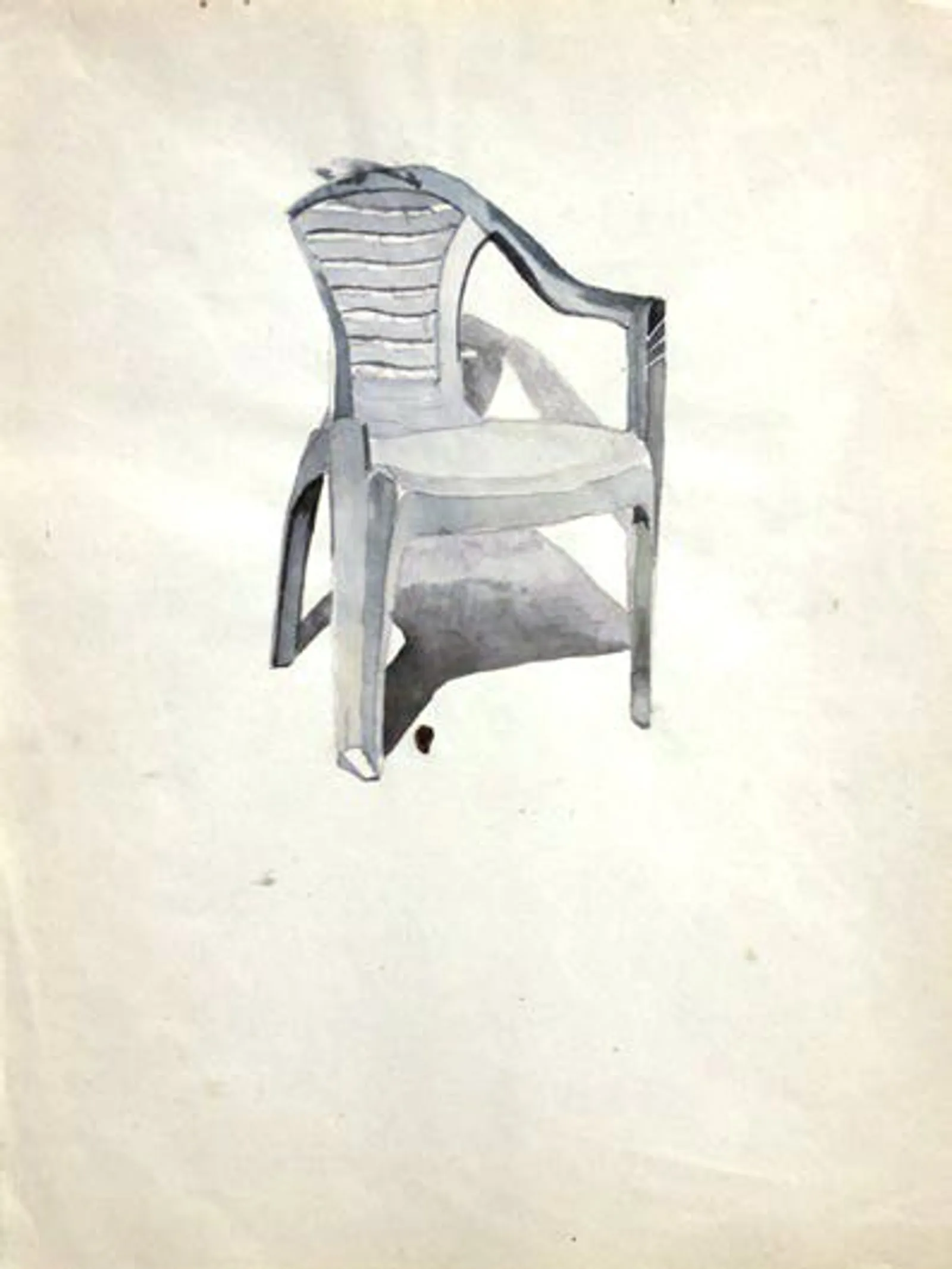
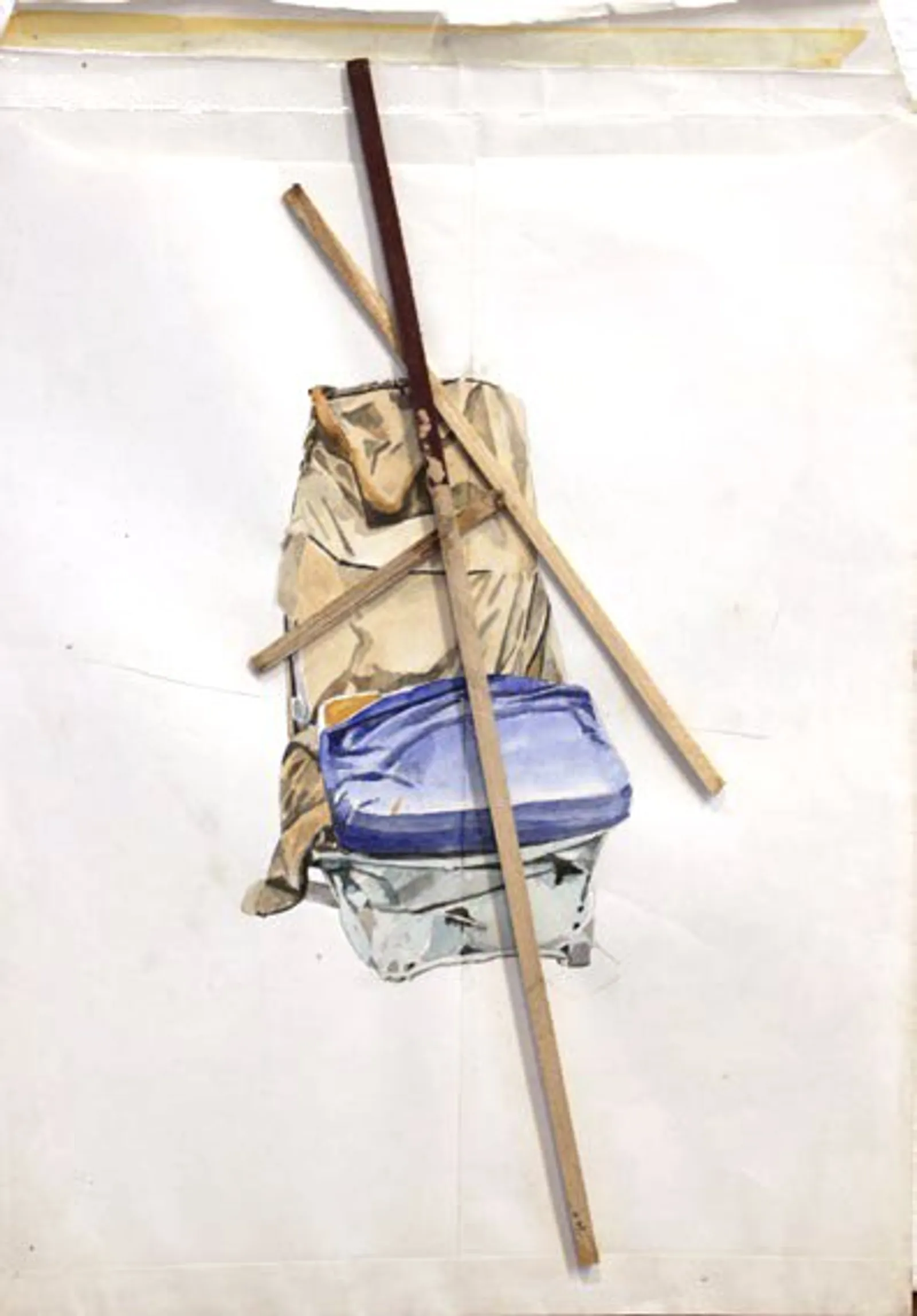
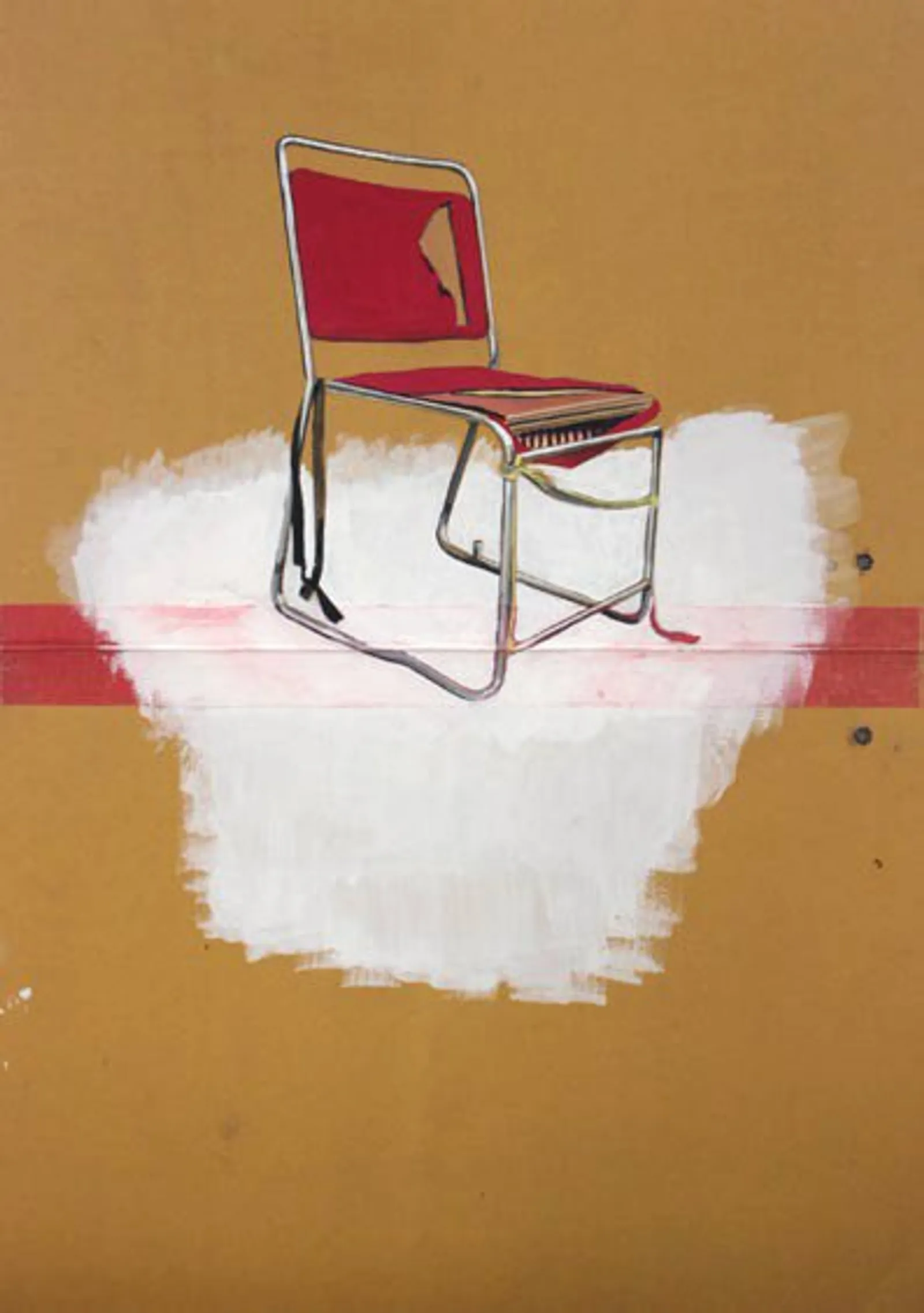
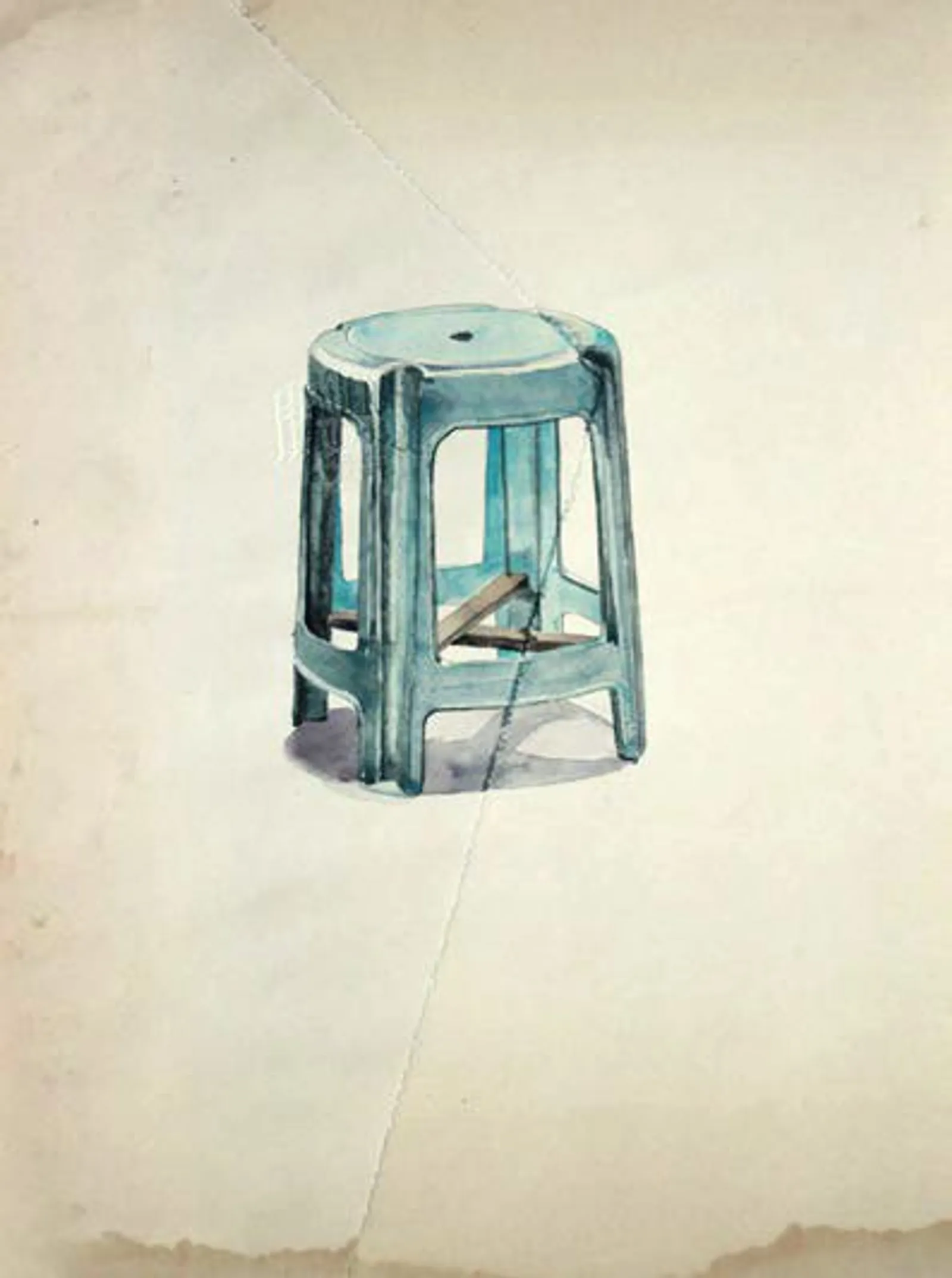
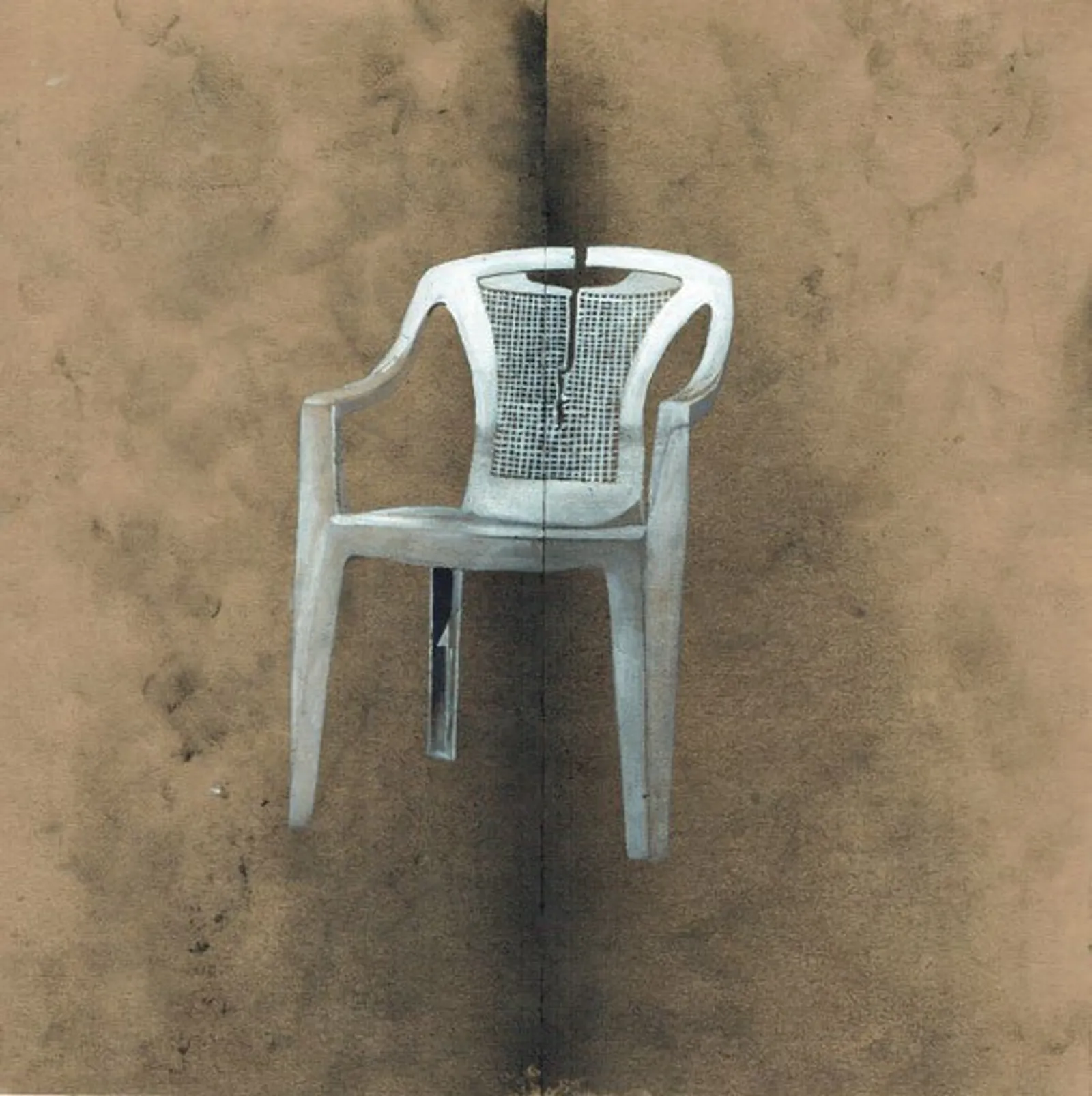
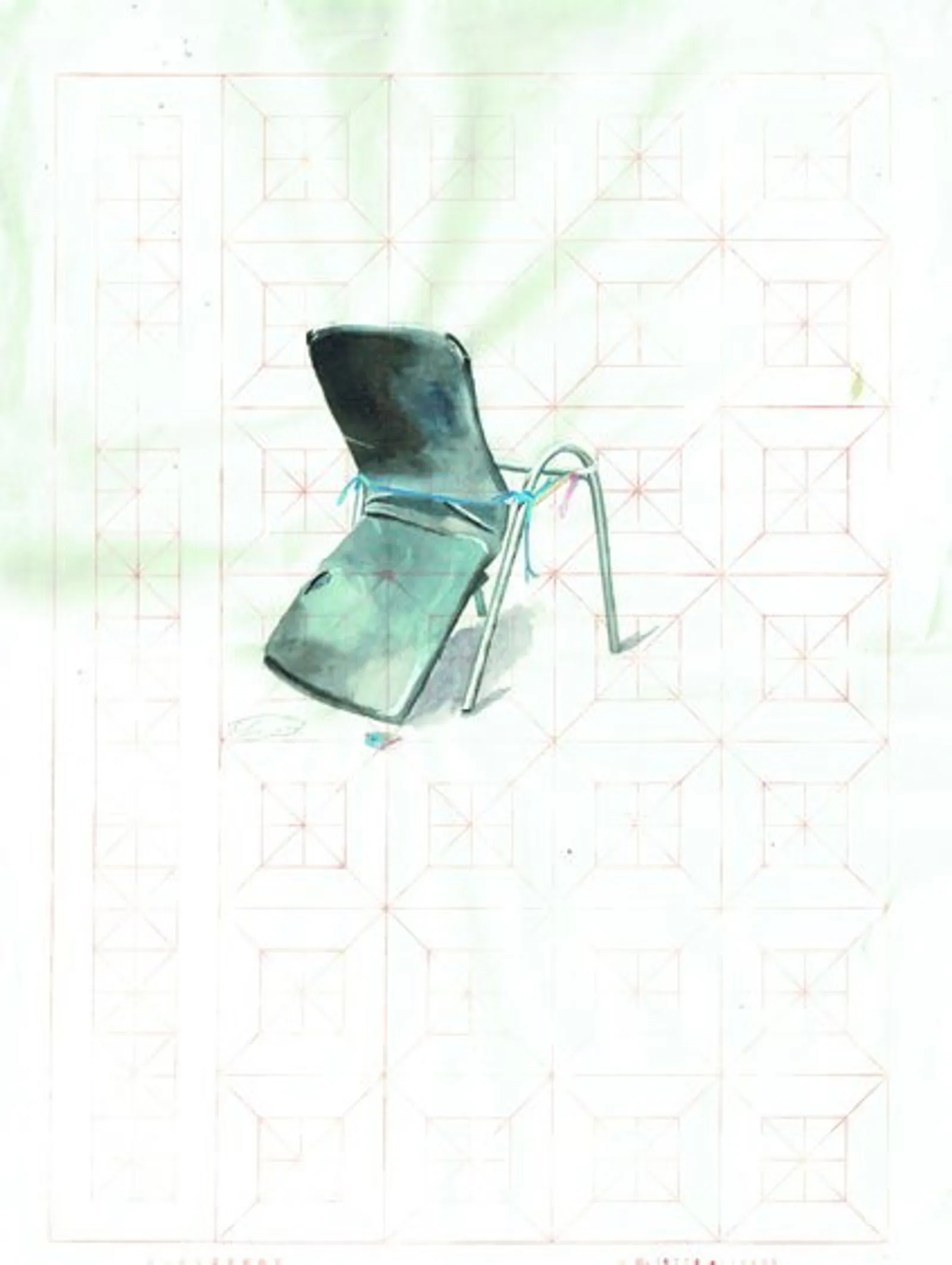
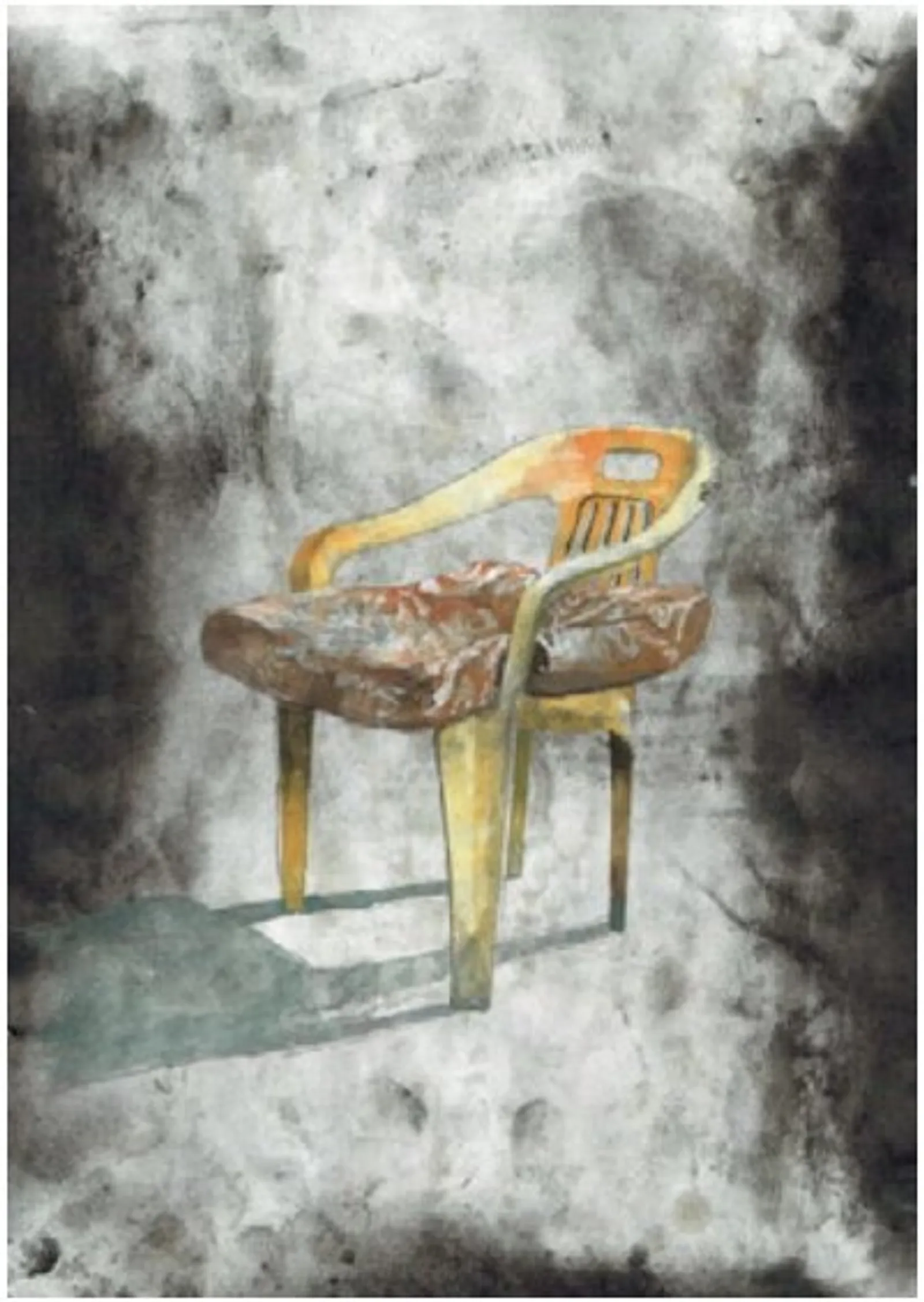
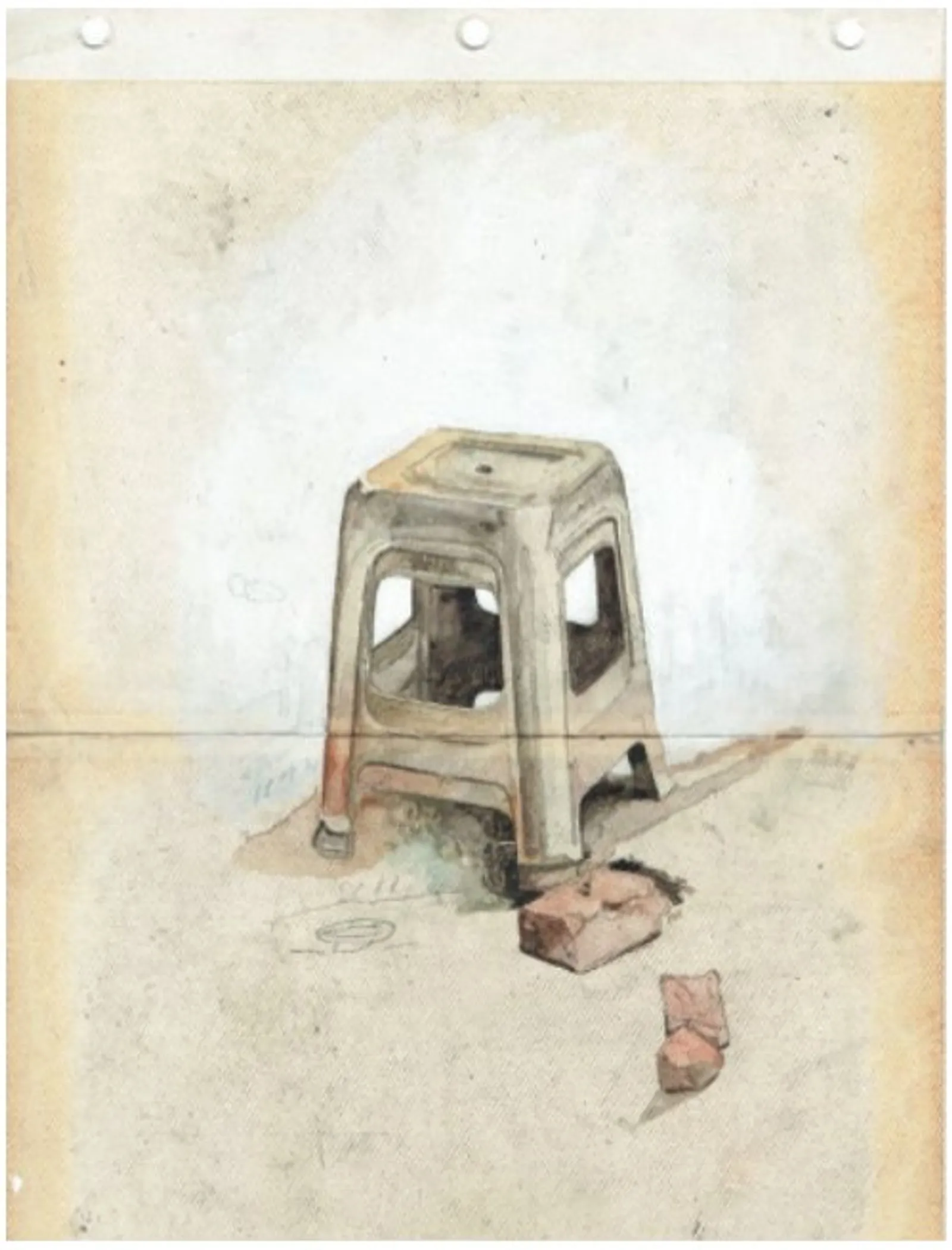
And yet in this landscape of ordinary cataclysm it also holds, to my eyes, a hope. Drawing it with attention, setting it upright on its four legs like a sculpture, detailing its patch-ups and repairs, I have in mind the effort of human societies to pull themselves out of the mire and to hold up — with whatever is at hand — an individual dignity under grave threat.
The plastic monobloc, mended with tape and wire, is where cheap mass production meets everyday ingenuity: working-class survival, made to be looked at.
Documentation