Salvage Poetics
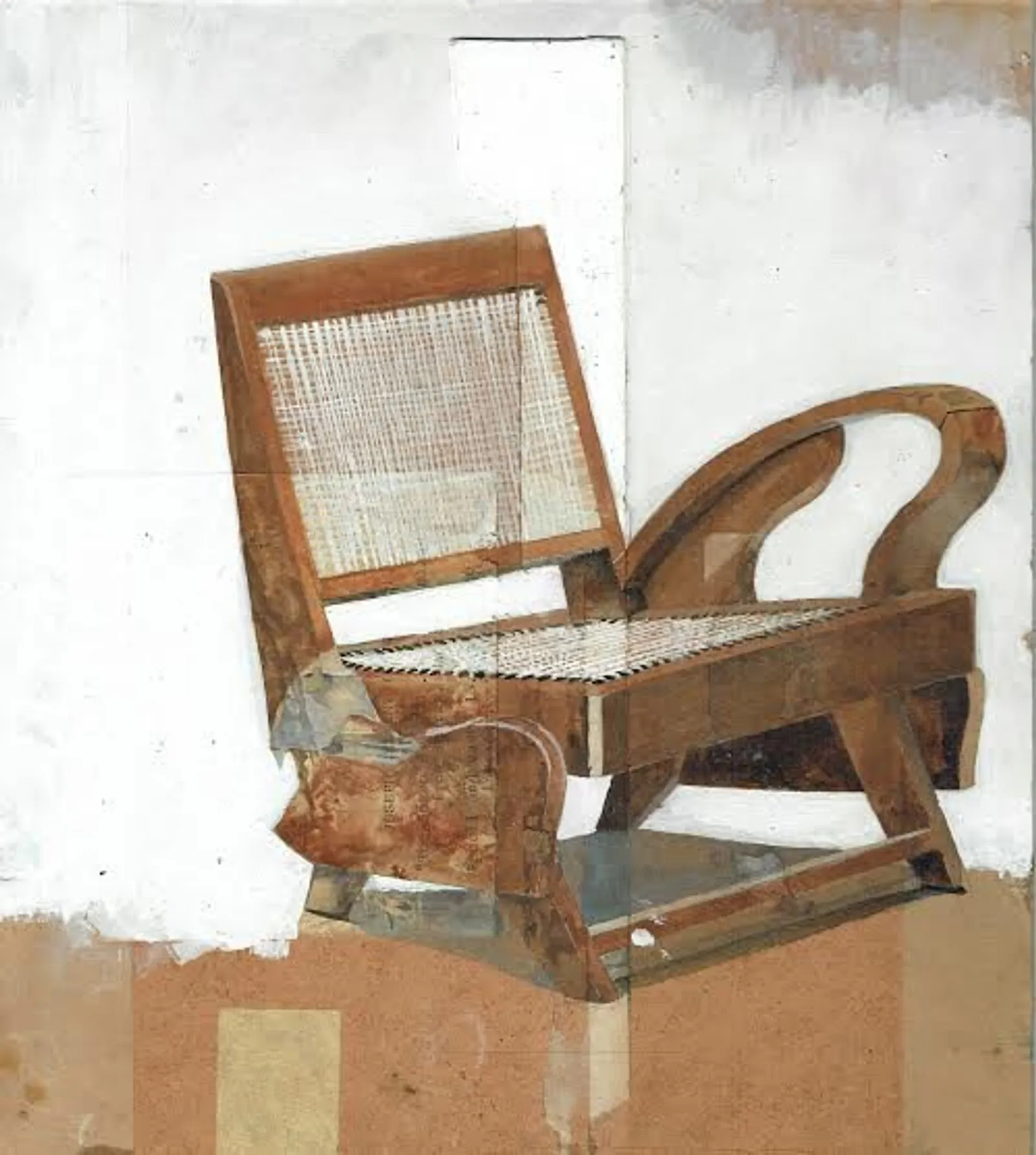
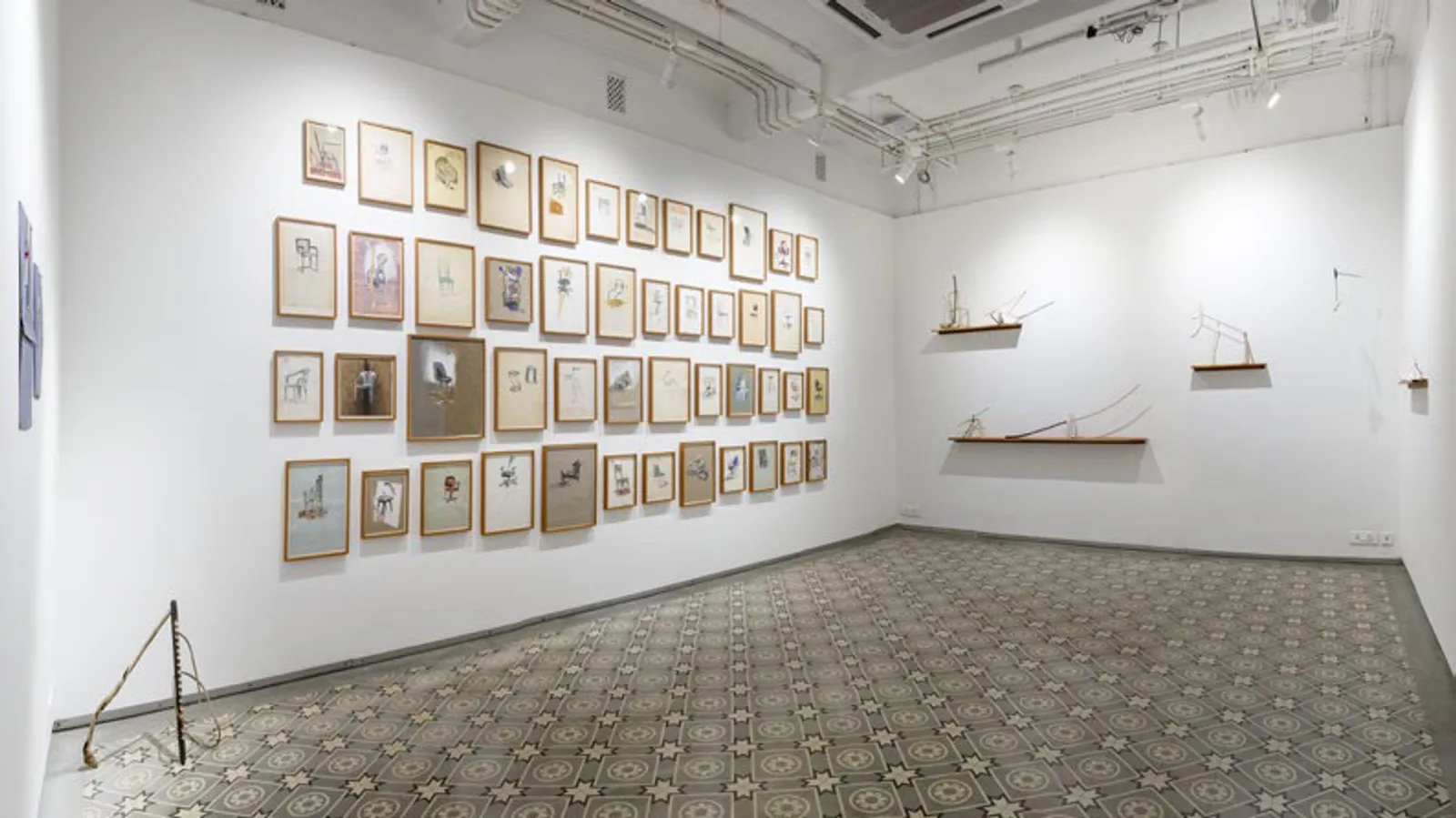
At the centre of this cycle are the street chairs of Chouf — painted in Delhi, mended with wire and tape, weathered by use and refused retirement. Behind them stands a Western legend: that the “savage,” or the traditional societies of the Arab-Islamic world and the Far East, had no seat of power — a story kept alive to prop up the claimed superiority of European societies. The chairs answer it quietly: each one still standing, on roadsides and rooftops, is the sign of an individual dignity maintained against the odds.
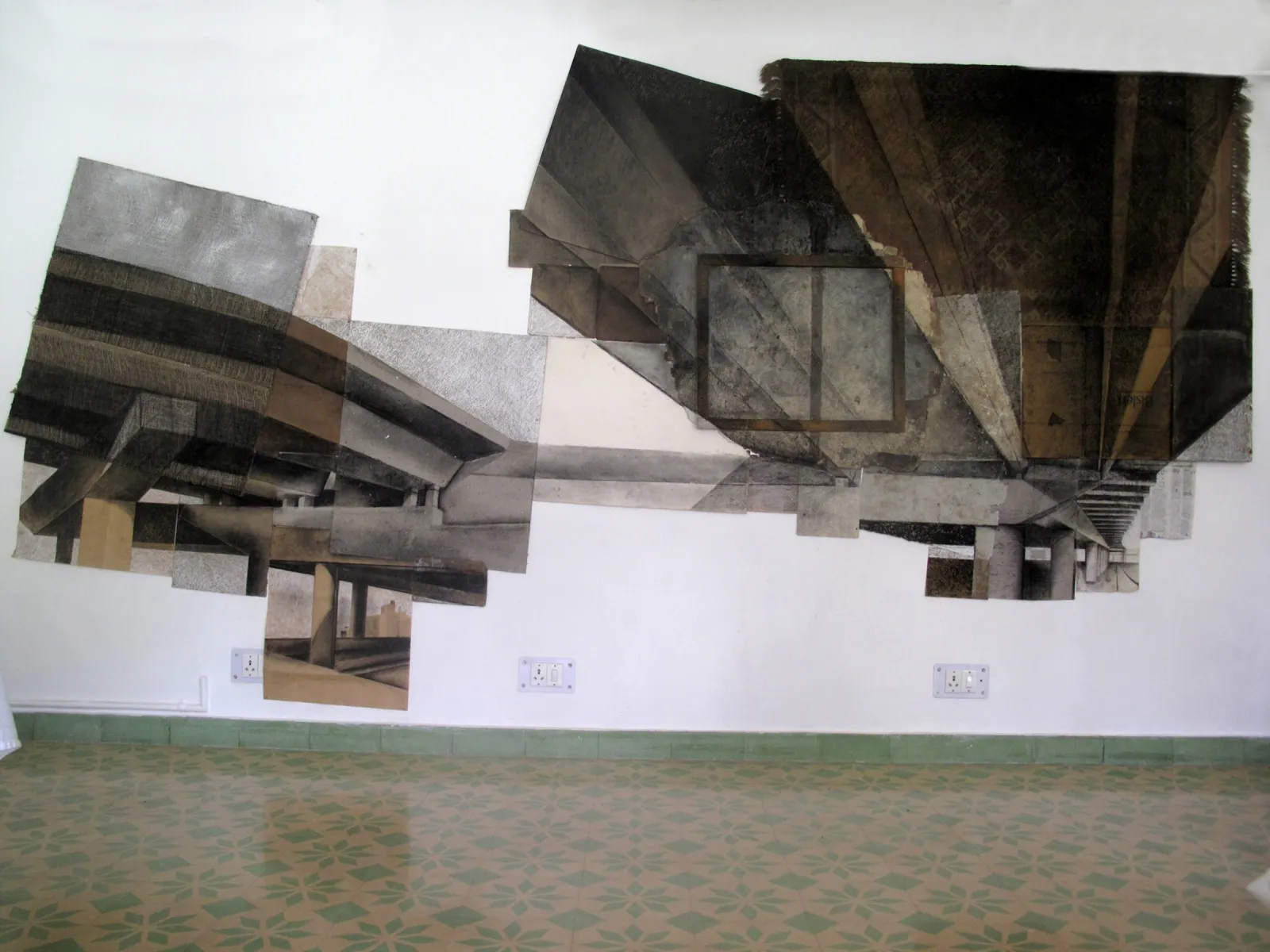
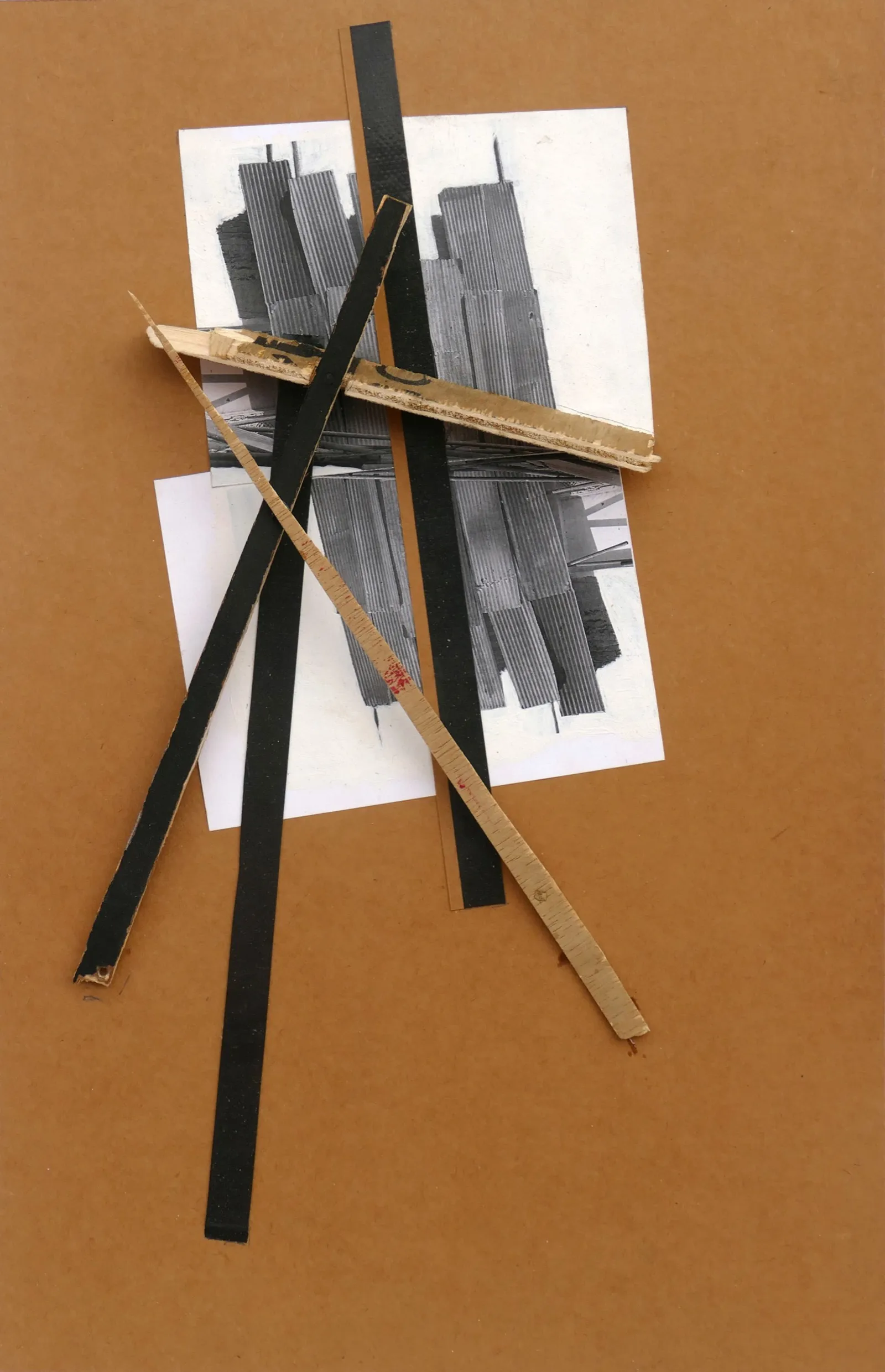
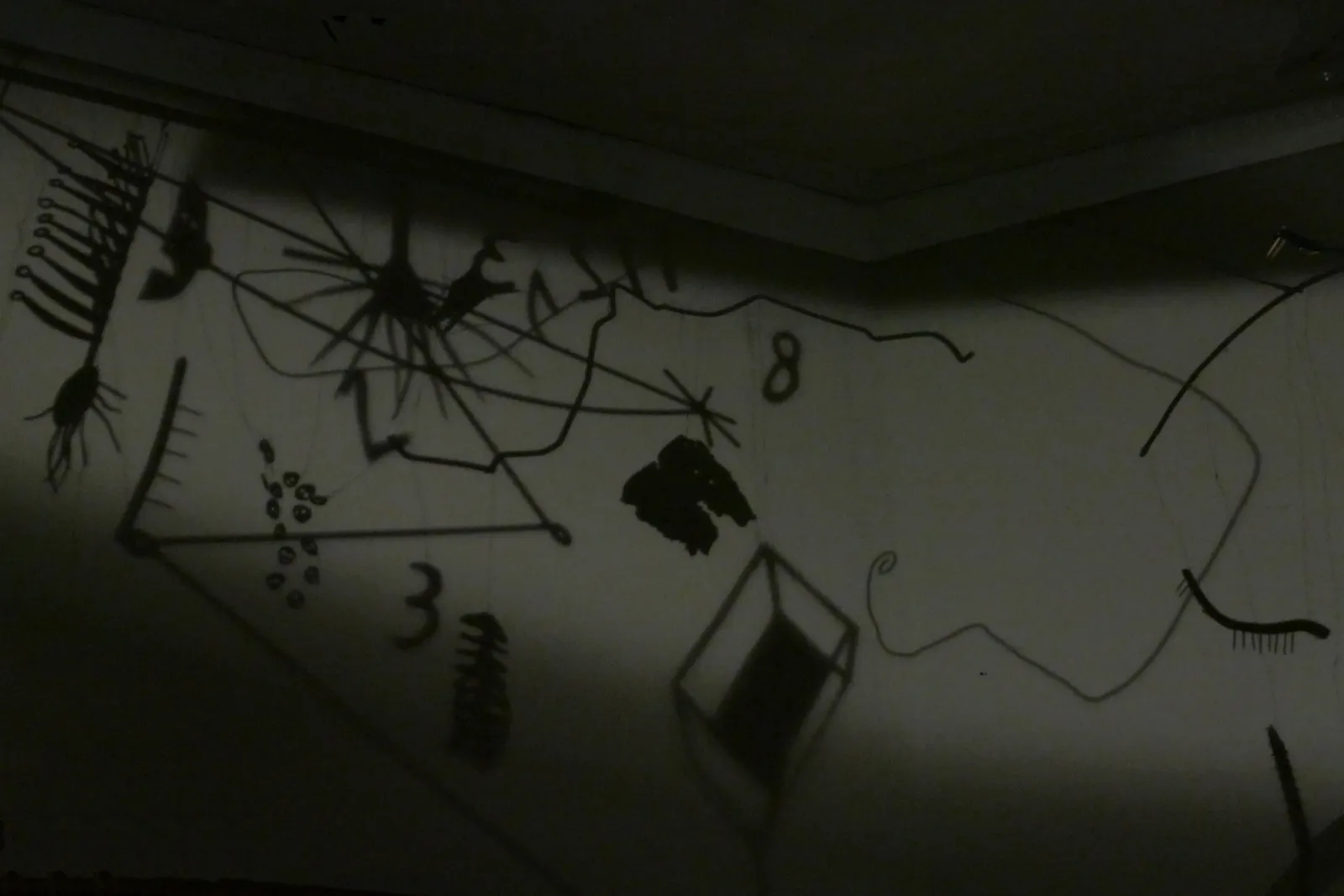
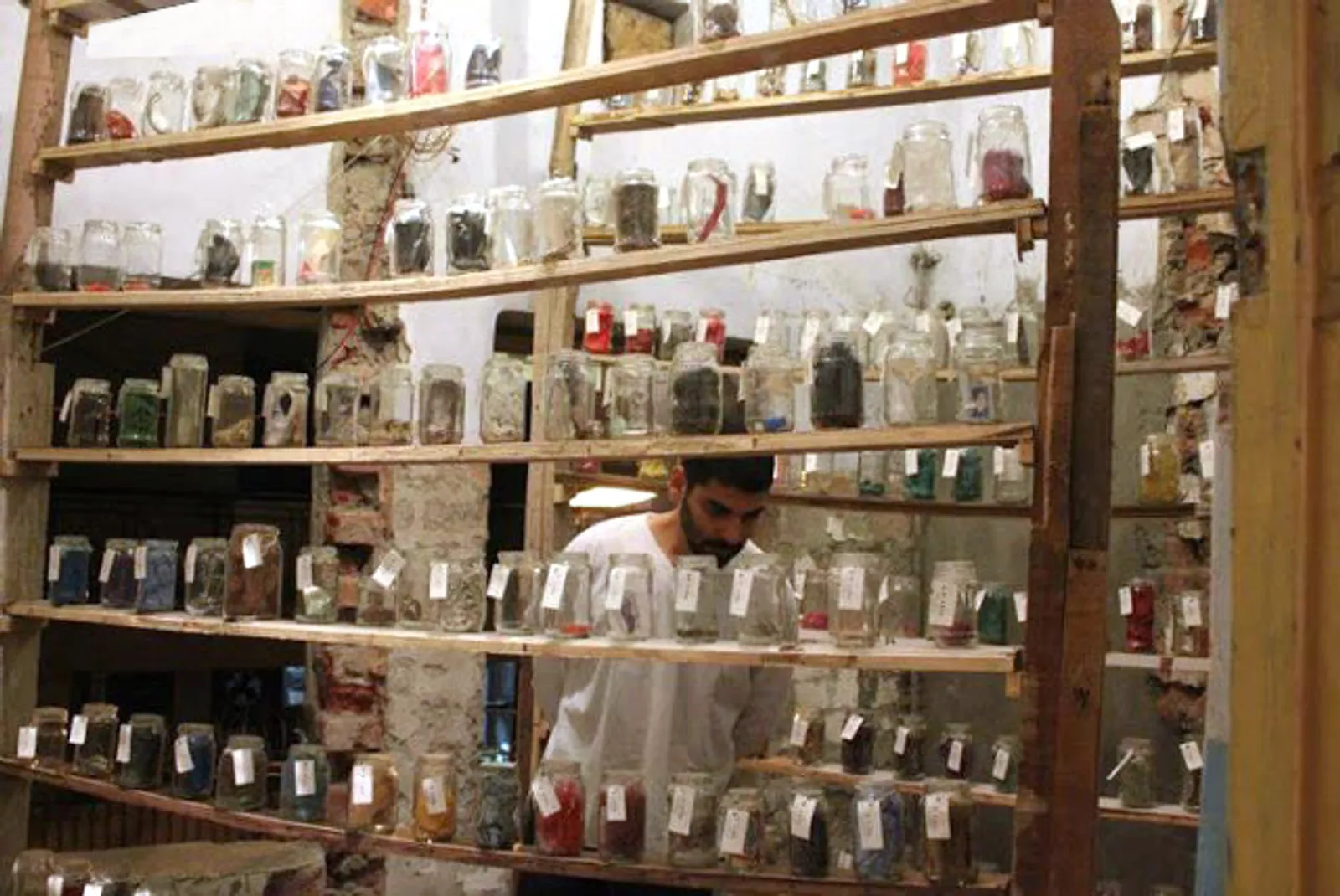
Around them gather the cycle’s other objects of survival — the sculptures of A Second Coming, among them One Stone, Two Houses, Three Ruins, and Four Gravediggers; the suspended found materials of Residuum; the frottages and salvaged fragments of Odds and Ends. Gut City Punch extends the same logic onto paper — collages begun in the dead ground beneath Delhi’s flyovers, discarded materials worked into charcoal and pastel until the expanding city’s underside becomes an architecture of its own. Scavenged, repurposed, held in precarious balance, they are read here through repair rather than decay: evidence of lives that adapt, resist and remain.