Work
The Edge of Memory
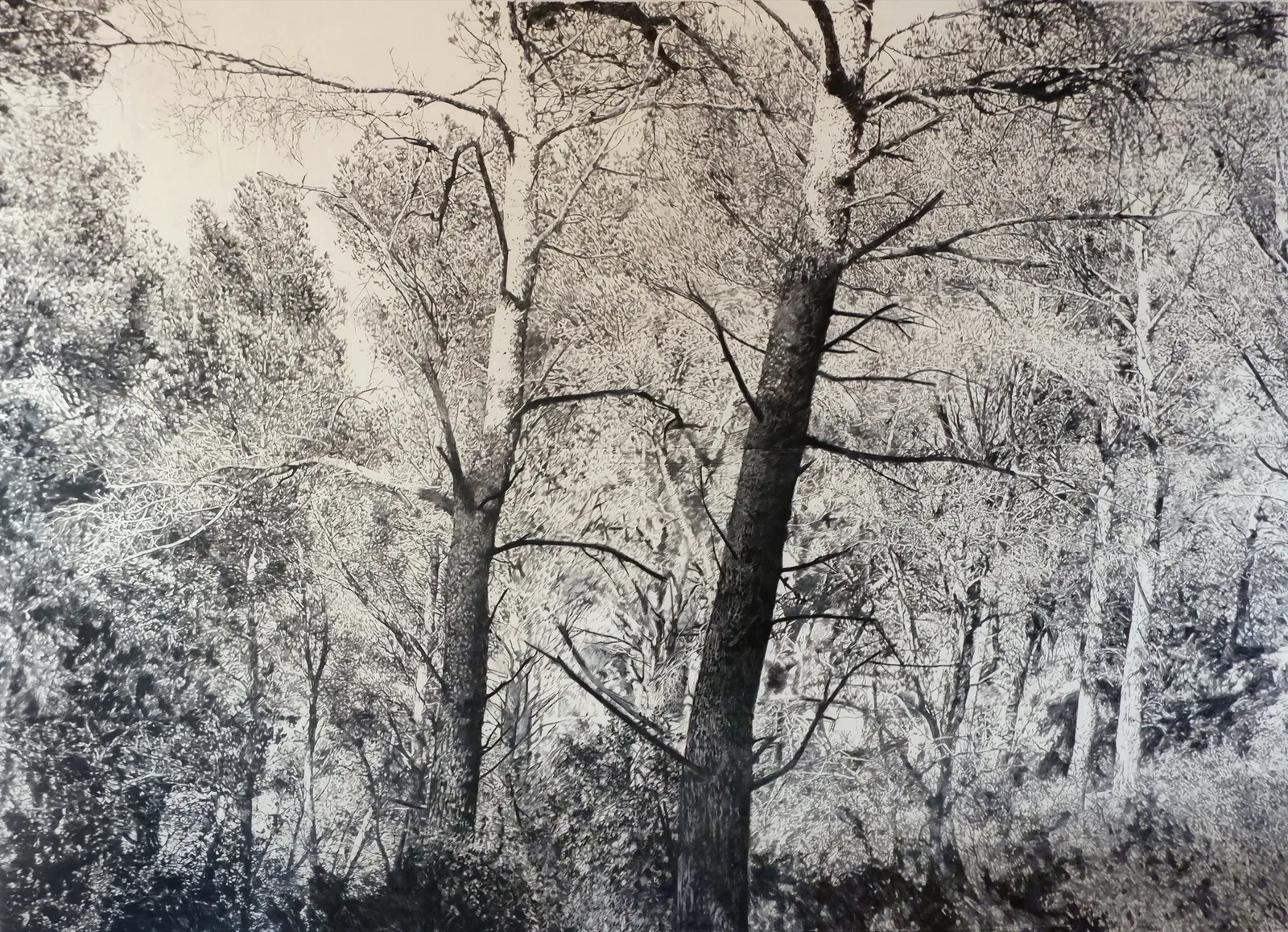
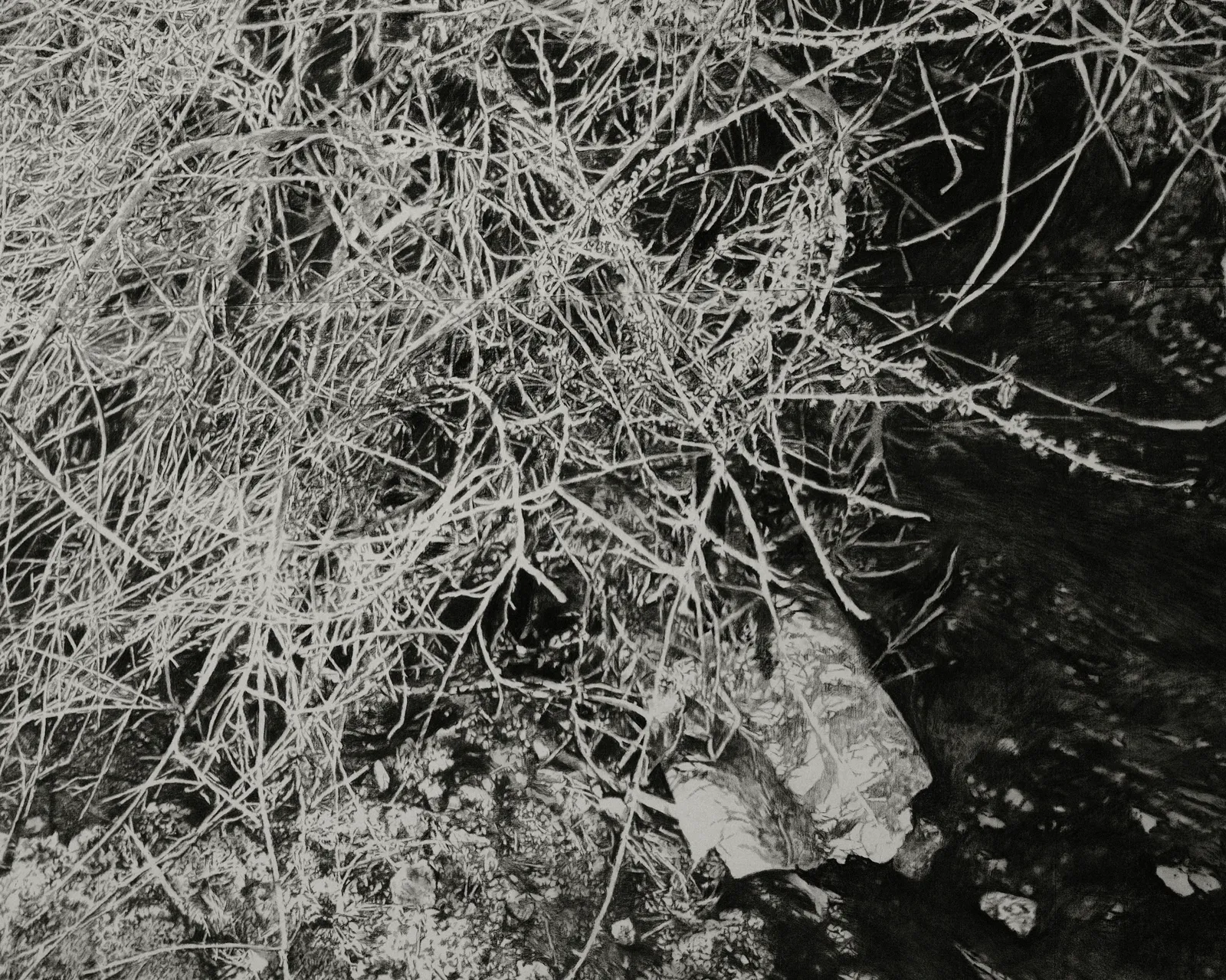
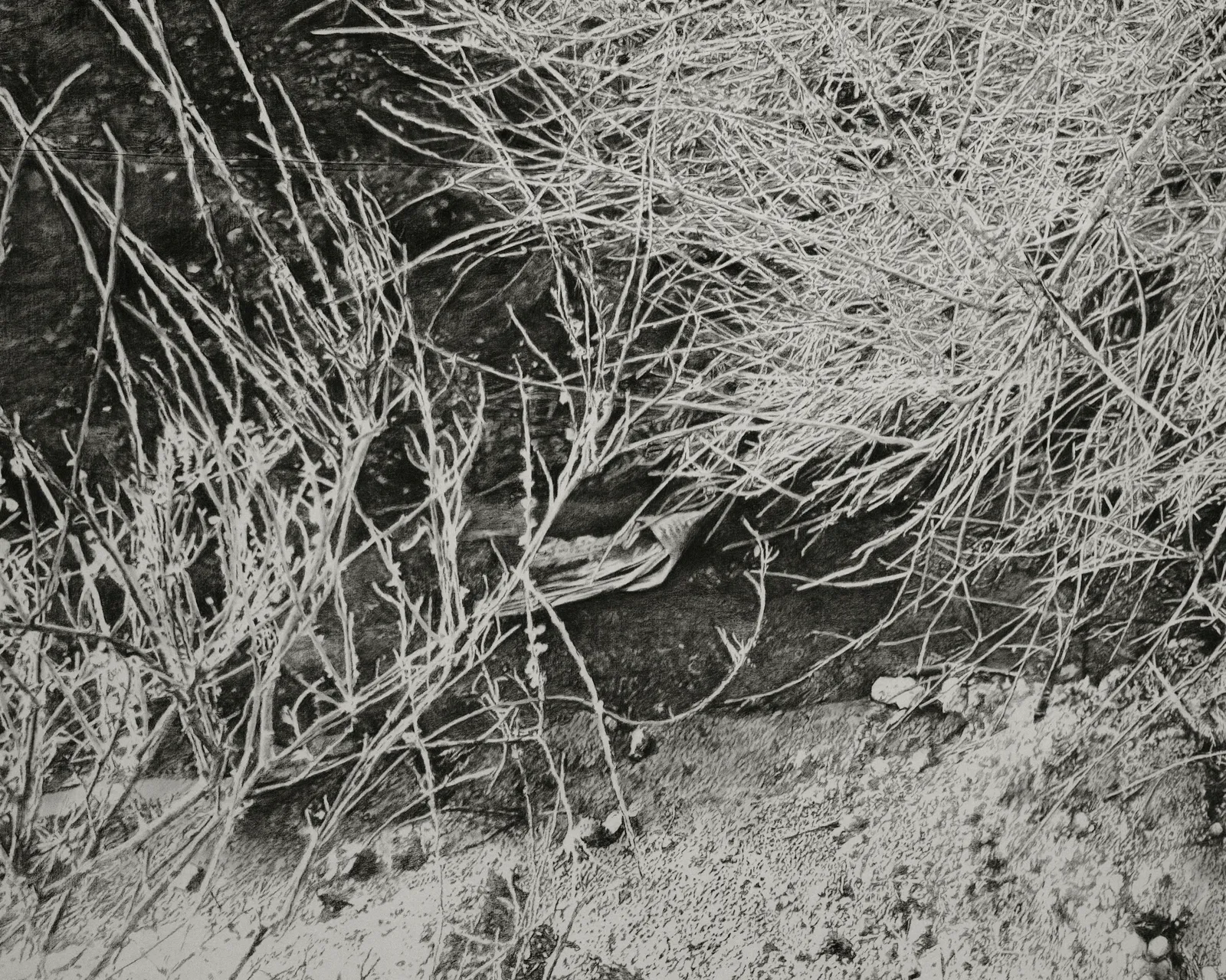
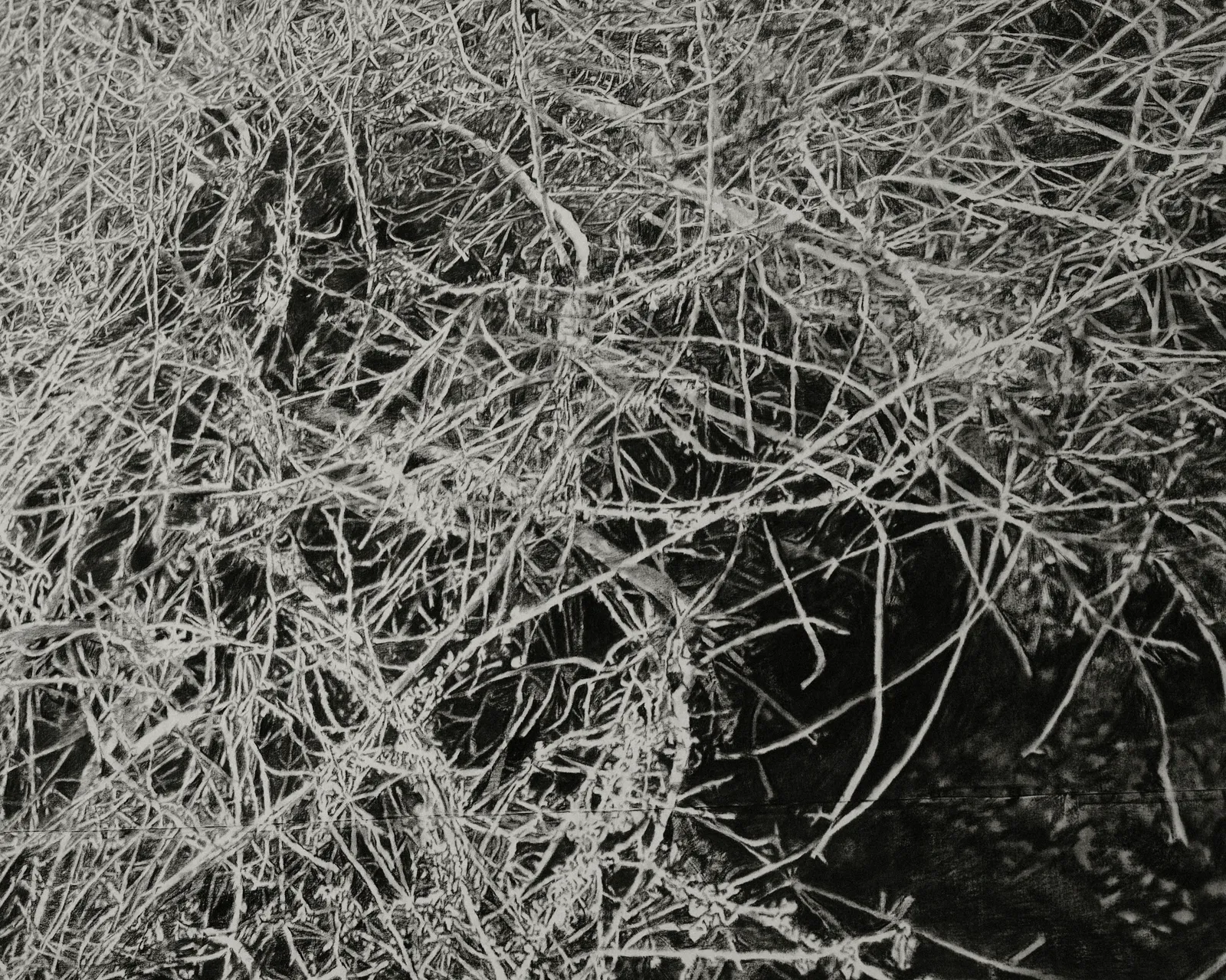
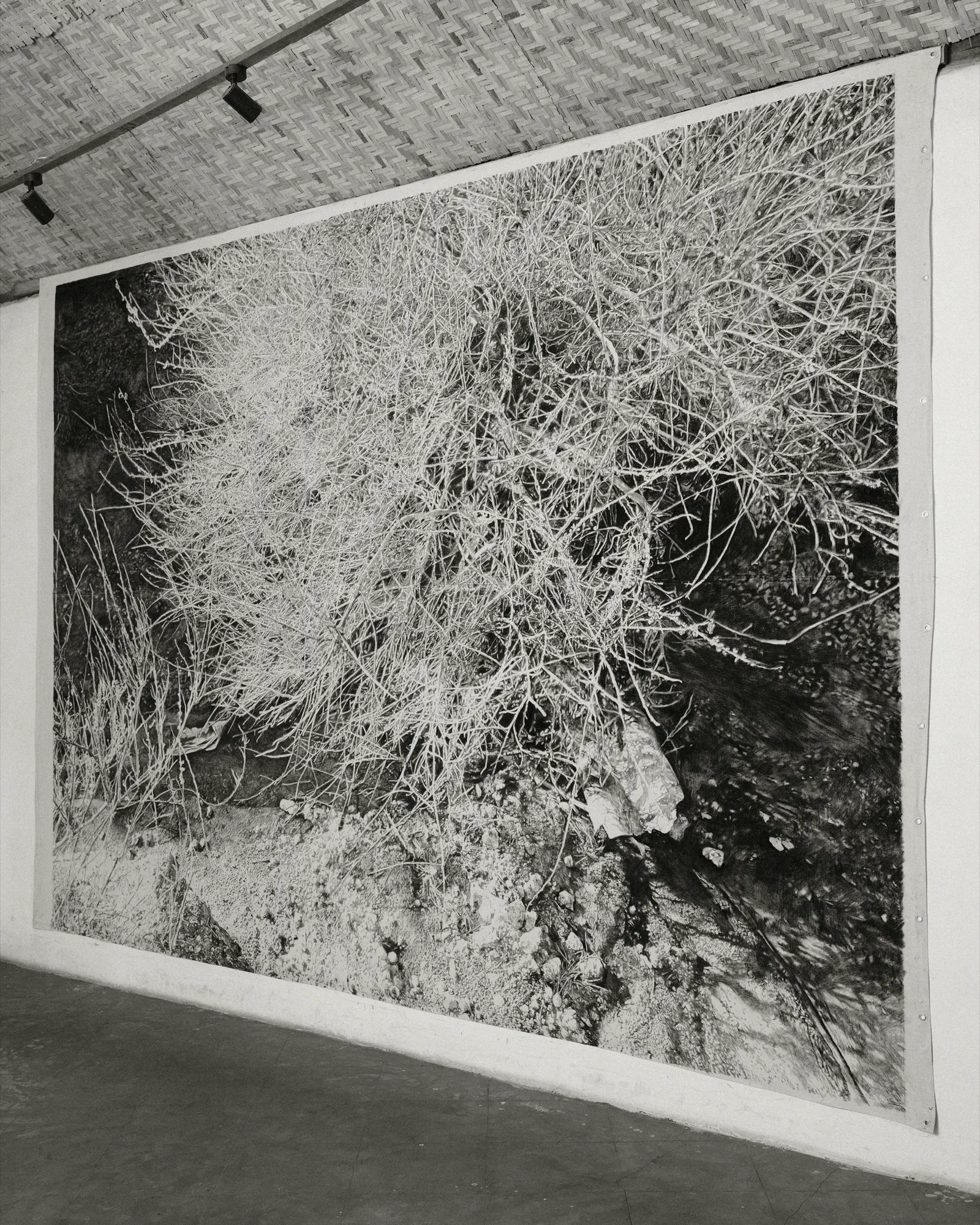
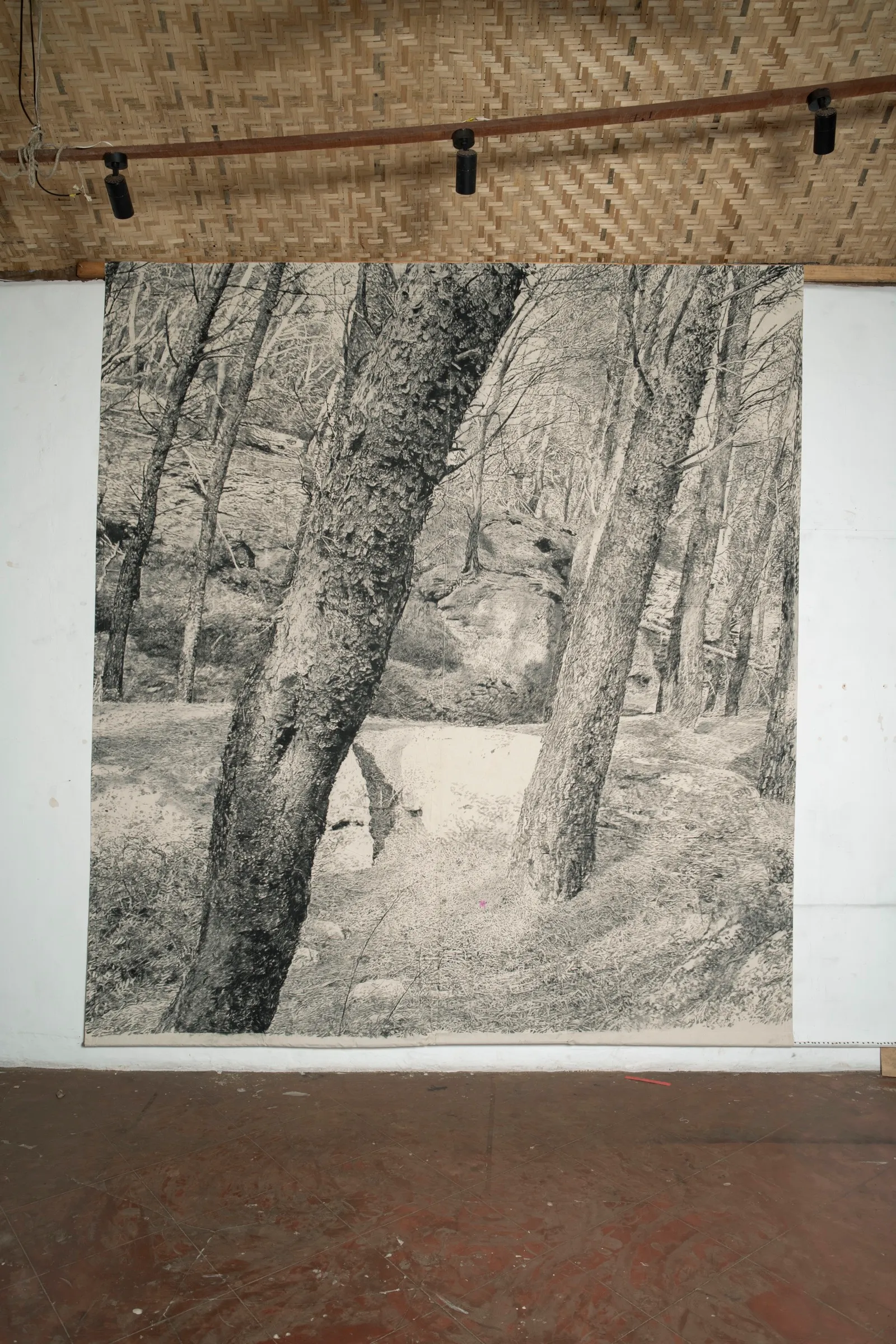
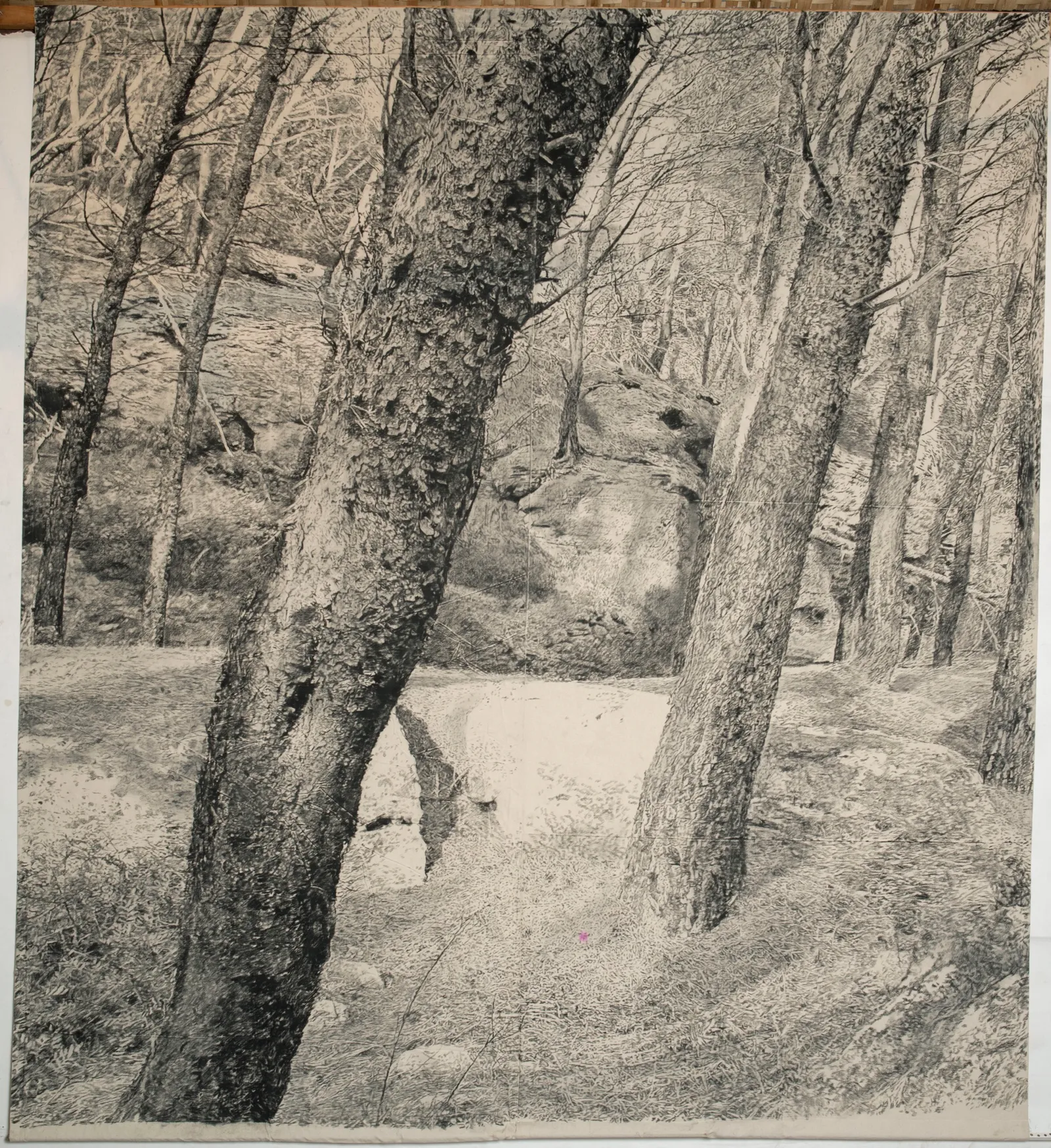
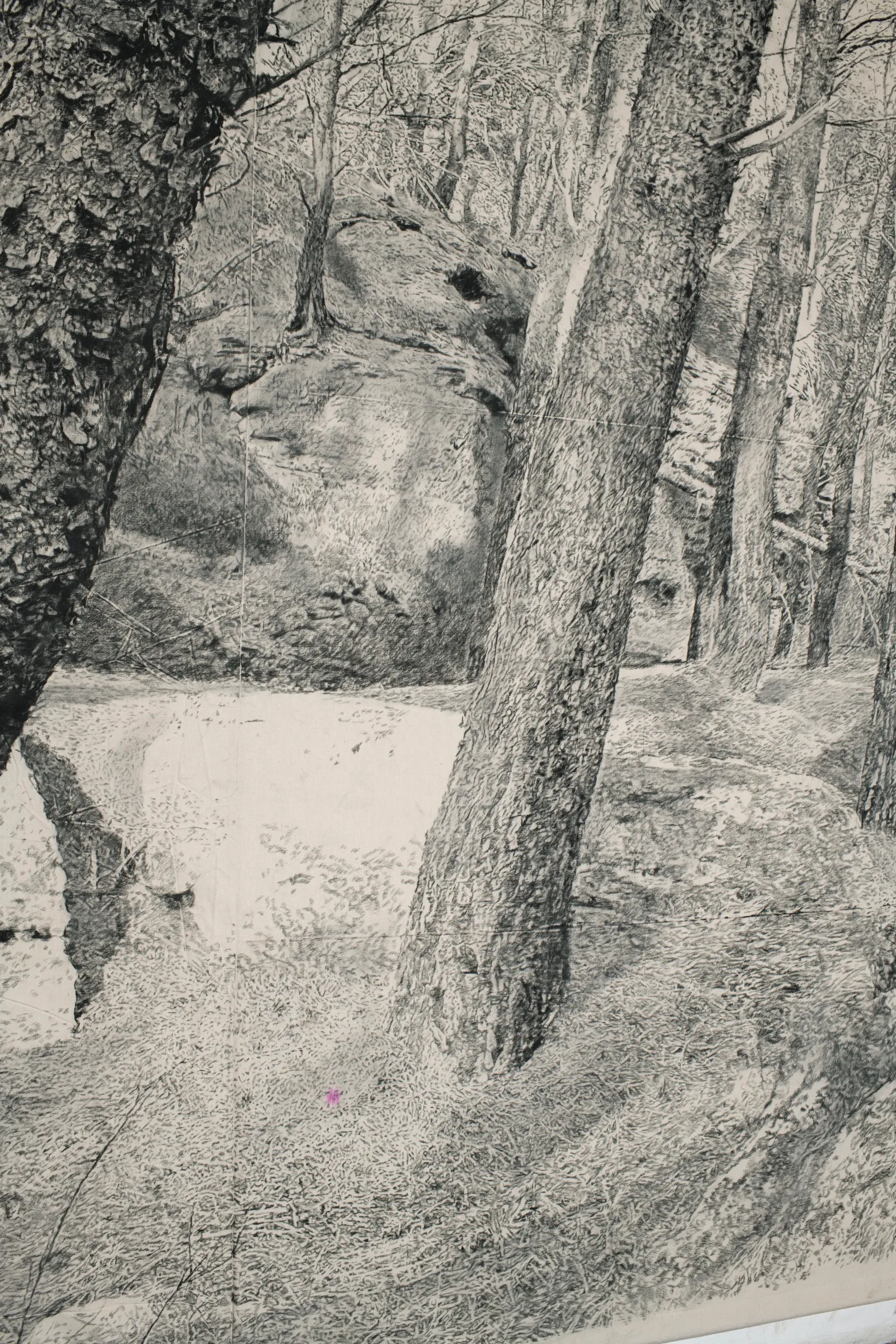
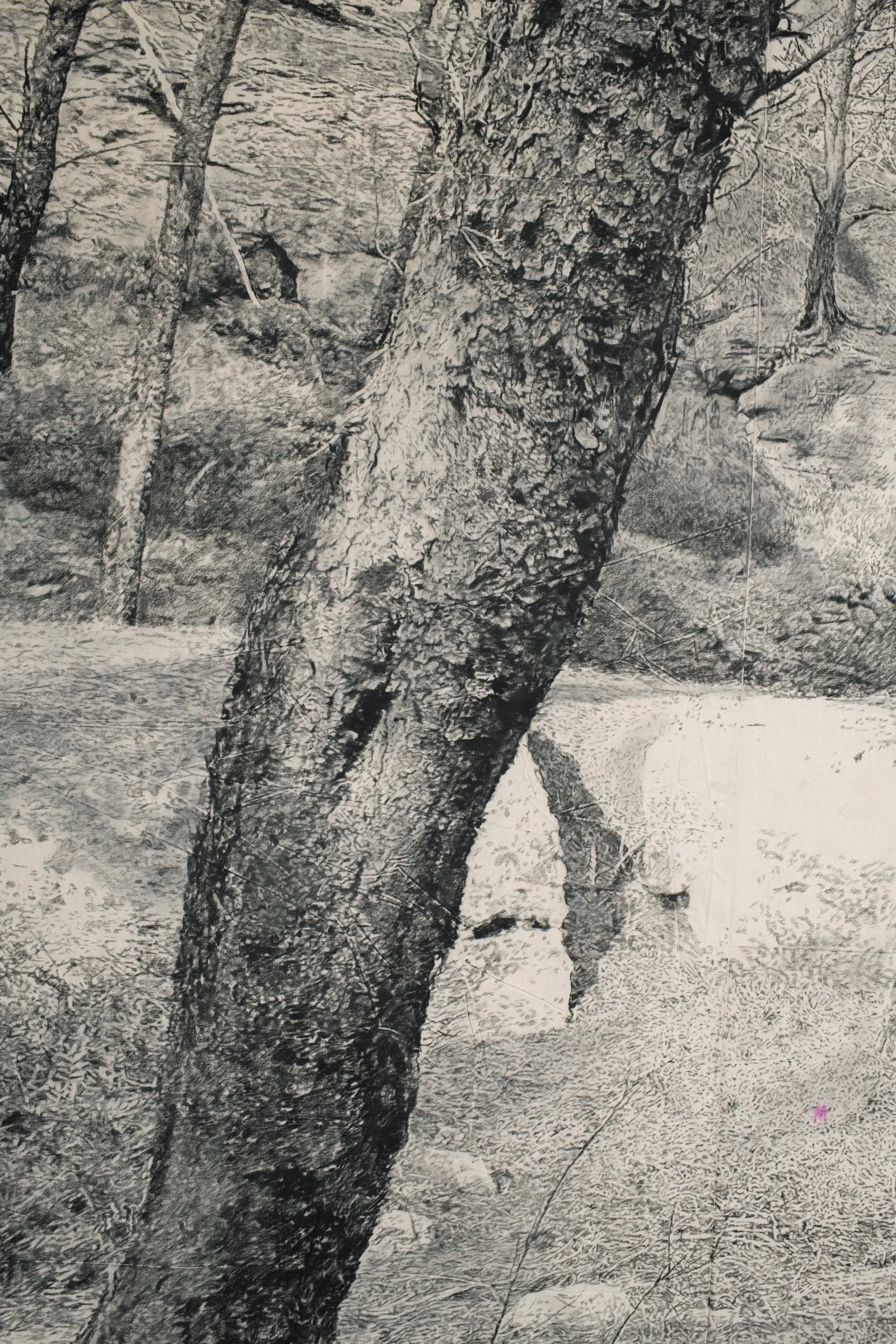
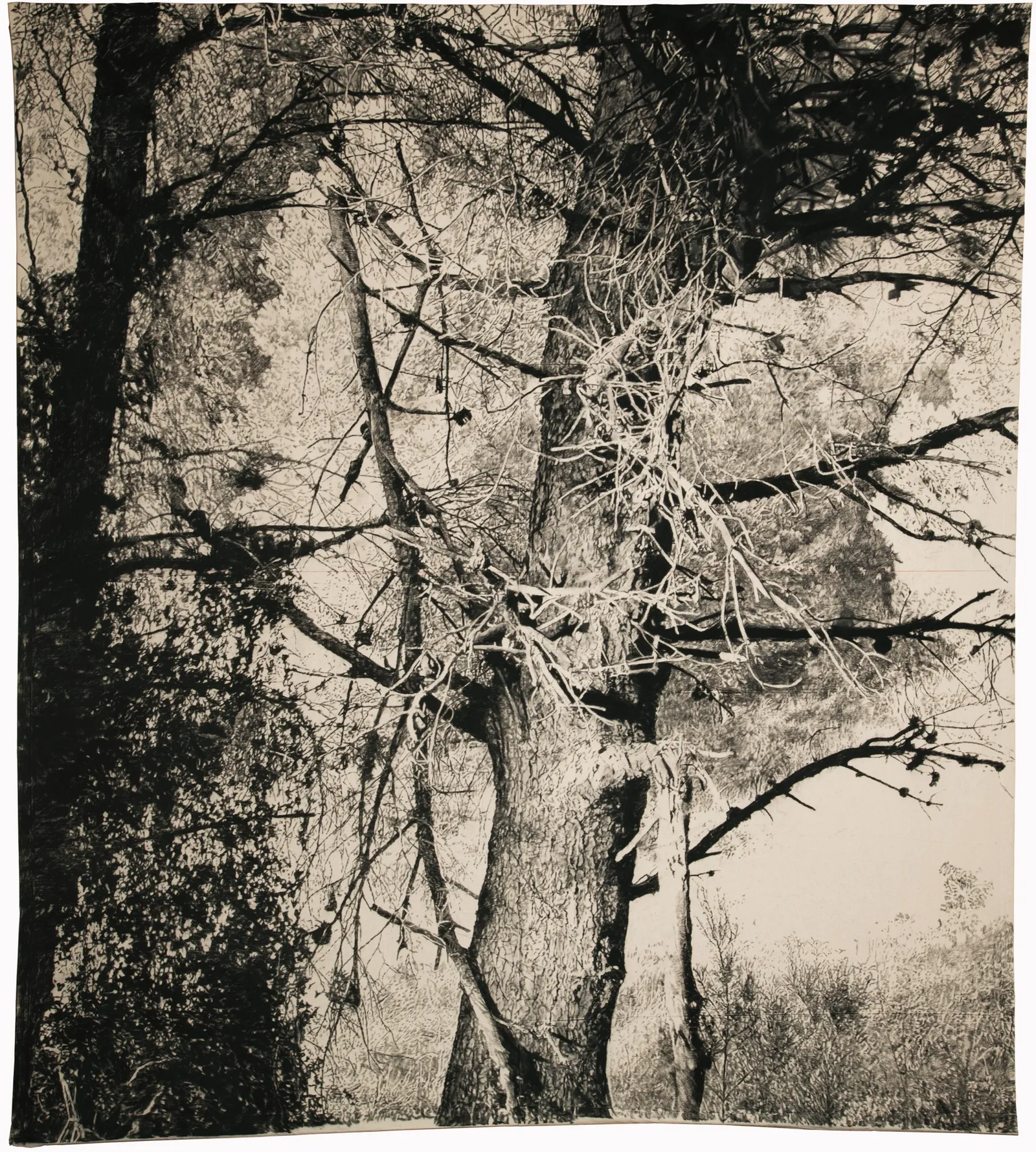
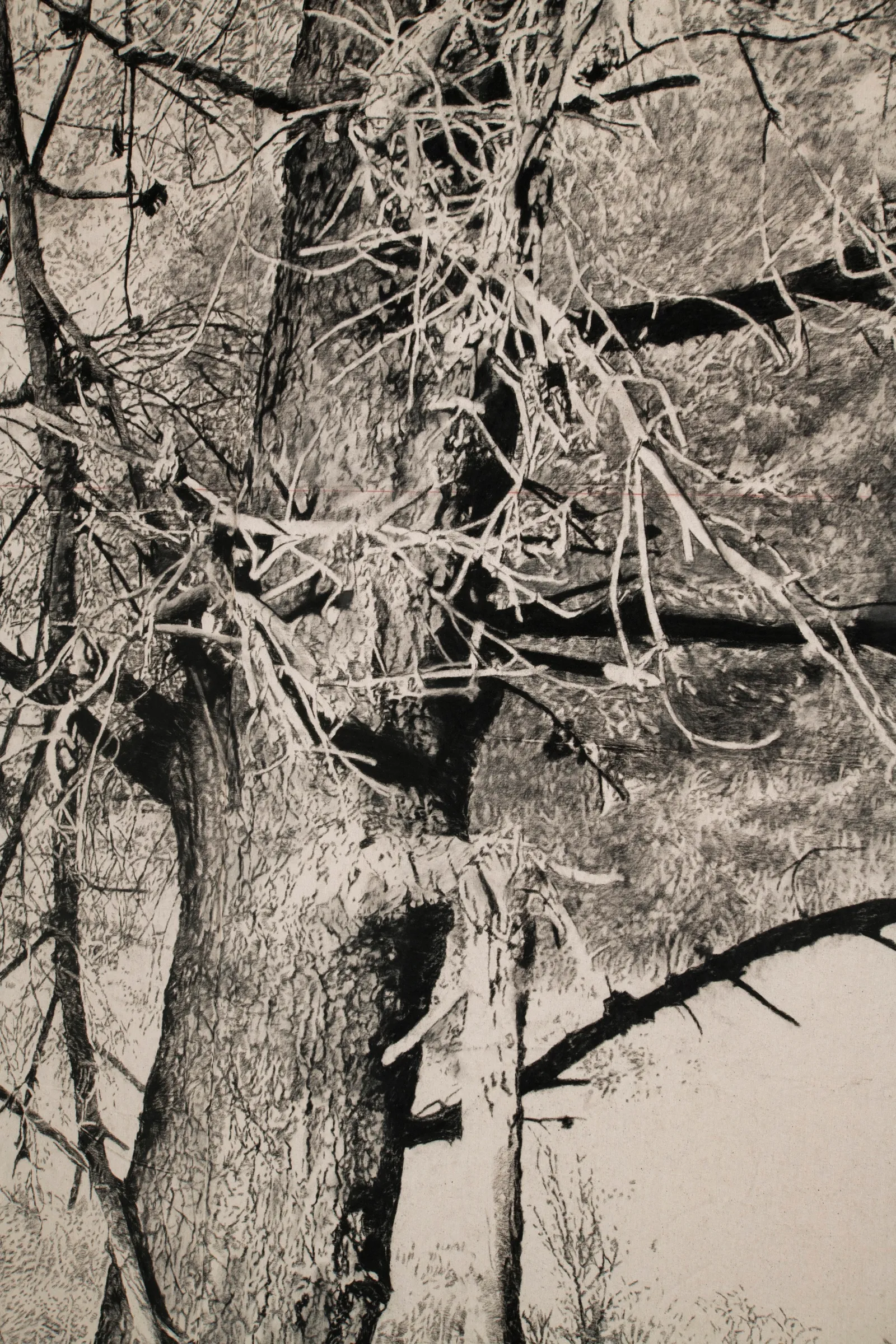
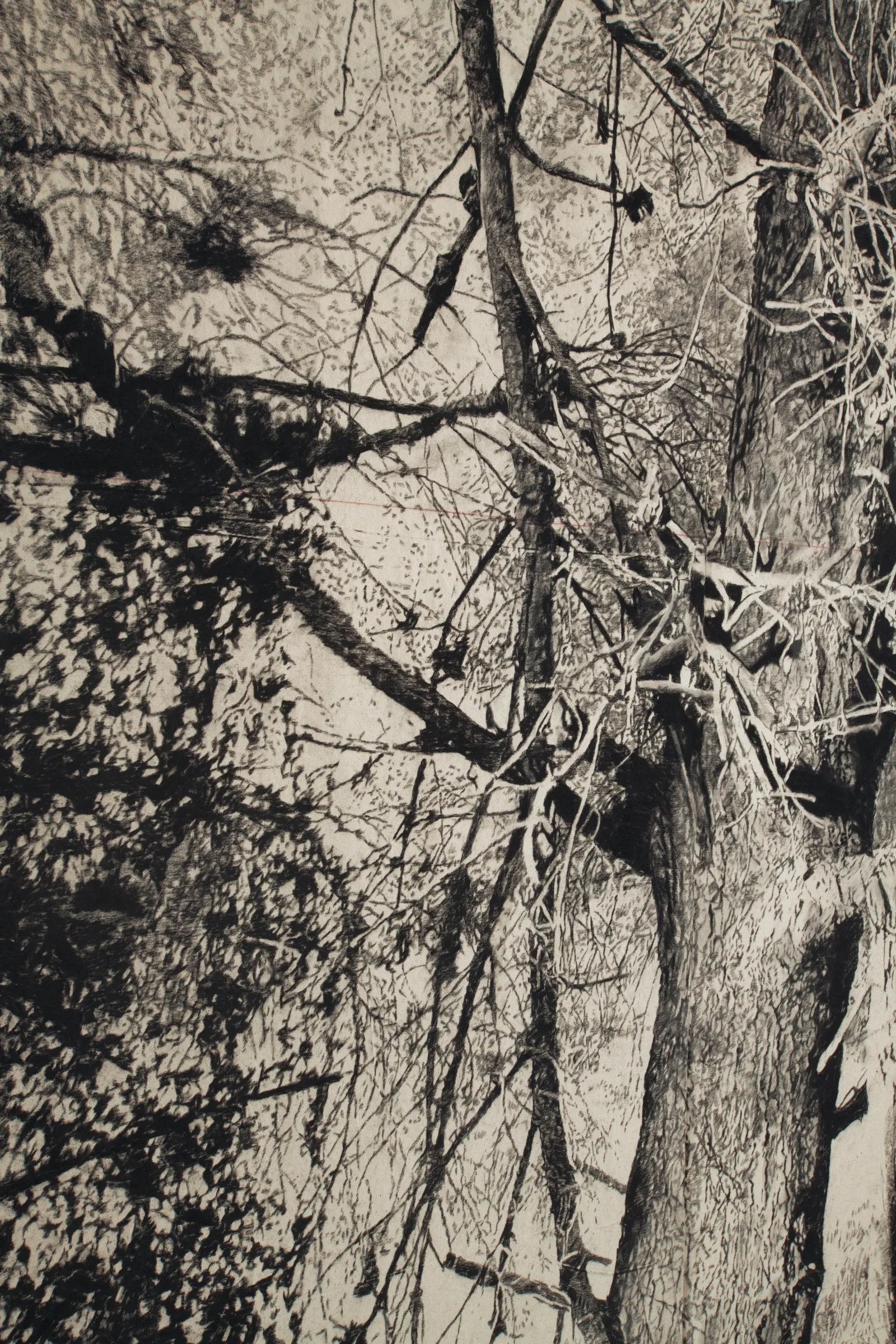
Large-scale charcoal forest drawings
2026
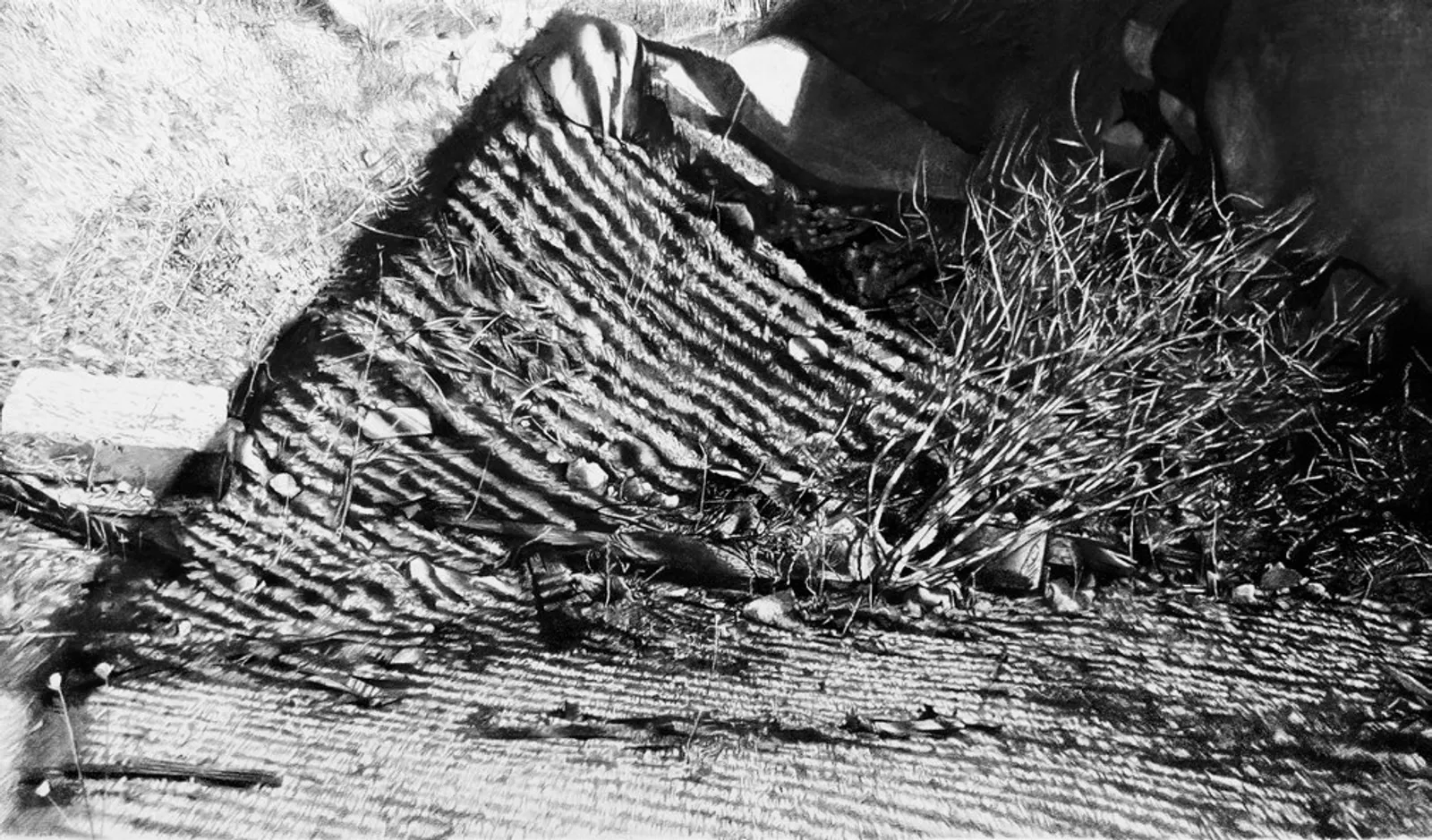
The forest begins where the grid ends — not as wilderness, but as margin. Beyond the reach of streetlights and surveillance cameras, where GPS drifts into static, another order emerges. Here, at the perimeter of control, the forest is densely occupied by what the centre refuses to see: cruising paths thread through undergrowth, temporary shelters cluster in clearings, and bodies move through the dusk with the quiet knowledge of those who have learned to be invisible. These are not empty spaces; they are zones of intense, clandestine presence, where desire, survival, and refusal intertwine.
Julien Segard’s The Edge of Memory enters this terrain as dweller rather than documentarian. The forest he traces is a disturbed landscape, scarred by clearing and neglect, yet stubbornly alive. Anna Tsing, writing of the matsutake mushroom fruiting in the ruins of industrial logging, reminds us that life persists in the interstices — not through progress, but through adaptation and collaboration. So too does the forest margin harbour its own secret fruiting bodies: not mushrooms, but encounters, economies of care, and fleeting communities that thrive in the blind spots of urban order.
Memory operates differently here. What the forest preserves is not institutional history but somatic, scattered trace: a glance held too long, the texture of bark against a shoulder, the sound of footsteps on a leaf-strewn path. These memories live in the body and in the land, precarious and unarchived, ready to be erased by a single development or a season of forgetting. Segard holds them at the threshold — neither fully recovered nor fully lost, but suspended in the charcoal smudge, the half-erased line, the drawing that seems to emerge from the paper’s own shadows.
The Edge of Memory proposes the forest not as escape but as critique. Against the totalising vision of the surveilled city, the margin offers a model of partial vision and partial knowledge, of life lived in patches. Segard does not bring these margins into the light; he lets them remain half-seen, trusting the viewer to lean in, to notice, and to recognise that at the edge of memory, something vital is always fruiting.